Log in
Sign up for FREE
arrow_back
Library

New STAAR test Semester 1

star
star
star
star
star
Last updated 26 days ago
51 questions
Note from the author:
This is a collection of NEW FORMAT STAAR questions for Semester 1 (units 1, 2, 3). Feel free to make a copy and use it as you wish!
Required
3
Required
3
Required
2
Required
2
Required
2
Required
2
Required
2
Required
2
Required
2
Required
1
Required
1
Required
2
Required
1
Required
1
Required
2
Required
1
Required
1
Required
2
Required
1
Required
1
Required
1
Required
1
Required
2
Required
2
Required
2
Required
2
Required
2
Required
2
Required
2
Required
2
Required
2
Required
2
Required
2
Required
2
Required
2
Required
3
Required
2
Required
2
Required
2
Required
2
Required
2
Required
3
Required
3
Required
2
Required
2
Required
3
Required
2
Required
2
Required
2
Required
3
Required
3
Question 1
1.

Giant sequoias can grow to be nearly 100 meters (328 feet) tall. They rely on a complex transport system to allow water to travel from the roots to the leaves at the top of the tree. Which vascular tissue allows water to travel upward and explain the process. Record your answer in the space provided.

Question 2
2.

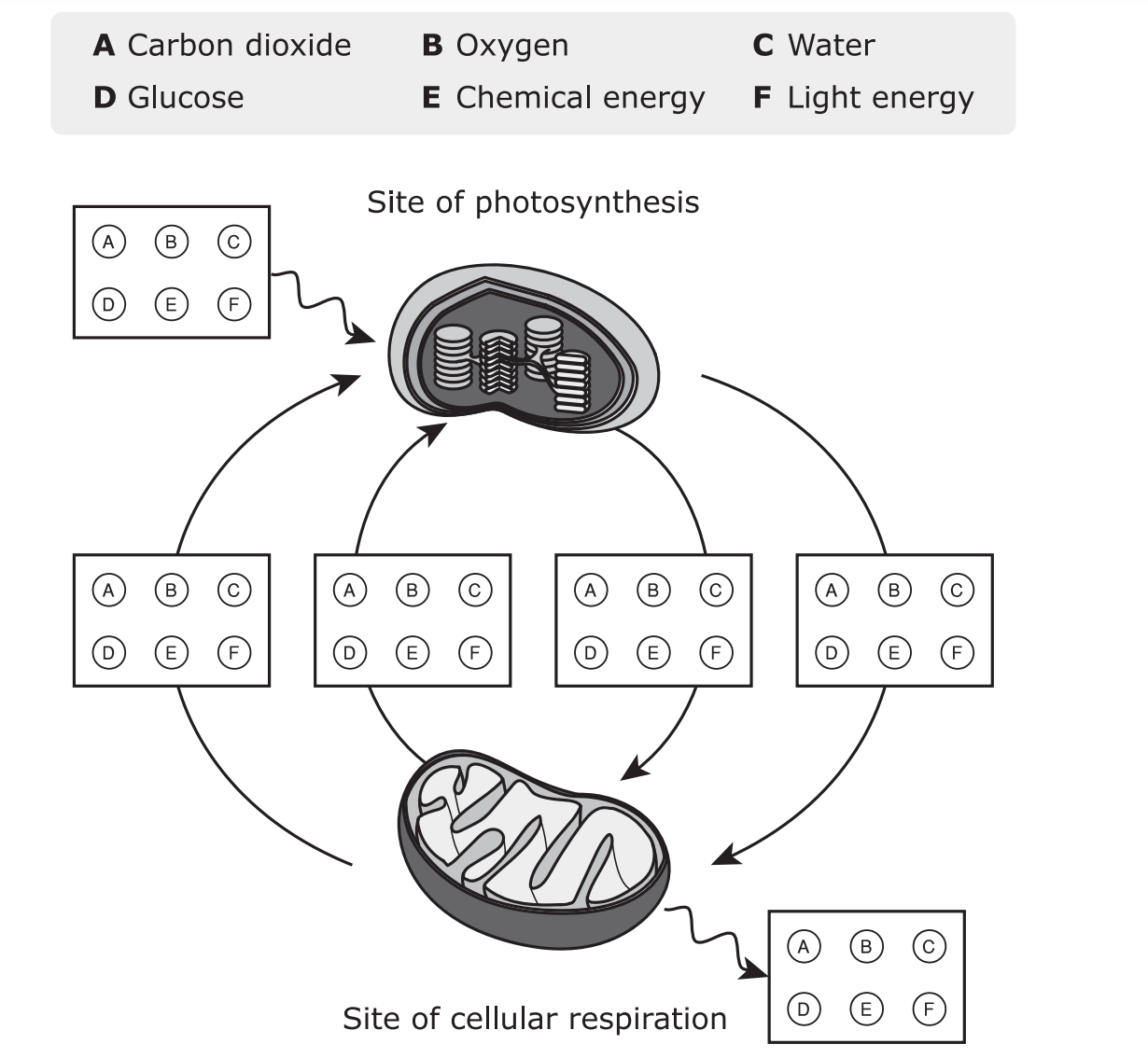
The relationship between two cellular processes is shown in the diagram. What is the relationship between the site of photosynthesis and the site of cellular respiration? Select the correct answer for each box.
Question 3
3.

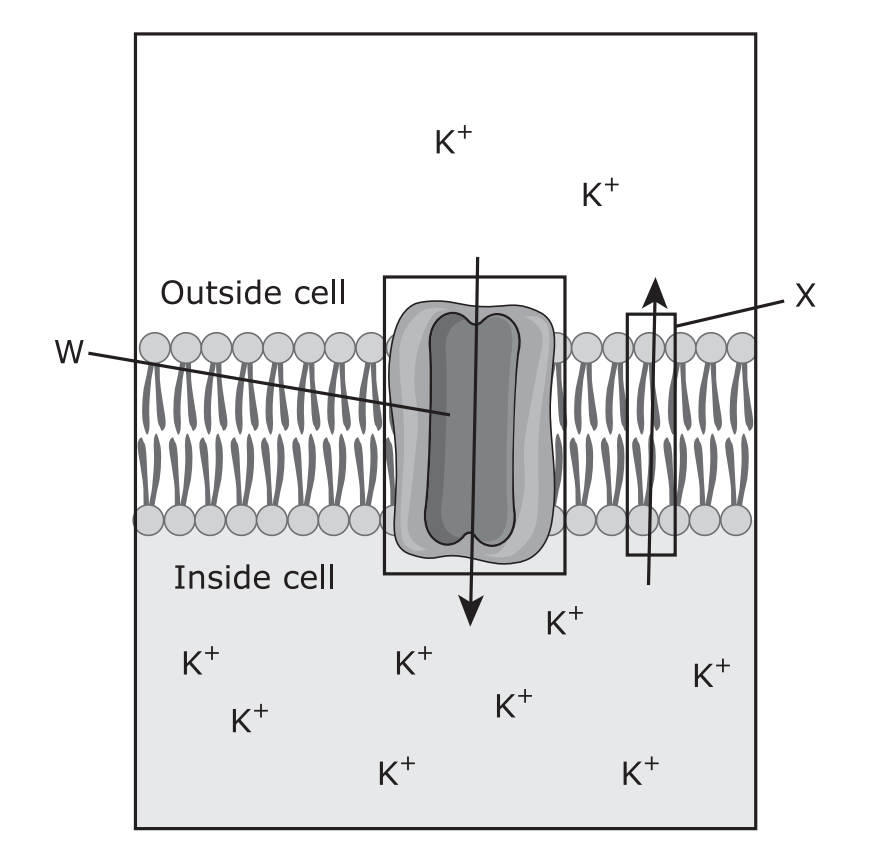
This question has two parts. First, answer Part A. Then, answer Part B. A diagram of the cell membrane is shown.

Part A
Based on the diagram, which statement correctly describes how component W and component X transport molecules across the cell membrane?

Question 4
4.

Part B

What evidence supports the answer to Part A?

Question 5
5.

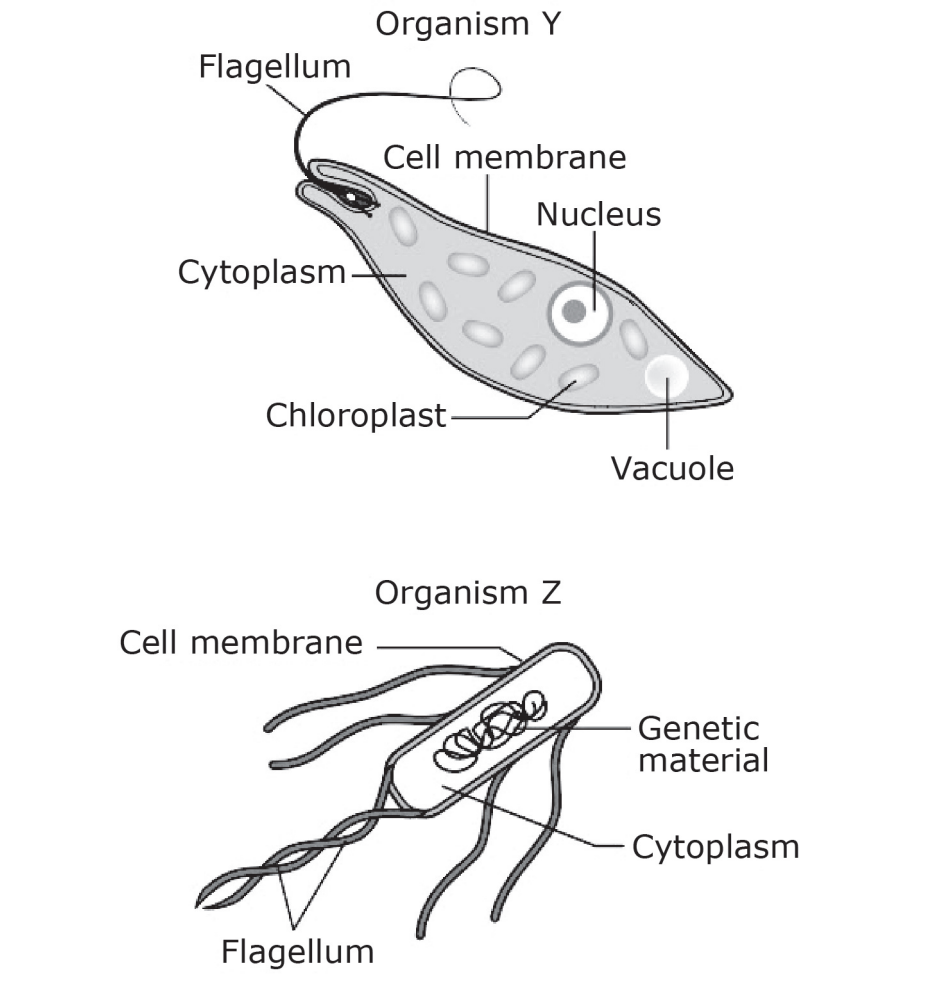
Two single-celled organisms are shown.
Which statements accurately compare the two organisms? Select TWO correct answers.

Question 6
6.

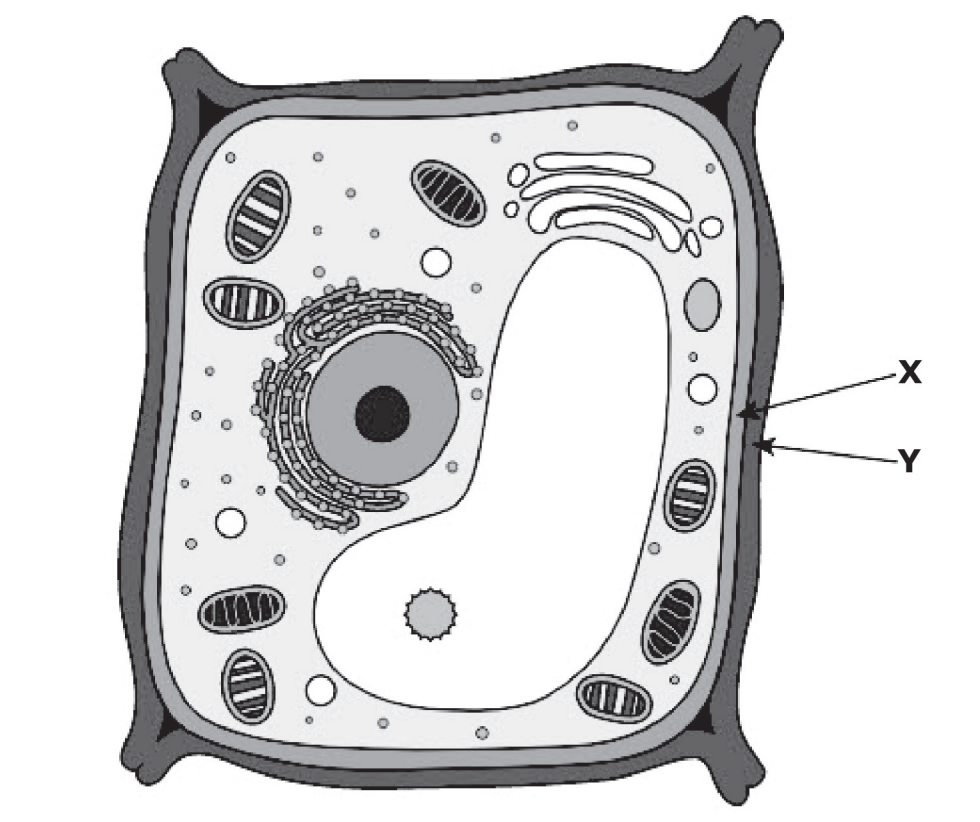
A cell is shown with structure X and structure Y labeled.
Which functions do structure X and structure Y carry out to maintain homeostasis and molecular transport within the cell? Select TWO correct answers.

Question 7
7.

A scientist is examining an unknown cell using an electron microscope. Which observed structure would indicate that the cell is MOST LIKELY prokaryotic?

Question 8
8.

A student is sweating after playing baskeball. Which body systems are MOST DIRECTLY interacting as a response to maintain homeostasis?

Question 9
9.

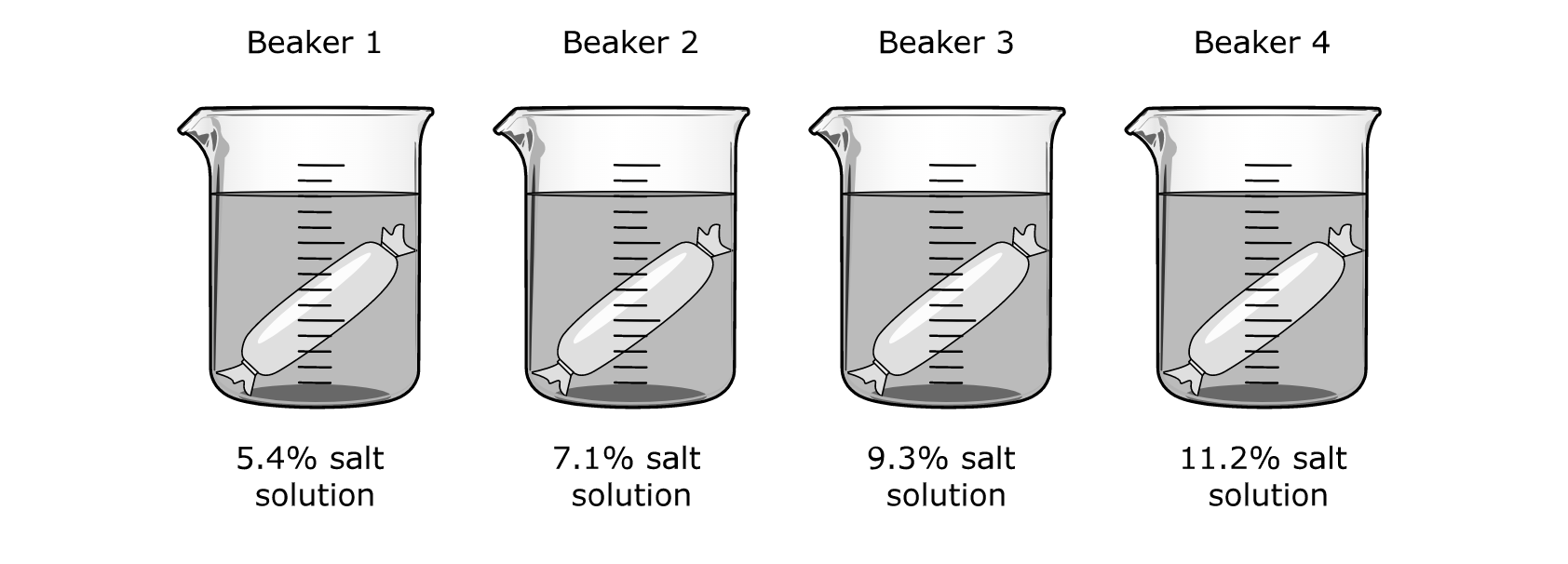
Students investigate osmosis using dialysis tubing. Dialysis tubing is a semipermeable membrane that allows water molecules to pass through while preventing salt ions from passing through.
The students follow this procedure:
  1. Mix salt into water to make a 7.1% salt solution.
  2. Add equal amounts of this saltwater solution to four small bags made of dialysis tubing.
  3. Fill four beakers with different salt solutions, as shown in the image.
  4. Place each small bag into one of the four beakers.
  5. Observe changes in the size of the bags.
The setup for the investigation is shown.

In which beaker will osmosis cause expansion of the dialysis tubing bag?

Question 10
10.

Which organ and tissue interact MOST DIRECTLY to absorb and transport water and dissolved minerals inside a plant?

Question 11
11.

Which two components are MOST LIKELY found in both viruses and prokaryotic cells?

Question 12
12.

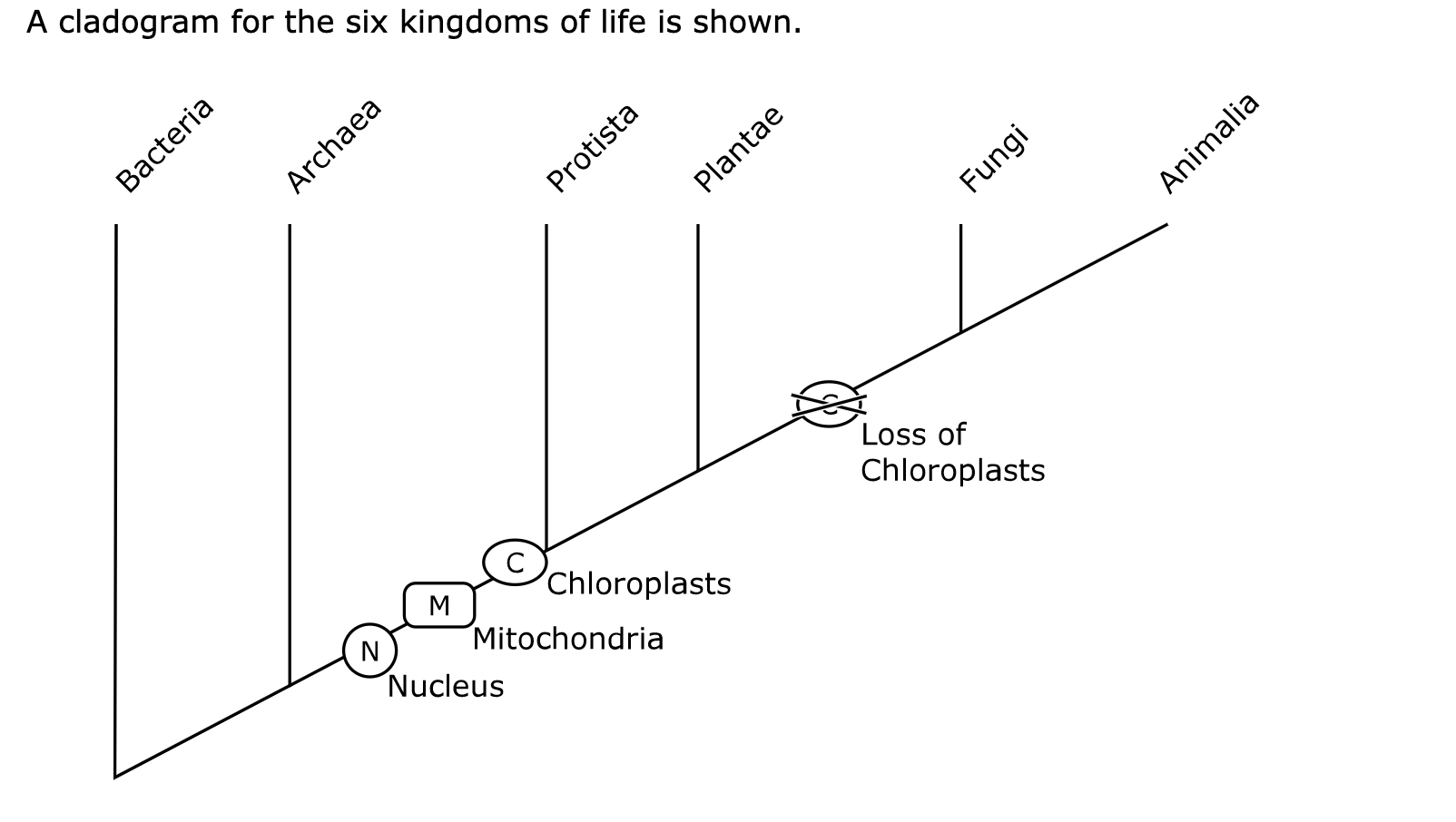
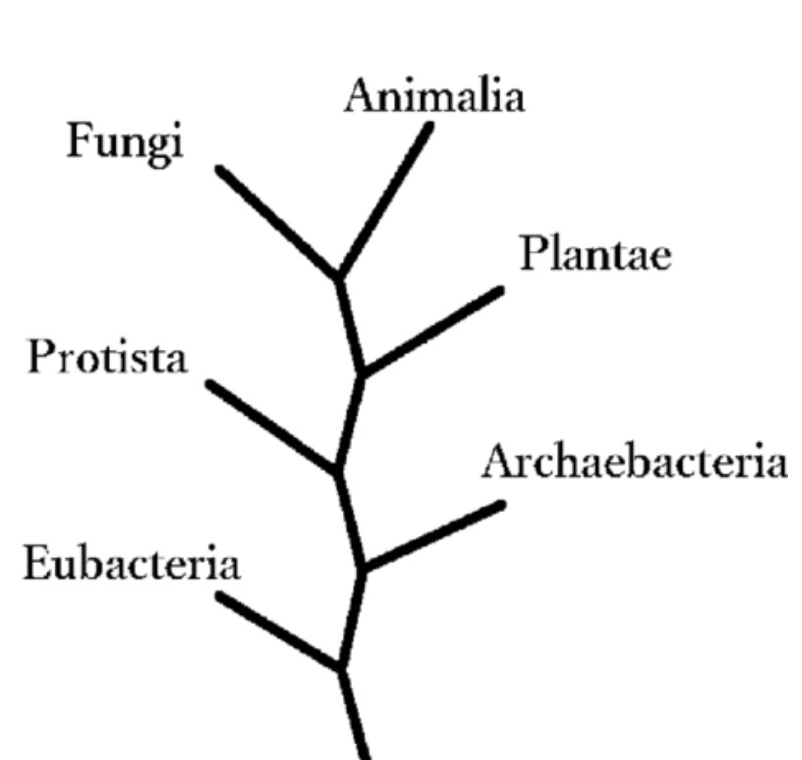
A cladogram for the six kingdoms of life is shown.
Based on the cladogram, which TWO kingdoms contain organisms with chloroplasts?

Question 13
13.

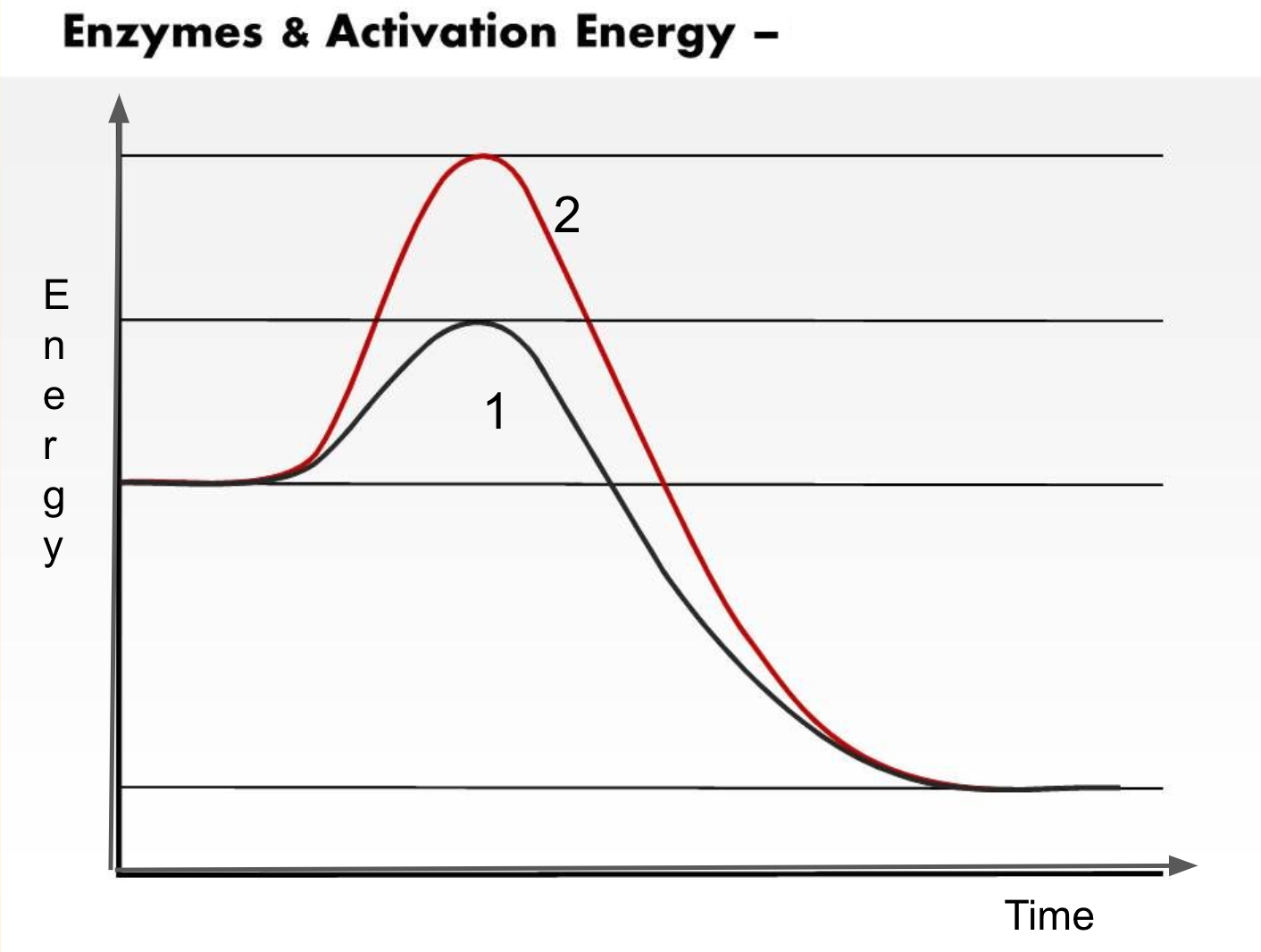
Which statement BEST describes how enzymes affect the speed of a metabolic reaction?

Question 14
14.

Microorganisms are known to be present in some food products such as yogurt. One student claims that microorganisms in food always have a negative effect on human health, while a second student disagrees. The second student claims that some microorganisms in food can have a positive effect on human health.

Which statement BEST supports the second student’s claim?

Question 15
15.

A bacteriophage uses the lysogenic cycle to replicate itself. Describe the bacteriophage’s replication process. Be sure to include information about what happens to the host cell during and as a result of this cycle.

Read the question carefully. Then enter your answer in the box provided.

Question 16
16.

A student is making models of cells and uses the following materials:
  • dried peas to represent ribosomes
  • shelled peanuts to represent mitochondria
  • uncooked noodles to represent DNA
  • shoestrings to represent the cell membrane
Which material would be used in a model of a eukaryotic cell but NOT a prokaryotic cell?

Question 17
17.

Which molecules are the building blocks of DNA?

Question 18
18.

Which plant structures are DIRECTLY involved in the production and transport of glucose? Select TWO correct answers.

Question 19
19.

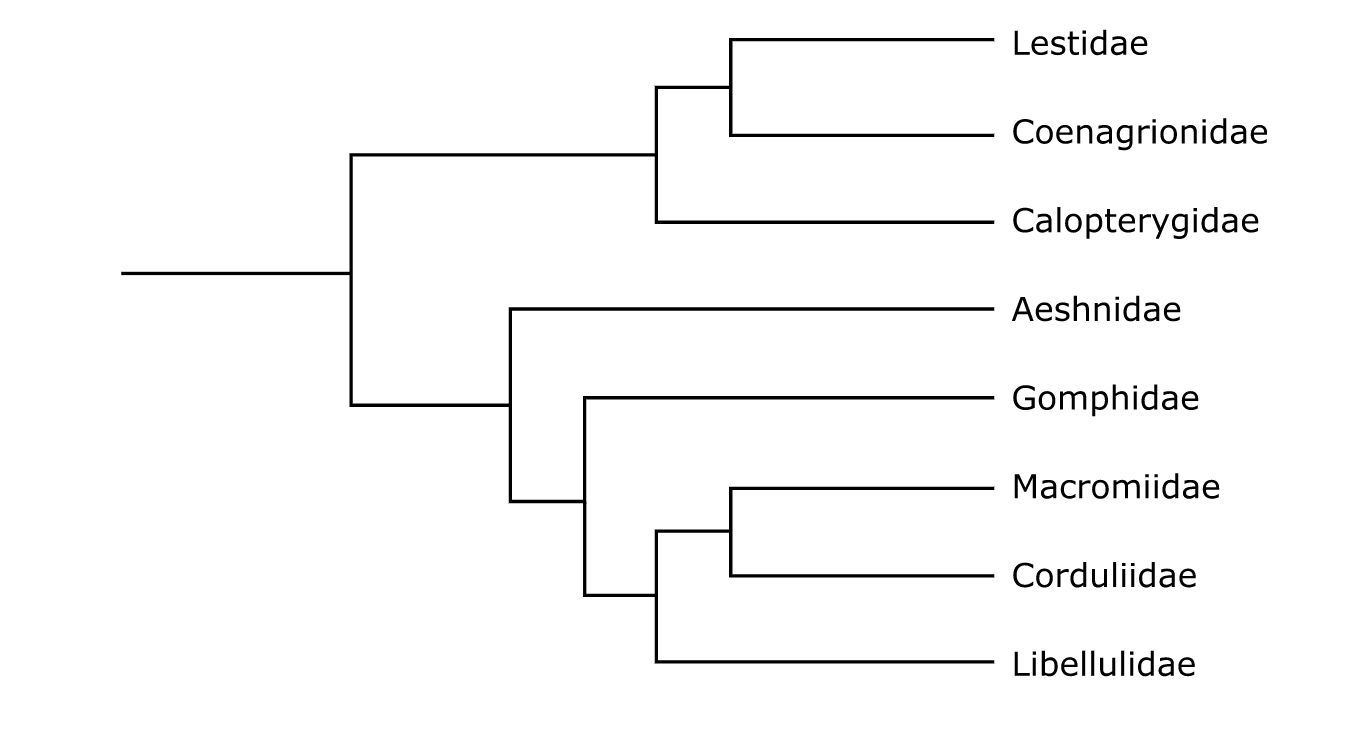
A student draws the dragonfly family cladogram shown, based on anatomical features.


Which family of dragonflies shares the most recent common ancestor with the families Macromiidae and Corduliidae?

Question 20
20.

A student sees a red wolf at the zoo and wants to research specific information about the animal.

Which levels of taxonomy are BEST to use when researching specific information about the red wolf?

Question 21
21.

Which table correctly matches each type of biomolecule with its function in the cell membrane?

Question 22
22.

Which statement BEST describes the roles of glucose and oxygen in photosynthesis?

Question 23
23.

This question has two parts. First, answer Part A. Then, answer Part B.

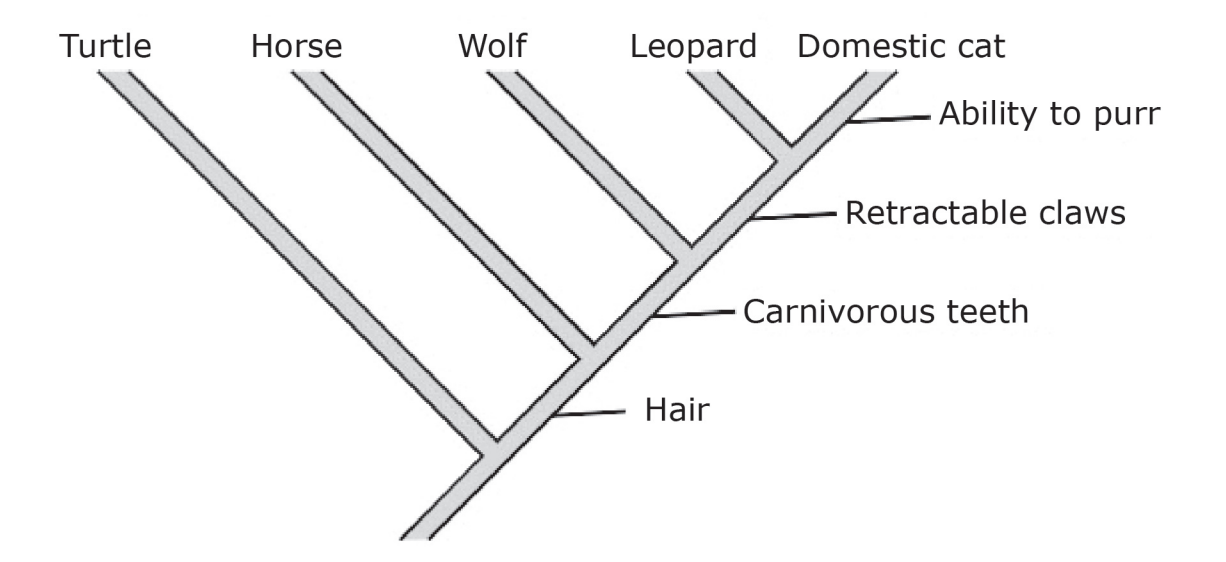
A cladogram is shown.

Part A
Based on the information in the cladogram, which characteristic would likely be found in the most recent common ancestor of the leopard and the domestic cat but NOT in the other organisms?

Question 24
24.

Part B

Which additional piece of evidence would BEST support the answer to Part A?

Question 25
25.

When the skin comes in contact with an irritant, receptors in the skin send signals to the spinal cord. They signal is then sent to the brain for processing, and the individual begins to scratch the affected area.

Which two systems are most likely interacting when a person experiences itching caused by a skin irritant?

Question 26
26.

Which statement describes the process of osmosis in an animal cell?

Question 27
27.
A researcher determines an organism to be eukaryotic, unicellular, and autotrophic. According to these characteristics, this organism be belong to the _______ taxonomic group.
Question 28
28.

For an enzyme to be able to catalyze a reaction, the active site must-

Question 29
29.

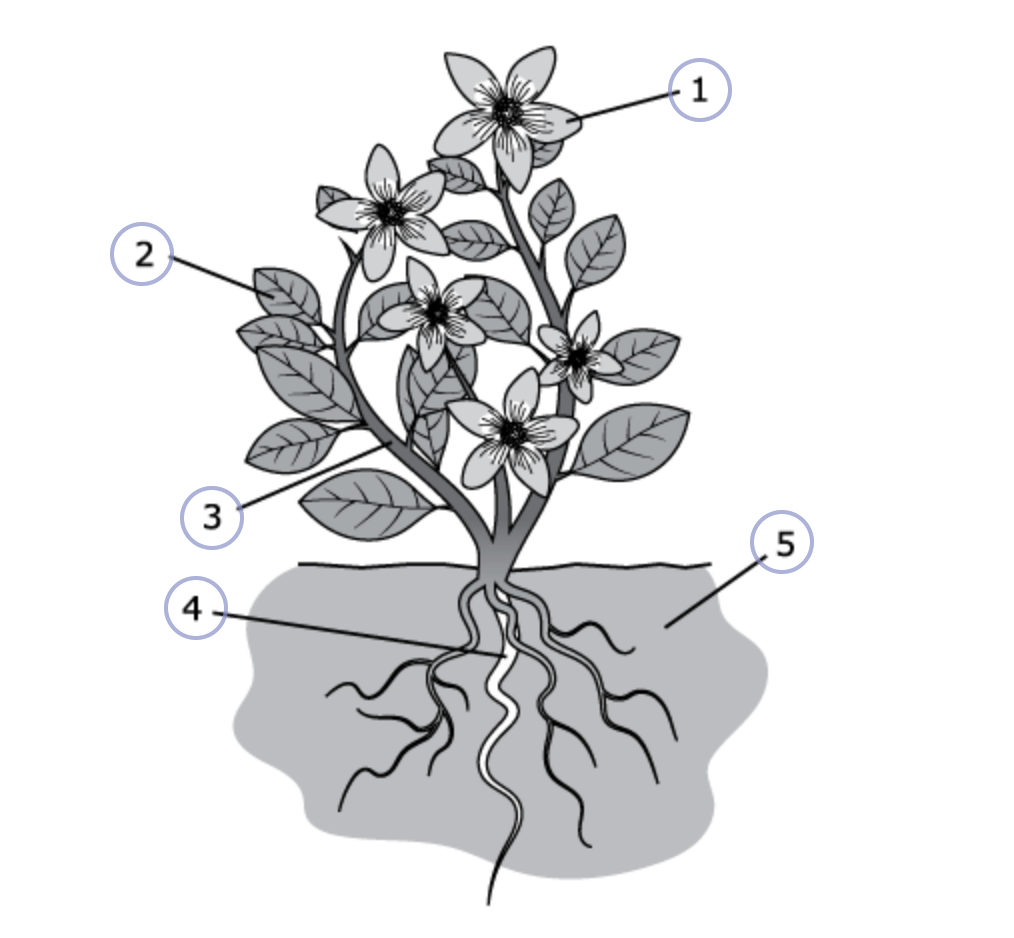
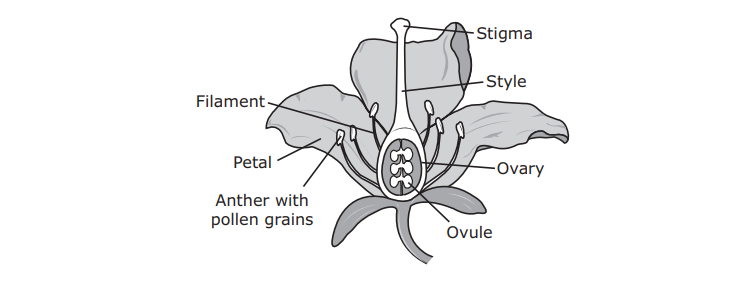
A flower that has both male and female reproductive structures is shown.


Which statement best describes an interaction that will allow a flowering plant to reproduce by self-pollination?

Question 30
30.

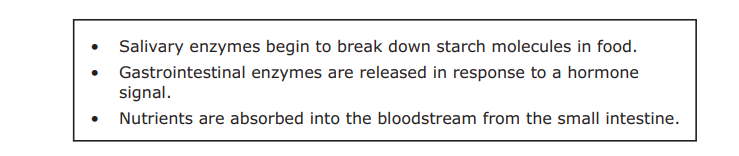
Breaking down food for nutrients involves many body systems. A student made a partial list of the processes that occur.


Which body systems interact most directly in the three listed processes?

Question 31
31.

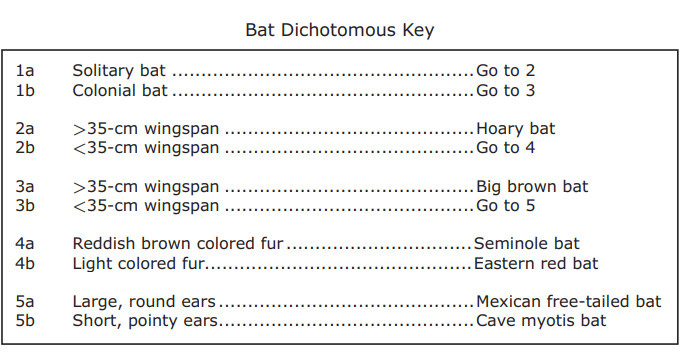
Students examine images of a certain species of bat commonly found in Texas. Using the bat dichotomous key, they conclude that the bat species is a Mexican free-tailed bat due to its large, round ears.


Based on the dichotomous key, in addition to the shape of the bat's ears, which other set of features should the students look for to confirm the identity of the bat?

Question 32
32.

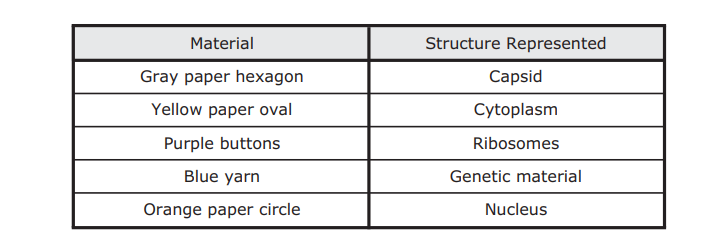
Materials are provided to students to build models of a prokaryotic cell, a eukaryotic cell, and a virus. The materials and the structures they represent are listed in the table shown.


Which material will students use in all three models?

Question 33
33.
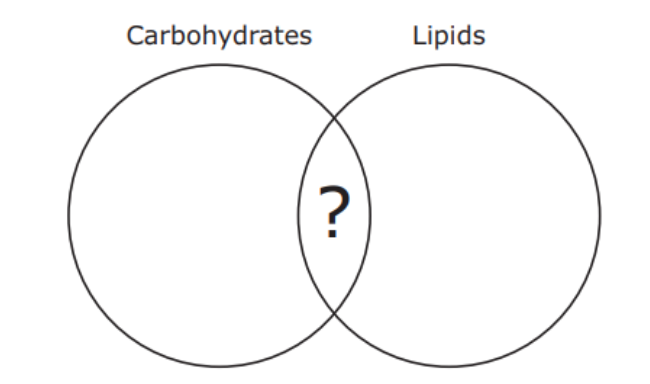
A student makes a Venn diagram to compare the functions of carbohydrates and lipids.
Which cellular function of carbohydrates and lipids should be placed in the shared section of the Venn diagram?
Other Answer Choices:
Catalyst for Chemical Reactions
Hormone Production
Energy Storage
Structural Support
Question 34
34.
Students construct a graphic organizer to illustrate the different levels of biological organization.

Which term does the letter X represent in the graphic organizer?
Other Answer Choices:
Biosphere
Cell
Ecosystem
Organism
Question 35
35.

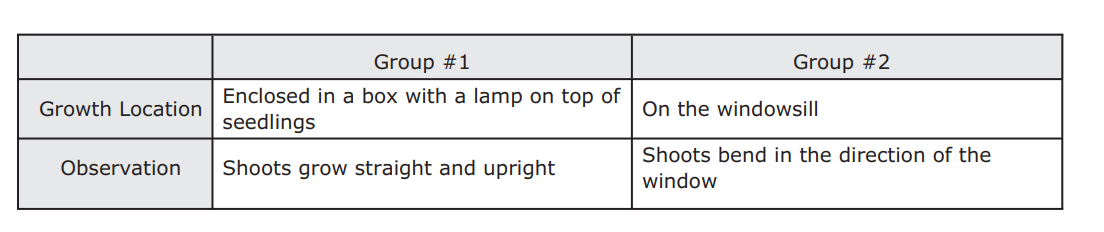
Students set up a controlled experiment by growing the same type of seedlings in two different locations. After a period of time, the students observed the seedlings and recorded their observations in the table shown.


What caused the shoots of the seedlings on the windowsill to bend toward the window?

Question 36
36.

An illness caused by a certian virus includes fever, rash, joint pain, red eyes, and headache. The virus is transmitted to people by infected mosquitoes. Symptoms quickly occur within three to twelve days after contracting the virus. There is no vaccine for this virus.

Does this virus reproduce by Lytic or Lysogenic cycle? Explain your answer.

Question 37
37.

Two scientists want to compare their redearch of fireflies. Which information must the two scientists provide to each other to determine if they studied the same type of fireflies?

Question 38
38.

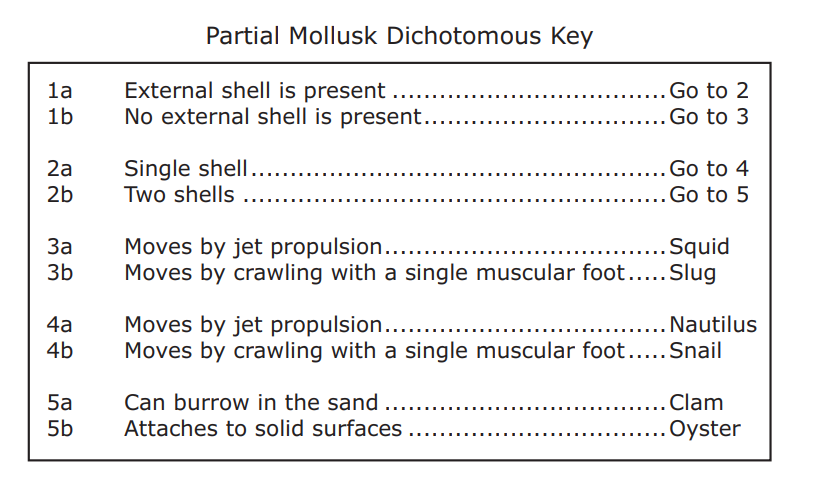
A dichotomous key of different mollusks is shown.


Which mollusk moves by jet propulsion and does not have an external shell?

Question 39
39.

Which statement best describes how a virus replicates?

Question 40
40.

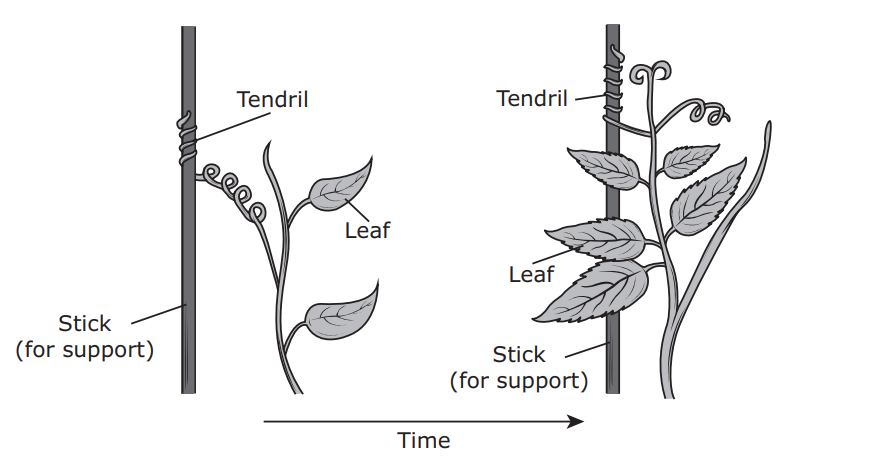
The picture below shows an example of a plants response, in which they move and grow toward an object the plant comes into physical contact with, and curling around an object.


PART A

What is the name of the response pictured above?

Question 41
41.

PART B
This response of the plants shoot system benefits the plant by allowing the them to-

Question 42
42.

Using the word bank below, answer the following question:
Which type of movement across a cell's plasma membrane requires energy supplied by ATP?

Question 43
43.
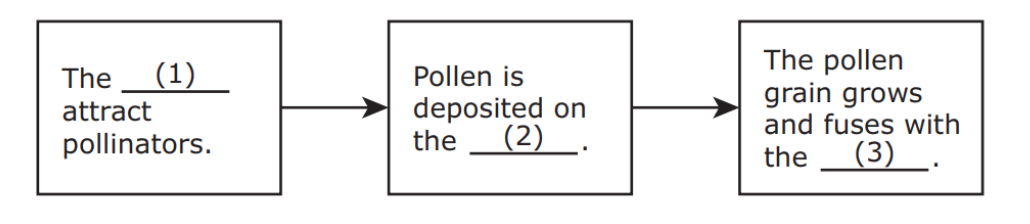
Students studying the interaction among the reproductive parts of flowering plants make the graphic organizer shown.

Which terms best complete the numbered blanks in the flowchart?
Other Answer Choices:
Filament
Petals
Ovule
Stigma
Question 44
44.

Which characteristic do all organisms in Kingdoms Animalia, Protista, and Fungi have in common?

Question 45
45.

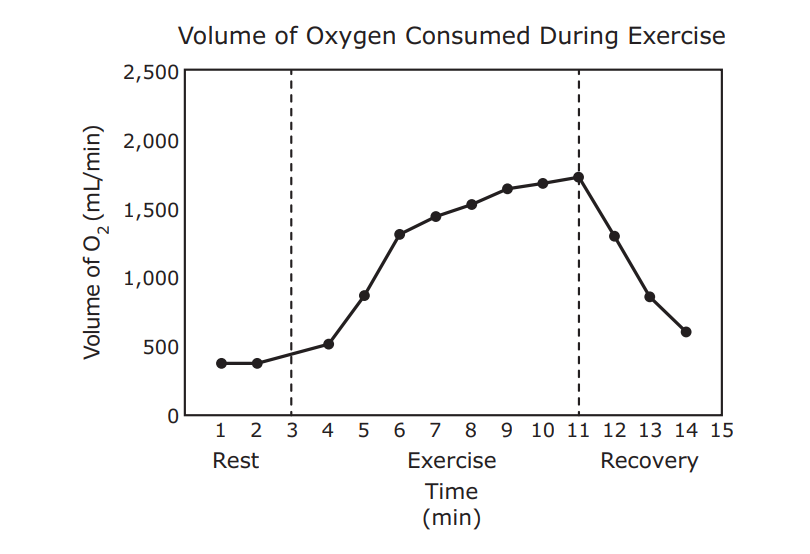
The graph shows the oxygen consumed by an athlete during different stages of training.


Based on the graph, which process is occurring between minute 5 and minute 10?

Question 46
46.

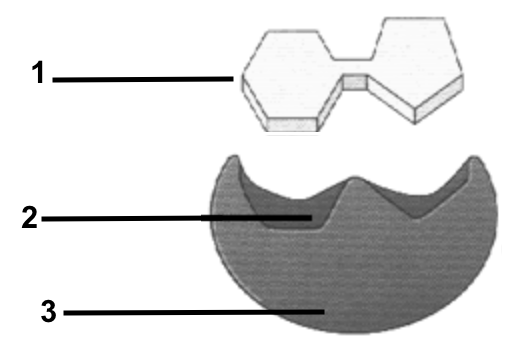
A model of an enzyme and its corresponding substrate is shown.
Which part numbered below shows the activation site?

Question 47
47.

Which statments best compare a function of proteins and lipids in a human cell?

Question 48
48.

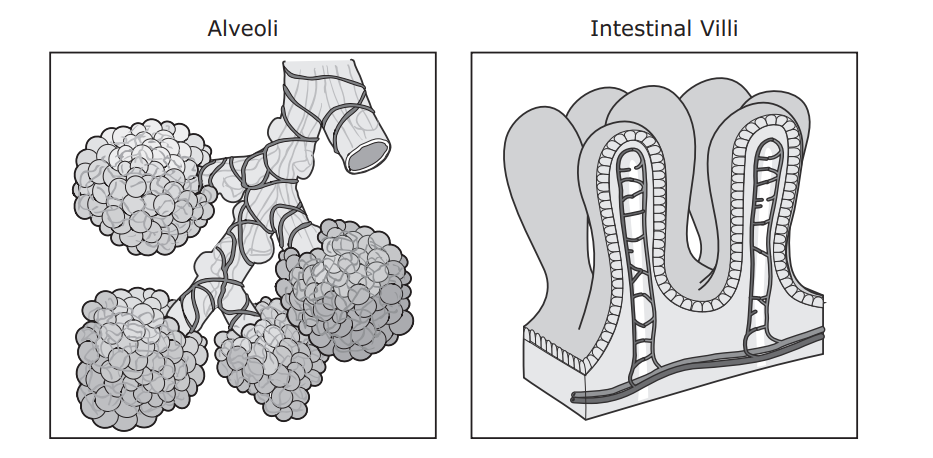
Both the respiratory system and the digestive system involve the uptake of necessary molecules from an animal's surroundings. Alveoli are tiny sacs that aid in the exchange of carbon dioxide and oxygen in the lungs. Intestinal villi are tiny projections along the lining of the intestines used to take in nutrients from food passing through.


Which system must interact with the respiratory and digestive systems to transport gases and nutrients throughout the body?

Question 49
49.

Water, sugar, and other important nutrients need to be transported from one part of a plant to another. Which statement correctly describes the interaction of the root and shoot systems during nutrient transport?

Question 50
50.
Which sequence represents the levels of organization found in a multicellular organism, from smallest to largest?

_________ ___________ __________ _____________
Other Answer Choices:
Tissue
Organ
Organism
Cell
Question 51
51.

Select the area or areas that show evidence of the use of an enzyme.