Log in
Sign up for FREE
arrow_back
Library

Tuesday 10/28 - MM 2.2

star
star
star
star
star
Last updated 5 months ago
26 questions
MM 2.2 Investigating Dissolving
0
0
0
Modeling Matter Simulation
Mix Molecule 5 and Molecule 6
Independent Practice - Mix Molecule 4 and Molecule 3
Key Points
Exit Ticket
Question 1
1.

Draggable itemarrow_right_altCorresponding Item
arrow_right_alt
arrow_right_alt
arrow_right_alt
arrow_right_alt
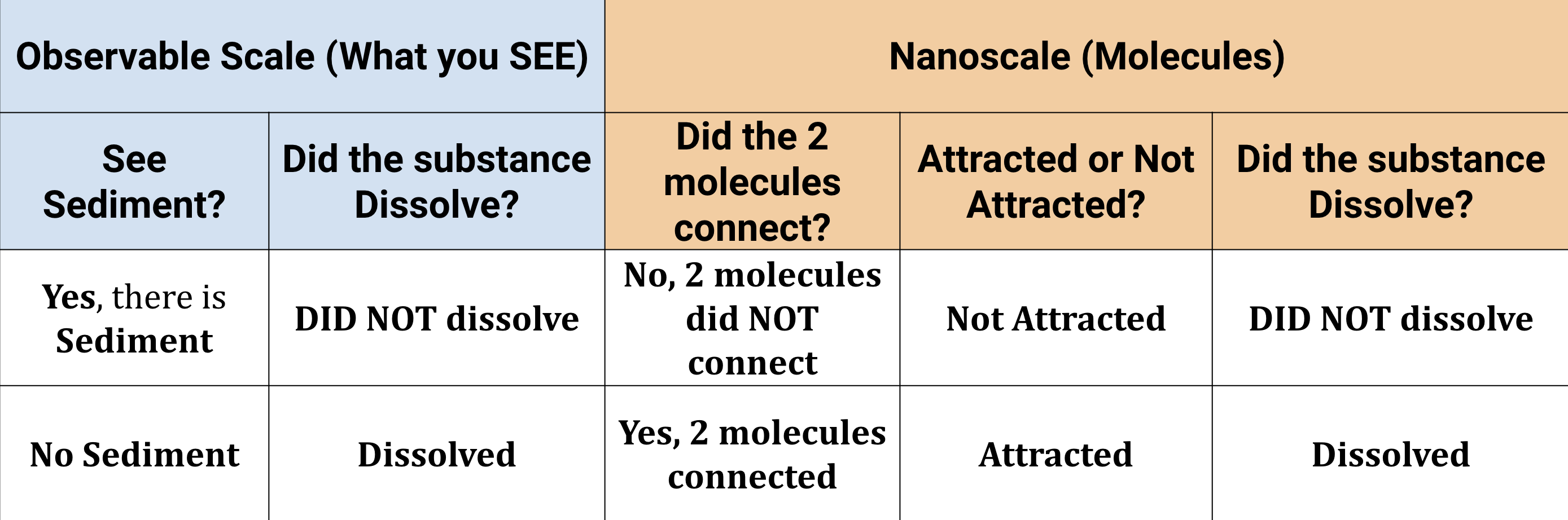
Use this model to answer the following questions.


Observable Scale (What you can SEE) -After mixing substance (solid) with another substance (liquid/water)

-If you SEE sediment, the substance did not dissolve.

-If you DO NOT SEE sediment, the substance dissolved.
0
0
Question 4
4.

Question 5
5.

INVESTIGATION QUESTION

What happens to the molecules of a solid and the molecules of a liquid when you mix them together?

Click the link to get to the Modeling Matter Simulation: https://learning.amplify.com/modelingmatter/
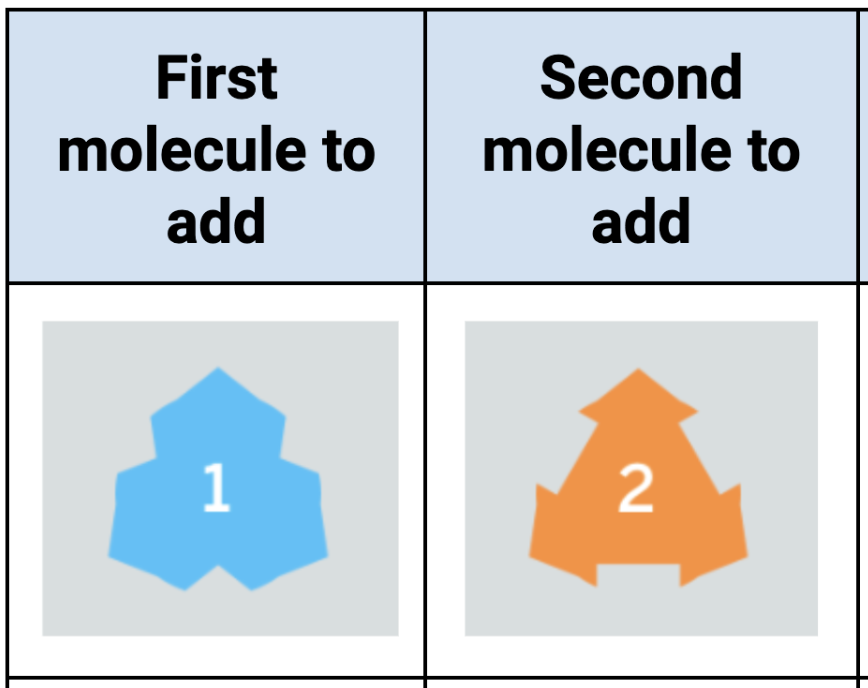
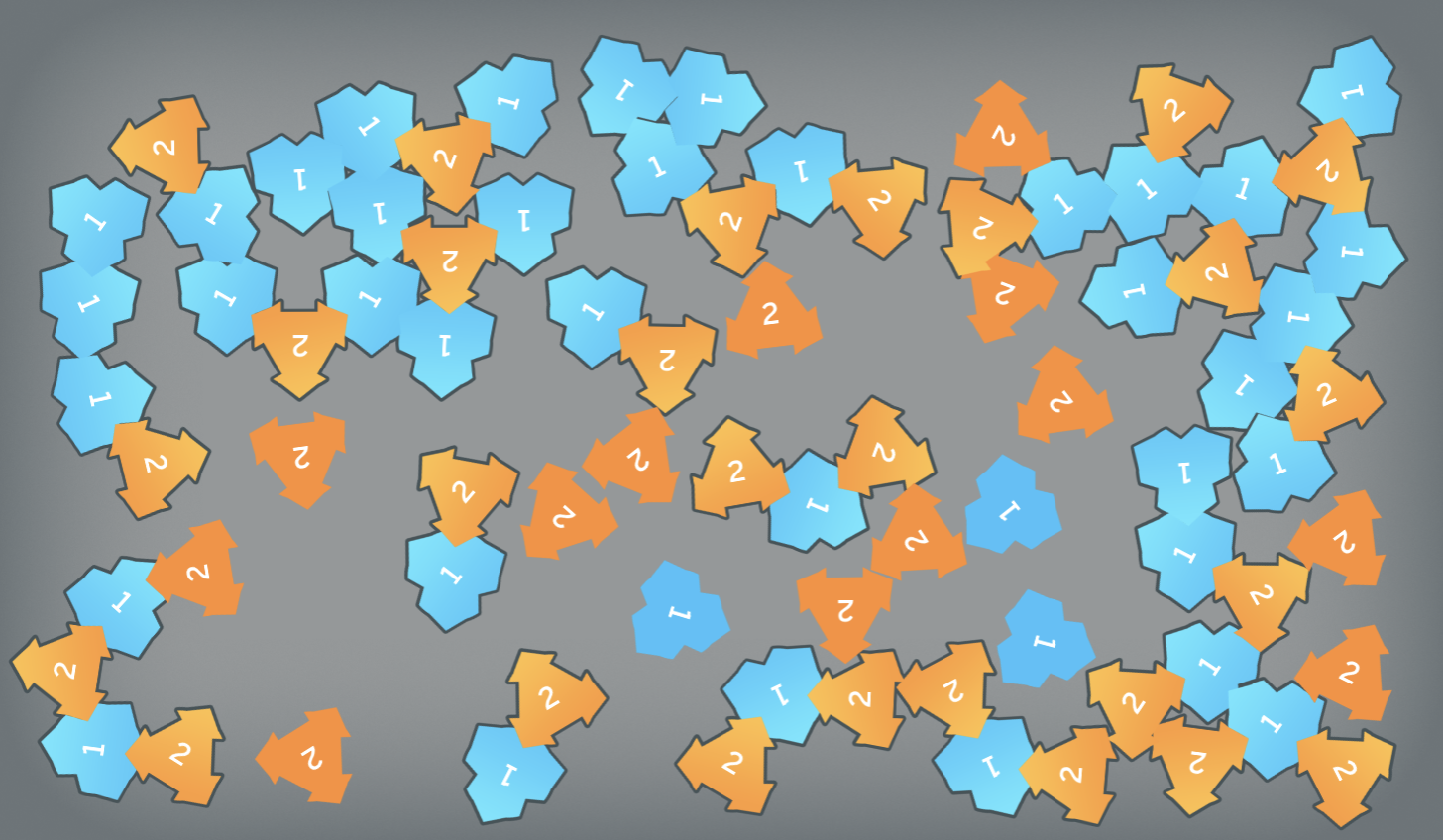
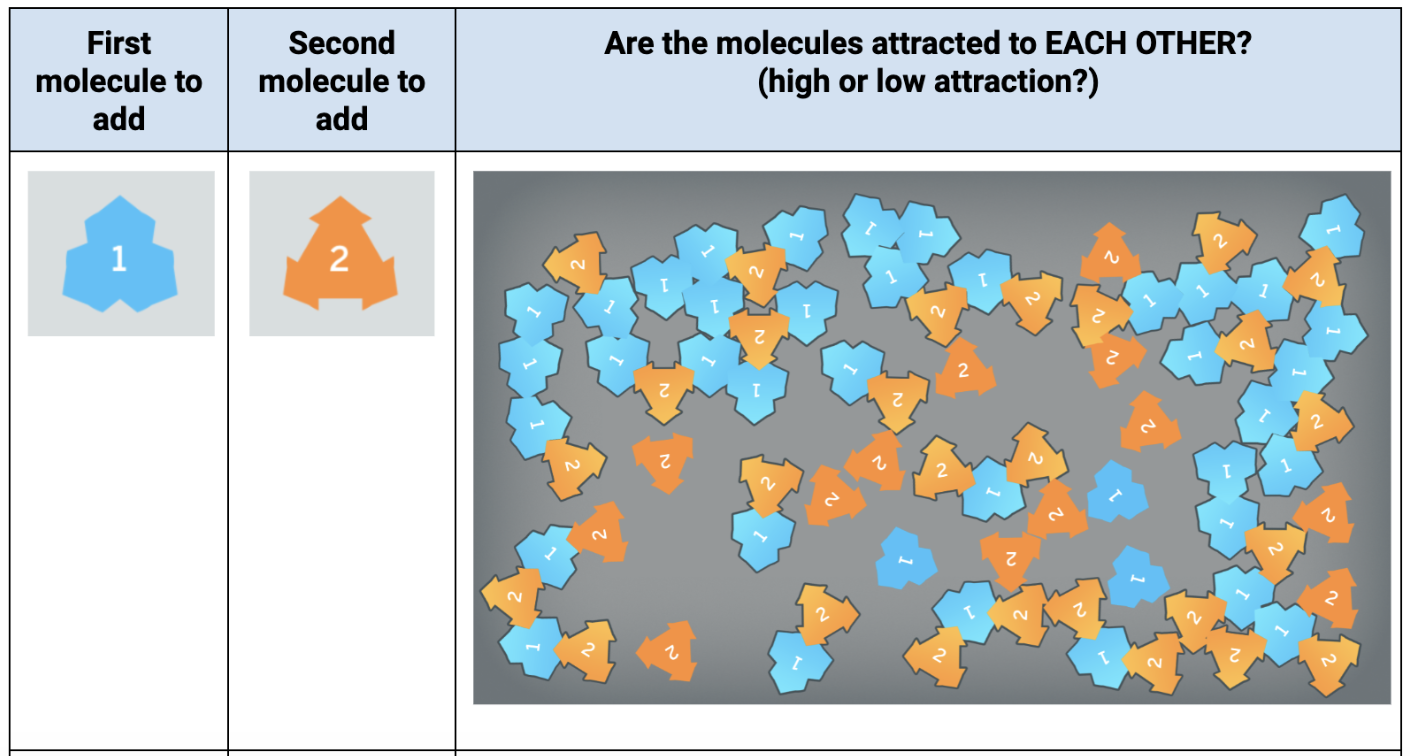
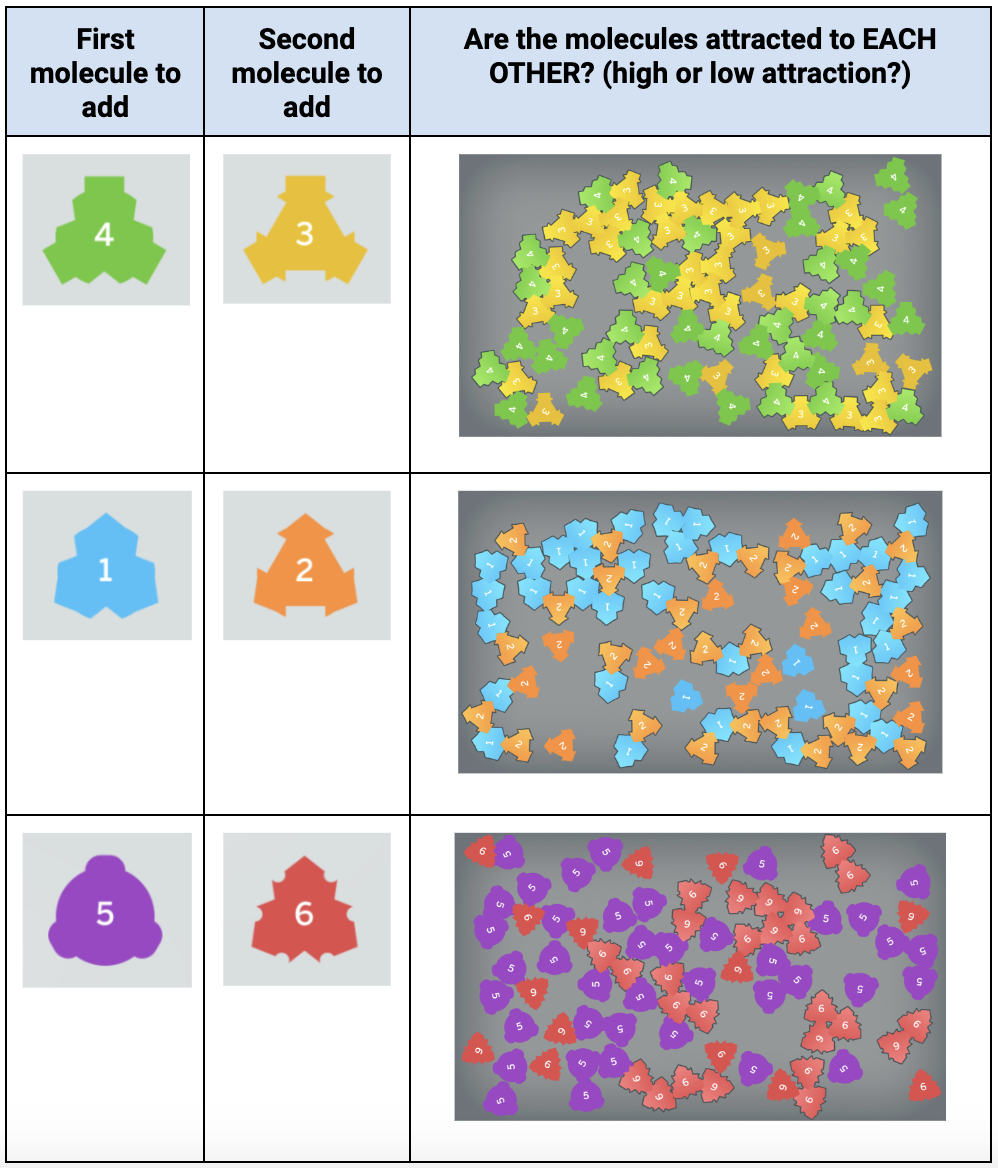
Mix Molecule 1 and Molecule 2 to answer the following questions:
Use this picture to answer the following questions

0
0
0
0
0
0
Click the link to get to the Modeling Matter Simulation: https://learning.amplify.com/modelingmatter/

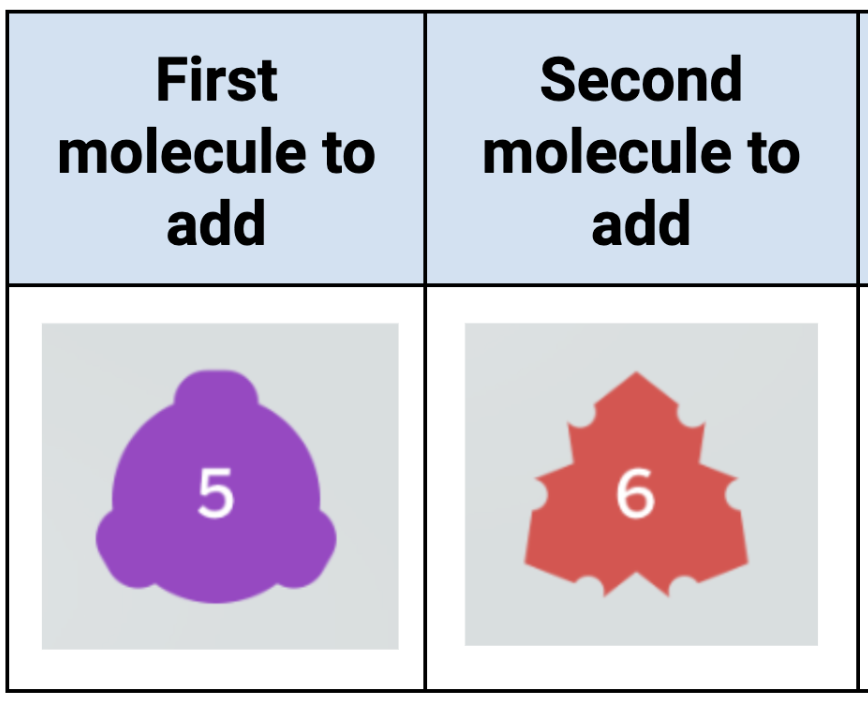
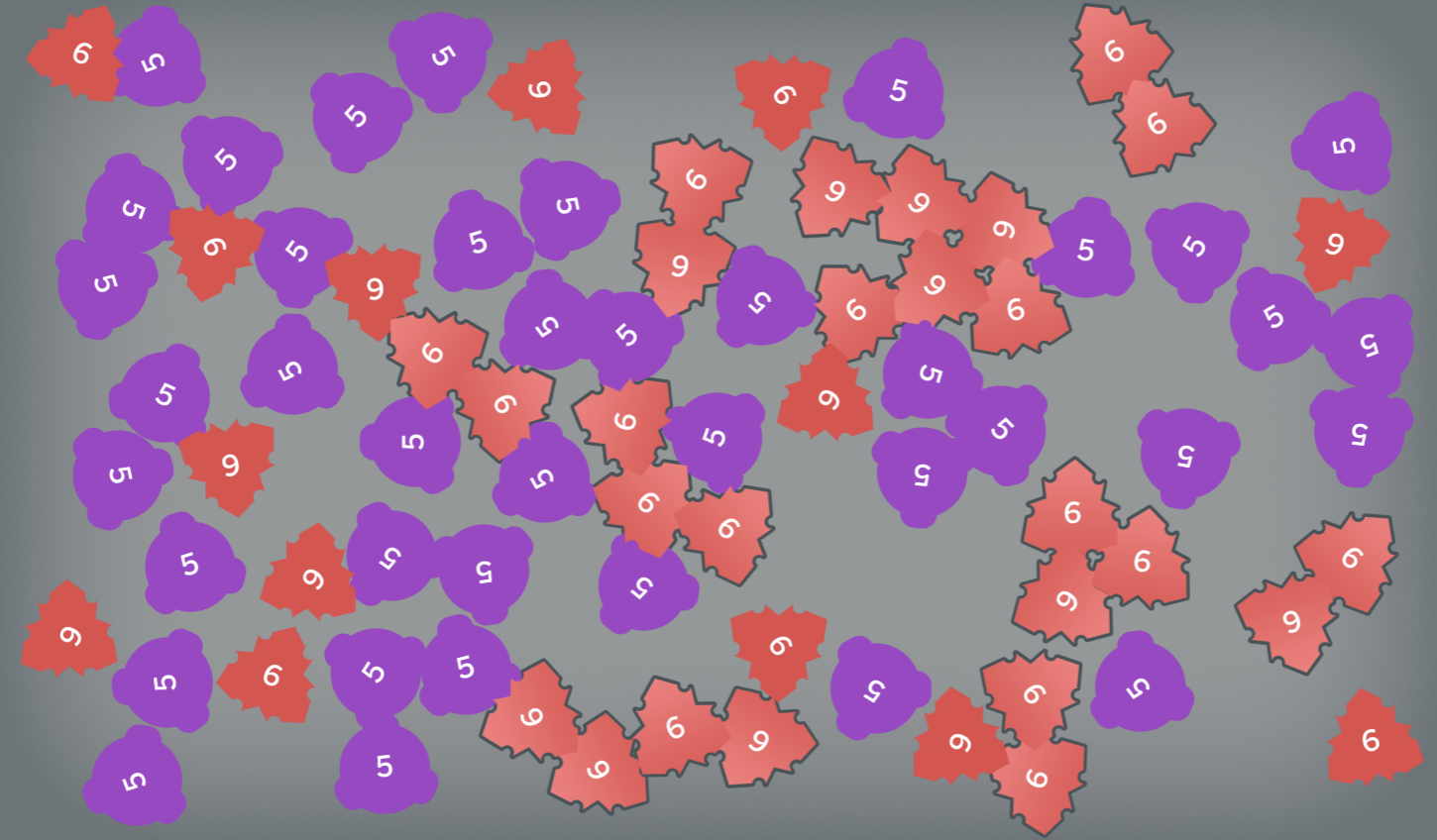
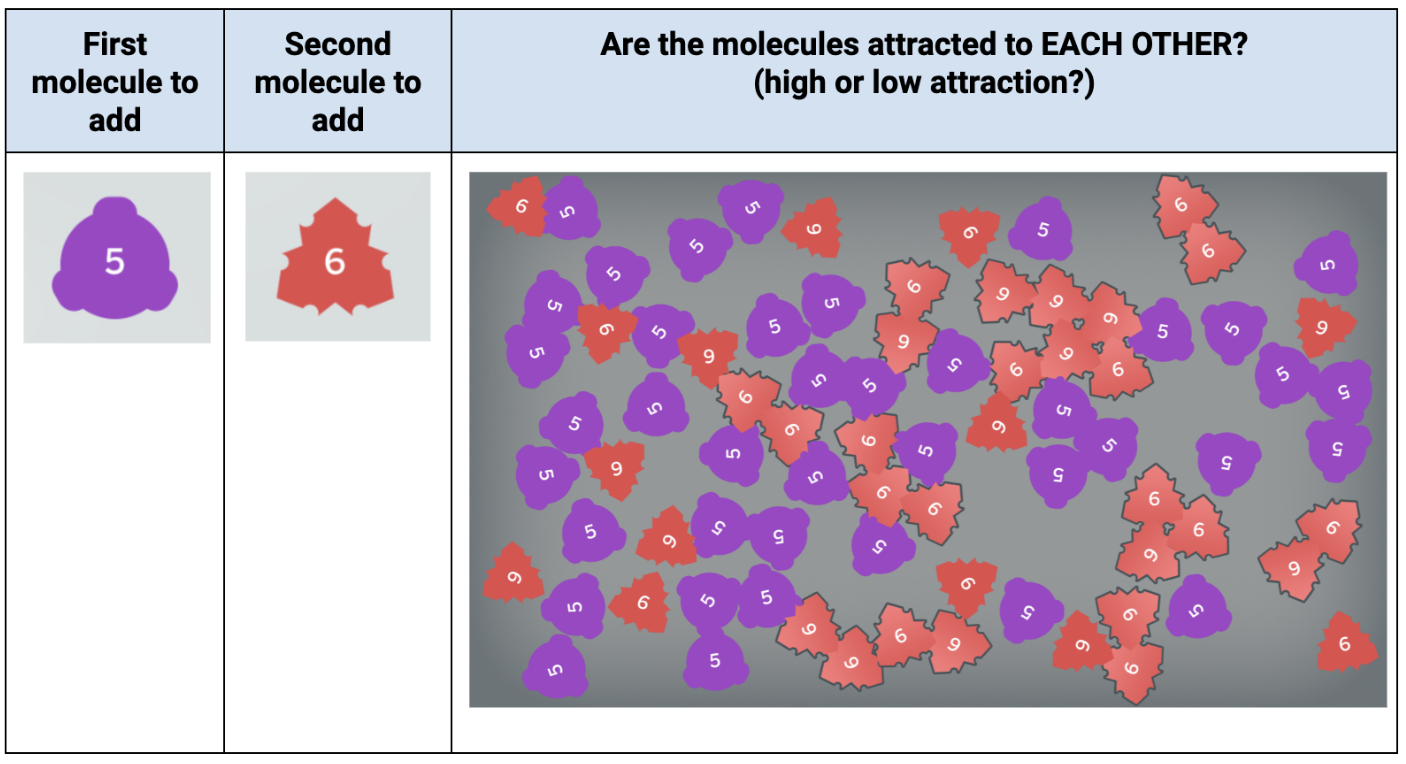
Mix Molecule 5 and Molecule 6 to answer the following questions:

Use this picture to answer the following questions

0
0
0
0
0
0
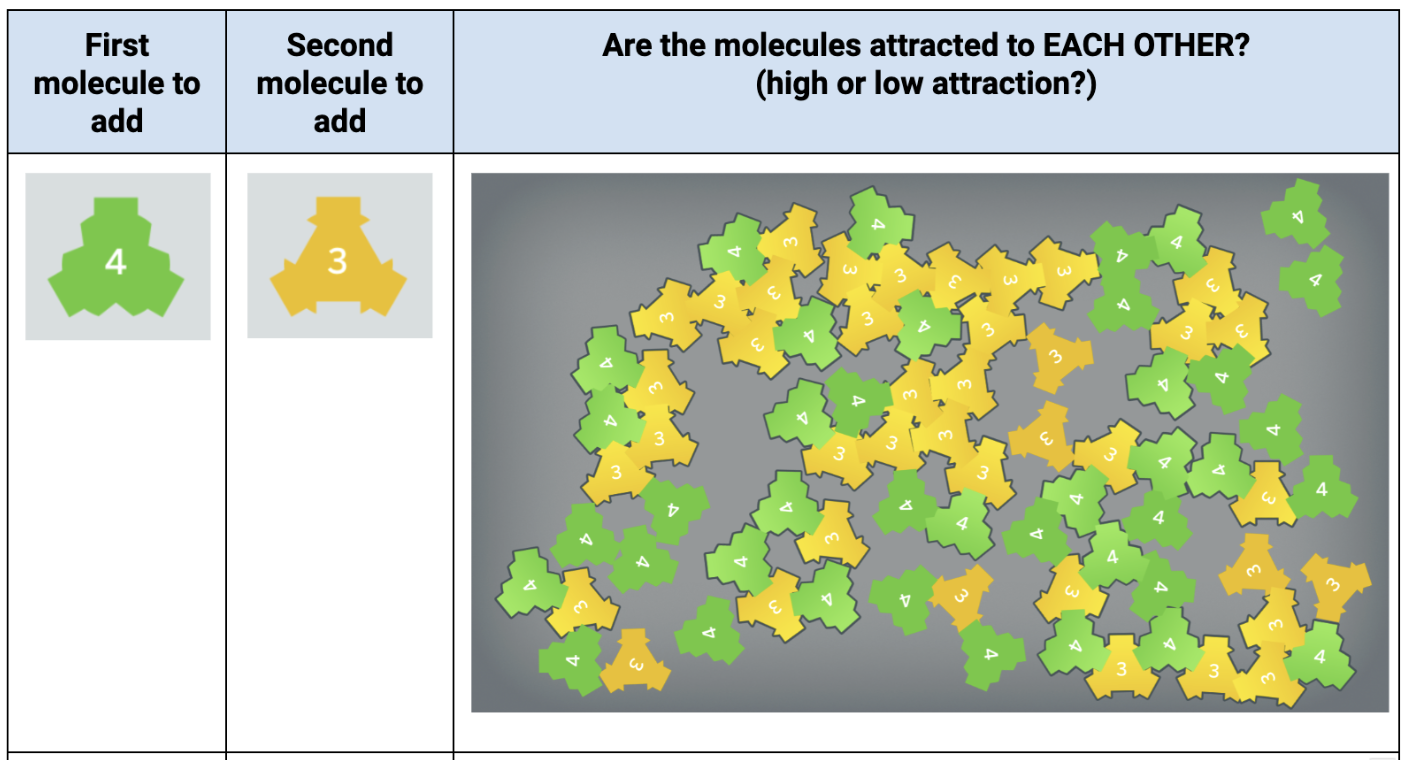
Click the link to get to the Modeling Matter Simulation: https://learning.amplify.com/modelingmatter/

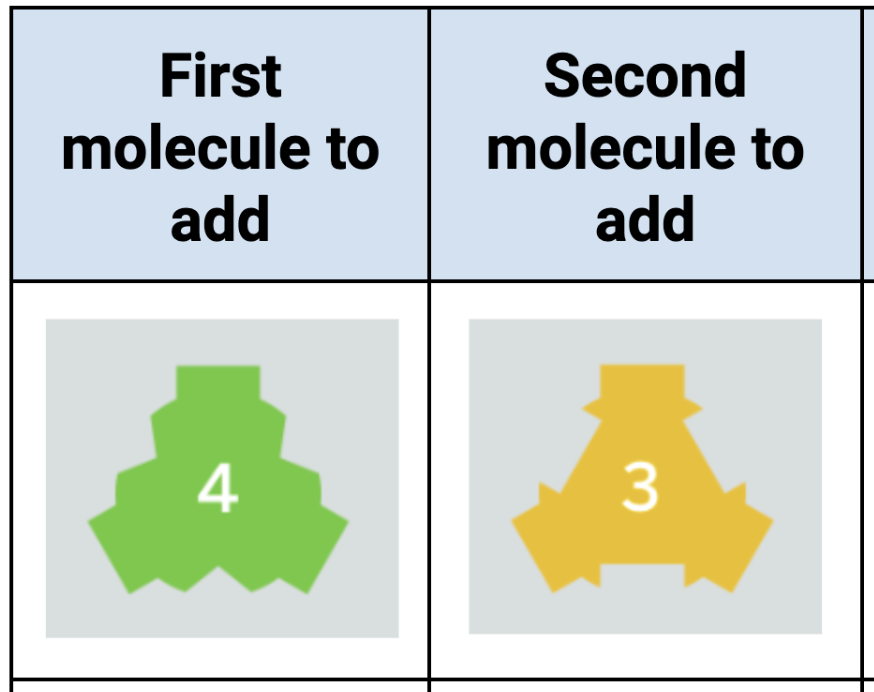
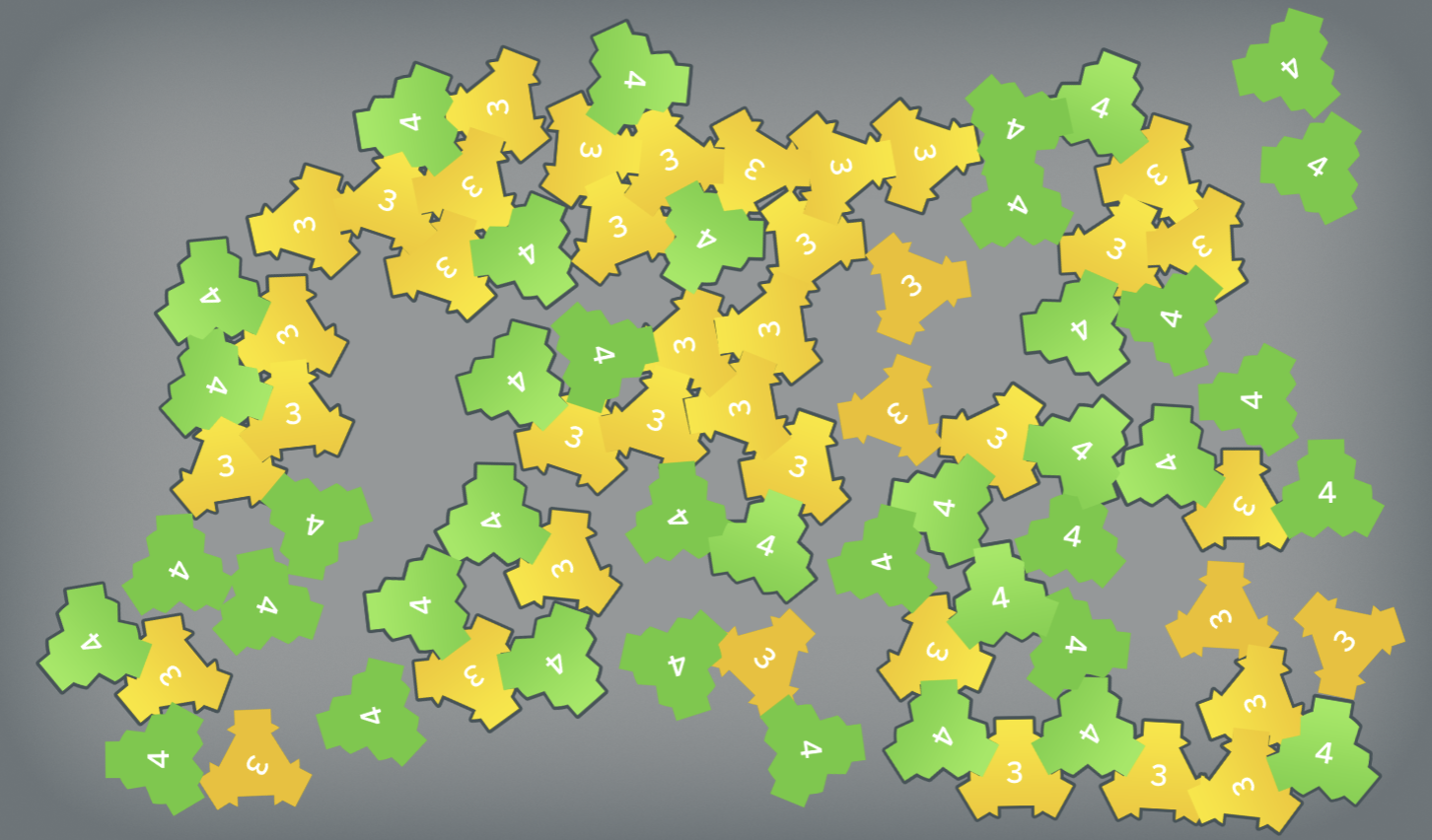
Mix Molecule 4 and Molecule 3 to answer the following questions:

Use this picture to answer the following questions

0
0
0
0
0
0
Dissolving occurs when the molecules of a liquid substance attract molecules of a solid substance. A molecule that DISSOLVES has HIGH ATTRACTION to the other molecule.
1
1
1
Match the vocabulary word on the left with the correct definition on the right
Sediment
to use any of the five senses to gather information about something
Dissolve
what you can observe or measure about something
Observe
to mix evenly into a liquid by breaking apart into pieces that are too small to see
Property
small bits of solid material that settle at the bottom of a liquid.
Question 2
2.

Question 3
3.

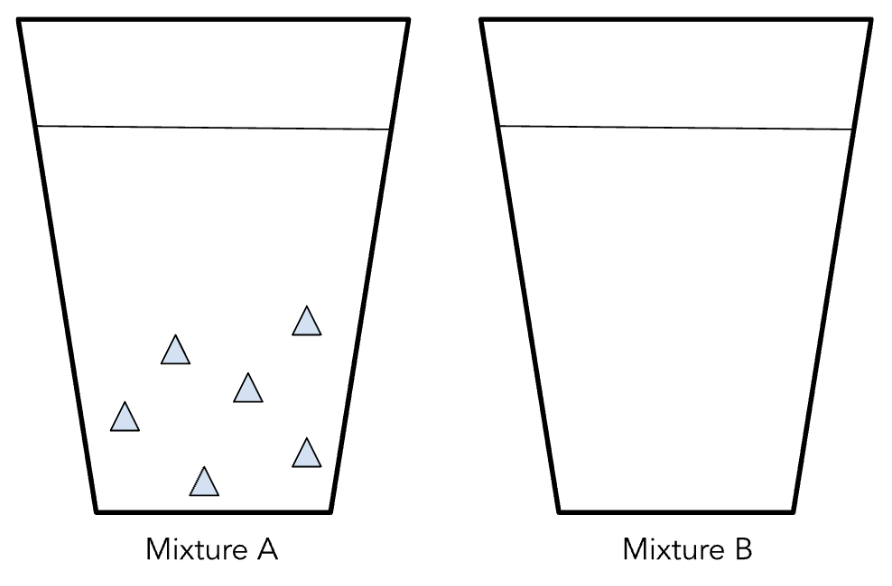
Based on our experiment, what might be the solid substance in Mixture A? Select that apply.
A) Sugar
B) Pepper
C) Citric Acid
D) Cumin
What ingredients mixed into the water without leaving sediment (dissolved)? Select that apply.
A) Sugar
B) Pepper
C) Citric Acid
D) Cumin
Question 6
6.

Question 7
7.

Question 8
8.

Question 9
9.

Question 10
10.

Question 11
11.

Question 12
12.

Question 13
13.

Question 14
14.

Question 15
15.

Question 16
16.

Question 17
17.

Question 18
18.

Question 19
19.

Question 20
20.

Question 21
21.

Question 22
22.

Question 23
23.

Question 24
24.

Question 25
25.

Question 26
26.

Which mixture has sediment?
A) Mixture A
B) Mixture B
Which mixture could represent a mixture of sugar and water?
A) Mixture A
B) Mixture B
Did the two different molecules connect?
A) Yes, the molecules connected
B) No, the molecules did not connect
Are the molecules attracted to EACH OTHER (high or low attraction)?
A) Yes, high attraction
B) No, low attraction
Did the substances dissolve?
A) Yes, the substances dissolved
B) No, the substances did not dissolve
In the simulation, what is being changed (independent variable)?
A. Type of molecule (substance)
B. Amount of molecules being mixed
C. Level of attraction (high or low attraction)
In the simulation, what is being measured (dependent variable)?
A. Type of molecule (substance)
B. Amount of molecules being mixed
C. Level of attraction (high or low attraction)
In the simulation, what is kept the same (controlled variable)?
A. Type of molecule (substance)
B. Amount of molecules being mixed
C. Level of attraction (high or low attraction)
Did the two different molecules connect?
A) Yes, the molecules connected
B) No, the molecules did not connect
Are the molecules attracted to EACH OTHER (high or low attraction)?
A) Yes, high attraction
B) No, low attraction
Did the substances dissolve?
A) Yes, the substances dissolved
B) No, the substances did not dissolve
In the simulation, what is being measured (dependent variable)?
A. Type of molecule (substance)
B. Amount of molecules being mixed
C. Level of attraction (high or low attraction)
In the simulation, what is being changed (independent variable)?
A. Type of molecule (substance)
B. Amount of molecules being mixed
C. Level of attraction (high or low attraction)
In the simulation, what is kept the same (controlled variable)?
A. Type of molecule (substance)
B. Amount of molecules being mixed
C. Level of attraction (high or low attraction)
Did the two different molecules connect?
A) Yes, the molecules connected
B) No, the molecules did not connect
Are the molecules attracted to EACH OTHER (high or low attraction)?
A) Yes, high attraction
B) No, low attraction
Did the substances dissolve?
A) Yes, the substances dissolved
B) No, the substances did not dissolve
In the simulation, what is kept the same (controlled variable)?
A. Type of molecule (substance)
B. Amount of molecules being mixed
C. Level of attraction (high or low attraction)
In the simulation, what is being measured (dependent variable)?
A. Type of molecule (substance)
B. Amount of molecules being mixed
C. Level of attraction (high or low attraction)
In the simulation, what is being changed (independent variable)?
A. Type of molecule (substance)
B. Amount of molecules being mixed
C. Level of attraction (high or low attraction)
In the simulation, what is being changed (independent variable)?
A. Level of attraction (high or low attraction)
B. Type of molecule (substance)
C. Amount of molecules being mixed
In the simulation, what is kept the same (controlled variable)?
A. Level of attraction (high or low attraction)
B. Type of molecule (substance)
C. Amount of molecules being mixed
In the simulation, what is being measured (dependent variable)?
A. Level of attraction (high or low attraction)
B. Type of molecule (substance)
C. Amount of molecules being mixed