Period 3, Day 1 Classwork: John Locke & the European Enlightenment

Last updated over 1 year ago
16 questions
Note from the author:
Content Objective: I will be able to make connections between Locke’s political theory, the American Revolution, and slavery.
Standard Objective: I will be able to determine explicit relationships between events and implicit relationships between ideas.

Absent? Just want to check out the notes? Click here for the slides!
Content Objective: I will be able to make connections between Locke’s political theory, the American Revolution, and slavery.
Standard Objective: I will be able to determine explicit relationships between events and implicit relationships between ideas.

Absent? Just want to check out the notes? Click here for the slides!

Building Knowledge Together: Let's make sure everyone is on the same page! Follow along in your guided notes.

1
The Age of _______ was a period of time during the 18th century (1700s) in Europe where political, scientific, social, and philosophical ideas flourished and underwent radical change. Enlightenment thinkers _______ traditional hierarchical structures and authority; they argued that humans could _______ society through rational thinking.
Required
1

All of the following are components of John Locke’s theory of politics EXCEPT

1
Like John Locke, most Enlightenment thinkers believed that all humans are entitled to certain basic rights that they called _______ _______ . In time, these ideas spread and shaped the way ordinary people viewed the world. Some began to say that if societies are human inventions, rather than ordained by God, then _______ have the right to alter or even _______ an oppressive government with one more to their liking.

But the emphasis on human equality presented Enlightenment leaders with a dilemma. Historian Ira Berlin explains:

“After the Declaration of the Rights of Man [and] the Declaration of Independence, the presumption is that all men are created equal. Equality is the point. And what then has to be explained for the very first time in world history is inequality, and why inequality exists. In other words, if all men are created equal, why are some men and women still slaves?”
1
Although the great thinkers of the Enlightenment stressed the _______ of humankind, the belief that humanity is divided into separate and unequal races continued to develop during those same years. Less than ten years after writing the Declaration of Independence, Thomas _______ , a slaveholder himself, wrote:

“I advance it . . . as a suspicion only, that the blacks, whether originally a distinct race, or made distinct by time and circumstances, are inferior to the whites in the endowments both of body and mind . . . This unfortunate difference of colour, and perhaps of faculty, is a powerful obstacle to the emancipation of these people.”
1

Based on the passage, with which claim about slavery would Jefferson most likely agree?

That's all for classwork on Monday, 10/3/2022. Please complete your homework: Period 2.6 EdPuzzle - Period 2.1 SAQ Breakdown (link in Google Classroom).

Warm Up: Please answer the following questions based on your personal experience and moral values.

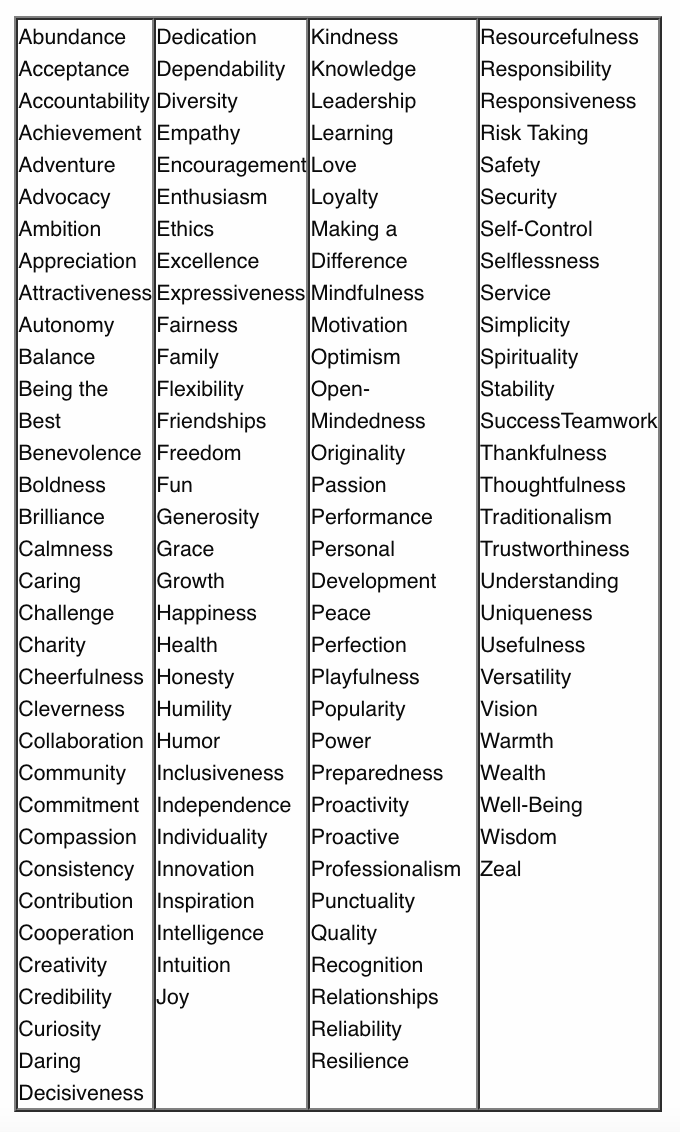
Step One: Determine Your Core Values

  • Do not overthink your selection.
  • As you read through the list, simply write down the words that feel like a core value to you personally.
  • If you think of a value you possess that is not on the list, write it down.
0

From the list below, choose and write down every core value that resonates with you. 

0

Step Two: Group all similar values together into categories (max. 5 categories).

  • Group the values in a way that makes sense to you. There are no right or wrong answers.
  • If you have more than five groupings, drop the least important grouping(s).

Step Three: Choose one word within each grouping that best represents the label for the entire group. Write that word in the top row [light red].

  • Do not overthink these labels.
  • There are no right or wrong answers.
  • You are defining the answer that is right for you.

1

In what ways do you think the government does or does not let you live out these values?

Applying Knowledge: Great job taking notes! Now, we will take a look at one historian’s view on John Locke. Yesterday, we left off with the question:

If all men are created equal, why are some men and women still slaves?”

1
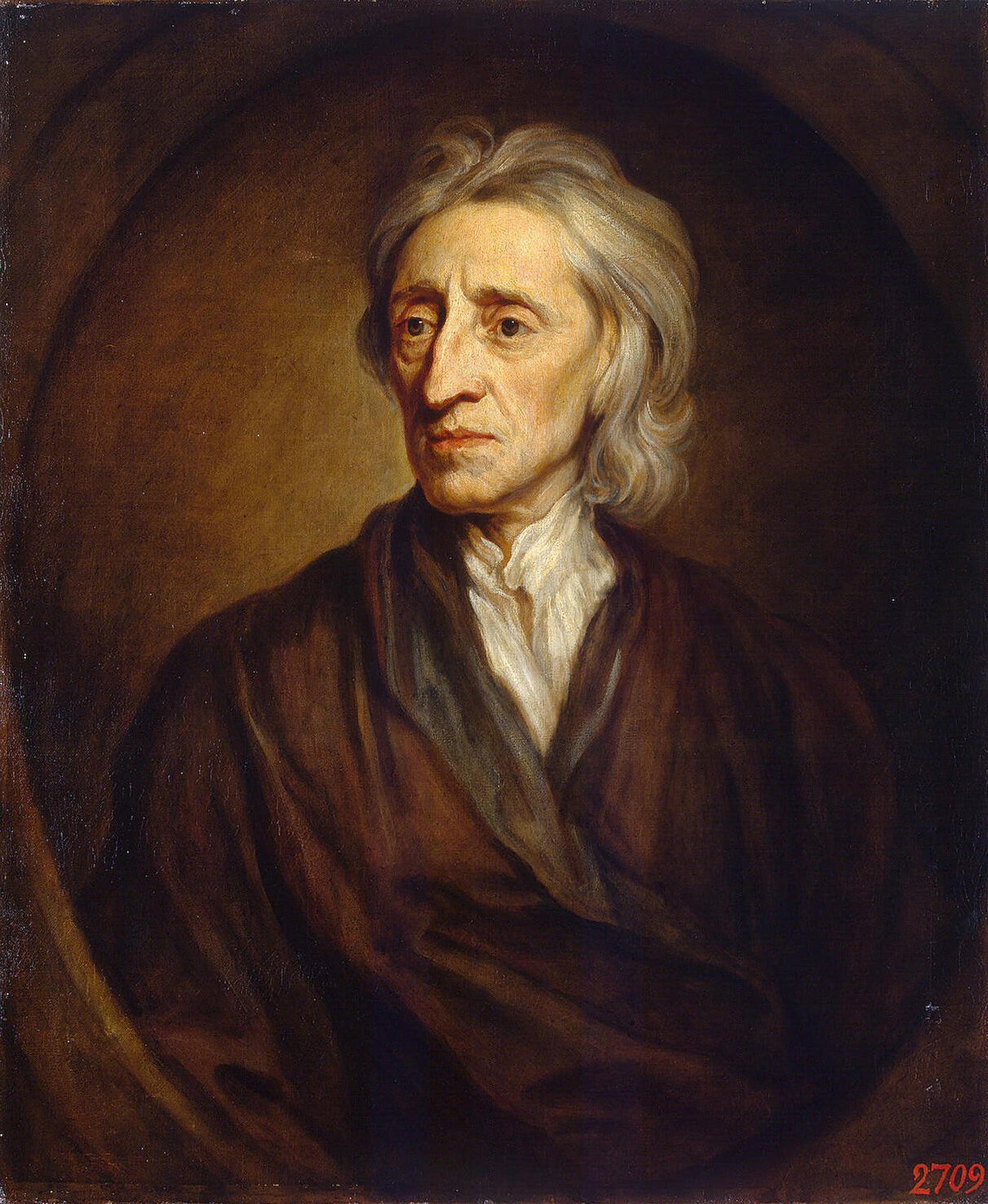
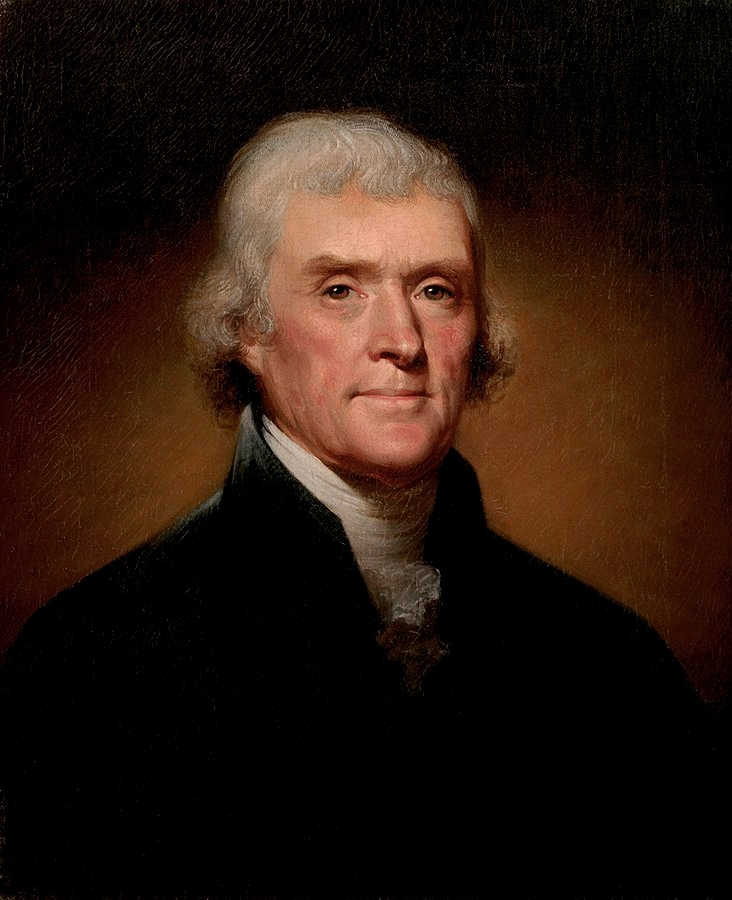
Historical Context: In order to answer this question, we need to learn about John Locke (1632-1704). Pictured on the left, his writings laid much of the groundwork for the European Enlightenment, which would provide the political _______ for the _______ Revolution. His political theory of government by the consent of the governed as a means to protect the three natural rights of “_______ , _______ and _______ ” deeply influenced the United States’ founding documents, such as the Declaration of Independence.
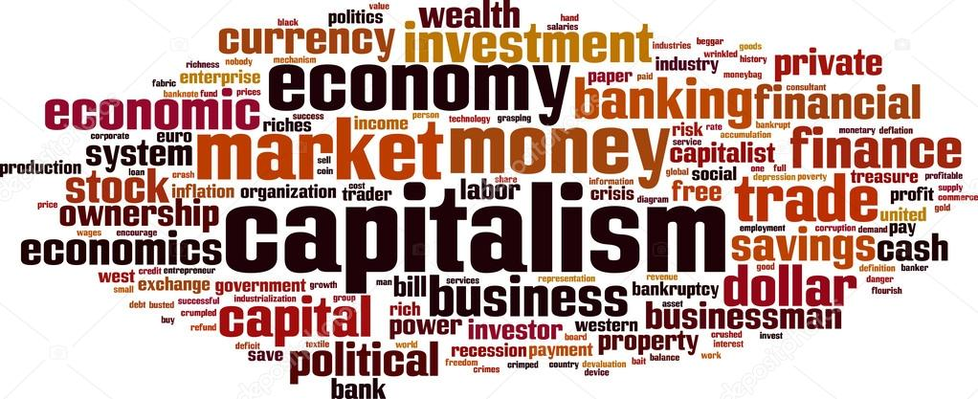
Note: Capitalism is a way of organizing an economy so that the things that are used to make and transport products (such as land, oil, factories, ships, etc.) are owned by individual people and companies rather than by the government.
1

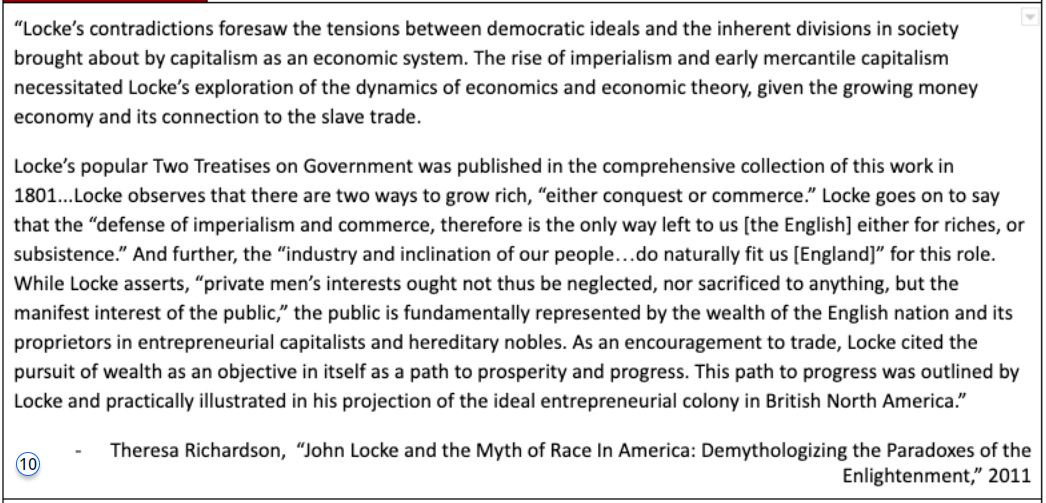
Read Source Information: Determine whether you are reading a primary or secondary source.

Under "Show Your Work," make a prediction about what the author will say based on your prior knowledge of this time period.

1

As used in line 1, “contradictions” most nearly means

1

According to Richardson, the relationship between Capitalism and Democracy?

1

As used in line 6 and 7, “commerce” most nearly means

1

Exit Ticket: John Locke is another "John" to add to recall in APUSH because he...

1

Exit Ticket: While Locke is known for his belief that all humans were born with certain natural rights that the government should protect, Richardson argues that

0

Please evaluate how well you understood today’s lesson on a scale from 1 to 4: