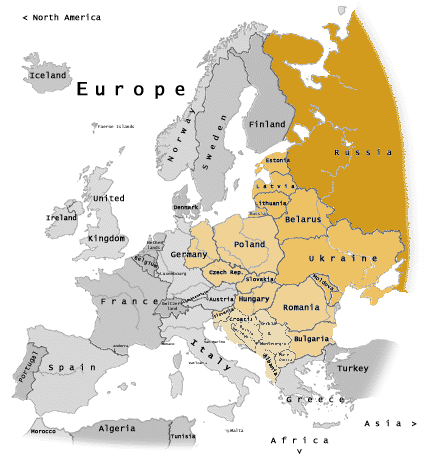
Ɛhia
1
From
Content Objective: I will be able to identify the push and pull factors of Irish and German immigration in the mid-1800s.
Standard Objective: I will be able to identify explicitly stated relationships or determine implicit relationships between and among individuals, events, or ideas.
Absent? Just want to review the notes? Click here for the slides.
Content Objective: I will be able to identify the push and pull factors of Irish and German immigration in the mid-1800s.
Standard Objective: I will be able to identify explicitly stated relationships or determine implicit relationships between and among individuals, events, or ideas.
Absent? Just want to review the notes? Click here for the slides.
Immigrants bring crime and violence to our cities.
Immigrants are uneducated.
Immigrants are a drain on the American economy.
Immigrants don’t try to learn English.
All immigrants are escaping war and poverty.
It’s not that hard to immigrate to the U.S. legally.
Immigrants bring innovation to the U.S.
Immigrants have to work harder to be successful in the U.S.
How was your Thanksgiving Break? 🙃 Any thoughts or feelings about the above statements?
Post-Viewing: After we watch the video, please capture any key thoughts or takeaways. Be prepared to share!
From
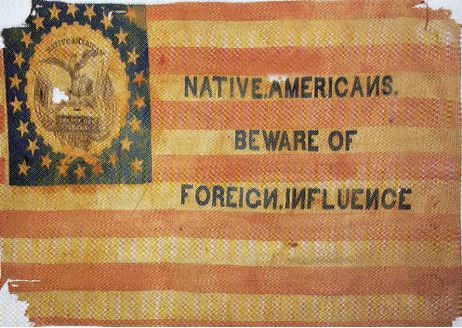
This era is also known for the rise of
Applying Knowledge: Well done! Let’s now apply the new knowledge and vocabulary that we just learned to today’s topic.
“A lot of people come over here who were well off in Germany but were enticed to leave their fatherland by boastful and imprudent letters from their friends or children and thought they could become rich in America. This deceives a lot of people since what can they do here? If they stay in the city they can only earn their bread at hard and unaccustomed labor. If they want to live in the country and don’t have enough money to buy a piece of land that is cleared and has a house then they have to settle in the wild bush and have to work very hard to clear the trees out of the way so they can sow and plant. But people who are healthy, strong, and hardworking do pretty well.”
- German immigrant living in Cincinnati, Ohio, Letter to German Relatives, 1847

Warm Up: Please rate how well you understood last night's pre-work on a scale from 1 to 4. If you have any questions, drop them in the "Show Your Work" area.
Warm Up: Imagine that you moved to a new country halfway across the world. What challenges might you encounter in your efforts to start a brand new life?
Warm Up: One interesting historical fact I learned from the pre-work is…
Compare and contrast the German and Irish immigrant experience in the mid-1800s.
Your response should complete the table under "Show Your Work" by paraphrasing key details from the text.
What were the push factors that caused the Irish to immigrate to the U.S. in the 1800s? [Check all that apply]
What were the push factors that caused the Germans to immigrate to the U.S. in the 1800s? [Check all that apply]
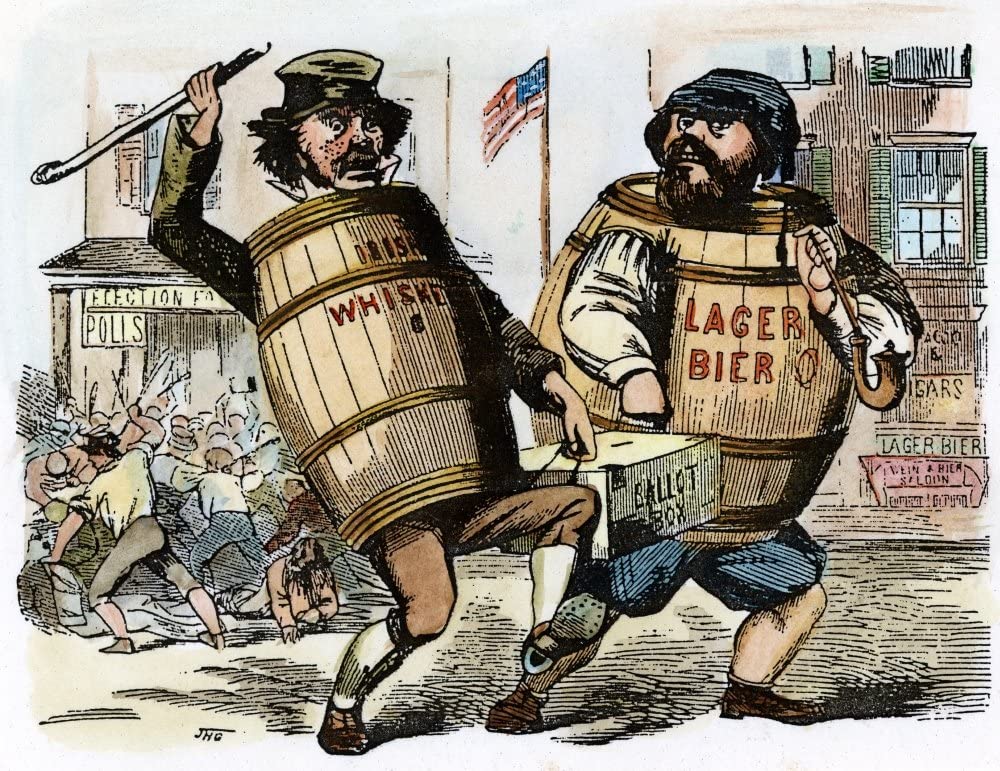
Sourcing: Unlike wealthier German immigrants who could afford to buy property in the Midwest, Irish immigrants fled the potato famine of the 1840s and could only afford to settle in
What do you notice about the artist’s depiction of Irish and German immigrants?
Which choice best reflects the perspective of the artist regarding German and Irish immigrants?
Exit Ticket: In what ways have nativist attitudes towards immigrants persisted in American society today?
Exit Ticket: Please evaluate how well you understood today’s lesson on a scale from 1 to 4:
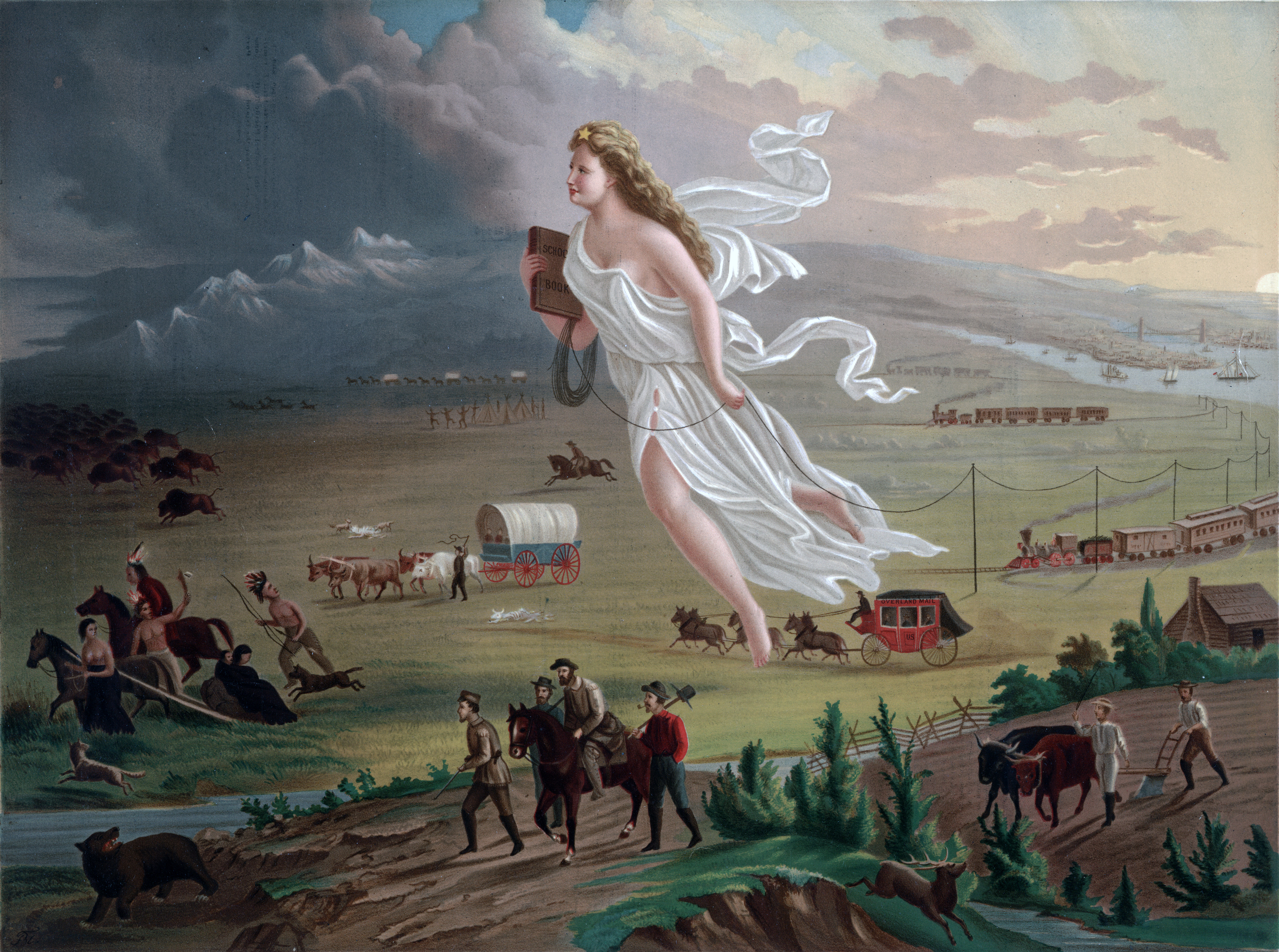
Bonus: Recall John Gast's American Progress painting. Are German or Irish immigrants pictured?
Explain how you know under "Show Your Work."
The
Key factors that contributed to this economic shift were advancements in
According to the excerpt above, what are the pull factors that led to German immigration to the U.S. in the 1800s?
Under "Show Your Work," identify the text evidence that helped you determine this answer.
According to the author, the new life in America
Under "Show Your Work," identify text evidence that best describes the immigrant experience.