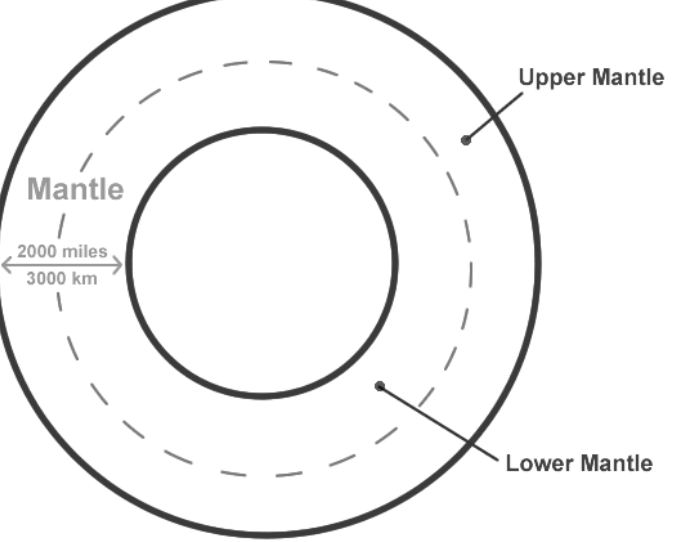
Where is the temperature in the Mantle the greatest?
Where is the temperature in the Mantle the greatest?
Why do the oceanic and continental crust not fall into the Mantle?
Check all boxes that complete the statement.
Oceanic crust is...
Check all boxes that complete the statement.
Continental crust is...
Where is the temperature in the Mantle the greatest?
How do you know the answer you put for #4 is correct?
Describe or demonstrate how the convection currents in the Mantle work.
Click and drag the correct plate name to its location on the world map.

Click and drag each item to the corresponding category. (Items may be used more than once or not be used at all.)
San Andreas Fault
creation of new crust
ground above caves in
East Africa Rift
Mount St. Helens
Mid-Atlantic Ridge
plates moving in opposite directions
lift and rip the crust
Oceanic Divergent
Continental Divergent
Transform
Describe how a 'Strike-Slip Fault' is different from a 'Transform Fault'.
What is the name of the process of one tectonic plate going under another?
Oceanic Crust and Continental Crust converge.
Which goes under, and why?
Why does the top of the continental crust deform and fracture in a subduction zone?
The crust melting from the subducting plate causes magma to 'float up' to the surface and create volcanoes.
What is the driving force behind the movement of the tectonic plates?
When oceanic and oceanic plates converge, the plate tends to subduct because it is often the one with the density.
Check off anything that makes the following statement true.
When continental and continental plates converge ...
Match the given items to their correct categories. (Items may be used more than once or not be used at all.)
Mount St. Helens
no subduction zone created
subduction zone created
Himalayan Mountains
Aleutian Islands
Mid-Atlantic Ridge
Continental and Contiental
Contiental and Oceanic
Oceanic and Oceanic