B4 - Sexual Reproduction in Plants

Last updated 11 months ago
27 questions
Note from the author:
Information for this formative was gathered from:
https://letstalkscience.ca/educational-resources/backgrounders/plant-reproduction#:~:text=Flowering%20plants%20reproduce%20sexually%20through,Pollen%20contains%20the%20male%20gametes.
Information for this formative was gathered from:
https://letstalkscience.ca/educational-resources/backgrounders/plant-reproduction#:~:text=Flowering%20plants%20reproduce%20sexually%20through,Pollen%20contains%20the%20male%20gametes.
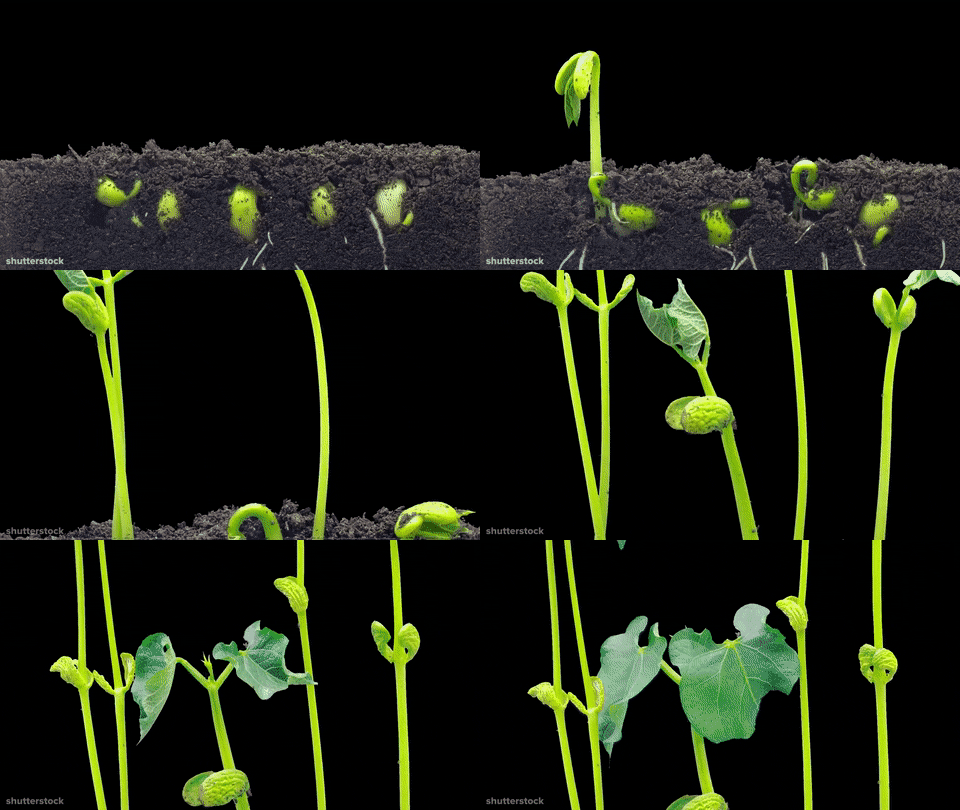
Plants are living organisms. That means they need to reproduce in order to pass on their genes to future generations.

Plants can create offspring through either sexual or asexual reproduction.
1
1

What are the two ways that plants can create offspring?
Sexual Reproduction

Sexual reproduction requires genetic material (DNA) from two parents. The parent plants have male and female sex cells, called gametes. The genetic material from the male and female gametes combines to produce offspring. We call this process fertilization. The product of sexual reproduction are seeds.

Seeds produced through fertilization contain genetic material from both parents. As a result, the offspring are not genetically identical to either of the parent plants. This genetic diversity can help them survive if the environment changes.
1
1
Sexual reproduction requires __________.
1
1
Male and female sex cells are called__________. When genetic material from the male combines with the female it is called __________. The product of sexual reproduction in plants are called __________
1

Seeds contain genetic material from only one parent always

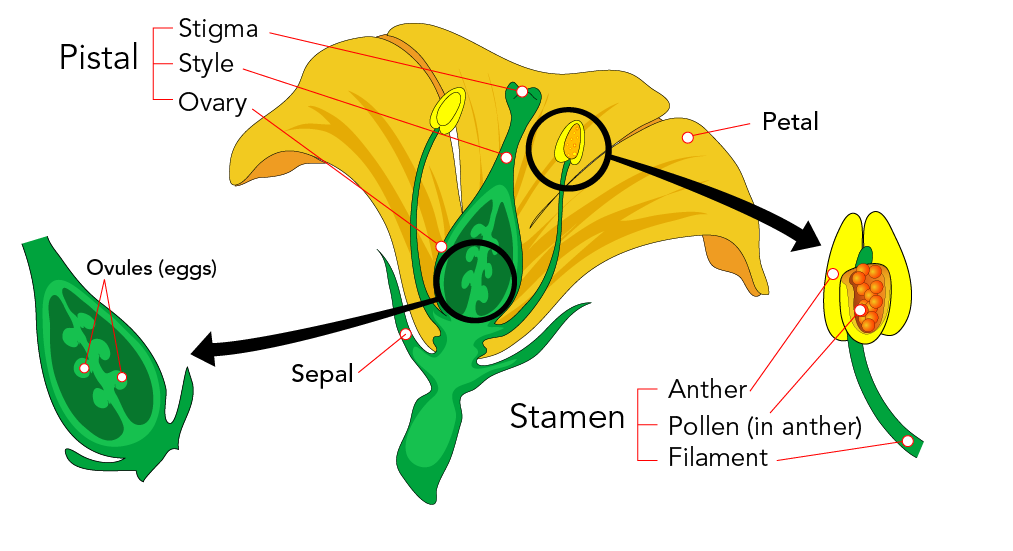
Flowering plants reproduce sexually through a process called pollination. Flowers contain male sex organs called stamens and female sex organs called pistils.

The anther is the part of the stamen that contains pollen. Pollen contains the male gametes. Pollen must be moved to a part of the pistil called the stigma for reproduction to take place.

Shown is a colour diagram of the reproductive parts of a flower.
1
1

Flowering plants reproduce sexually through...

1
Male sex organs are called __________.

Female sex organs are called __________
1
1
Pollen mist be moved to the females ___________
Other Answer Choices:
cruttle
pup
stem
boot
stigma
root
1

Label the diagram

Word bank:
anther
stigma
ovary
ovule
pollen
petal
filament
style
sepal

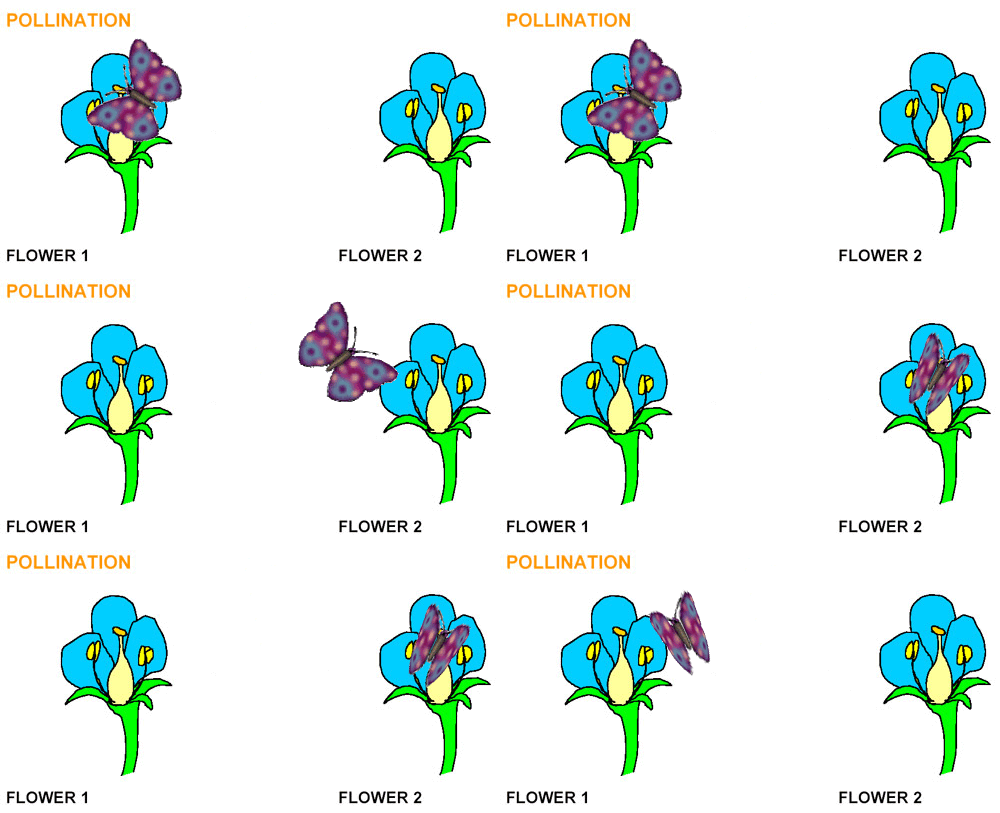
Sometimes plants pollinate themselves. Other times plants pollinate other plants.

Self-pollination happens when a plant’s own pollen fertilizes its own ovules. Cross-pollination happens when the wind or animals move pollen from one plant to another.

The advantage of cross-pollination is that it helps keep a species genetically diverse. Genetic diversity comes in handy when conditions change and organisms need to adapt to the change. Some plants have features that actually prevent self-pollination. This includes things such as pollen and ovules that develop at different times.
1
1

When a plant pollinates it's own ovule this is called "___________".

1
When wind or animals move pollen from one plant to another this is called ______________________
Other Answer Choices:
disection
multi-pollination
inception
inflicition
self-pollination
cross-pollination
cruding
1
1

Explain how cross-pollination helps a species of plant. Be descriptive!!!

1
1
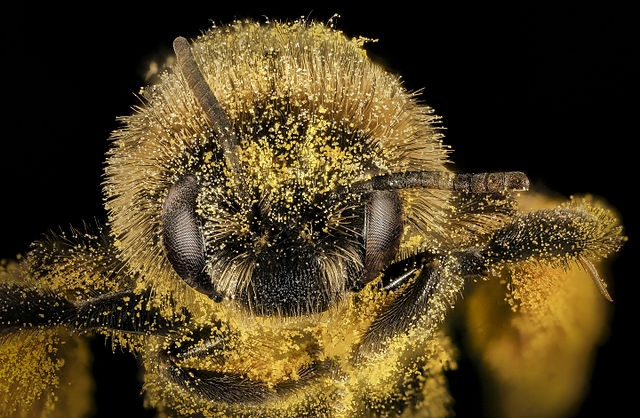
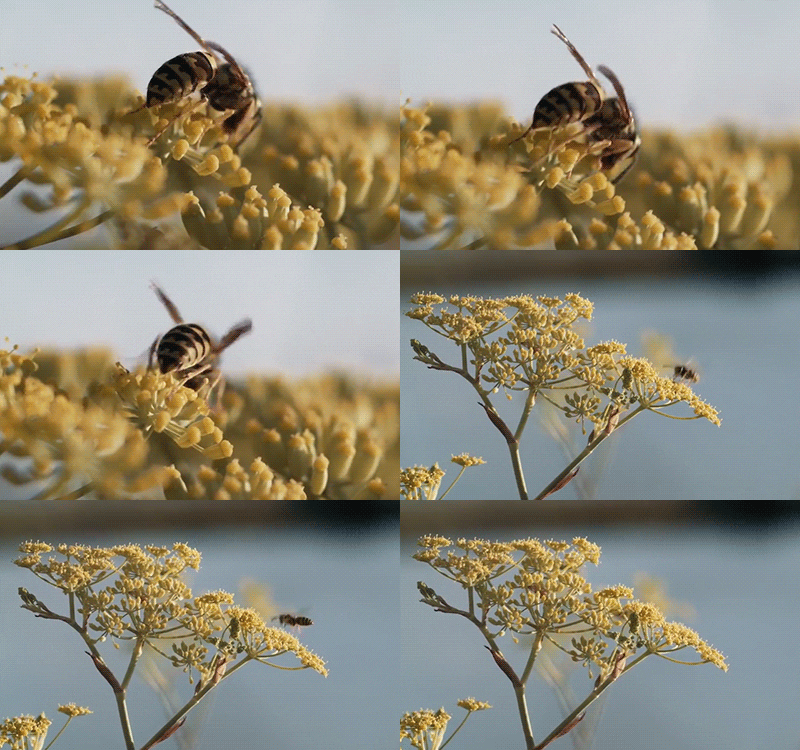
Pollinators are animals that carry pollen between plants. Many pollinators are insects, like bees, butterflies, moths and beetles. Some birds, including hummingbirds, also play a part. Likewise, certain mammals, like bats and rodents, move pollen between plants. The colours and smells of flowers often attract pollinators. Pollen will stick to a pollinator’s body as it feeds on the flower’s nectar.
1
1

A) What are pollinators?
B) Why are they important to plants?
C) What do pollinators depend on plants for?

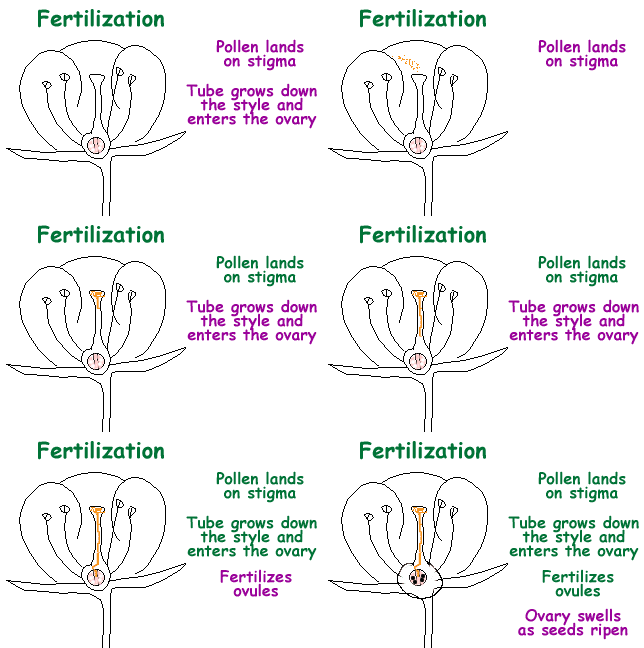
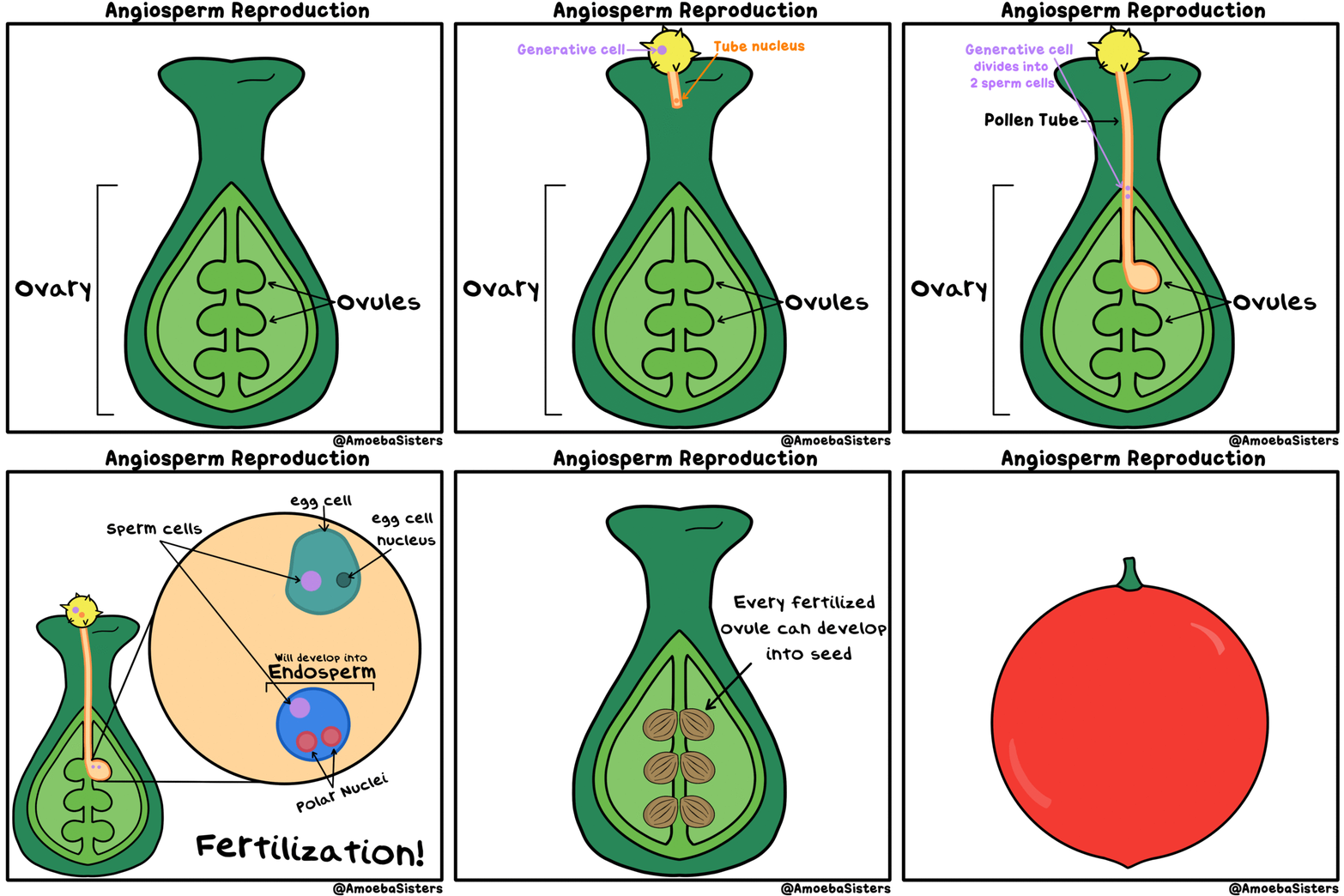
Fertilization is the next step after pollination. During fertilization, the male gametes from the pollen join with the female gametes in the egg. The egg, or eggs, are found inside the stigma. The scientific word for an egg is an ovule.

Fertilization creates fruit that contain seeds. Some fruits are fleshy, like oranges and watermelons. Others are dry, like acorns or walnuts. Fruits are an attractive food for various animals. After eating fruit, animals expel waste that contains seeds. This way, seeds can take root and grow in places far from the plants that produced them!

1
1

What is the scientific word for a plant egg?

1

List some example of

Fleshy fruit:
*
*
*

Dry fruit:
*
*
*

1

Match the following

Requires DNA from 2 parents
Does not require 2 parents
Sexual reproduction
Asexual reproduction
5

Create an infographic that shows the step by step process of Fertilization of a plant!!!