Mmuae Afoforo a Wobɛpaw:
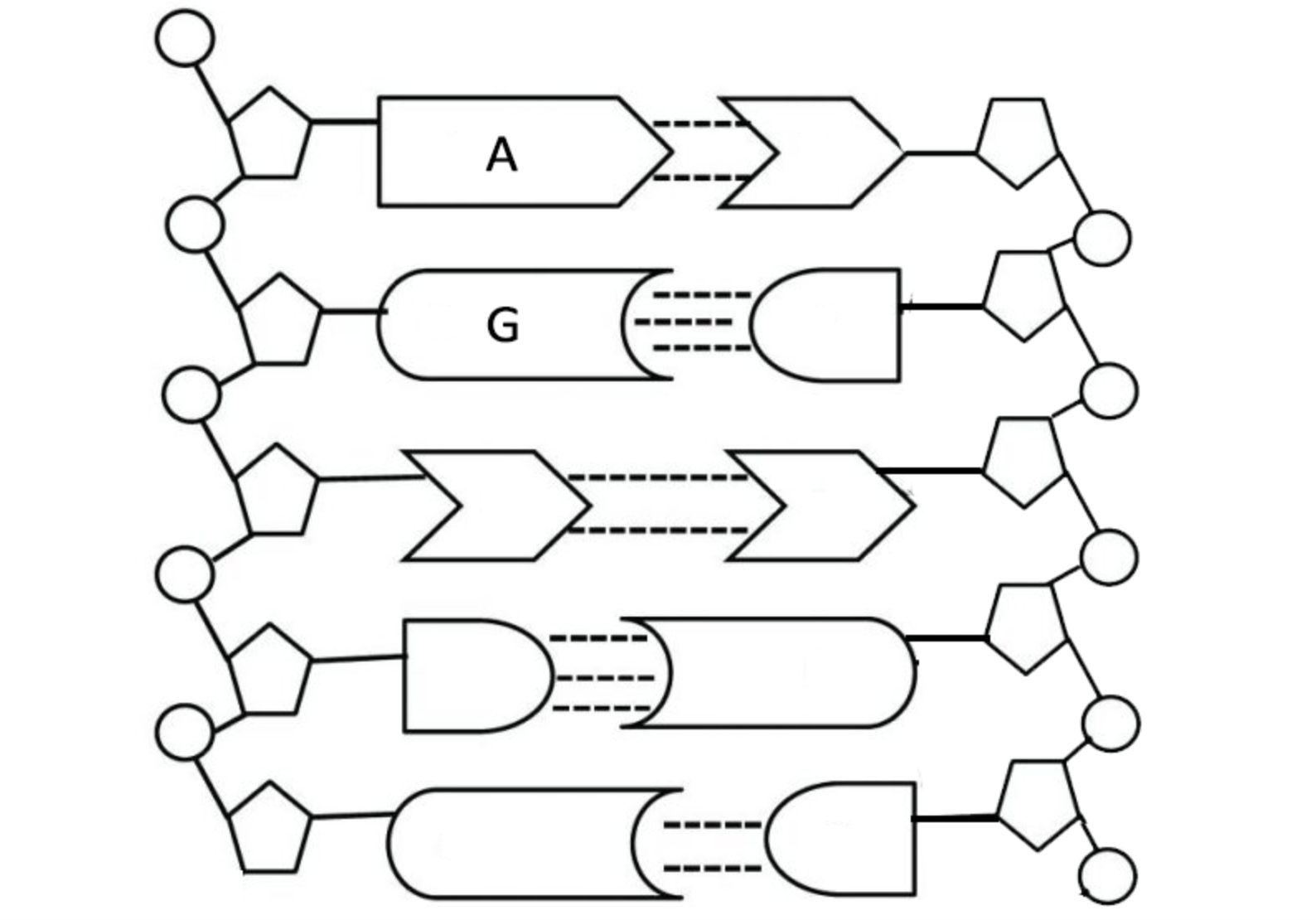
T
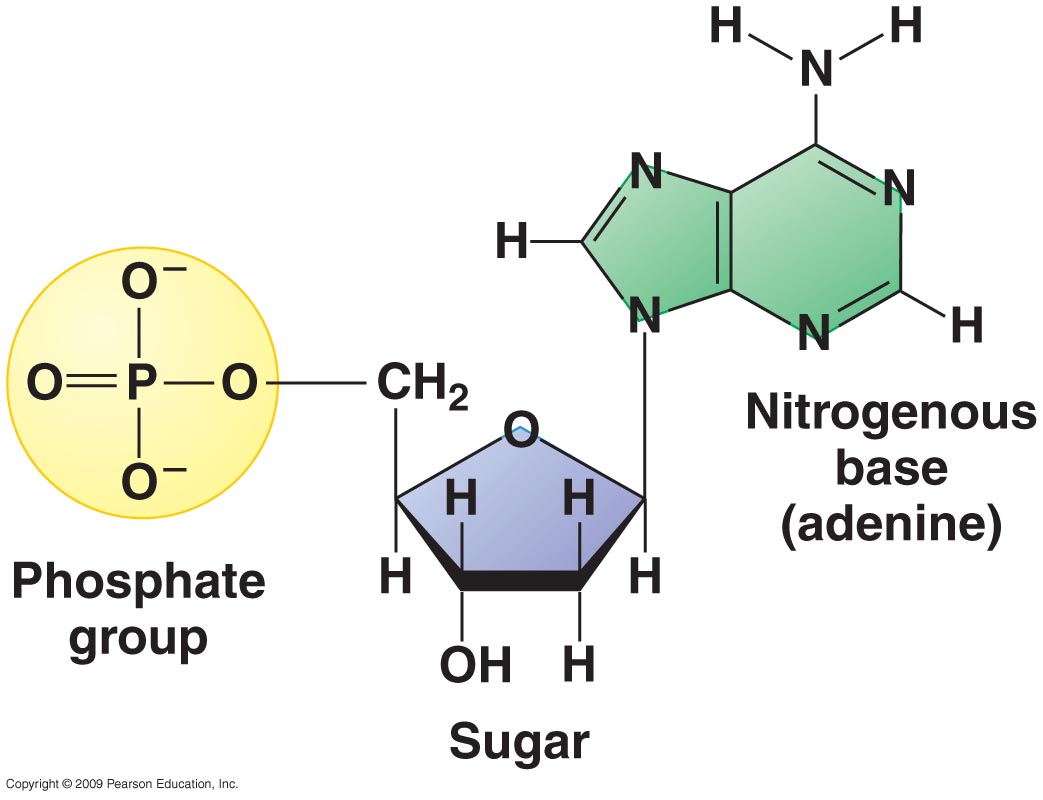
sugar
phosphate
base pair with mutation
hydrogen bonds
C
Choose the best description of the structure of DNA?
Choose the best description of the function of DNA?
Which one of the following does not apply to RNA?
Which one of the following applies (is true for) to DNA?
Matching - each item is used ONCE
| Draggable item | arrow_right_alt | Corresponding Item |
|---|---|---|
Differences between DNA and RNA | arrow_right_alt | A-T, G-C |
DNA base pairs | arrow_right_alt | inside molecule as "rungs of the ladder" |
how DNA stores information | arrow_right_alt | RNA |
nucleotide | arrow_right_alt | in sequence (order) of base pairs |
nucleic acid that can leave the nucleus | arrow_right_alt | U replaces T, double vs. single stranded, deoxyribose vs. ribose sugar |
where DNA base pairs are found | arrow_right_alt |
|
What MUST happen before a cell divides?
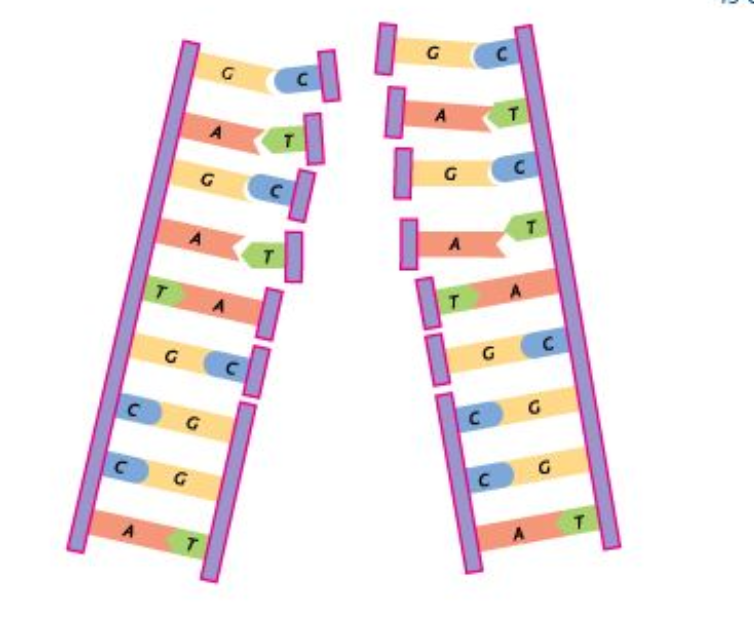
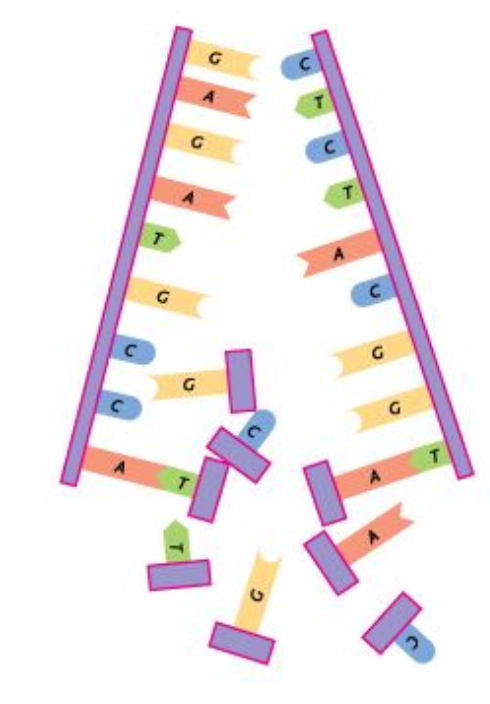
Before a cell divides, the cell's DNA must be. This creates 2 full copies of the cell's If the cell's DNA were not copied, the 2 new daughter cells would have only of the necessary amount to have a normal cell that functions correctly. When the cell's DNA is copied, the cell can now divide and split the total amount of DNA into 2 cells, each of which has the required
Put these images in order for DNA replication
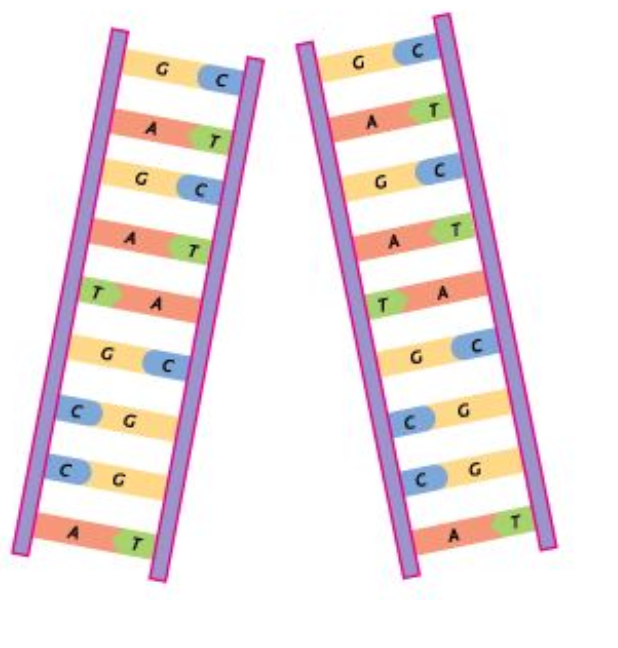
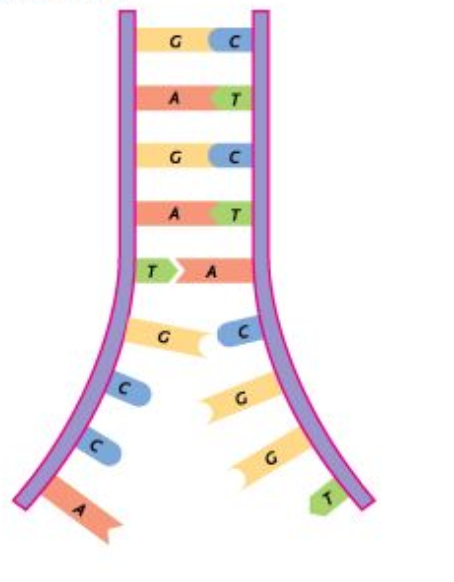
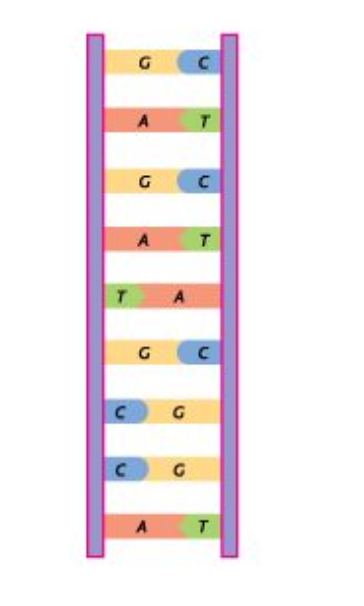
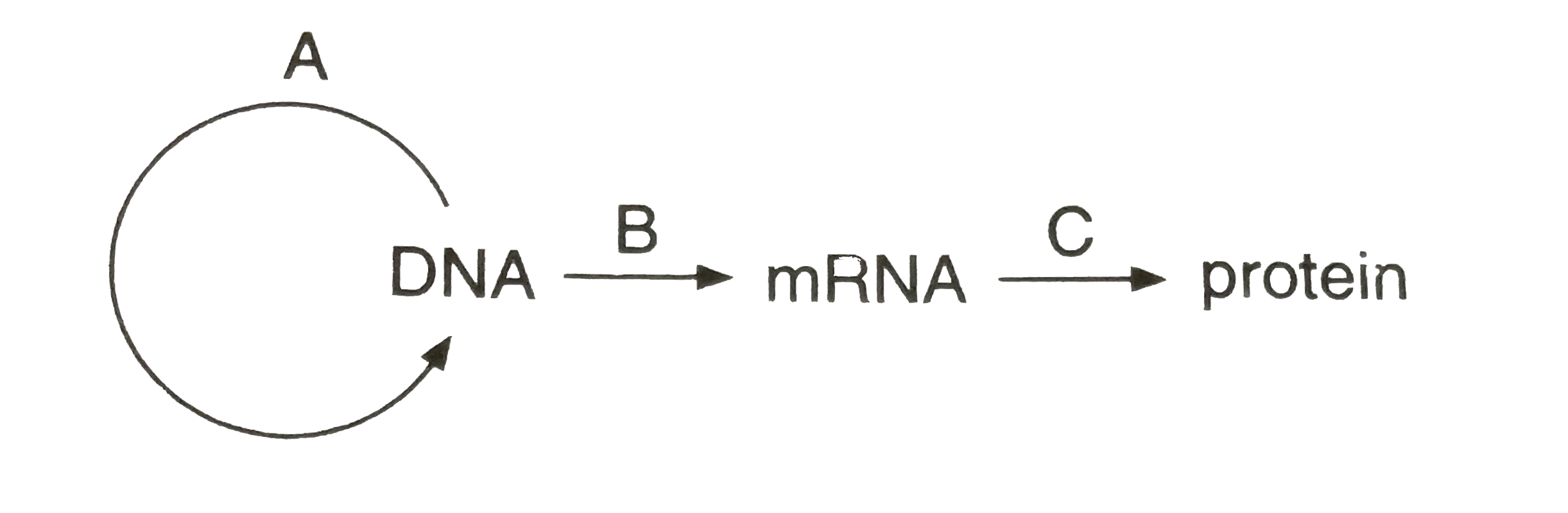
Transcription is ....
Translation is ....
Drag the 3 processes to the correct letter in the diagram
Drag the descriptions to the correct category
a copying error during DNA replication
damage to the DNA from radiation or chemicals
positive
negative
neutral
Cause of mutations
Possible results of a mutation
Mutations in the making of the following cell types CAN be passed on to offspring and MAY become a permanent part of the gene pool of that species
Imagine a mutation in the 9th nucleotide of the DNA molecule (shown by purple arrow) changes the T to a G...
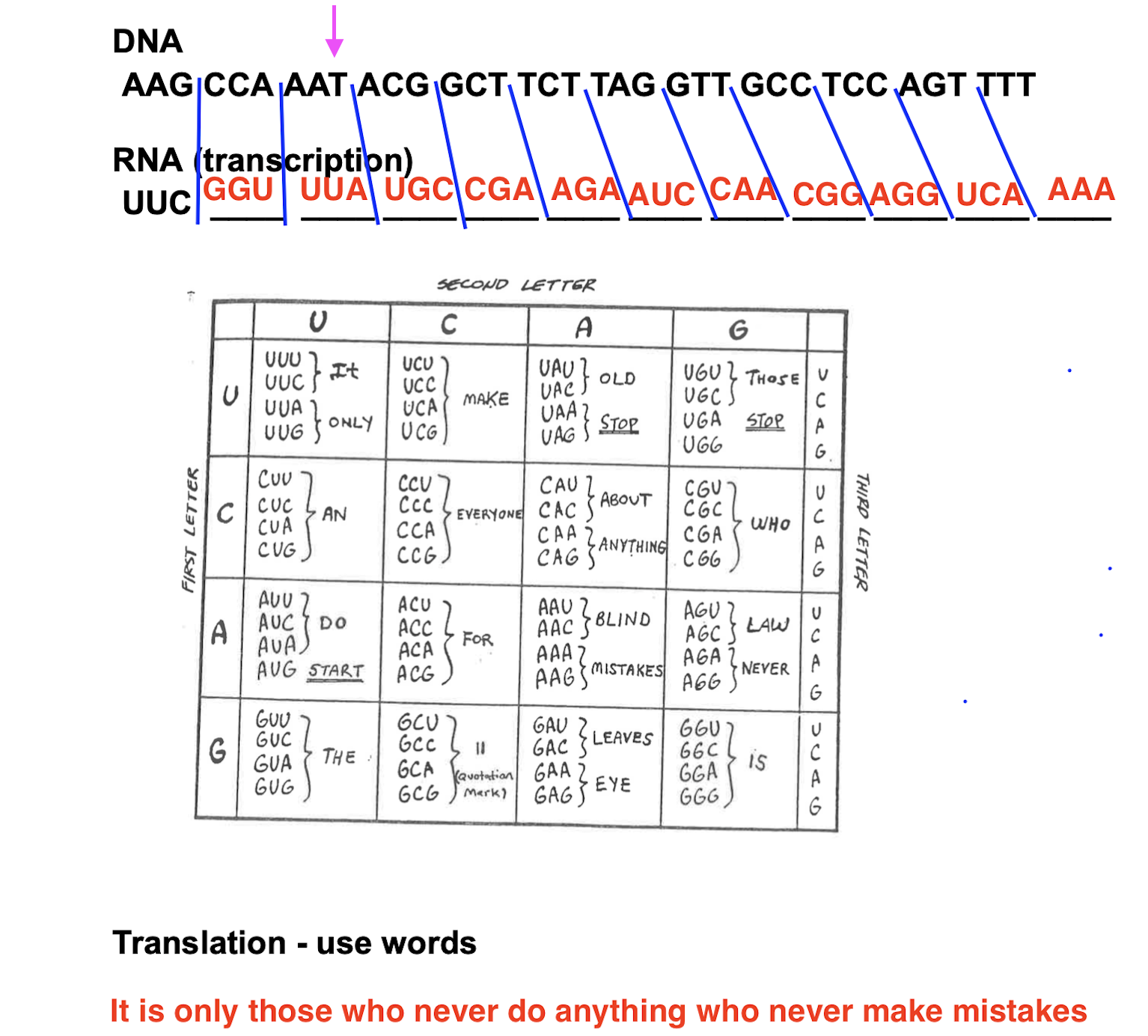
How would that change the UUA of the RNA?
How would this change the 3rd word (amino acid) of the sentence (protein)?.
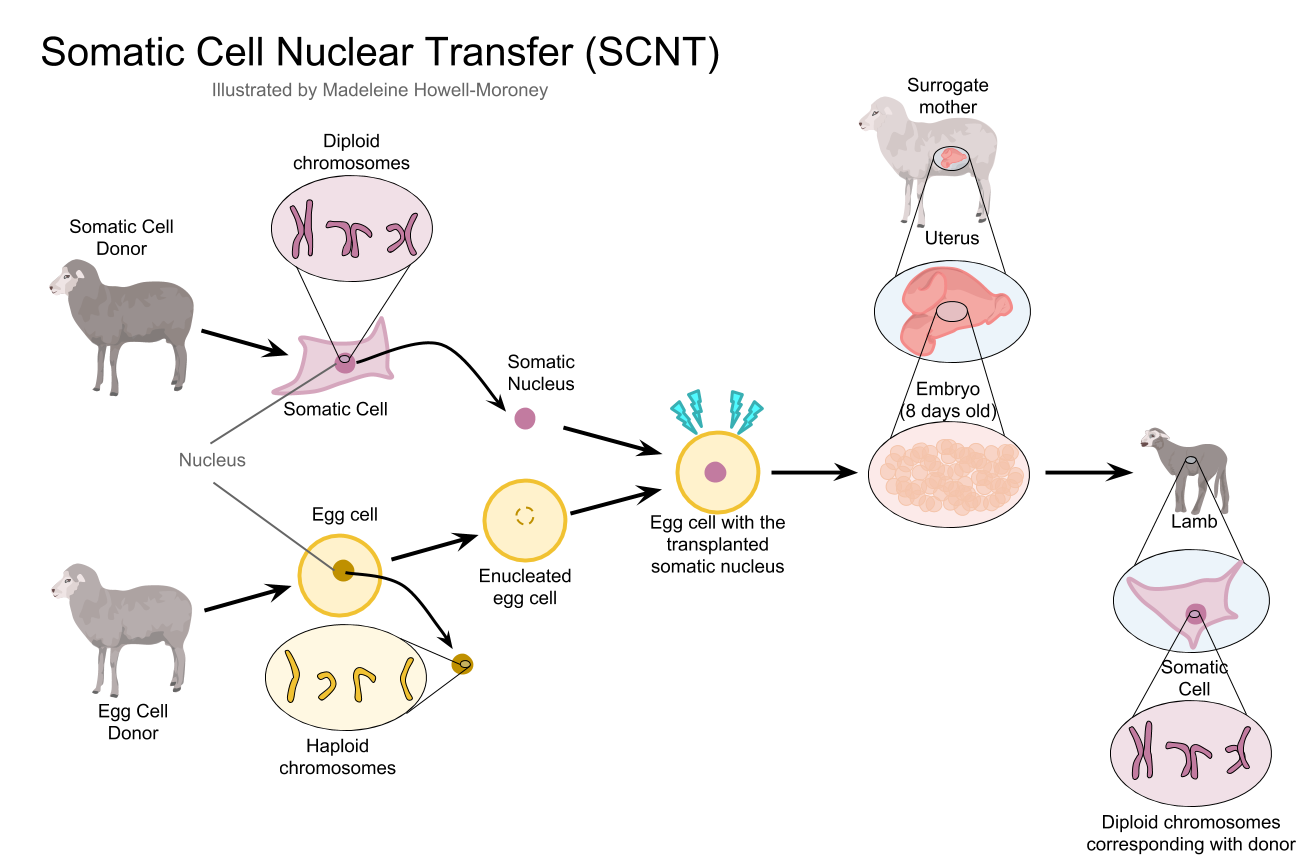
Identify and explain the process shown in this image...
Is cloning your pet ethical?
The Four Ethical Principles (in biology/medicine)
1. Non-Maleficence (Do No Harm)
2. Justice (Fairness and Resource Allocation)
3. Autonomy (Respect for the Donor/Owner)
4. Beneficence (Do Good)
Background Information
1. The SCNT process is highly inefficient, requiring many animals to suffer for one successful clone.
Egg Donors: Female animals must undergo hormone treatments to induce superovulation and then invasive, often repeated, surgical procedures to harvest the egg cells.
Surrogate Mothers: Multiple embryos must be implanted into surrogate dogs or cats, who endure high rates of miscarriage, late-term complications, painful births, and often Cesarean sections due to "Large Offspring Syndrome."
The resulting clones often suffer from severe health issues, including birth defects, organ failures (heart, kidney), and high rates of mortality in the prenatal and neonatal periods. Many do not survive or live short, miserable lives.
2. Commercial pet cloning costs a substantial amount (typically $25,000 to $50,000 for one animal). Critics argue that this money could be used far more effectively to save or improve the lives of countless animals currently in need.
The Shelter Crisis: Cloning creates demand for a new animal while millions of healthy, adoptable animals in shelters are euthanized every year.
3. Cloning companies are often accused of exploiting a grieving owner's emotions by promising a "genetic copy" or "resurrection." Ethicists point out that the clone only shares the donor's DNA; personality, behavior, and unique memories are determined by environment and experience, not just genes. The resulting pet is a genetically identical stranger, not the loved pet returned.
Consent of the Pet: An animal cannot provide consent ("say okay") to have its tissues harvested and used for cloning, nor can the surrogate mothers consent ("say okay") to the procedures and risks.
4. Psychological comfort or emotional relief it provides to the wealthy owner. This benefit does not extend to the public, society, or the animal species itself (unlike cloning for endangered species conservation).
Lack of Long-Term Health Data: While some clones appear healthy, there is limited long-term research on the longevity and hidden health problems of commercially cloned companion animals, meaning the "benefit" of a long life is not guaranteed.