Log in
Sign up for FREE
arrow_back
Library

The Golden Age of Pericles

star
star
star
star
star
Last updated about 2 years ago
14 questions
Standard IV: Identify cultural contributions of Classical Greece, including politics, intellectual life, arts, literature, architecture, and science.
Required
1
Required
6
Required
1
Required
1
Required
1
Required
1
Required
1
Required
1
Required
3
Required
1
Required
6
Required
1
Required
3
Required
3
Question 1
1.

(DOK 1) Columns in ancient Greece were nearly always made of __________, which was imported from various places around the Mediterranean Sea.

Question 2
2.

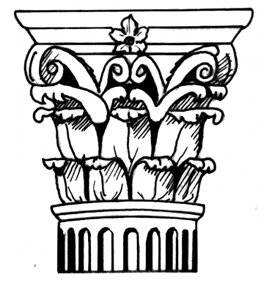
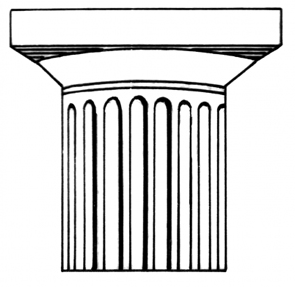
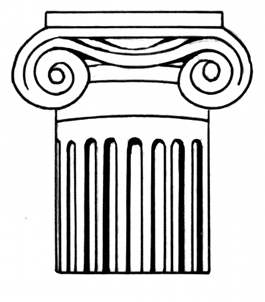
(DOK 1) Match each name and description with the correct Greek Order (column).

  • The most simplistic or plain of the Classical column styles.
  • Corinthian
  • Ionic
  • The most lavish, elaborate, and ornate column of the Greek Orders.
  • Doric
  • The defining characteristic is the scroll-shaped ornaments that sit atop the shaft.
Question 3
3.

(DOK 1) Identify the figure(s) that served as the main inspiration for Greek sculptors during the Classical Period.

Question 4
4.

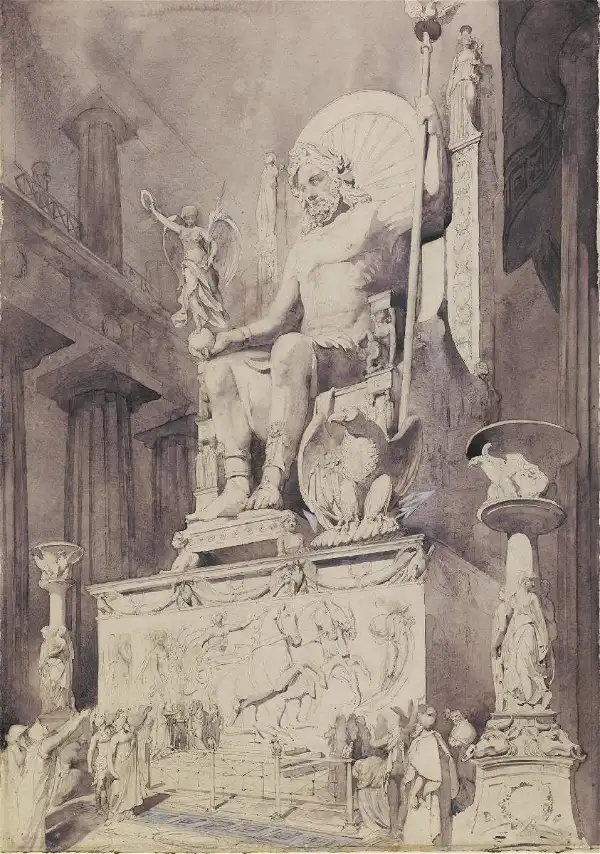
IMAGE: The statue of Zeus at the god's temple in Olympia (Alfred Charles Conrade, 1913-1914).

(DOK 1) Identify the artist, who according to his contemporaries, was the most renowned of all Greek sculptors.

Question 5
5.

(DOK 1) The Greeks strove for __________, which became the most extraordinary revolution in the history of art because it gave way to breathtaking accuracy and detail of human anatomy and posture.

Question 6
6.

The first sentence of his text explains why Herodotus wrote his monumental work: "Herodotus of Halicarnassus here presents his research so that human events do not fade with time. May the great and wonderful deeds - some brought forth by the Hellenes (Greeks), others by the barbarians (Persians) - not go unsung; as well as the causes that led them to make war on each other."

(DOK 1) Identify the subject area to which Herodotus contributed.

Question 7
7.

(DOK 2) Identify how Thucydides differs from Herodotus.

Question 8
8.

(DOK 1) Identify Homer's work, which is considered to be the first great epic poem in Western Literature.

Question 9
9.

(DOK 1) Match each description with the correct type of Greek Drama.

  • Satirical plays aimed at mocking men in power for their vanity and foolishness.
  • Short plays, performed between the acts of tragedies that made fun of the plight of the tragedy's characters.
  • Plays that dealt with the themes of love, loss, pride, the abuse of power, and the fraught relationships between men and gods.
  • Tragedy
  • Comedy
  • Satyr
Question 10
10.

(DOK 1) Quite literally, the term "philosophy" means, "love of __________."

Question 11
11.

(DOK 1) Match each description with the correct Socratic Philosopher.

  • Student of Plato and often referred to as "the Philosopher."
  • Rather than renounce his beliefs, he died willingly, discoursing on the immortality of the soul before drinking poisonous hemlock.
  • He has been called the father of logic, biology, political science, zoology, embryology, natural law, scientific method, rhetoric, psychology, realism, criticism, individualism, teleology, and meteorology.
  • He is remembered for his teaching methods and for asking thought-provoking questions.
  • Student of Socrates who's Theory of Forms asserts that the physical world is not really the 'real' world; instead, ultimate reality exists beyond our physical world.
  • He founded the Academy, the first institution of higher learning on the European continent.
  • Socrates
  • Plato
  • Aristotle
Question 12
12.

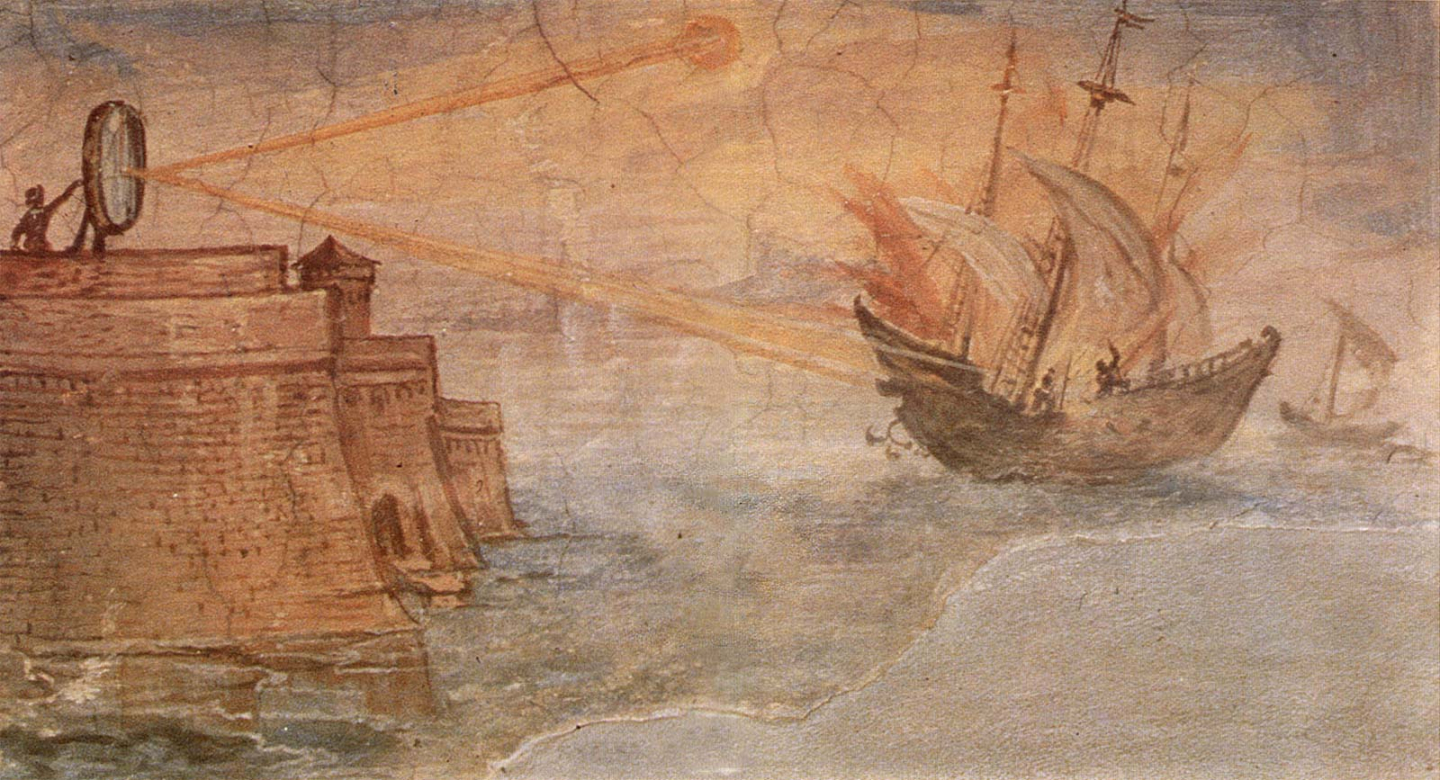
(DOK 1) Identify the Greek scientist who developed the Theory of Buoyancy, illustrated that Pi was between 3 1/7 - 3 10/71, and built a defensive death ray.

Question 13
13.

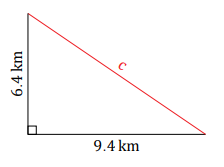
(DOK 2) Calculate the missing side measurement using the Pythagorean Theorem (Round to the nearest hundredth).

Question 14
14.

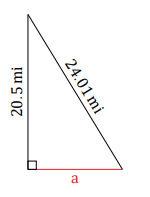
(DOK 2) Calculate the missing side measurement using the Pythagorean Theorem (Round to the nearest tenth).