2
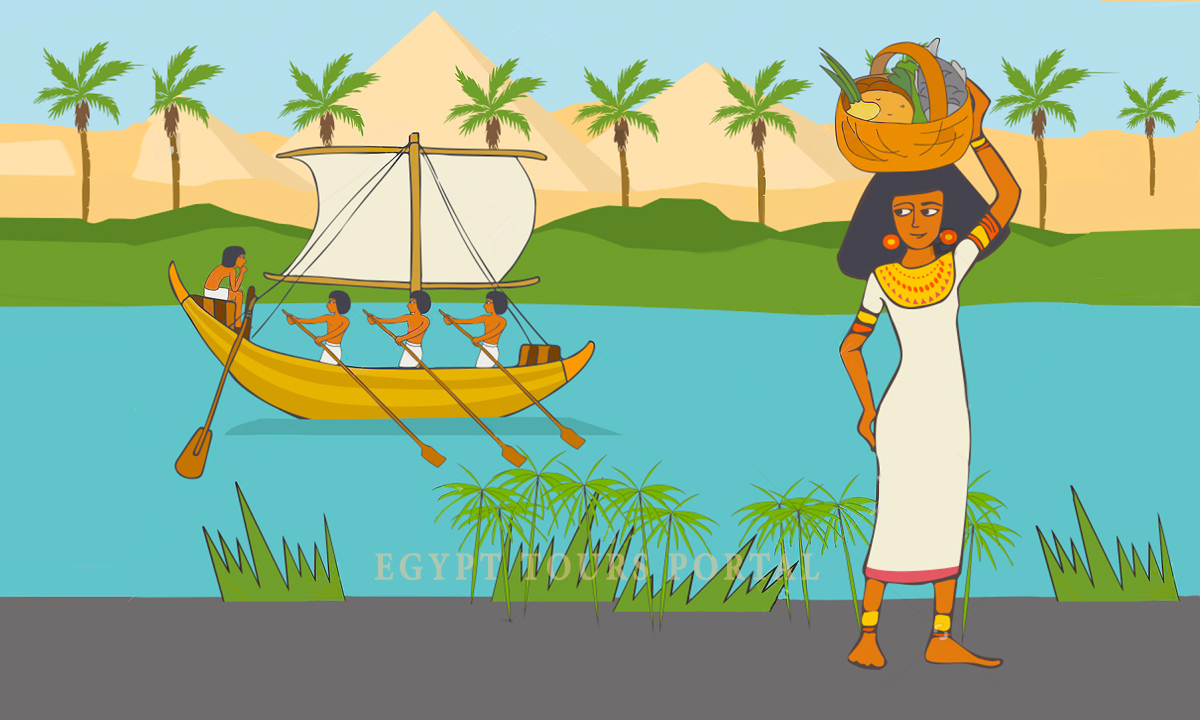
How did the Ancient Egyptians transport their goods from Egypt to other countries?
How did the Ancient Egyptians transport their goods from Egypt to other countries?
This test is out of a total of 35 marks.
This test consists of short and long questions.
This test consists of short questions and longer questions, where you will have to type your answers in the box provided.
Answer all the questions to the best of your ability.
Remember to submit your test, once completed all the questions.
You have 40 minutes to complete this test. After this time period runs out, your test will automatically be submitted.
Your mark will not be displayed straight away after submission.
This result will be emailed to you and feedback will be given in your next lesson.
The monument with a head of a man and the body, legs and paws of a lion:
A time of serious shortage of food:
A body wrapped and preserved for eternal life:
The title given to an Egyptian king:
Ancient Egyptian writing using pictures to present objects
The key to unlocking ancient Egyptian writing was the Rosetta stone
The "gift of the Nile" is another name for the Great Pyramid
The desert that covers most of Egypt is the Gobi desert
The large stone structure built as a tomb for King Khufu was the Great Pyramid
The secretary to the ruler in a court was called a vizier
| Draggable item | arrow_right_alt | Corresponding Item |
|---|---|---|
Great pyramid of Giza | arrow_right_alt | bottom of the social hierarchy |
Slaves | arrow_right_alt | god of dead and embalming |
Honey | arrow_right_alt | discovered in 1922 |
Tutankhamen's tomb | arrow_right_alt | completed 2560 BCE |
Natron salt | arrow_right_alt | Egyptian mathematical document |
Rhind Papyrus | arrow_right_alt | used as an antiseptic to treat wounds |
Pythagoras | arrow_right_alt | used in the embalming process |
Anubis | arrow_right_alt | Greek mathematician |
What did people in Egypt use to build their houses?
What foods did the Egyptians eat?
In with month/s did the Egyptians harvest their crops?
Why were the farmers so important in ancient Egyptian society?
Select all the ways that the Nile river affected the lives of the ancient Egyptians.
List TWO job administrators would do.
Write a short paragraph answering the following about Pharaohs.
1. Were Pharaoh's men or women?
2. How did Pharaoh become rich?
3. What happened to Pharaohs after they died?
How did the Ancient Egyptians transport their goods from Egypt to other countries?
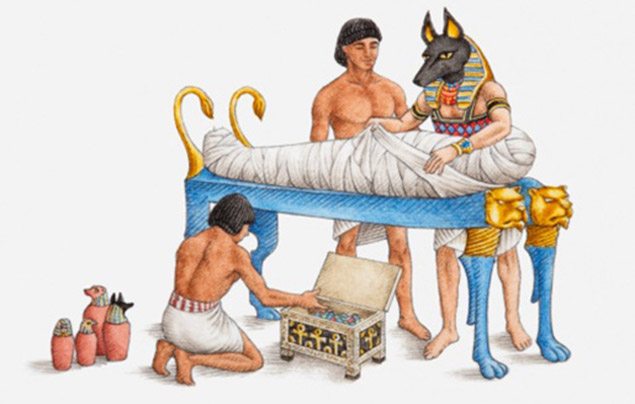
Briefly explain the process of mummification.