Write the honour pledge and sign your name.
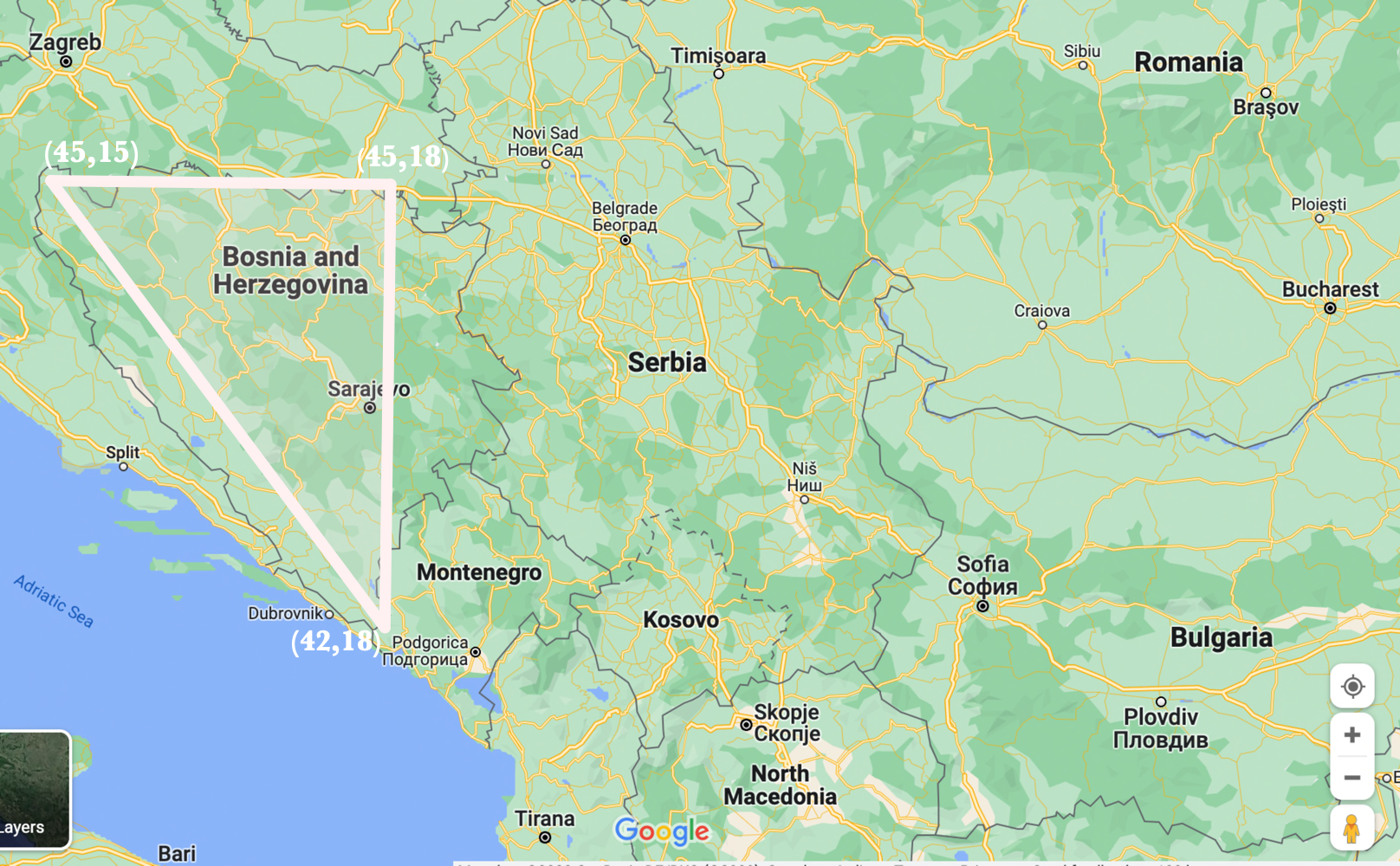
Locations on the Earth are given using a system of latitudes and longitudes. Using the Coordinate points on the map, find the lengths of the three sides of the country. And hence identify the type of triangle it is.
Use the sides to prove that the triangle given above is a right angle triangle.
Find the country's area if every unit distance on the map is 100 km.
The actual area of the country is 51,209 square kilometres, what is the error percentage? (Use the following formula to calculate the error.)
What are some factors that contributed to this error?
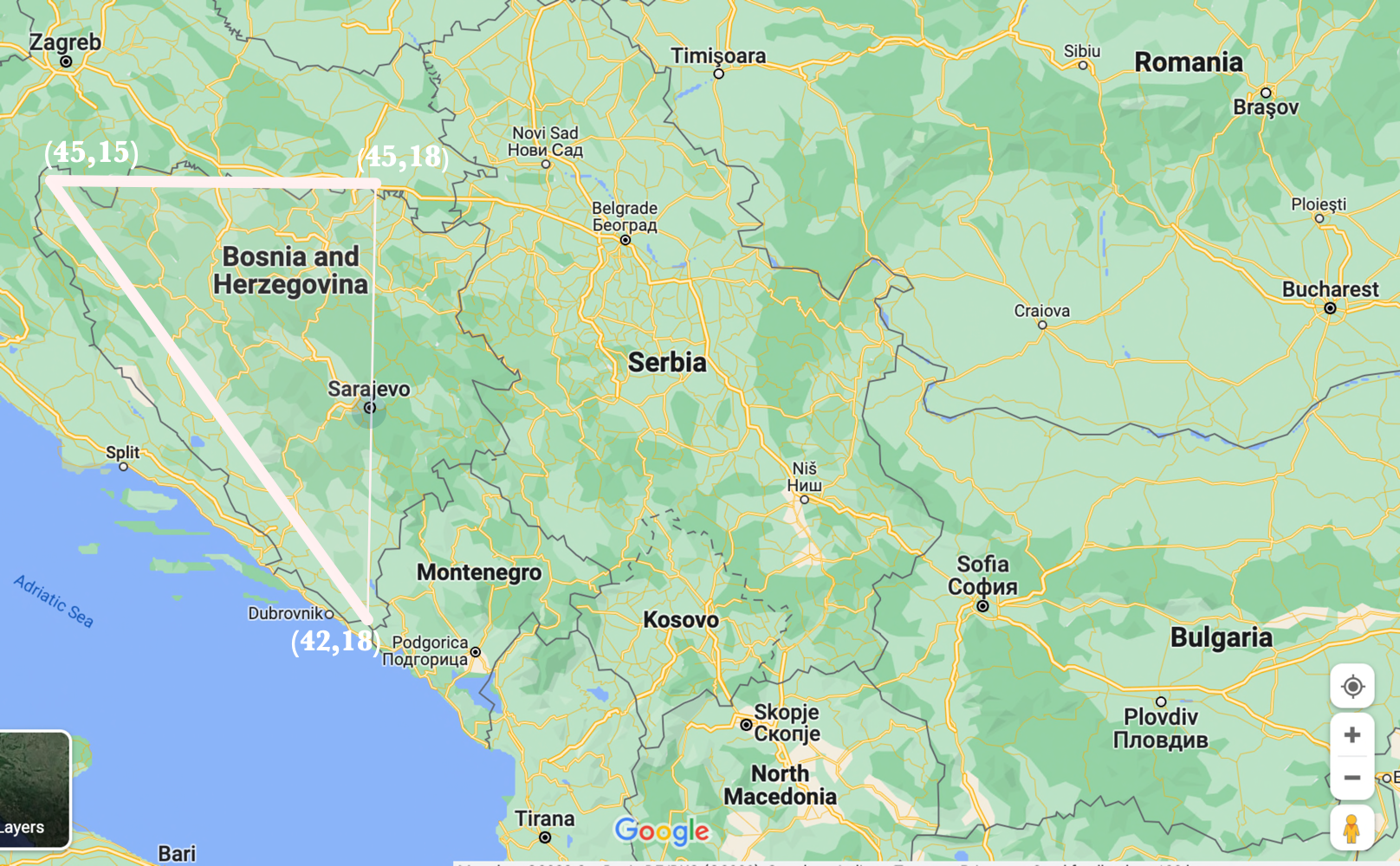
The City of Sarajevo lies on the midpoint of one of the sides of the triangle, find the coordinates of the city.
Find the other two angles of the right angle triangle created on the map above.
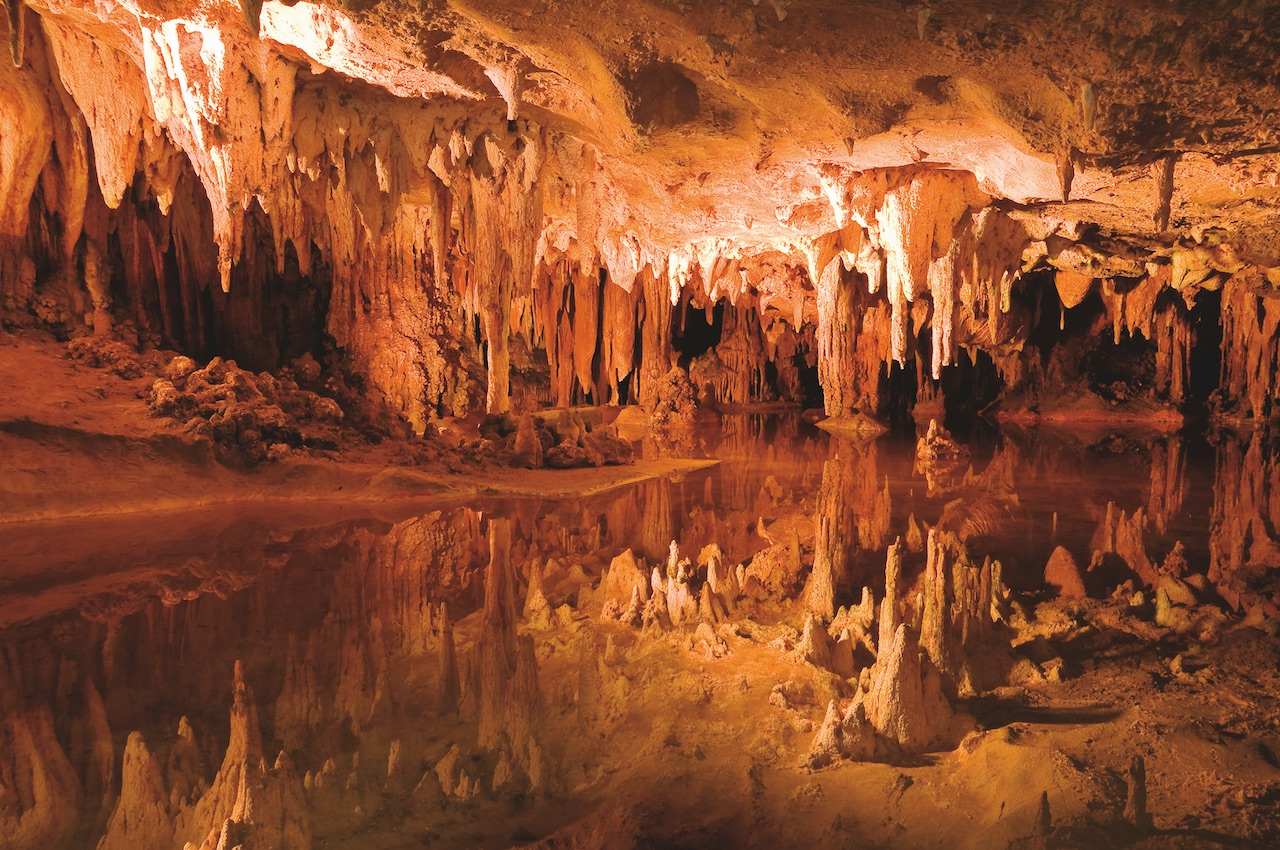
Stalagmites and stalactites are rock formations often found in caves, created by water dripping for long periods of time. They often take conic shapes but sometimes clusters of tiny stalactites resemble cylinders.
Stalagmites are the cones of rocks on the ground and stalactites are the rocks on the ceiling.
One of the longest stalactites found at The White Chamber cavern in Lebanon has a height of 8.2 meters, it has a base radius of 0.5 meters. Find the volume of the stalactite.
A cluster of stalagmites, about 25 of them, each with a base area of 30 cm^2 forms a cylindrical shape. If the average height of the stalagmites is 75 cm, then find the total volume of the cluster.
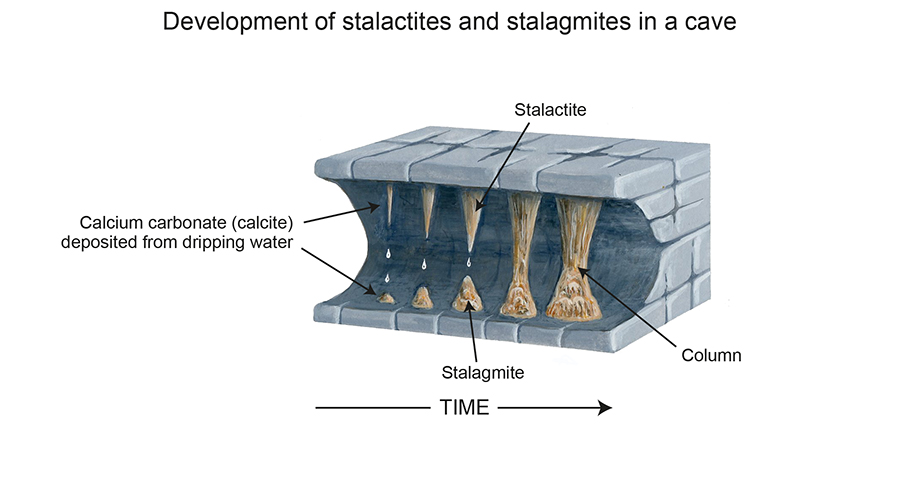
A stalagmite and stalactite combination has been developing for many thousand years. Here is a diagram of how they are formed:
The stalactite has a volume of 314.15 cm^2 and a radius of 2 cm.
The stalagmite has a volume of 2,309 cm^2 and a radius of 7 cm
If the height of the part of the cave that is home to this pair is 1.5 m tall, then has it been long enough for the stalagmite and stalactite to form a column?
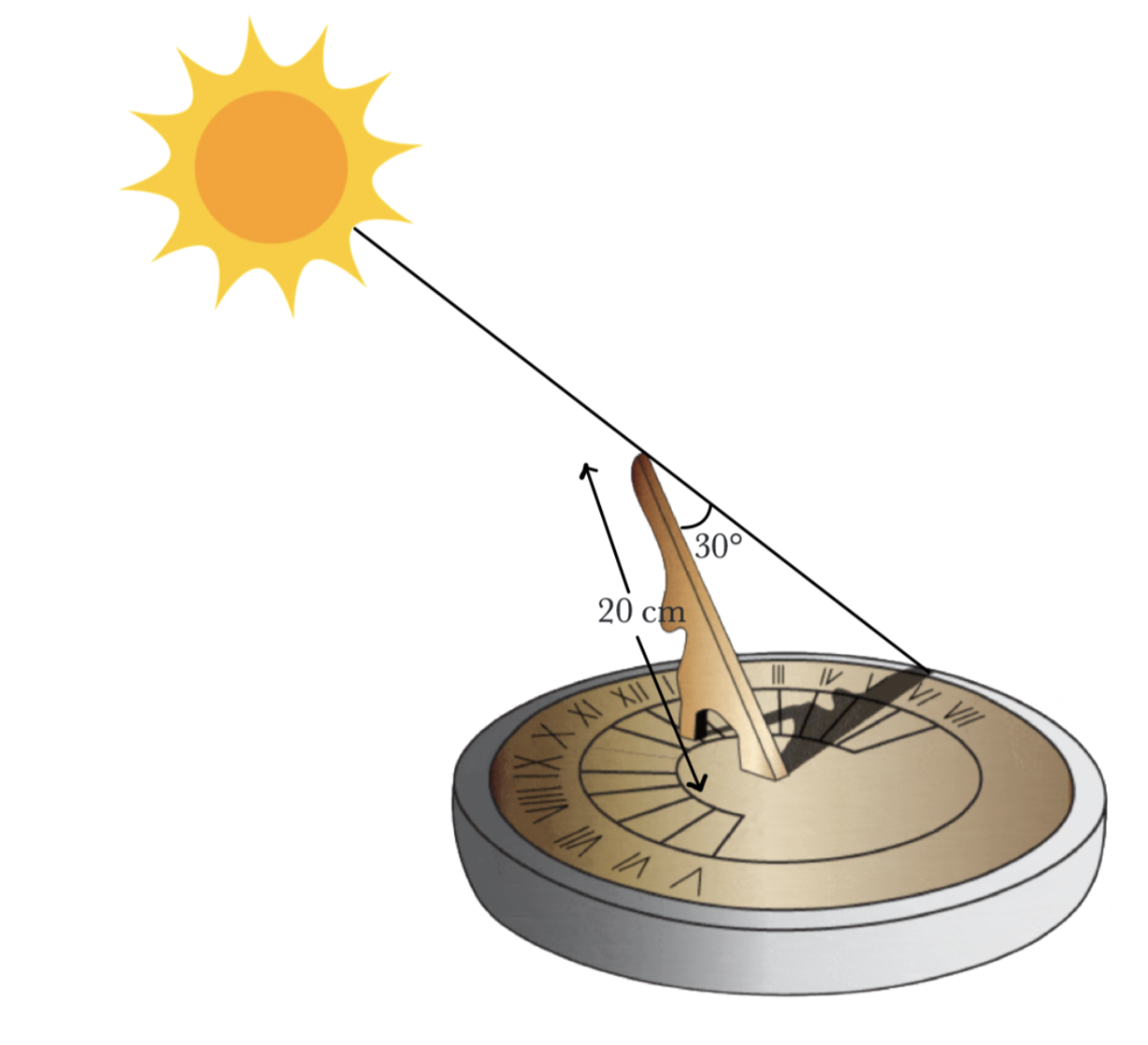
The sundial, one of the earliest ways of marking the passage of time, is an instrument that uses the position of the sun to cast a shadow that tells the time.
This is a horizontal sundial, the most common type. It shows time over a period of 12 hours.
If the sunlight is falling on the sundial forms an angle of 30° with the long hand, called the gnomon. find the radius of the sundial if the gnomon is 20 cm long.
At some point in the day, the shadow moved by an angle of 30° stopping at the 12 pm mark. If every 4.5 cm of arc length gives you an hour, at what time did the sunrise? From the data, what part of the world do you think the sundial is located in?