Disgrace - J.M. Coetzee

Last updated almost 3 years ago
17 questions
This Formative provides EFL learners with a literary analysis of the themes, plot, and setting of J.M. Coetzee's novel 'Disgrace'.
Whether teacher-paced or student-paced, this lesson contains enough materials for at least 120 minutes of education.
Introduction

This lesson focuses on the internationally celebrated novel Disgrace by J.M. Coetzee.

During this lesson you will read excerpts of this beautiful novel which lays bare the story of a troubled middle-aged man and the social unrest in his South Africa.

At the end of these lessons:
  • You know about South Africa’s Apartheid regime.
  • You know the plot of the book Disgrace.
  • You can evaluate the main characters‘ decisions.
  • You can analyse the novel’s literary elements.
  • You can give your opinion about the themes in the book Disgrace.
So that:
  • You might be tempted to read the entire story.
  • You get an inside look into a social phenomenon which you are unfamiliar with.
  • You use critical thinking skills to form a well-balanced opinion.

Summary:
After years teaching Romantic poetry at the Technical University of Cape Town! David Lurie, middle-aged and twice divorced, has an impulsive affair with a student.

The affair sours; he is denounced and summoned before a committee of inquiry. Willing to admit his guilt, but refusing to yield to pressure to repent publicly, he resigns and retreats to his daughter Lucy’s isolated smallholding.

For a time, his daughter’s influence and the natural rhythms of the farm promise to harmonise his discordant life. But the balance of power in the country is shifting. He and Lucy become victims of a savage and disturbing attack which brings into relief all the fault lines in their relationship.
Required
0

What: find out what you already know about South Africa in a think-puzzle-explore session.

How: discuss with a partner
- What do you think you know about today’s topic?
- What questions or puzzles do you have about today’s topic?
- What do you need to do to solve these questions or puzzles?
Write down you answers in this question box.

When: 5 minutes

Why: to help you get started with this lesson.

Done: discuss the ‘disturbing attack’ the summary talks about.

Help: feel free to talk to each other and use google to look up information.
Culture 1 - Apartheid - But the balance of power in the country is shifting
Required
1

From 1948 until 1990 Apartheid was a system of segregation based on racial divide. Explain in your own words what this means.

Required
1

Analyse the example of racial segregation given in this fragment. Explain in your own words which example was given.

Required
1

Explain why the Apartheid system was put in place.

Required
1

Naturally, many factors were at hand in the collapse of the Apartheid system however which factor is highlighted in this fragment?

Required
1

At the end of Apartheid, Nelson Mandela gives a speech in which he uses the word oppression. Other words we use to talk about control over other human beings are suppression and repression

Draggable itemCorresponding Item
oppression/oppress
unjust or cruel exercise of authority or power
suppression/suppress
to put an end to the activities of a person or a group and exclude them from participating in society.
repression/repress
to keep under control
Close reading 1 - Setting
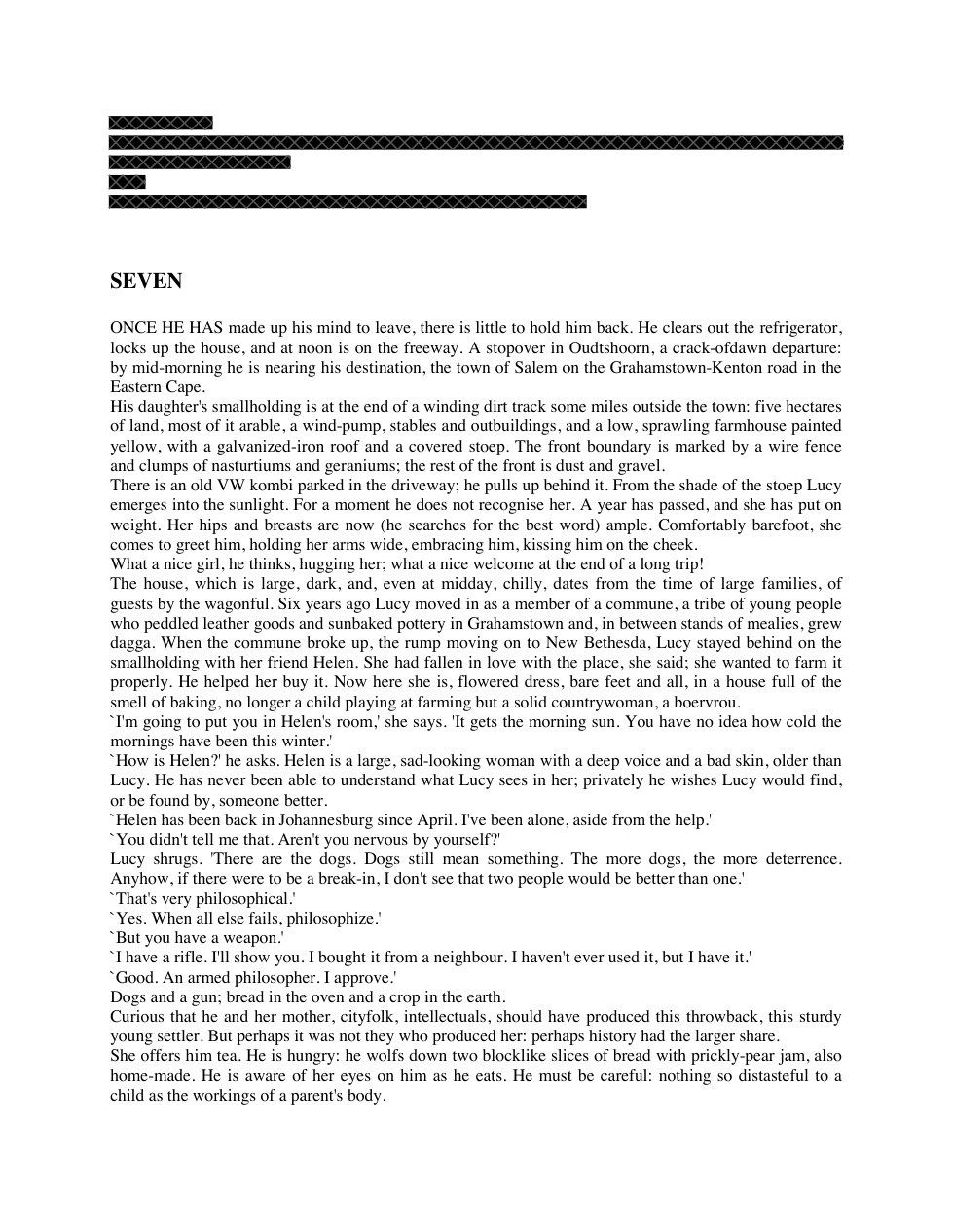
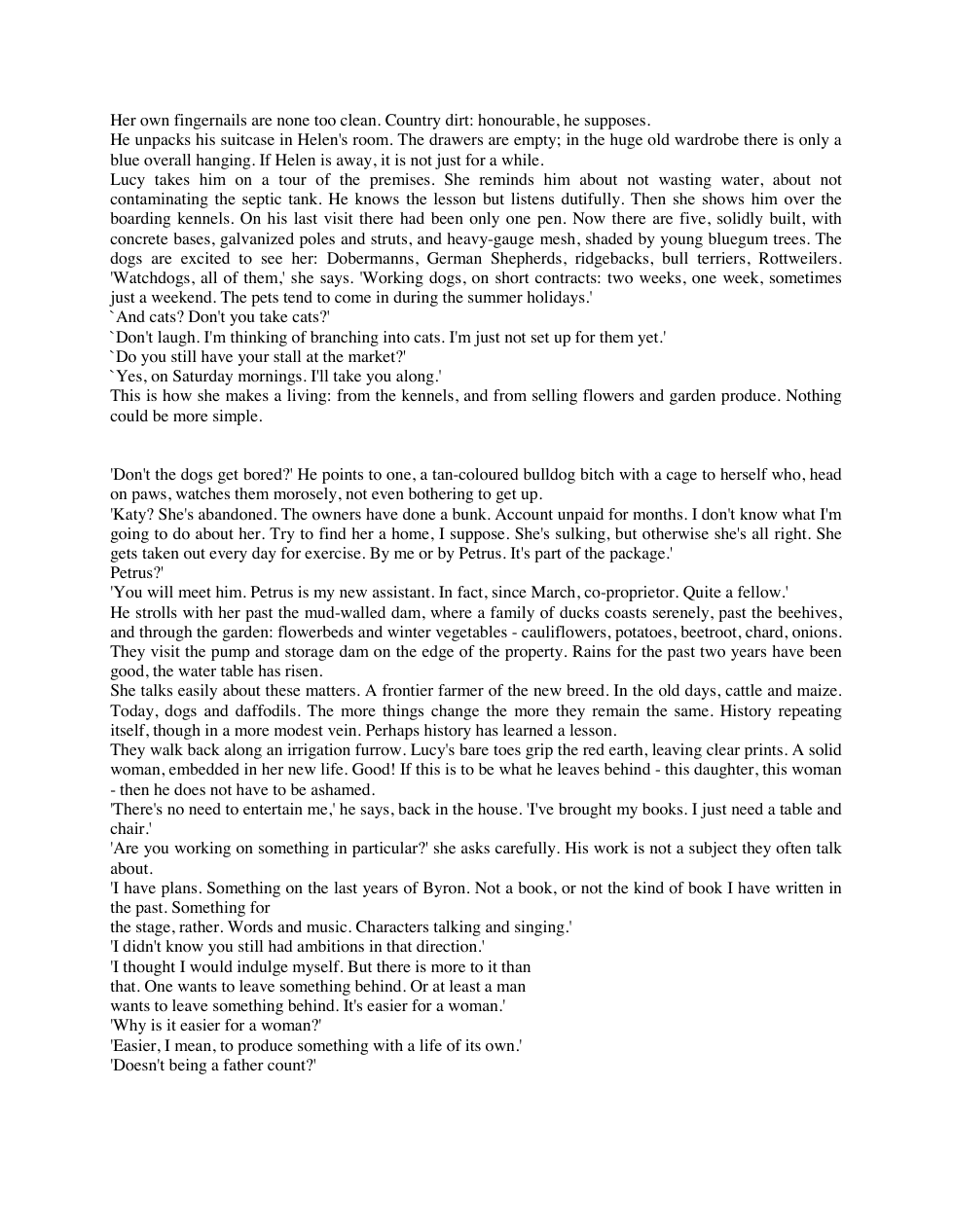
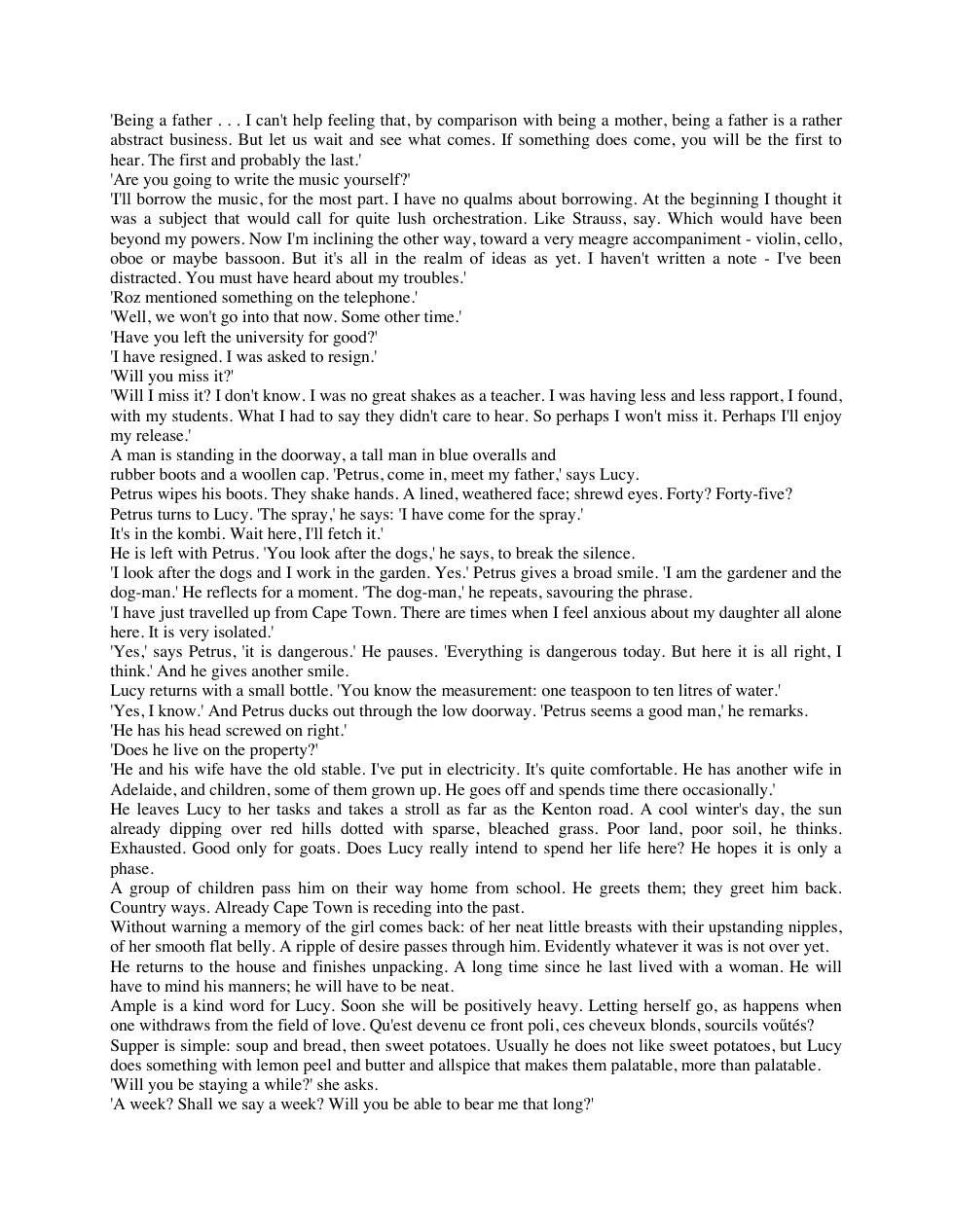
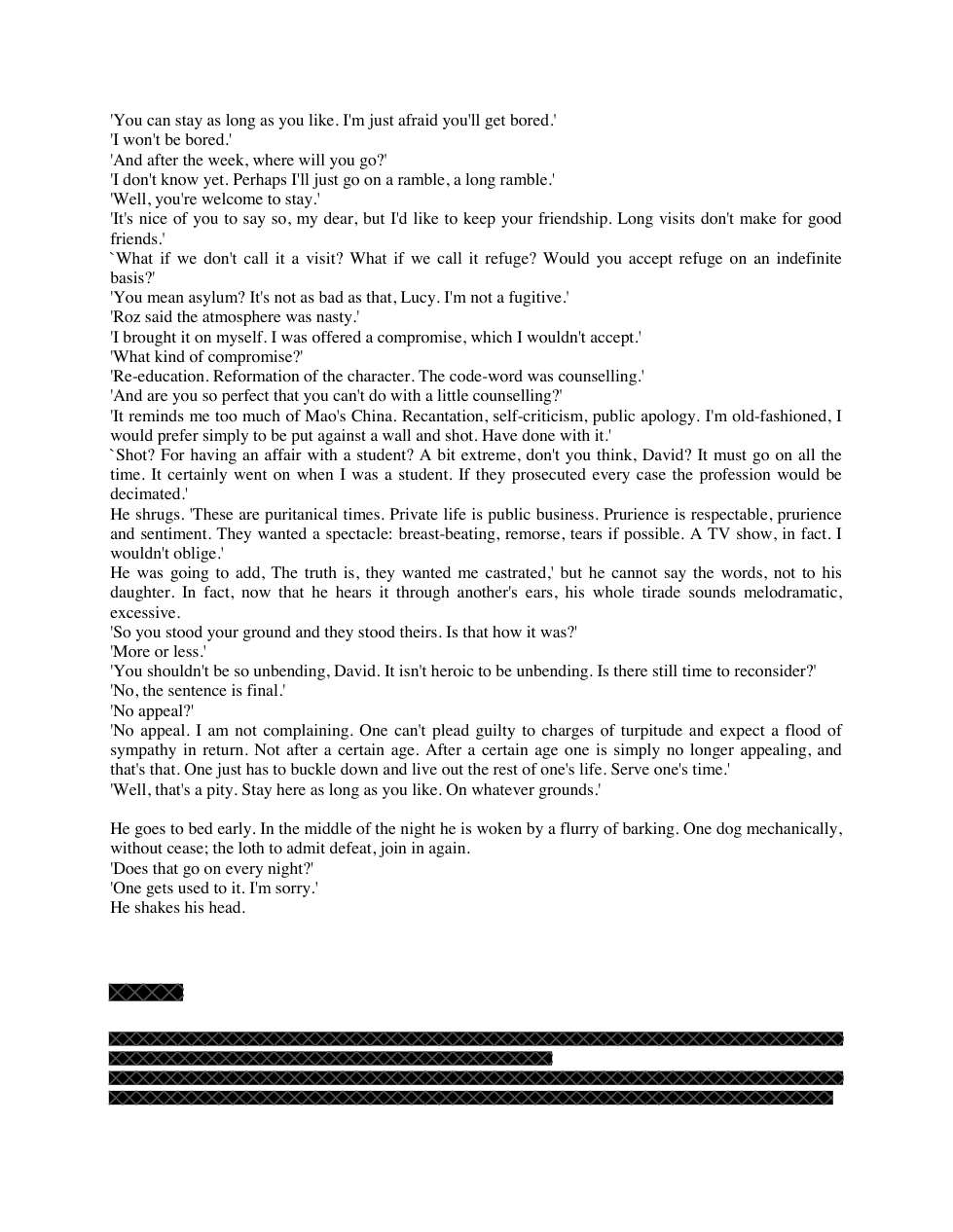
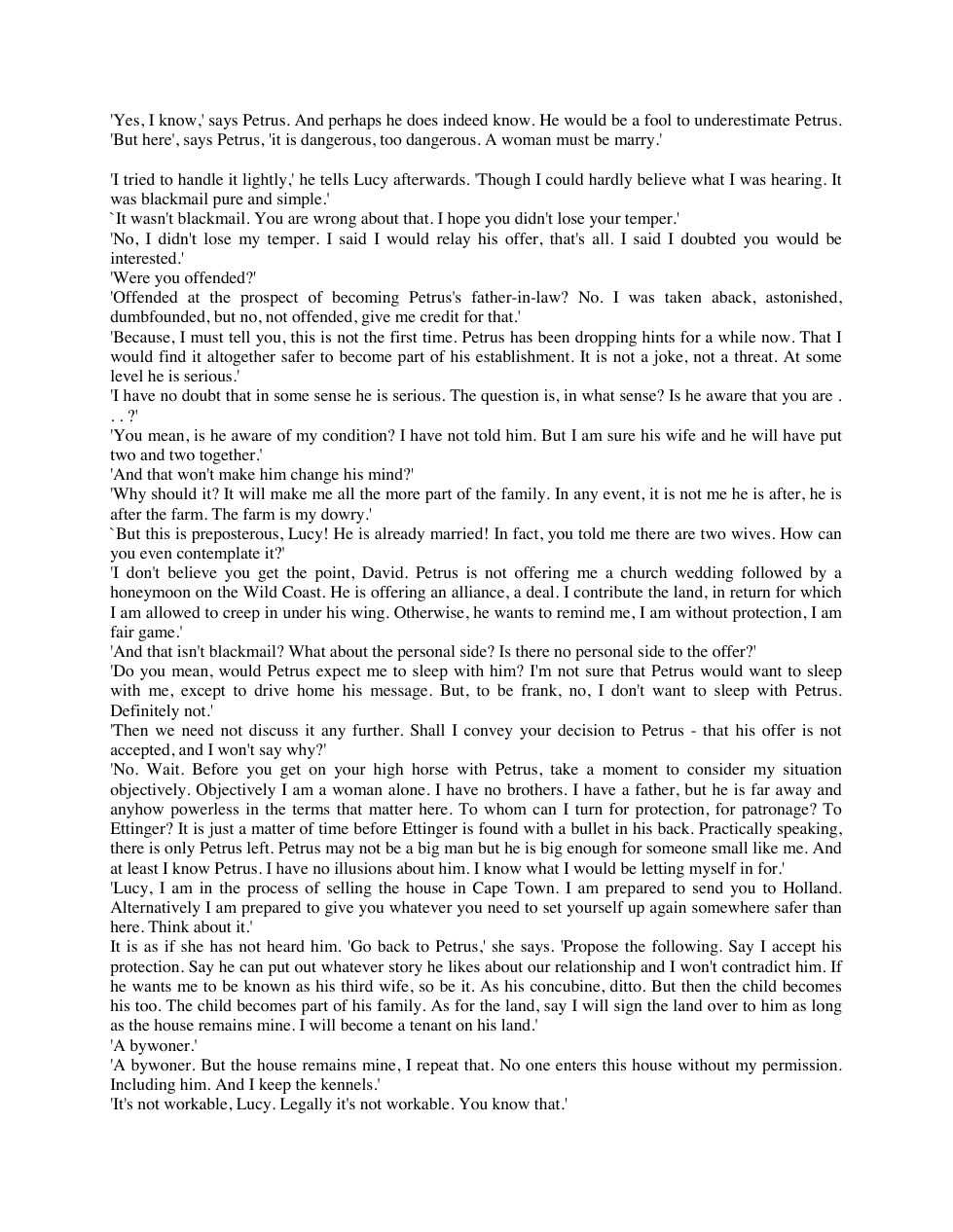
You are about to read chapter 7 of Disgrace.

What you need to know to understand this excerpt is that the main character David Lurie, a university professor, was put on probation for having sexual relations with a student.

David pleads guilty but does not want to publicly apologise.

David tries to find refuge at his daughter's, farm in the countryside. It's quite clear that David and Lucy are quite different people.

While reading look out for any references to the Apartheid regime.
Required
3

Evaluate in your own words which subtle references to the former Apartheid system you could find in chapter 7.

Creative assigment 1
What: do a creative assignment about chapter 7 of Disgrace.

How: choose one of the following three assignments.

1. In groups of four, make a picture of a scene from chapter 7 which truly incapsulates the mood of that passage.

or:

2. In pairs, record yourself having a conversation of about 5 minutes in English. One is Lucy, the other is Petrus. What would they say to each other after that awkward meeting between David and Petrus.

or:

3. Individually, write a passage (150 words) in English about whether you like or dislike David and why.

When: 15-20 minutes.

Why: you do this to interpret and find meaning in the text and you discover how this relates to your personal experiences and opinions.

Done: hand in your assignment on the right-hand side of this page.

Help: you can use the internet, classmates and your teacher as resources for this assignment.
Required
5

This is where you can hand in your assignment.

Culture 2 - Forgiveness
Forgiveness - Reconciliation - Healing

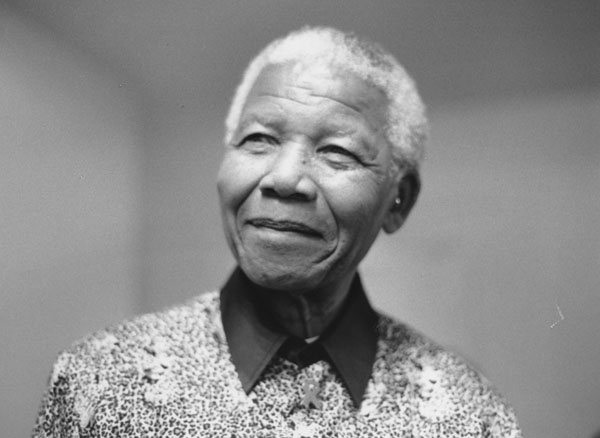
You will achieve more in this world through acts of mercy than you will through acts of retribution.” - Nelson Mandela

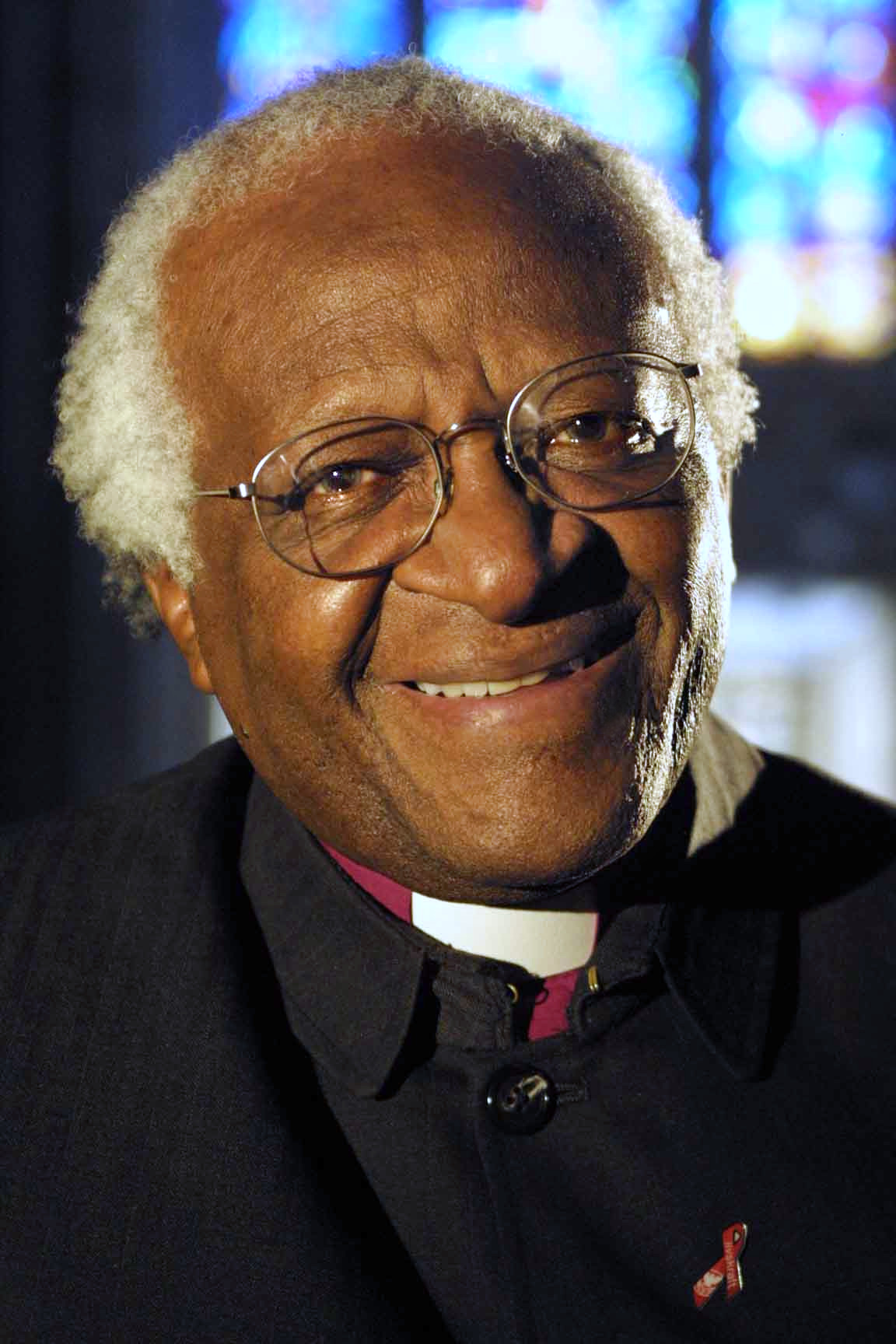
there can be no future without forgiveness.” - Desmond Tutu

Find out about the Truth and Reconciliation Commission by watching the following video:


Required
3
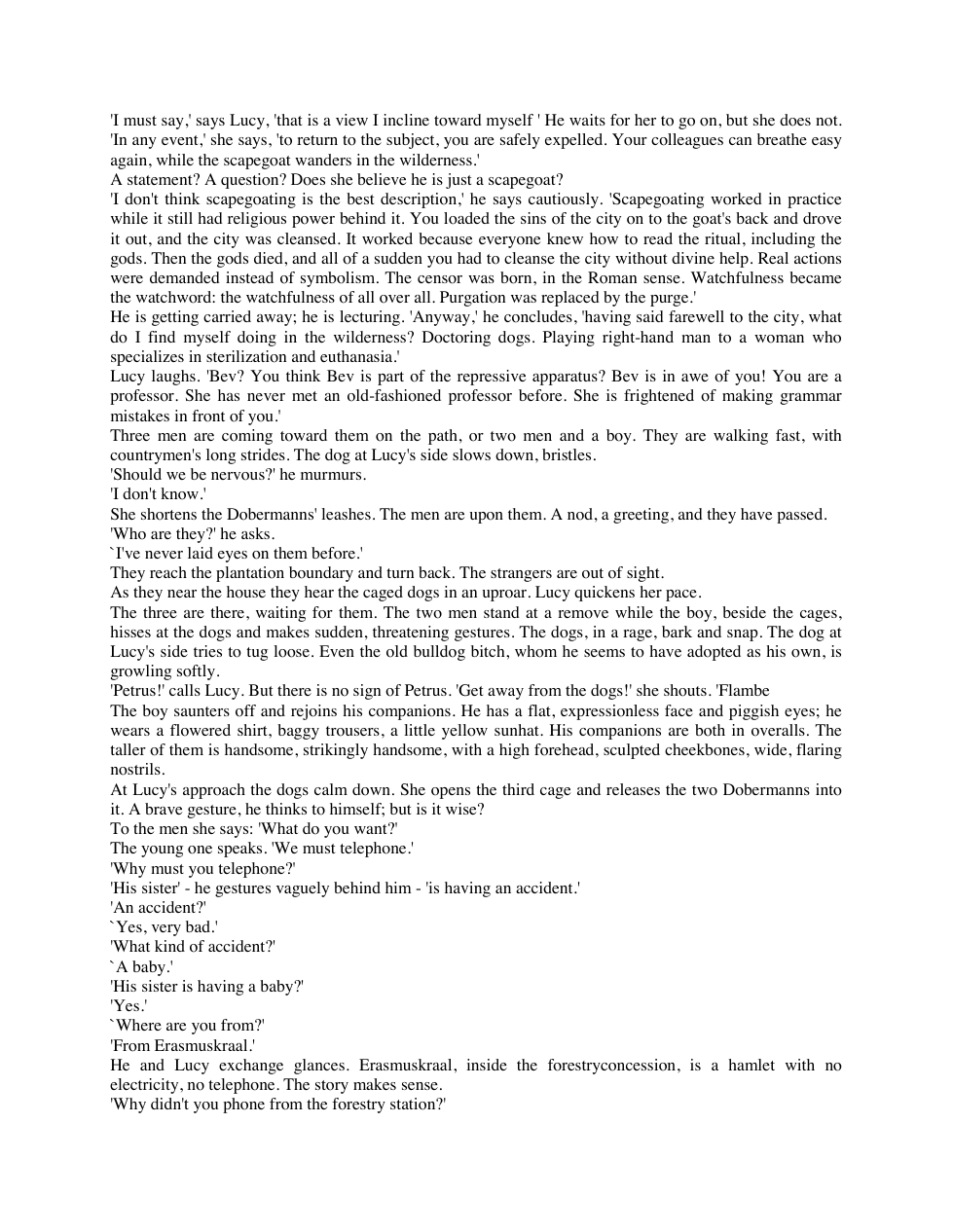
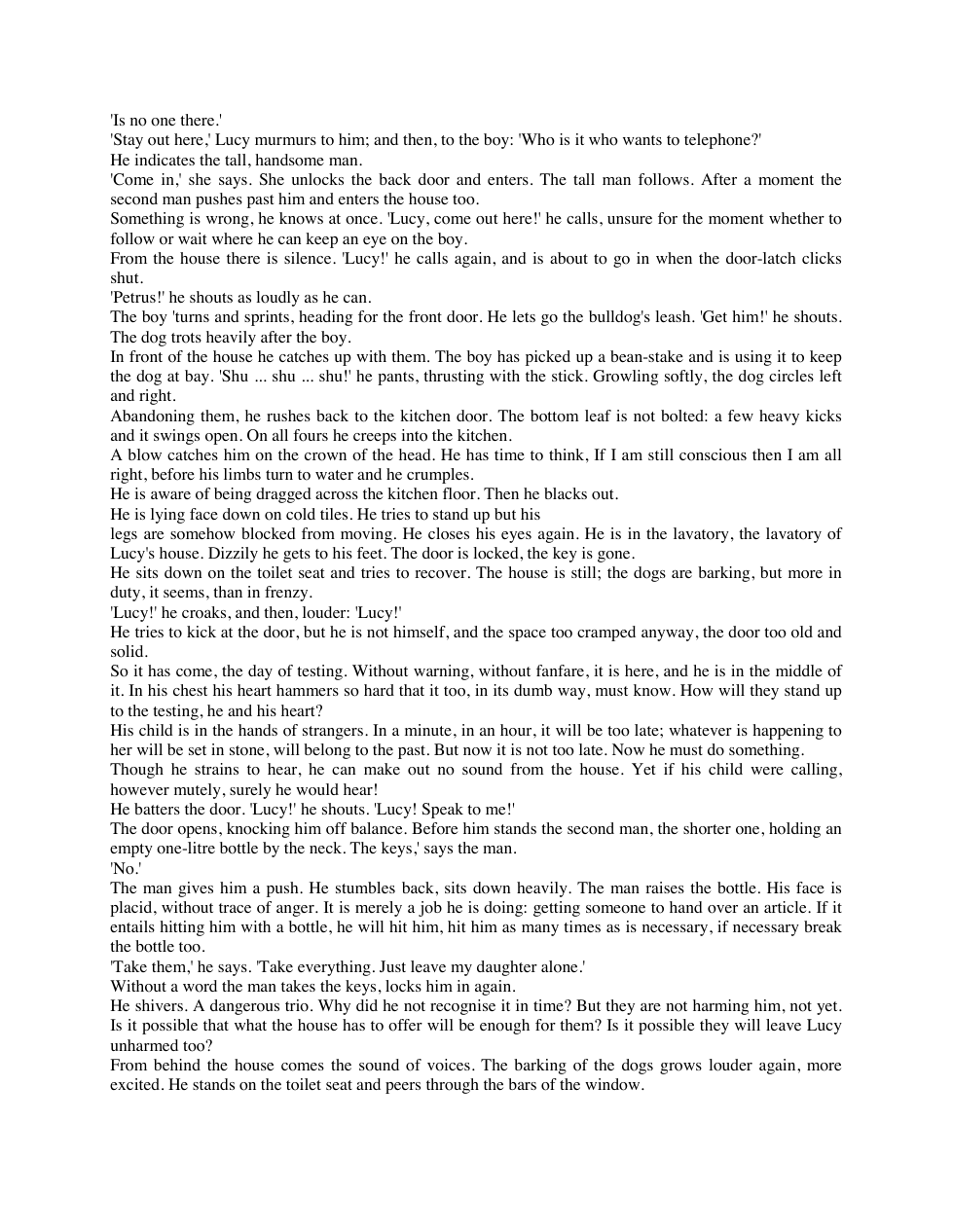
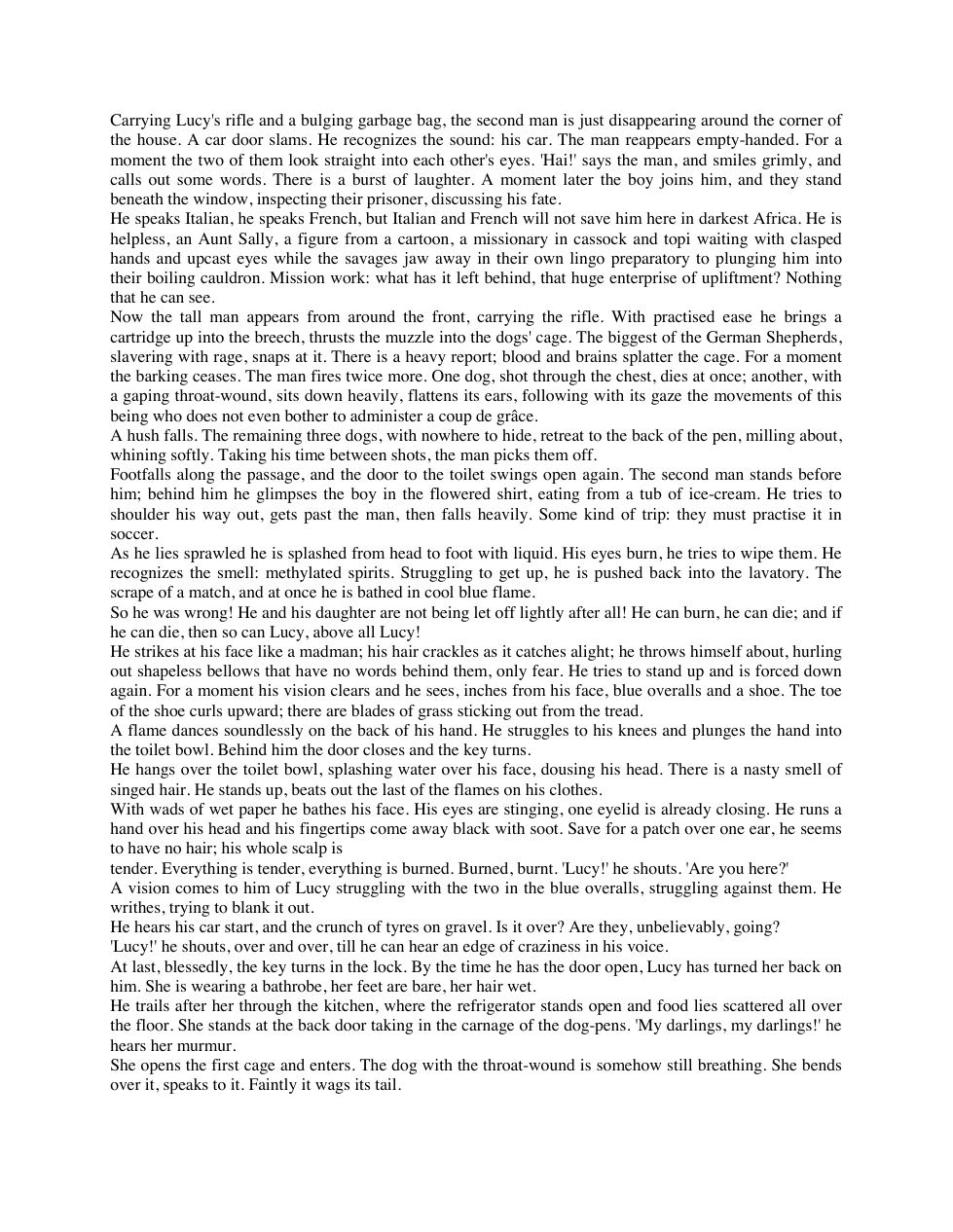
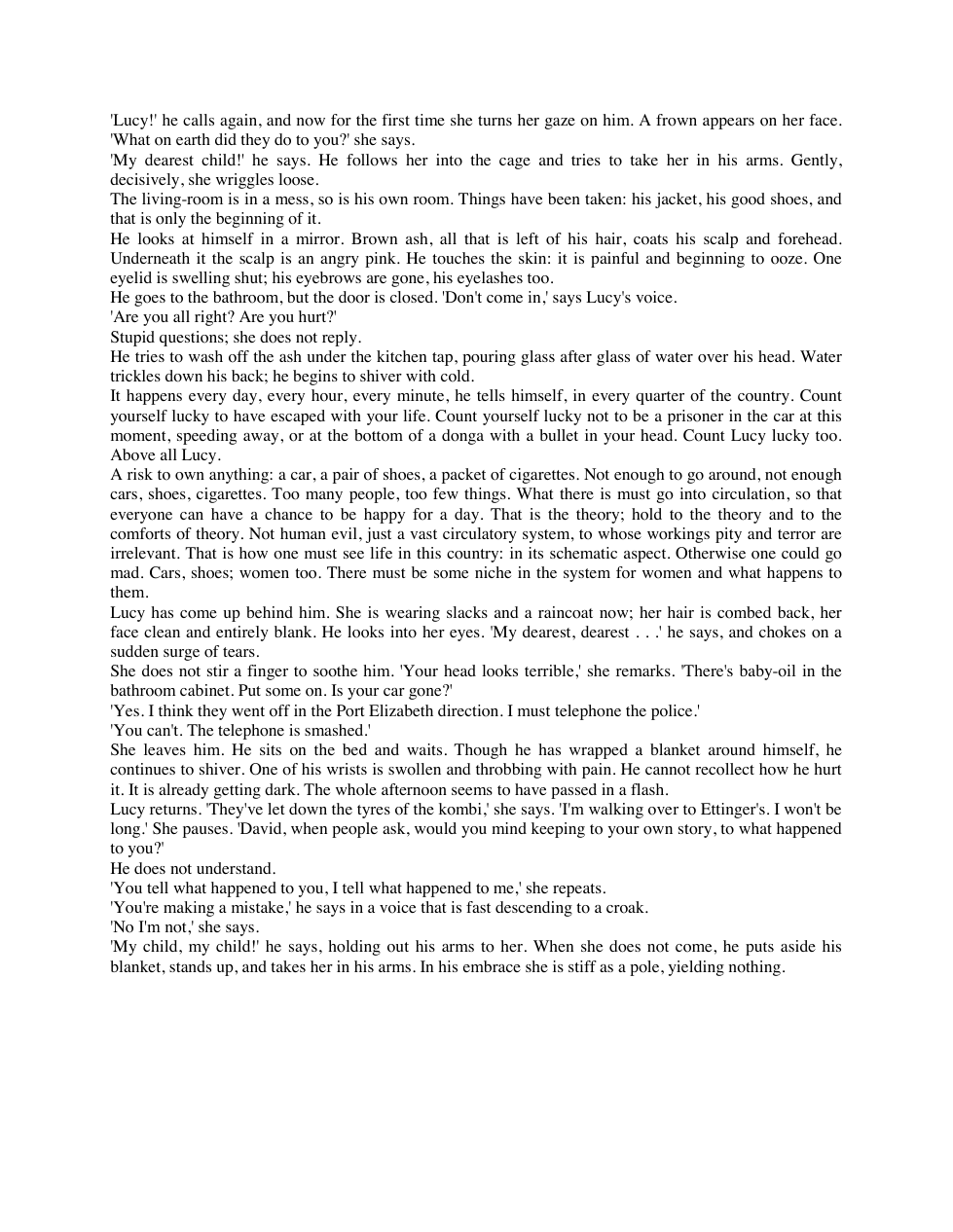
Close reading 2 - Plot
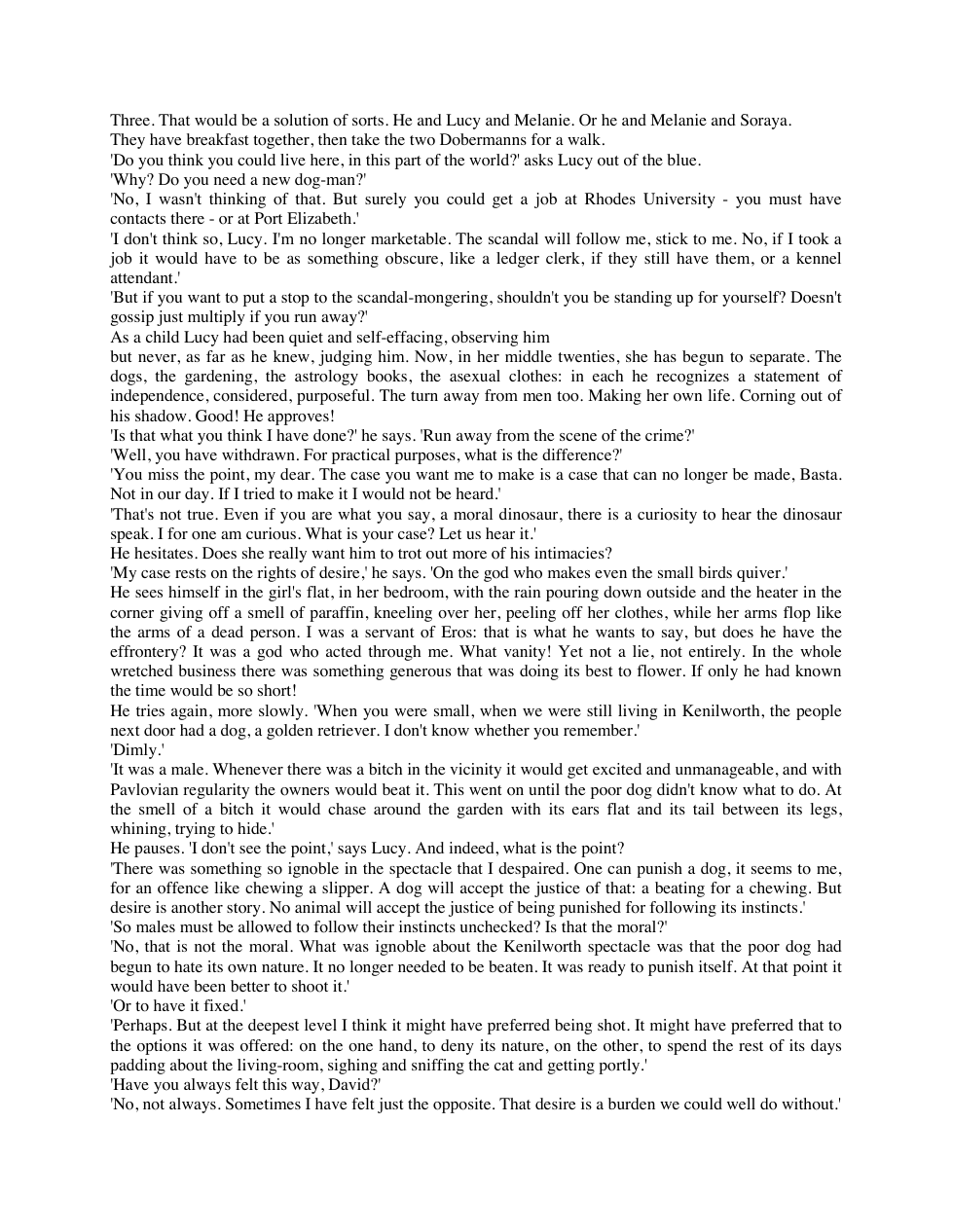
You are about to read chapter 11 of Disgrace.

A quick warning: This chapter contains material that discusses different types of physical assault. If you do not feel comfortable reading this material, let your teacher know.

What you need to know to understand this excerpt is that David and Lucy have been living together at Lucy's farm. However, their relationship is far from perfect. David does not really understand Lucy's choice to live on her own in the country. He tries to adjust to his new lifestyle but then something happens.


While reading look out for two examples of how David and Lucy look differently at the world.
Required
3

Analyse in your owns words on which two ideas David and Lucy differ in opinion and justify why this is ironic in relation to the plot of the book.

Creative assignment 2
What: write in English about the excerpt you have just read.

How: write a piece of about 200 words. Choose one of the following prompts.

1. A news item written by a local journalist who heard of the attack and investigated the incident.

or:

2. A diary entry written from Lucy’s perspective explaining her decisions and point of view.

or:

3. A personal letter to David giving him advice about his daughter’s decision.

When: 15 - 20 minutes

Why: you do this to interpret and find meaning in the text and you discover how this relates to your personal experiences and opinions.

Done: hand in your assignment on the right-hand side of this page.

Help: you can use the internet, classmates and your teacher as resources for this assignment.
Required
5

This is where you can write your assignment.

Culture 3 - Reversed discrimination
Reversed discrimination - Reversed apartheid

When apartheid was abolished many new laws and practises to end segregation were put into place.

Of course this change has had a positive effect on most South Africans. However, there is one partial group of people who have experienced a negative effect. They speak of reversed discrimination or reversed apartheid.

Read the article on the left side of this page and find out which minority experiences this reversed discrimination and what change they would like to see.
Required
3
Close reading 3 - Themes
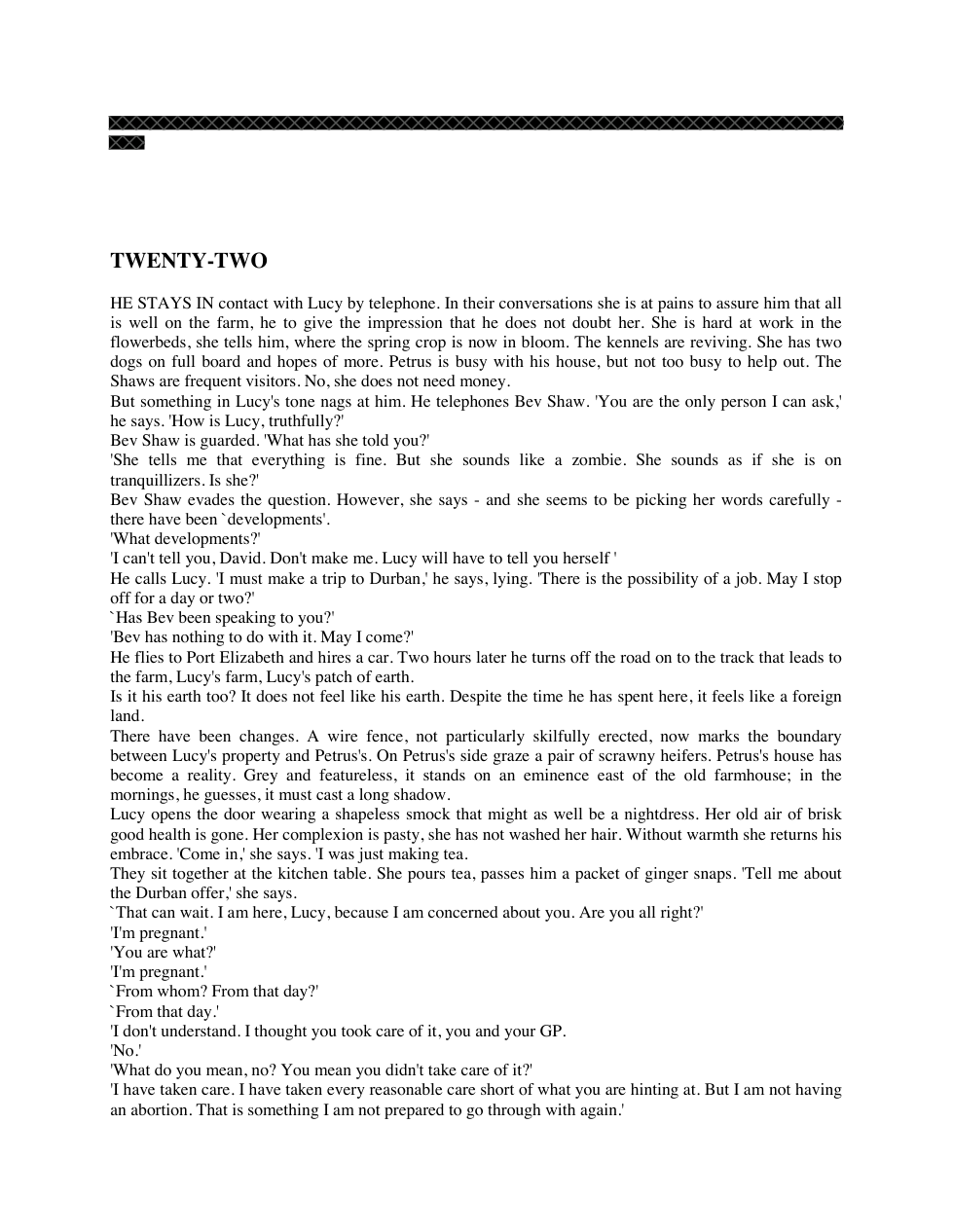
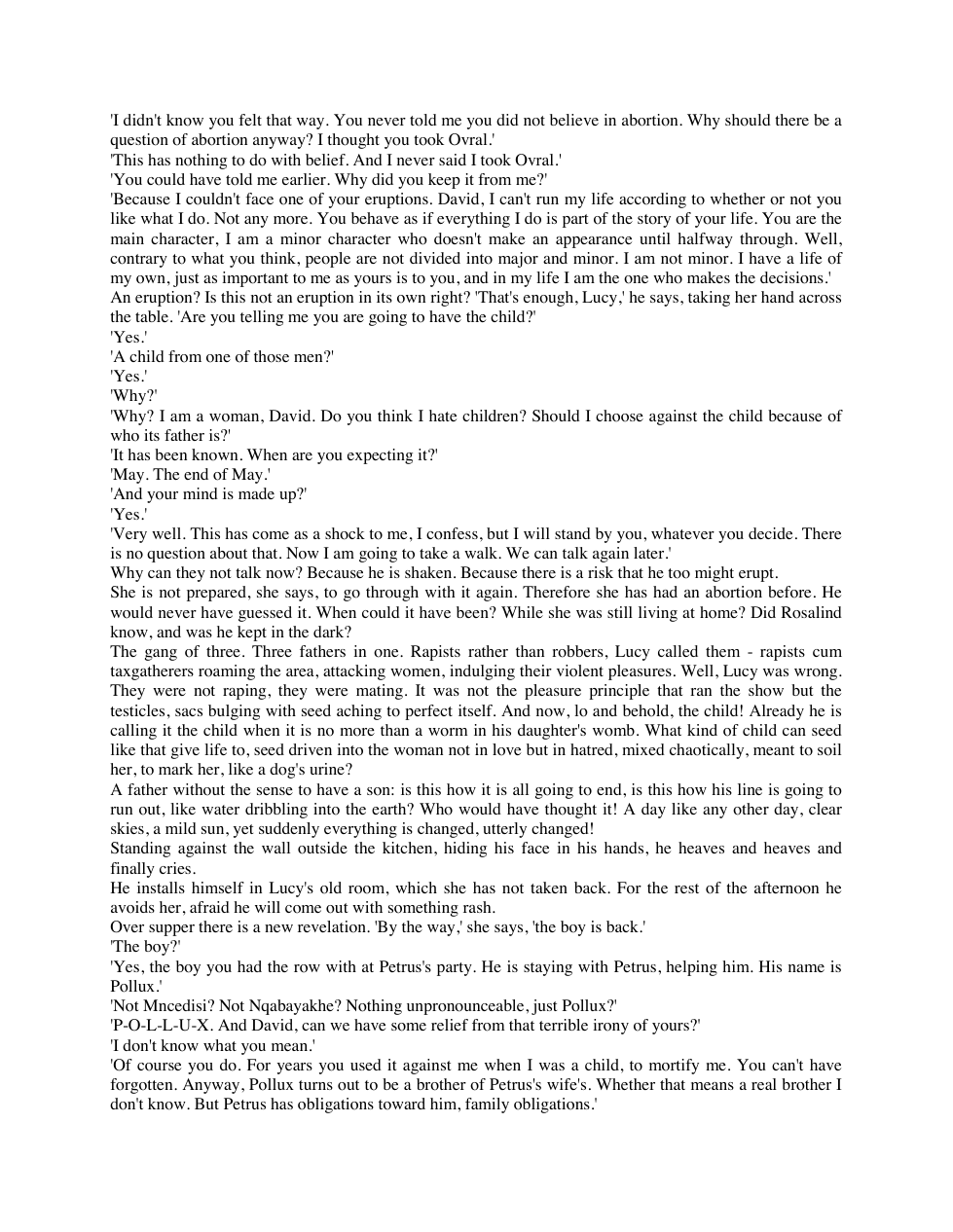
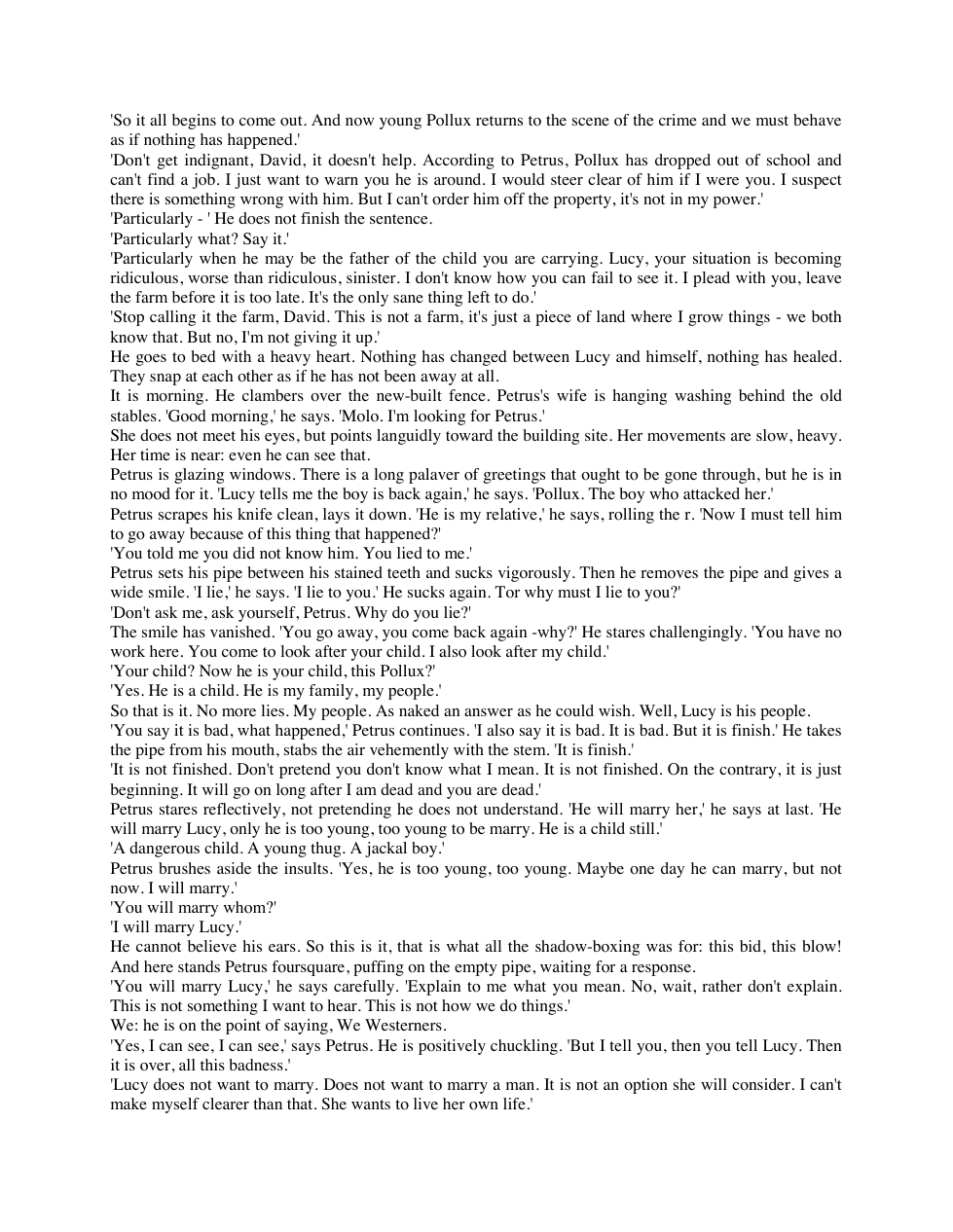
You are about to read chapter 22 of Disgrace.

What you need to know to understand this excerpt is that Lucy found that the attack has left her pregnant and that her father, David, doesn't know.

In this chapter David, who has difficulty feeling empathy is put to the test. Will he support his daughter's decision? And, what role can he play in her life?

All the major themes of this novel are showcased in this chapter; the biggest themes being empathy, love & support, and the (in)ability to change.

While reading look out for scenes in which these themes are portrayed.
Required
3

Identify the following scenes:

- one scene which shows Empathy
- one scene which shows that shows Love and Support
- one scene which shows the (in)ability to change

Write down which scenes you found and which themes they portray.

Creative assignment 3
What: create an informative poster about this book in which you relate elements from the story to South Africa’s culture.

How: work in groups of 4. Use a digital tool such as Prezi, Canva, Keynote, or PowerPoint to create your poster. Everything on the poster has to be in English.

When: 15 - 20 minutes

Why: you do this to interpret and find meaning in the text and you discover how this relates to the culture the story is set in.

Done: hand in your assignment on the right-hand side of this page. The best posters will be printed and out on display somewhere in the school.

Help: you can use the internet, classmates and your teacher as resources for this assignment.
Required
5

This is where you can hand in your assignment.

Evaluation
This is the end of the lesson series about Disgrace.

The aims of this lesson were:
  • You know about South Africa’s Apartheid regime.
  • You know the plot of the book Disgrace.
  • You can evaluate the main characters‘ decisions.
  • You can analyse the novel’s literary elements.
  • You can give your opinion about the themes in the book Disgrace.
  • You might be tempted to read the entire story.
  • You get an inside look into a social phenomenon which you are unfamiliar with.
  • You use critical thinking skills to form a well-balanced opinion.
If you are interested in more:
- Read the novel Disgrace
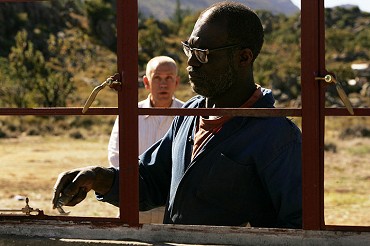
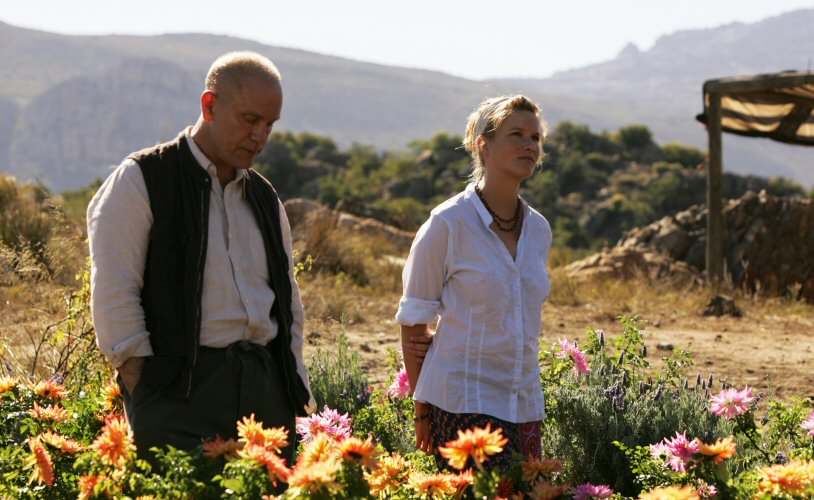
- Watch the 2008 movie Disgrace
- Read the short story Once Upon a Time by Nadine Gordimer
Required
0

Did you reach the goals set for this lesson series?

Required
0

Which part of the material/lesson was most interesting to you?

Required
0

Which question about Disgrace or South Africa do you still have after this lesson series?