The Greco-Persian Wars
star
star
star
star
star
Last updated about 2 months ago
25 questions
Standard IV: Identify cultural contributions of Classical Greece, including politics, intellectual life, arts, literature, architecture, and science.
Required
1
(DOK 1) ALL of the following statements about The Histories are true EXCEPT:
Required
2
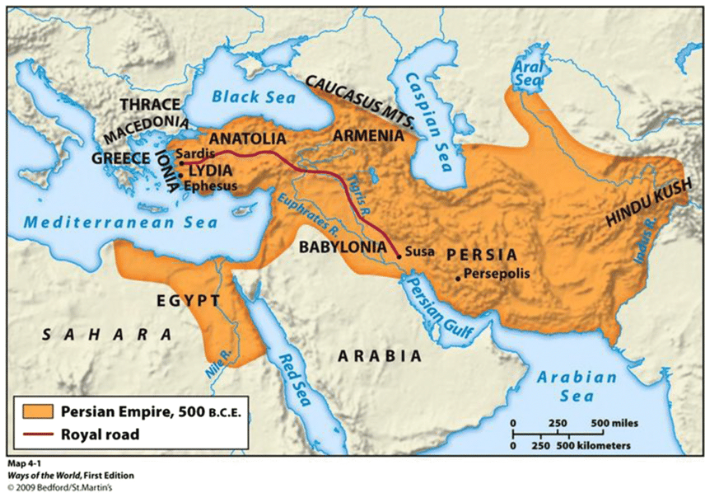
(DOK 1) The map illustrates the size of the Persian Empire circa 500 B.C. Identify the two river valley civilizations that the Persians had conquered.
Required
1
(DOK 1) The Greco-Persian Wars began when Athens aided which Greek territory in Asia Minor?
Required
1
(DOK 1) The Greek phrase __________, symbolizes unconditional surrender/submission to a conqueror.
Required
1
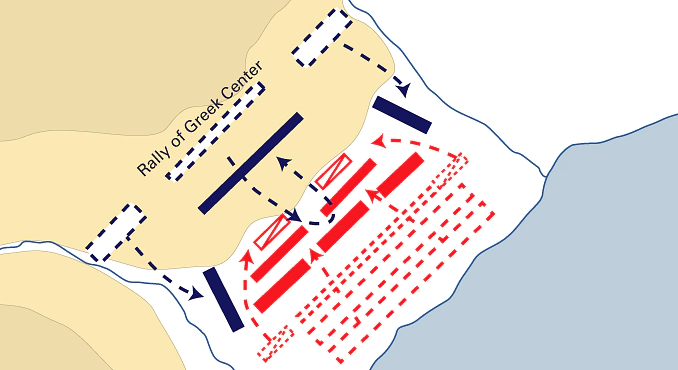
(DOK 1) Identify the major battle of the First Persian War (491-490 B.C.).
Required
1
(DOK 1) Identify the main Greek combatant that fought against Persia in the battle.
Required
1
(DOK 1) Who was victorious?

Required
1
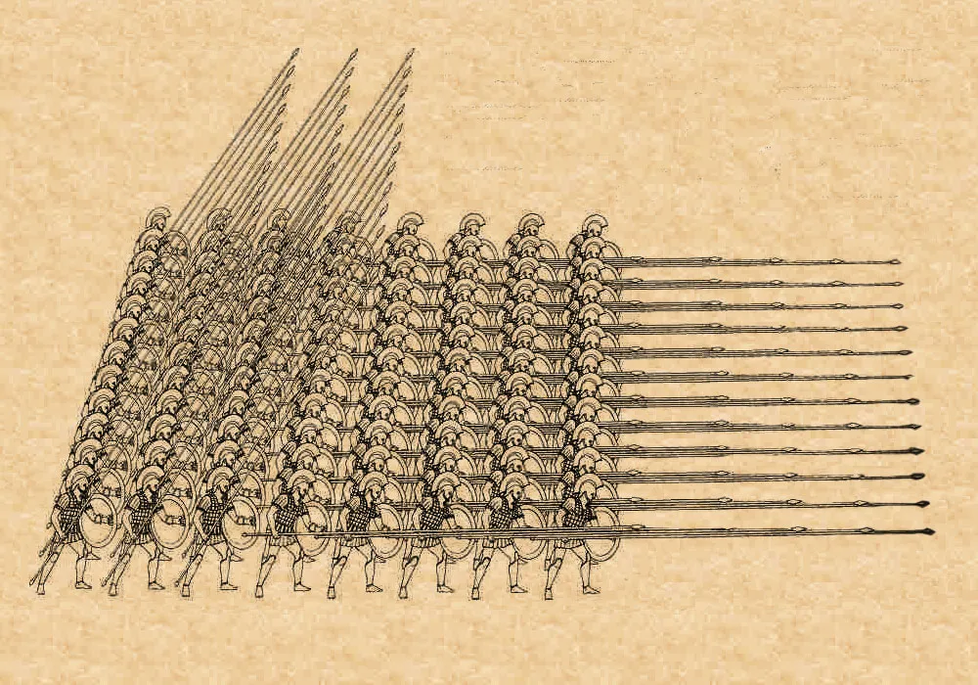
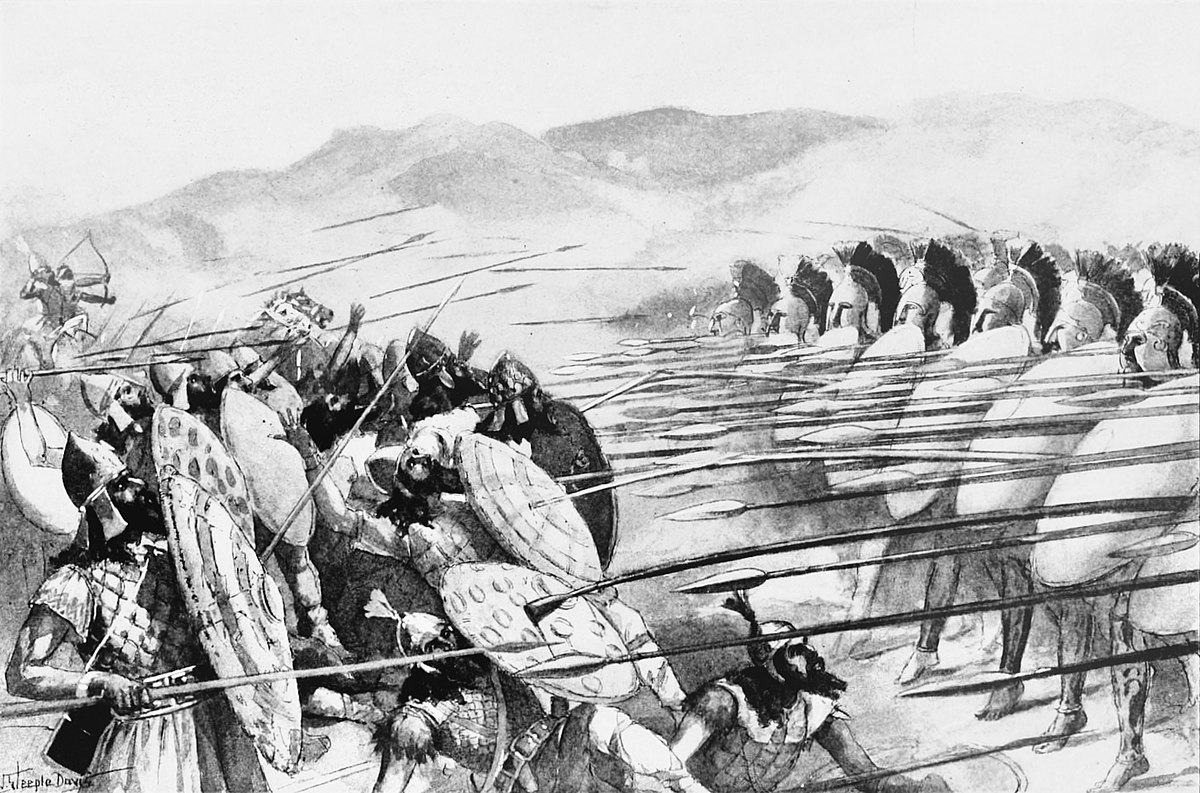
(DOK 1) Name the military formation used by both the Athenians and Spartans during the Greco-Persian Wars.

Required
1
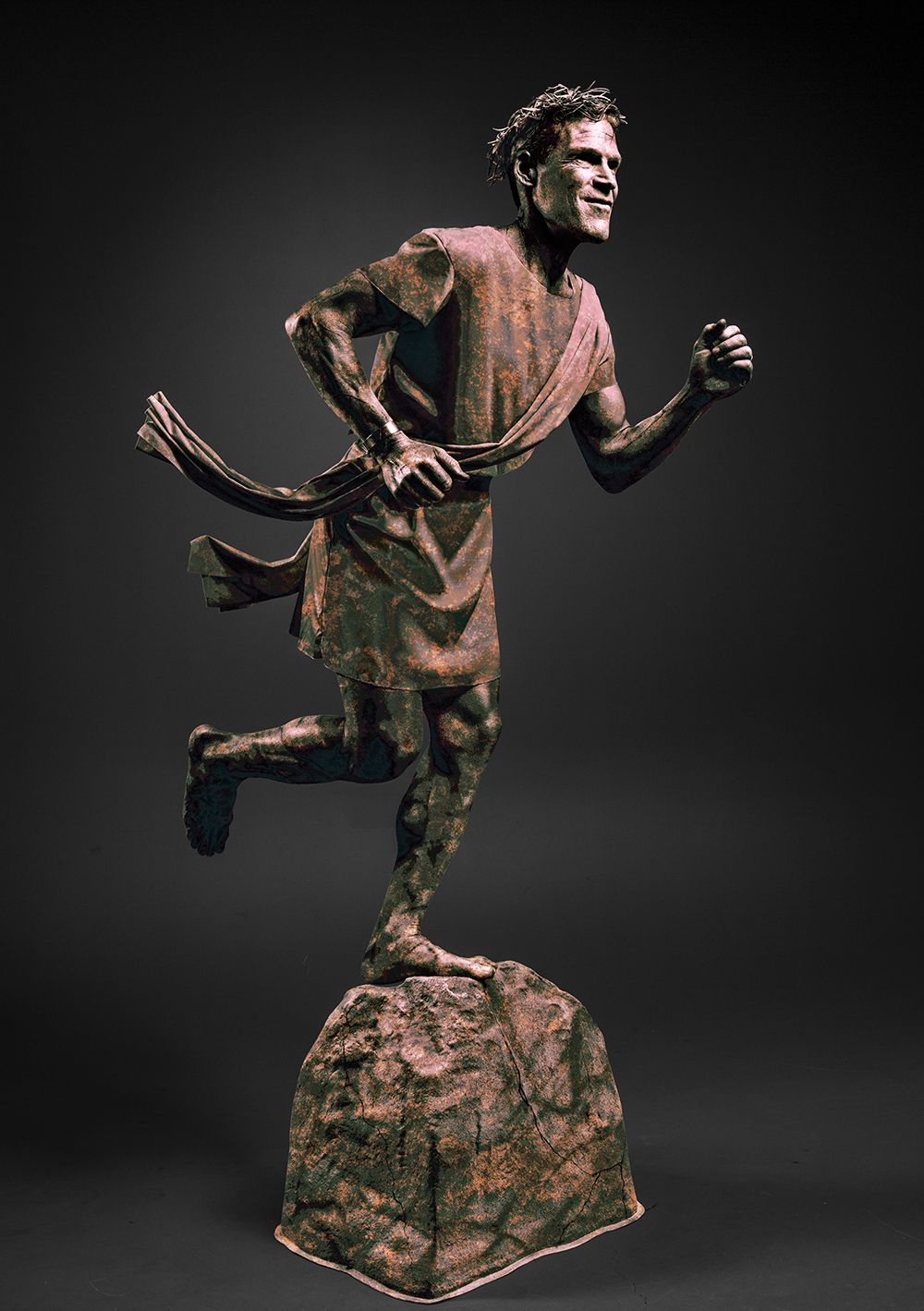
(DOK 1) Pheidippides' run and quote "Rejoice, rejoice, we conquer!" influenced which modern athletic apparel company?
Required
1
(DOK 1) Marathon is the name of a Greek town but overtime it became more synonymous with a long distance foot race. How many miles is a marathon?

Required
1
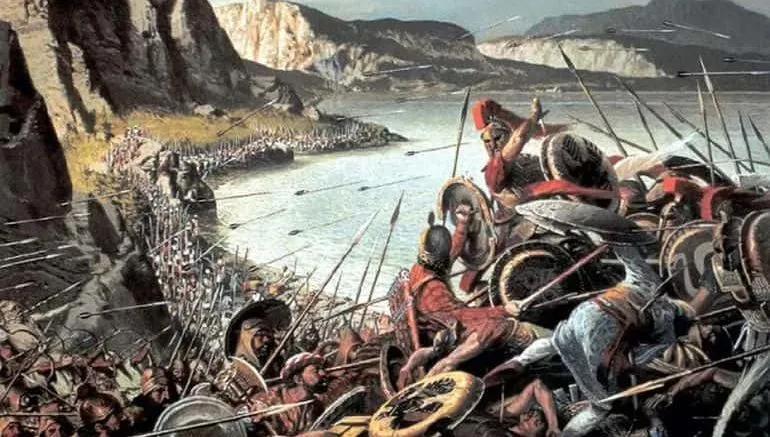
(DOK 1) Identify the first major battle of the Second Persian War (480-479 B.C.).
Required
1
(DOK 1) Identify the main Greek combatant that fought against Persia in the battle.
Required
1
(DOK 1) Who was victorious?
Required
1
(DOK 1) Identify the Persian military unit whose name stemmed from the custom that every killed, seriously wounded, or sick member was immediately replaced with a new one, maintaining the corps as a cohesive entity with a constant strength.
Required
1
(DOK 1) Although technically a loss, the Spartans were victorious in slowing the Persian advance and allowing the Athenians to flee their city-state.

Required
1
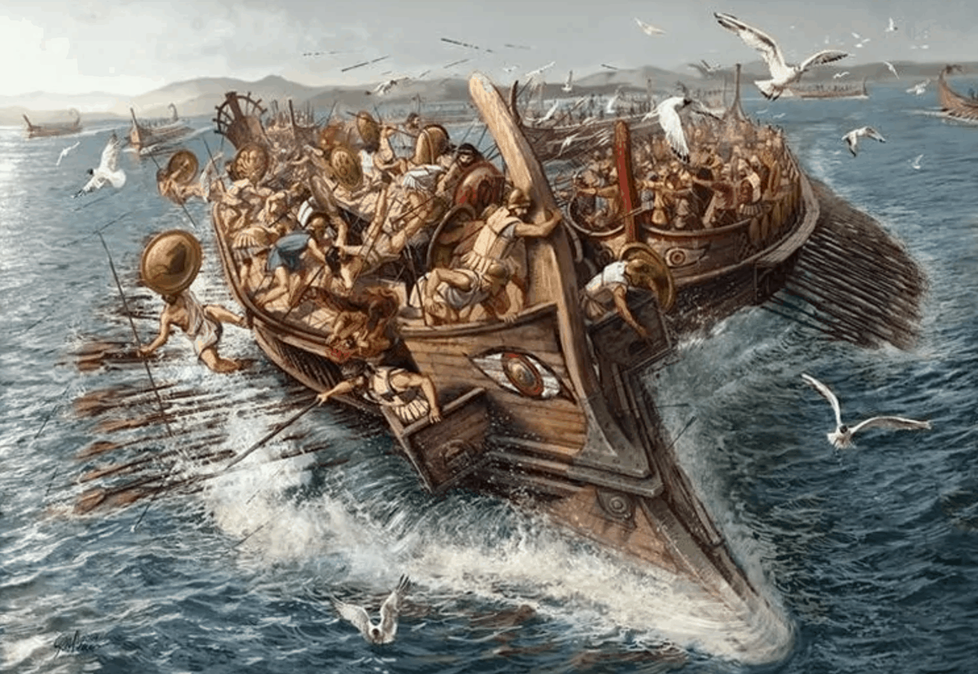
(DOK 1) Identify the first major naval battle of the Second Persian War (480-479 B.C.).
Required
1
(DOK 1) Identify the main Greek combatant that fought against Persia in the battle.
Required
1
(DOK 1) Who was victorious?
Required
1
(DOK 1) Greek naval forces were successful because their boats were larger and could sustain more damage.
Required
1
(DOK 1) A trireme consists of three banks of oars.

Required
1
(DOK 1) Identify the last major battle of the Second Persian War (480-479 B.C.).
Required
1
(DOK 1) Identify the main Greek combatant that fought against Persia in the battle.
Required
1
(DOK 1) Who was victorious?
Required
1
(DOK 1) The Greco-Persian Wars were significant for Athens because it gave rise to their cultural rebirth during the Golden Age.
Required
7
(DOK 1) Match the name with the correct description.
| Draggable item | arrow_right_alt | Corresponding Item |
|---|---|---|
Xerxes I | arrow_right_alt | king of Persia; declared war on Athens and began the Greco-Persian Wars. |
hoplite | arrow_right_alt | king of Persia and son of Darius I; fought against Leonidas at the Battle of Thermopylae. |
Pheidippides | arrow_right_alt | a common, heavily armed Greek foot-soldier. |
Leonidas | arrow_right_alt | Greek courier; ran 26 miles to alert Athens of victory then tragically died. |
Delian League | arrow_right_alt | king of Sparta; led a fateful last stand at the Thermopylae Pass. |
Darius I | arrow_right_alt | Athenian naval commander; commanded the Greek forces at Salamis. |
Themistocles | arrow_right_alt | a group of Greek city-states directed to prevent future Persian threats. |