Plate Tectonics Quiz

Last updated about 2 years ago
18 questions
Required
5

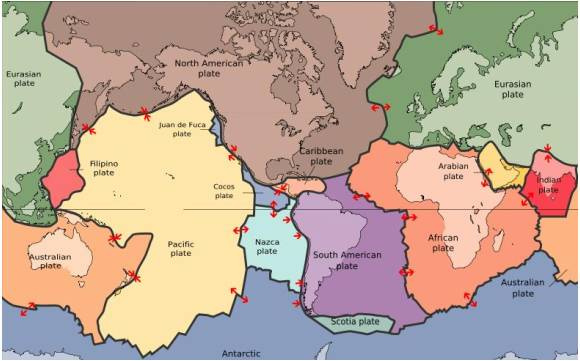
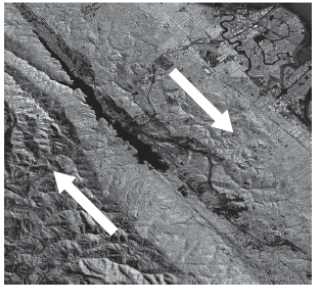
The image shows a plate boundary. Arrows have been added to indicate the movement of the plates. What plate boundary feature is also shown?
Required
5
The type of plate boundary that creates new sea-floor__________
Required
5

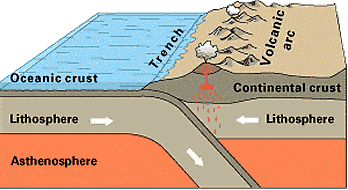
What is subduction?

Required
5

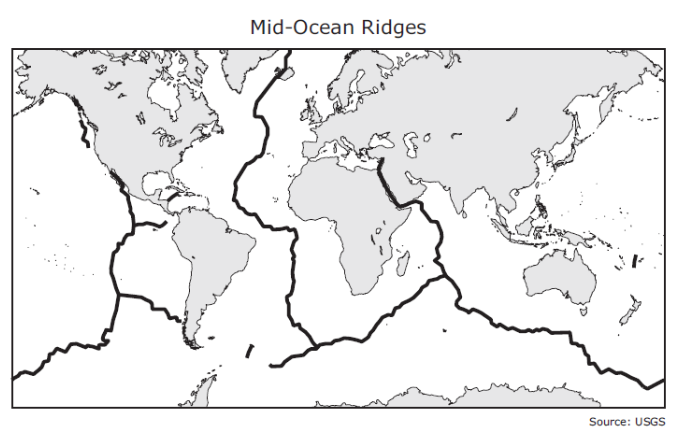
The thick black lines on the map below show the locations of mid-ocean ridges. Which geologic feature is most likely to form at a mid-ocean ridge?

Required
5

Which of the following causes Earth's tectonic plates to move?

Required
5

What type of plate boundary is shown here?

Required
5

What does the theory of continental drift state?

Required
15
Plates sliding toward each other are called__________. Plates moving away from each other are called __________. Plates sliding past each other are called __________
Required
5

The map in the picture shows tectonic plate boundaries.


This map would be useful in predicting the location of future:

Required
5

Rift valleys can form when fractures in Earth's crust widen. The valley walls slowly move at a rate of only a few millimeters a year. Which of these best describes the type of tectonic activity that forms rift valleys?

Required
5

What evidence did Wegener use to support his theory?

Required
5

A mid-ocean ridge is located at the boundary of two tectonic plates. Which diagram correctly models the relative motion on each side of a mid-ocean ridge?

Required
5

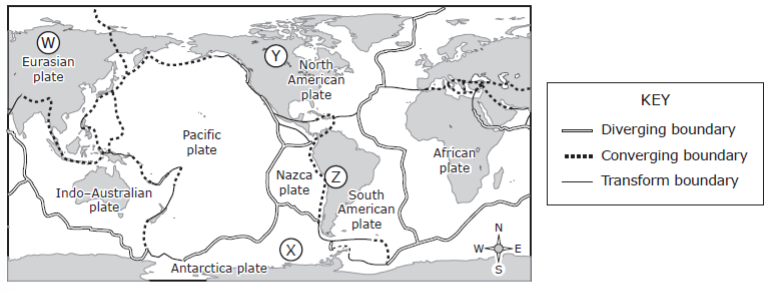
The map shows some of Earth's plate tectonic boundaries.

Based on the map, volcanic activity would most likely be found at:

Required
5

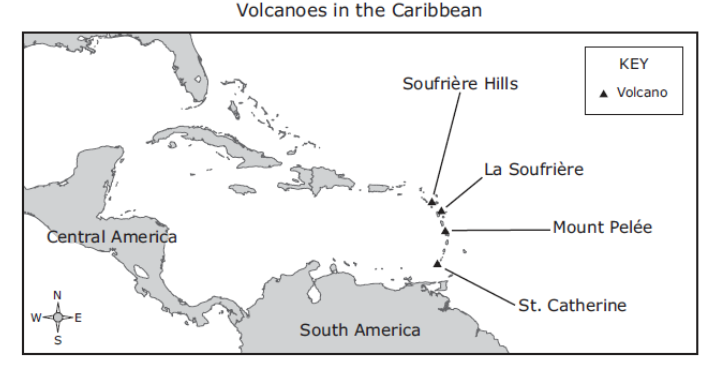
The map below shows the locations of four active volcanoes in the Caribbean Sea.
What do these volcanoes indicate about plate tectonics in the region?

Required
5

If oceanic crust collides with continental crust at a convergent boundary, which one goes underneath?

Required
5

How is it possible for new crust to be formed without increasing the surface area of the Earth?

Required
5

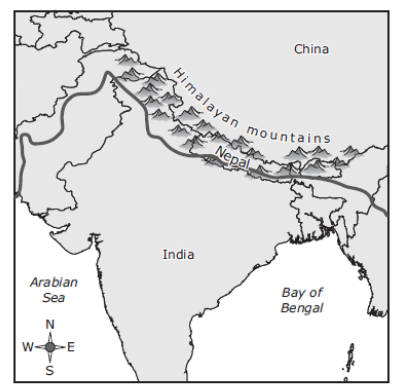
The Himalayan mountains are shown on the map below.

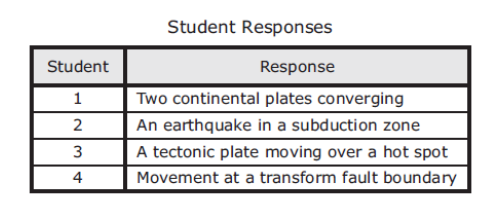
Four students were asked to identify the geologic process that caused the mountain range to form. Their responses are shown.


Which student correctly identified the geologic process that formed the Himalayan mountains?

Required
5

Wegener found fossils of land reptiles on two different continents. This was important because: