Ɛhia
1
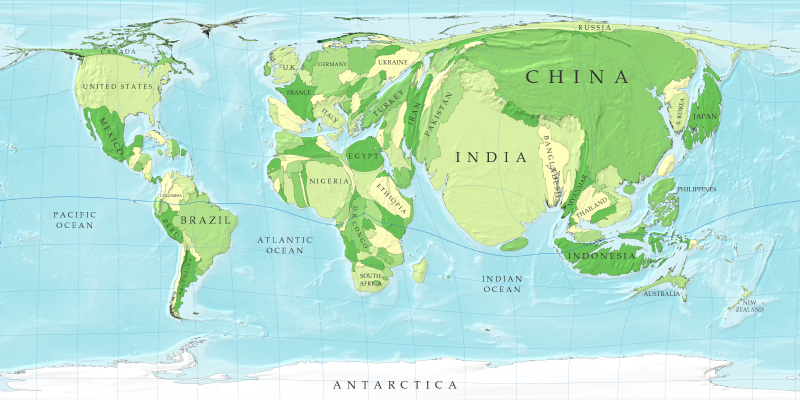
According to the cartogram of human population, which country has the biggest population?
According to the cartogram of human population, which country has the biggest population?
SQN.01
Content Objective: I will be able to determine the historical significance of the slave trade and its long-term impact on African countries .
Standard Objective: I will be able to identify explicitly stated central ideas or themes in text.
Absent? Just want to review the slides? Click here.
Content Objective: I will be able to determine the historical significance of the slave trade and its long-term impact on African countries .
Standard Objective: I will be able to identify explicitly stated central ideas or themes in text.
Absent? Just want to review the slides? Click here.
Today, we are going to learn about the Atlantic Slave Trade. Start by circling the United States and Africa on the World Map.
According to the cartogram of human population, which country has the biggest population?
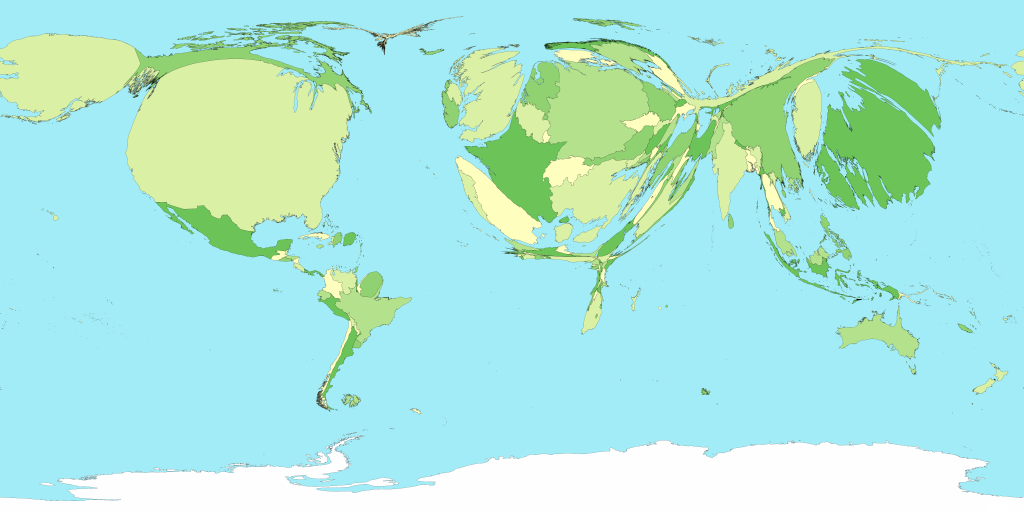
This is a cartogram of the world in which the sizes of countries are proportional to
With your group, please...
circle the continent of Africa in red
circle the country of the United States in blue
Which area of the world is wealthier?
Explain how you know under "Show Your Work."
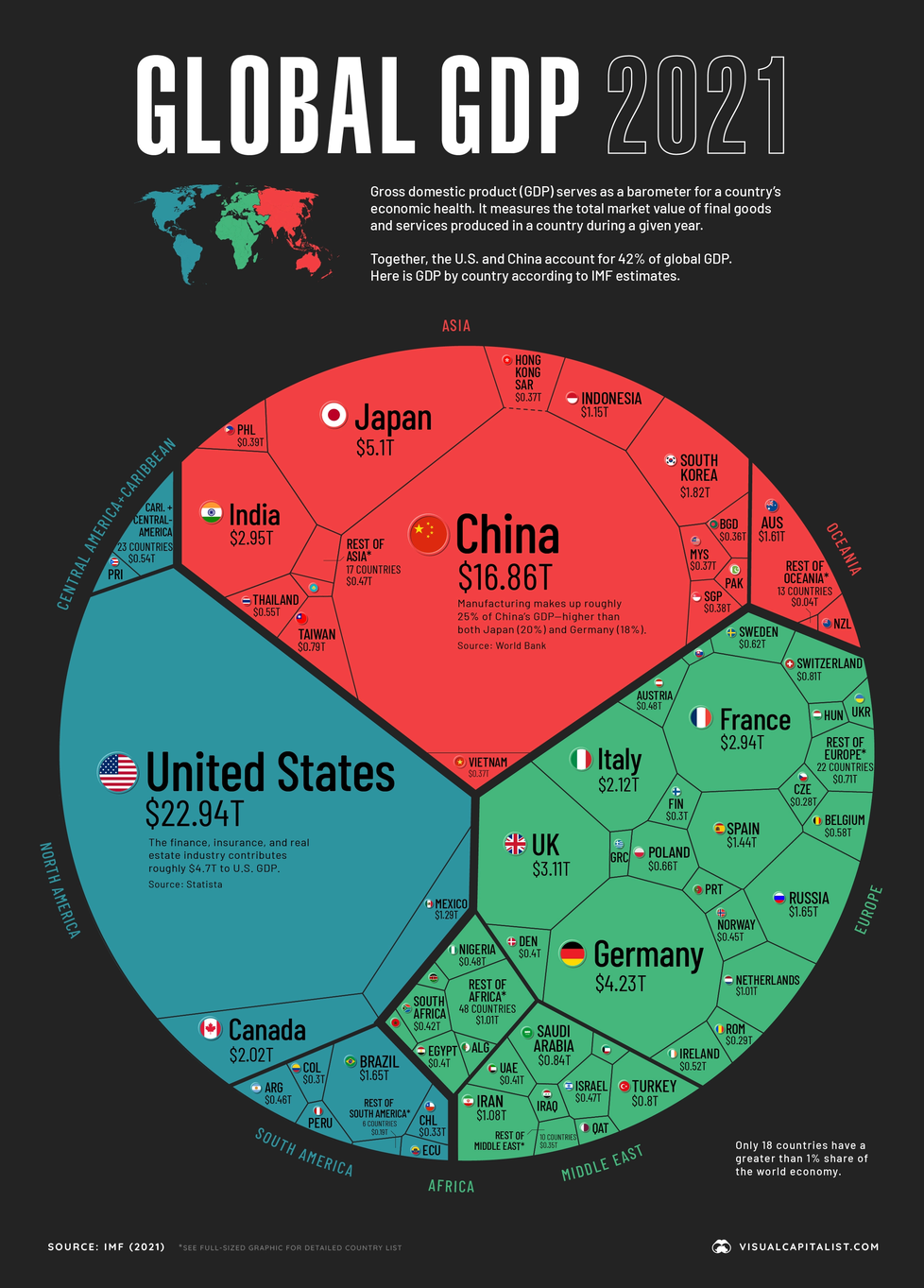
After the United States, which country contributes the most GDP (Gross Domestic Product) to the U.S. economy?
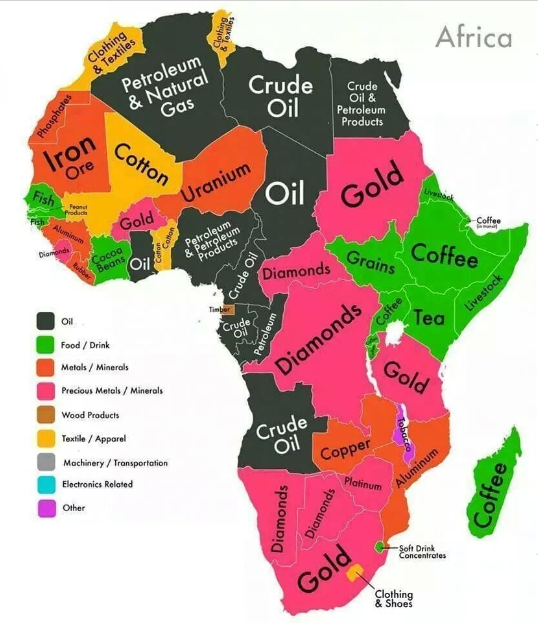
But take a look at all of the natural resources in Africa! Why, then, do you think Africa still has the poorest countries in the world?
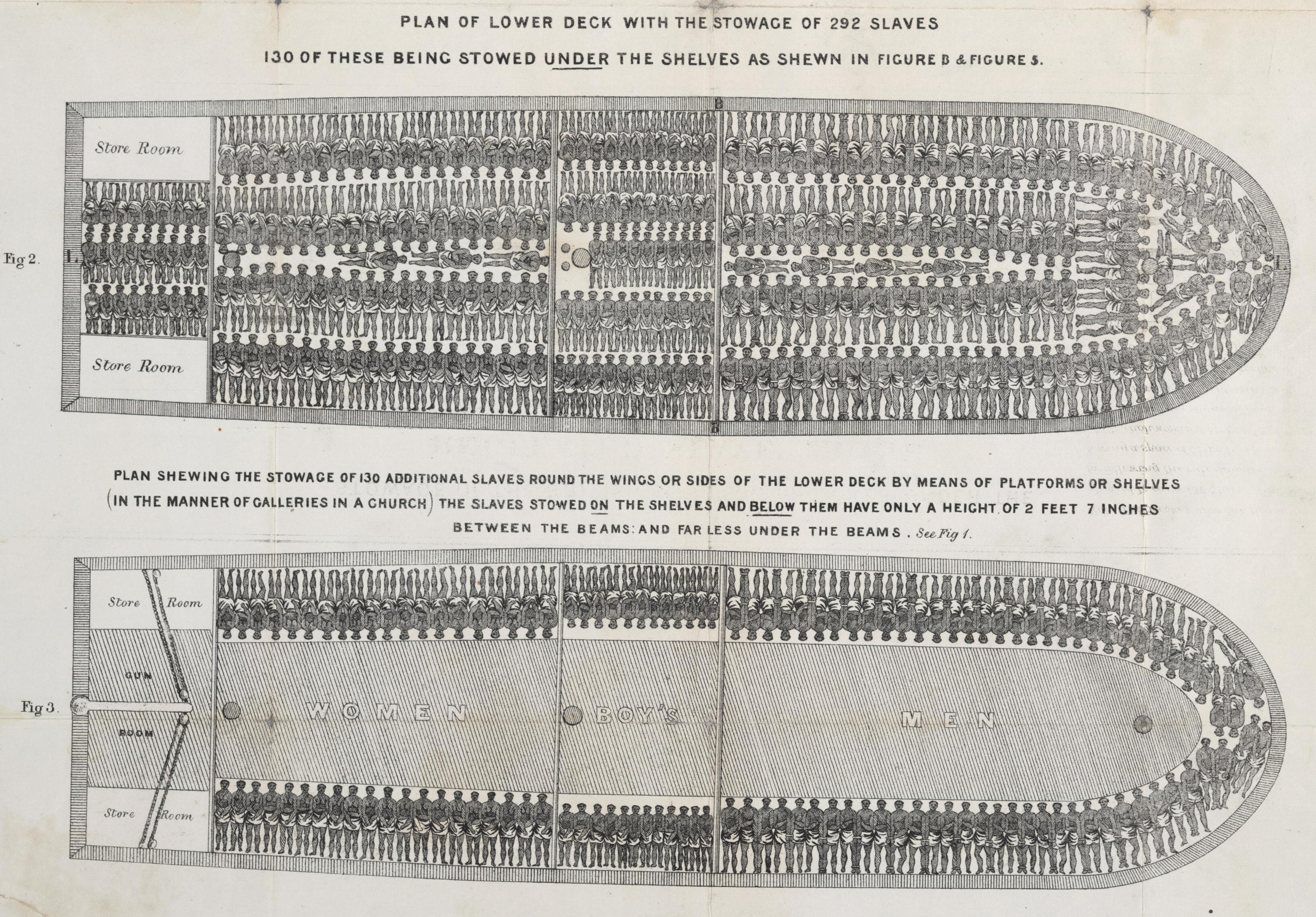
Have you seen this primary source before?
I observe...
List any details you see when looking at the image.
I wonder...
Write down at least one question that you have about the image.
The
Draw the three parts of the Atlantic Slave Trade. Identify the Middle Passage in green.
Match Each "Good" Exchanged to the Correct "Leg" of the Triangle Trade.
Alcohol & Guns ↔ Enslaved People
Enslaved People on the Middle Passage
Raw Materials ↔ Manufactured Goods [Made Products]
Part 1: Europe → Africa
Part 2: Africa → The Americas
Part 3: The Americas→ Europe
Secondary Source One: Time-lapse of slave ships over the centuries
After watching the time-lapse, what is one piece of information you can gather from this secondary source? What is one question you still have about the Atlantic Slave Trade?
Secondary Source Two: Historically Accurate 3D Model
After watching the 3D slave ship model, what is one fact from the video that was most shocking to you?
Please rate how well you understand the content of this lesson.
Optional: Do you have any questions about the content you learned that you would like answered?