1
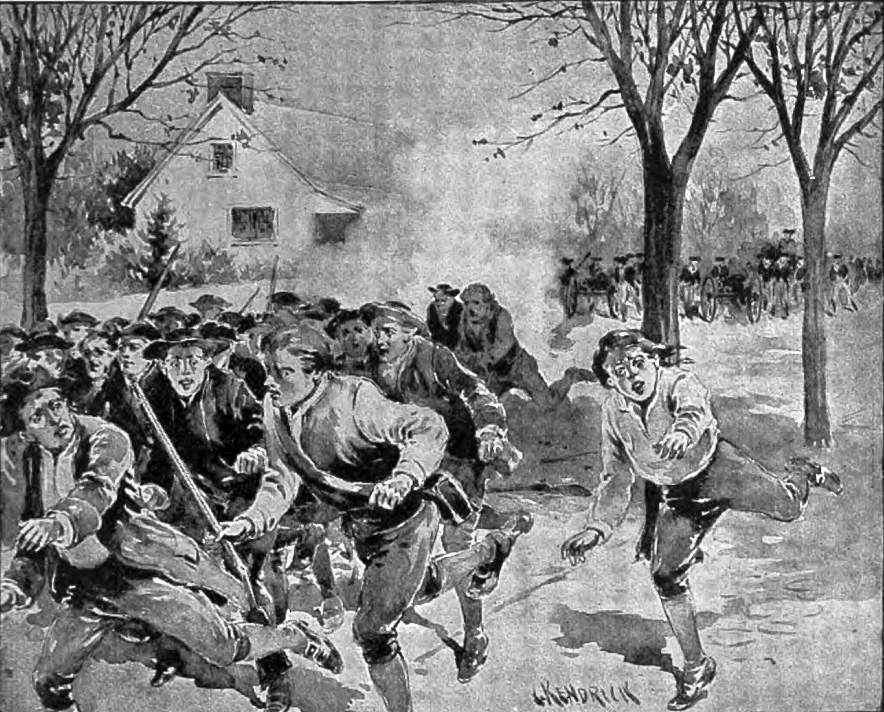
People saw Shays’ Rebellion as a sign that
People saw Shays’ Rebellion as a sign that
In the Articles of Confederation, Congress had all of the following powers EXCEPT the power to
The Article of Confederation had only one branch of Government which was the ____________ branch.
People saw Shays’ Rebellion as a sign that
Under the Articles of Confederation, there was a position of President of the United States.
The only state that did not send delegates to the Constitutional Convention was
The Virginia Plan would benefit
The New Jersey Plan would benefit
Under the Great Compromise, each state was represented ________________ in the Senate.
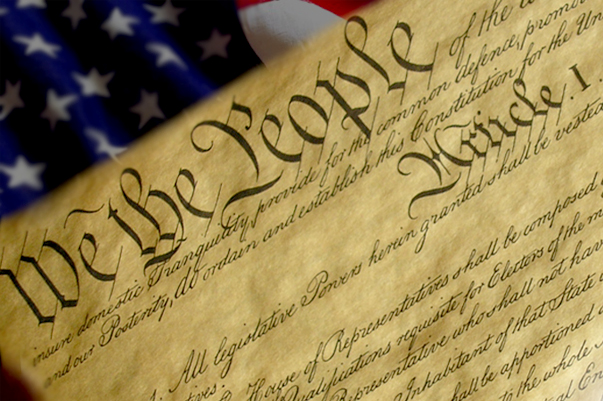
The first paragraph of the US Constitution is called the :
The real issue for opponents of the Constitution was whether the national government
The representative chosen to be the presiding officer of the Constitutional Convention was
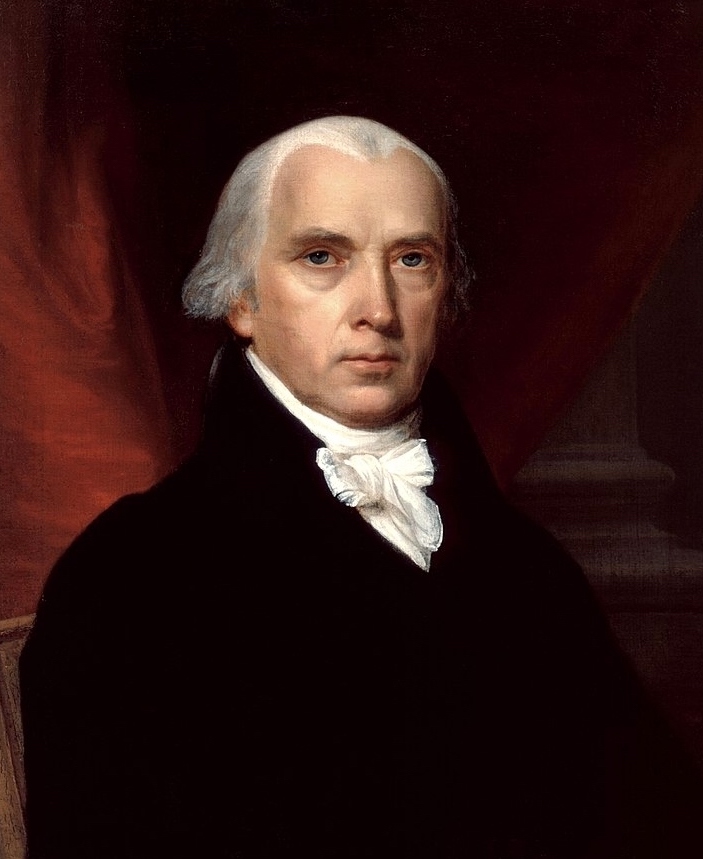
The person in this picture is a lawyer from Virginia and considered the "Father of the Constitution."
An agreement called the was met, regarding slaves counting towards population & taxes.
The system set up in our Constitution that allows for branches to have powers over other branches is called
Match the minimum age requirement with the position in office.
| Draggable item | arrow_right_alt | Corresponding Item |
|---|---|---|
35 years | arrow_right_alt | House of Representative |
25 years | arrow_right_alt | Senator |
30 years | arrow_right_alt | President |
In the Constitution, which branch of government Enforces/Carries out the law?
In the Constitution, which branch of government Interprets/Reviews the law
In the Constitution, which branch of government Makes the law
A proposed bill must start in which chamber of Congress?
There are Senators from every state.
How long is one term for a Senator?
How long is one term for a member in the House of Representatives?
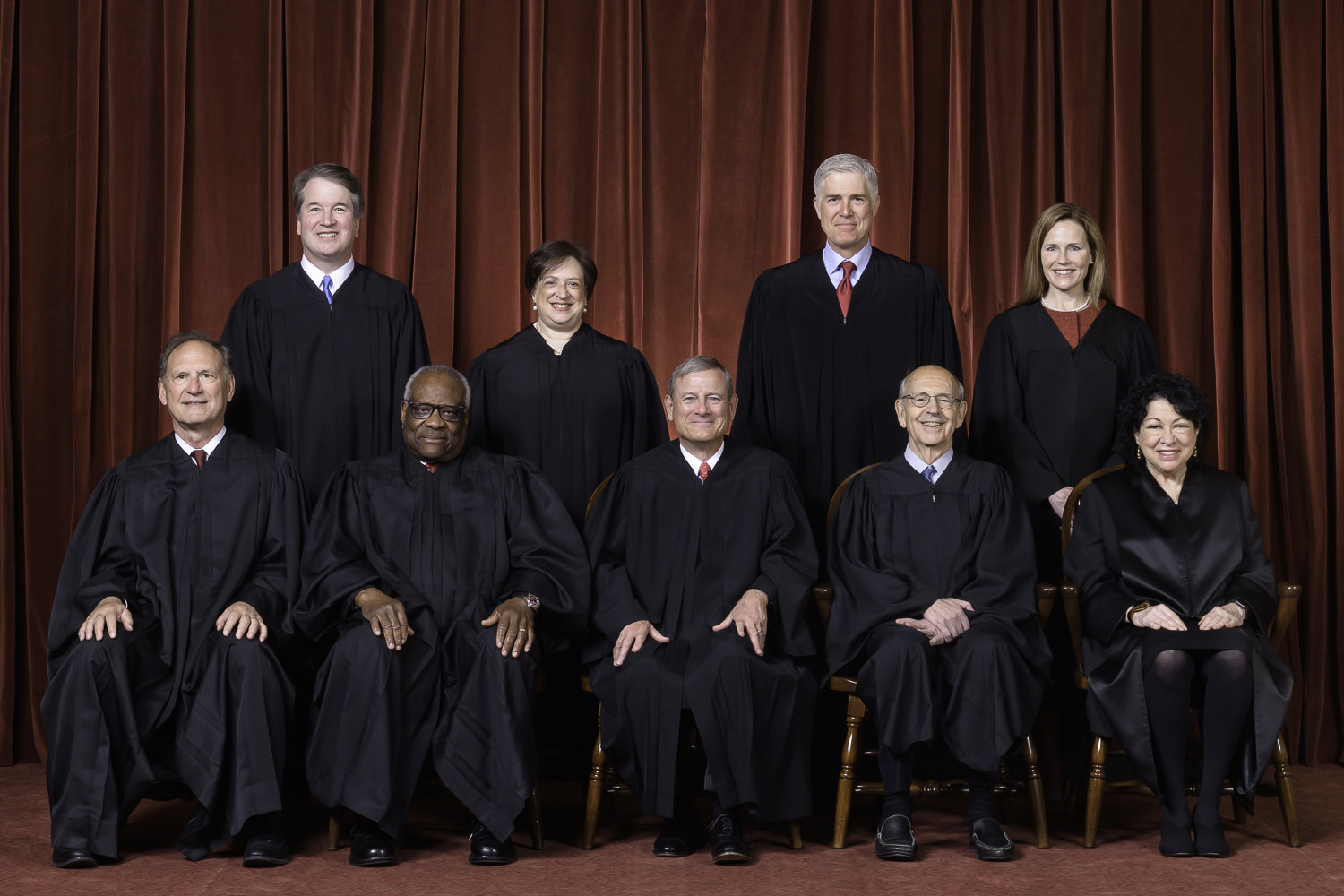
Supreme Court members are appointed by the and approved by the .
How long does a Supreme Court Justice serve?
Match each Article of the Constitution to the correct description.
| Draggable item | arrow_right_alt | Corresponding Item |
|---|---|---|
Judicial Branch | arrow_right_alt | Article I (1) |
Amending the Constitution | arrow_right_alt | Article II (2) |
State Powers (treatment of other states) | arrow_right_alt | Article III (3) |
Executive Branch | arrow_right_alt | Article IV (4) |
Ratification (and signatures) | arrow_right_alt | Article V (5) |
Legislative Branch | arrow_right_alt | Article VI (6) |
Supremacy Clause (Constitution is top law) | arrow_right_alt | Article VII (7) |
Who must sign a bill before it becomes law?
The ______ amendment protects people from cruel and unusual punishment
The ______ amendment provides the right to petition and protest, as well as freedom of speech & religion.
The ______ amendment gives us the right to own firearms.
The ______ amendment provides the right to a Fair and Speedy trial in criminal cases.
The ______ amendment provided the right against Self-Incrimination (being forced to testify against yourself).
The ______ amendment protects us from illegal searches and seizures.
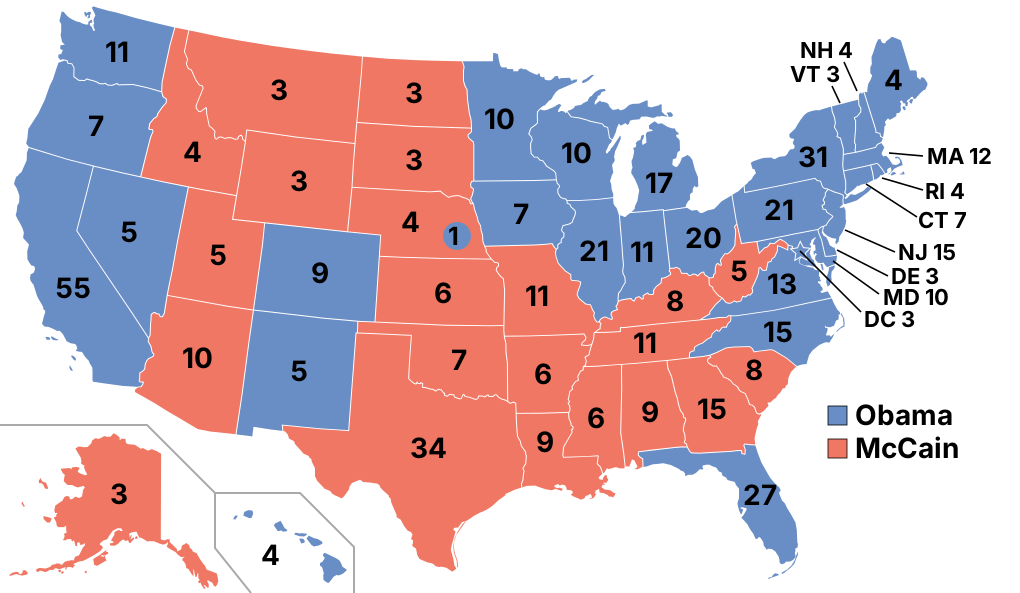
The Electoral College decides the Presidency. Instead of just a popular vote, the President must win the states. Each state has a value which is equal to the number of added together.