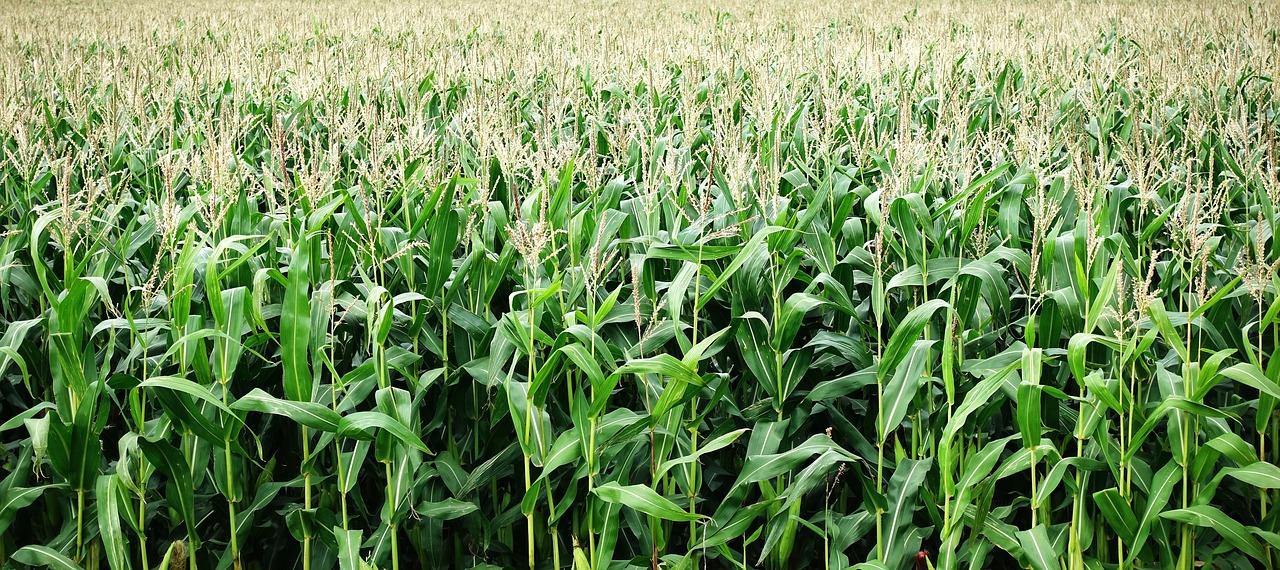
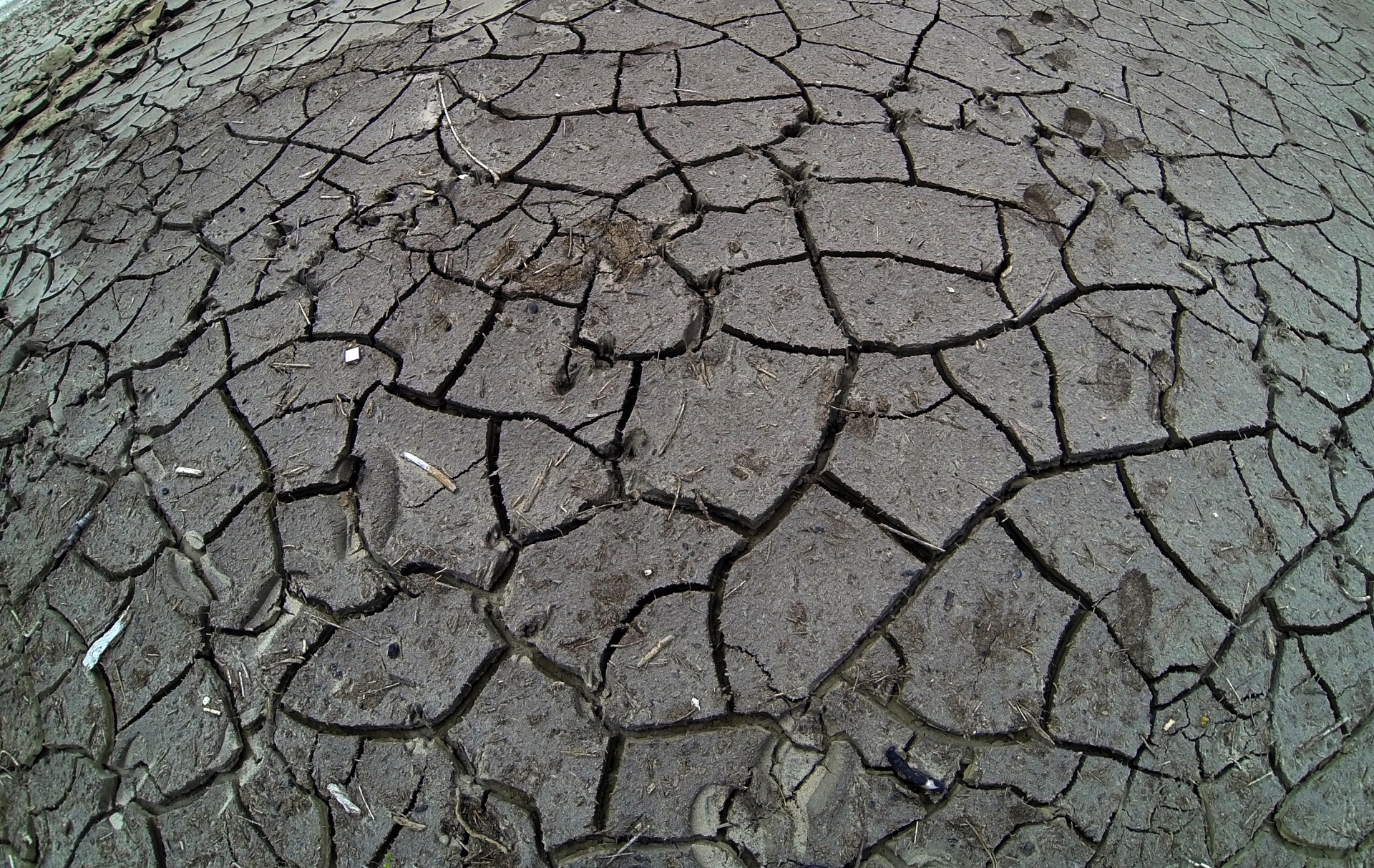
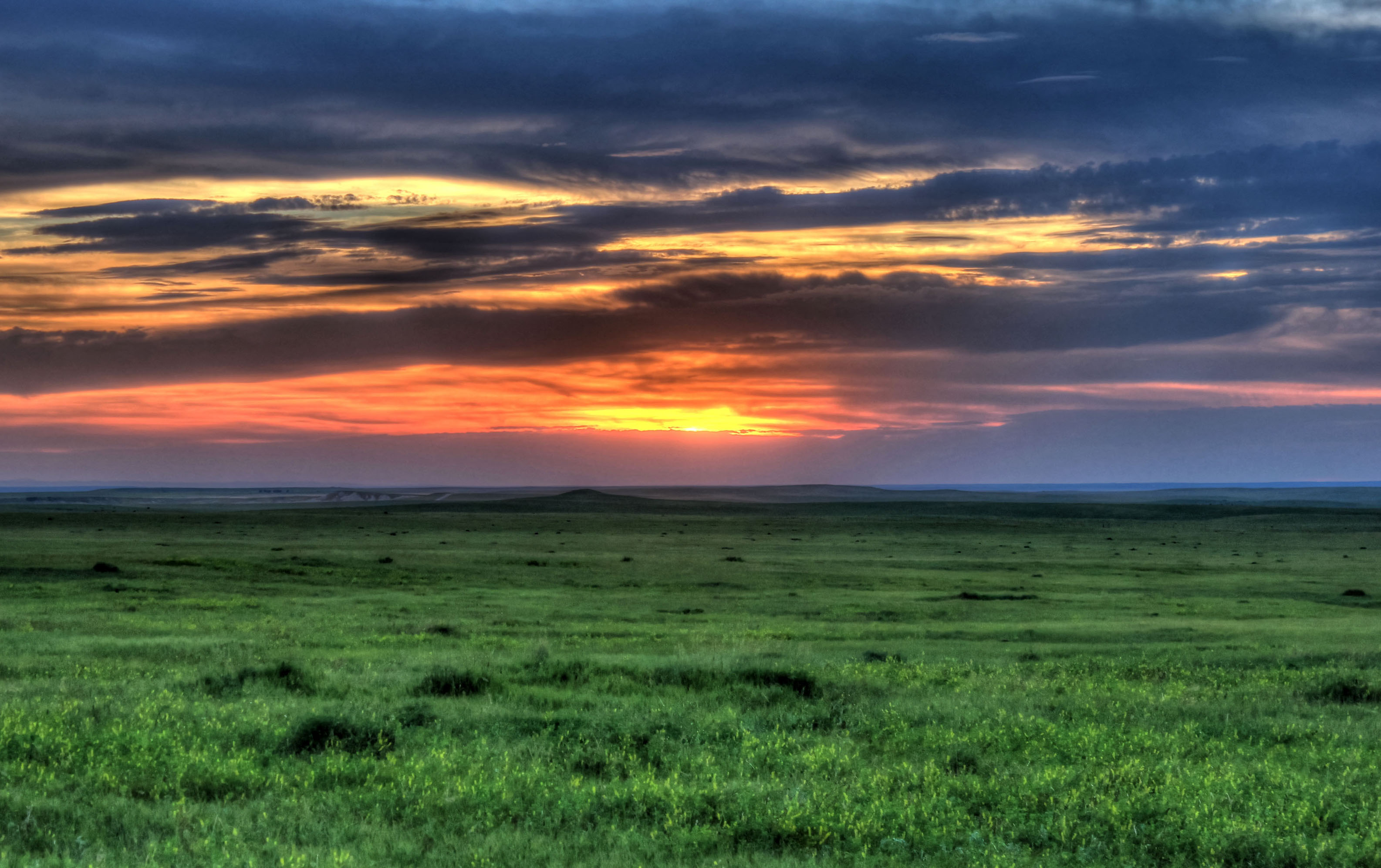
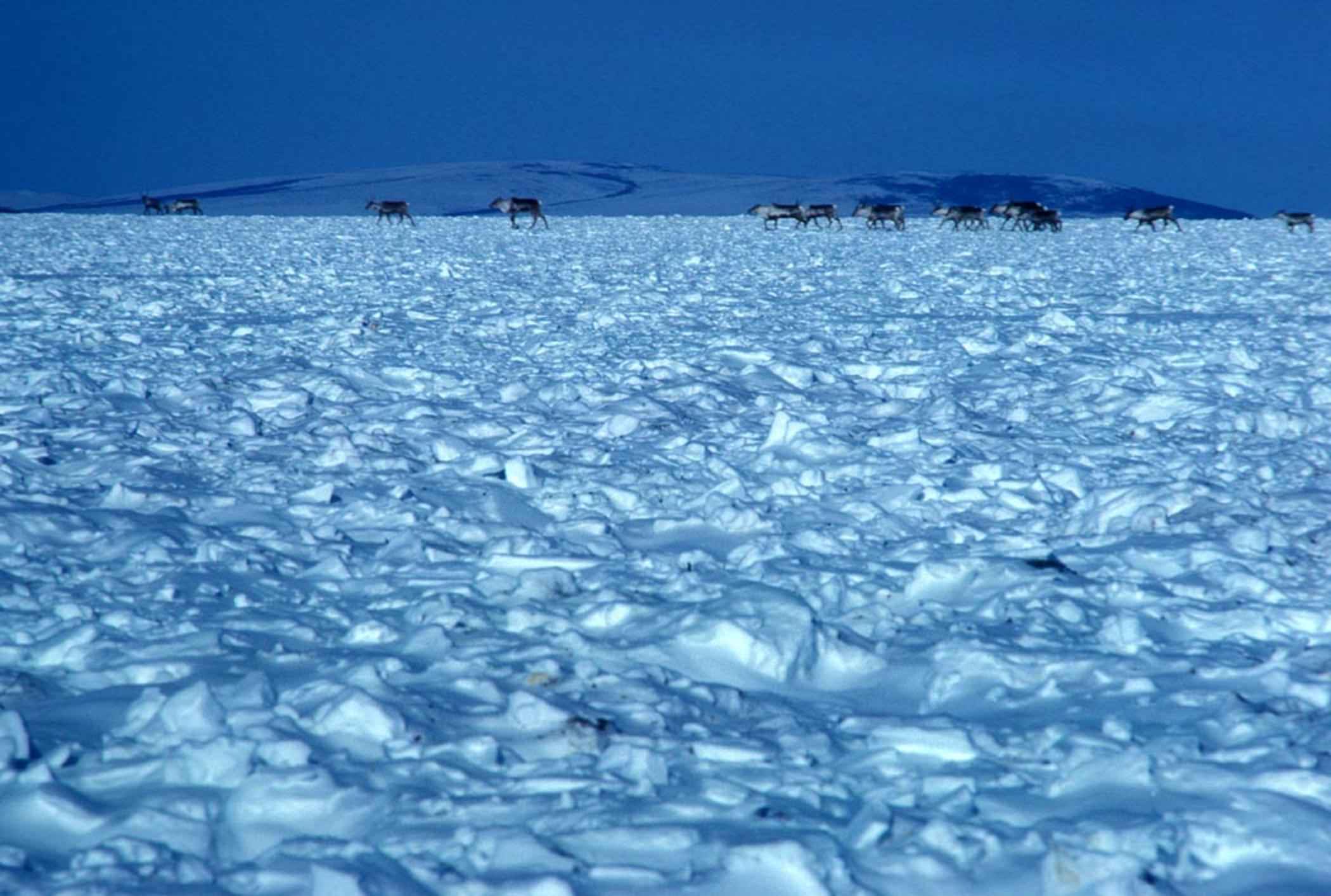
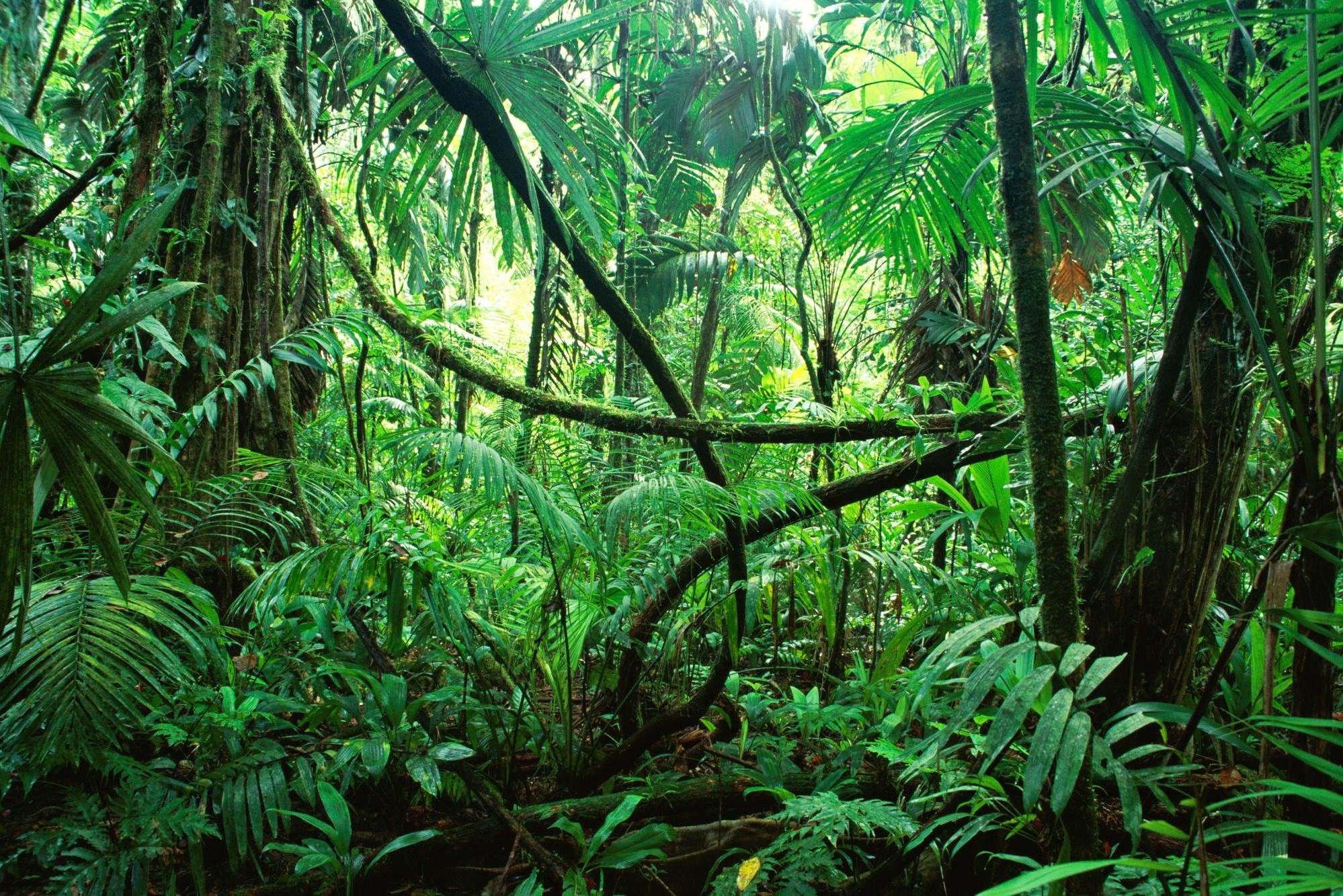
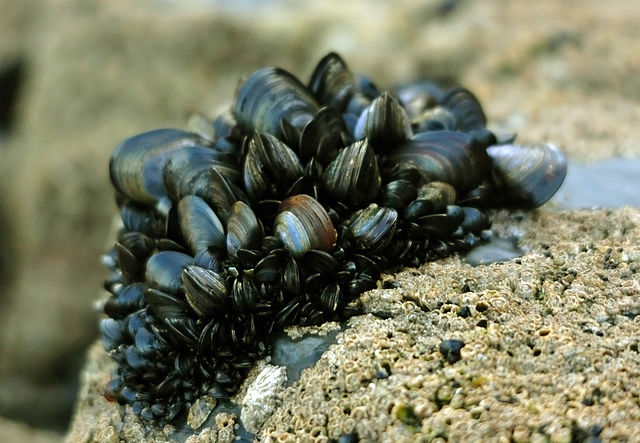
Match the example image to the correct species interaction
Match the example image to the correct species interaction
Item 1
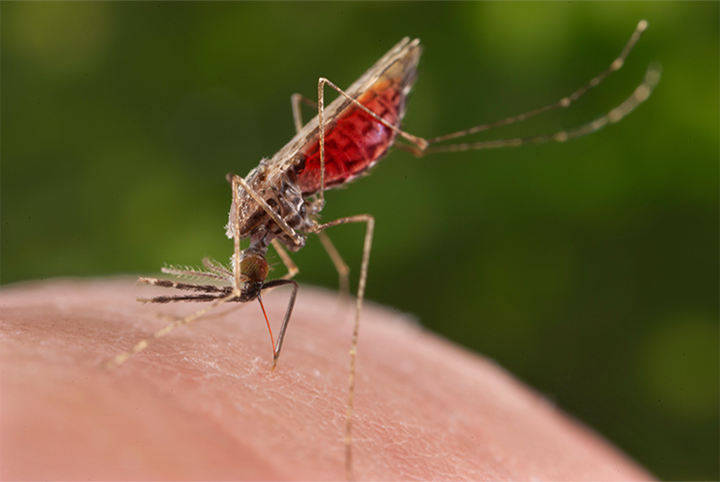
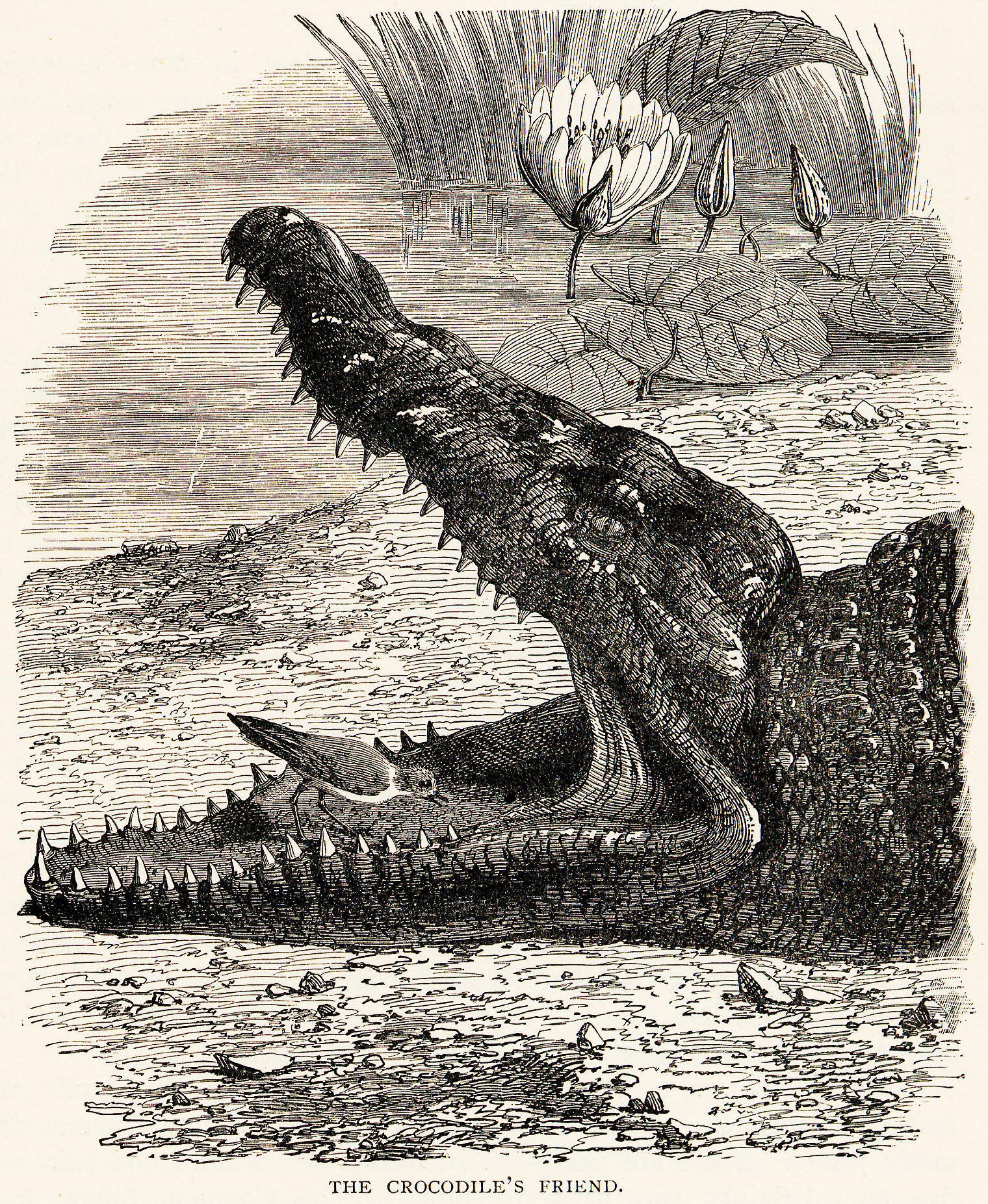
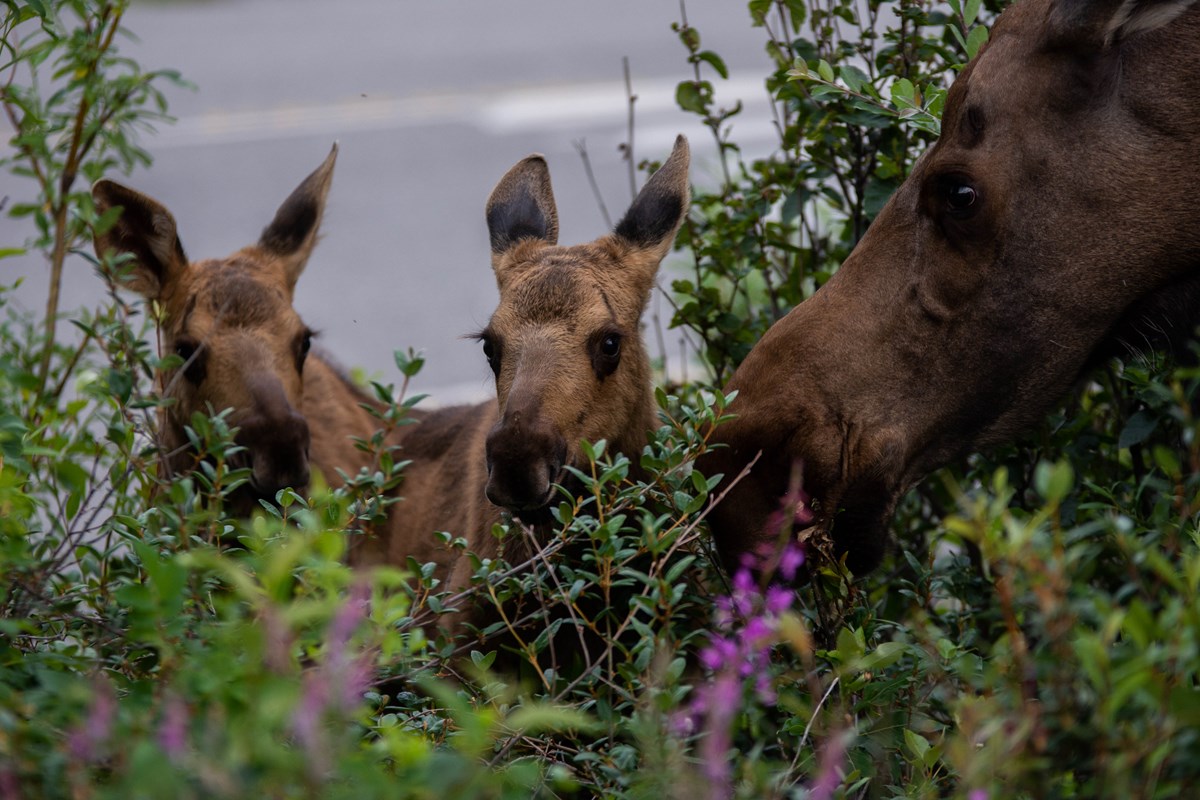
Item 2
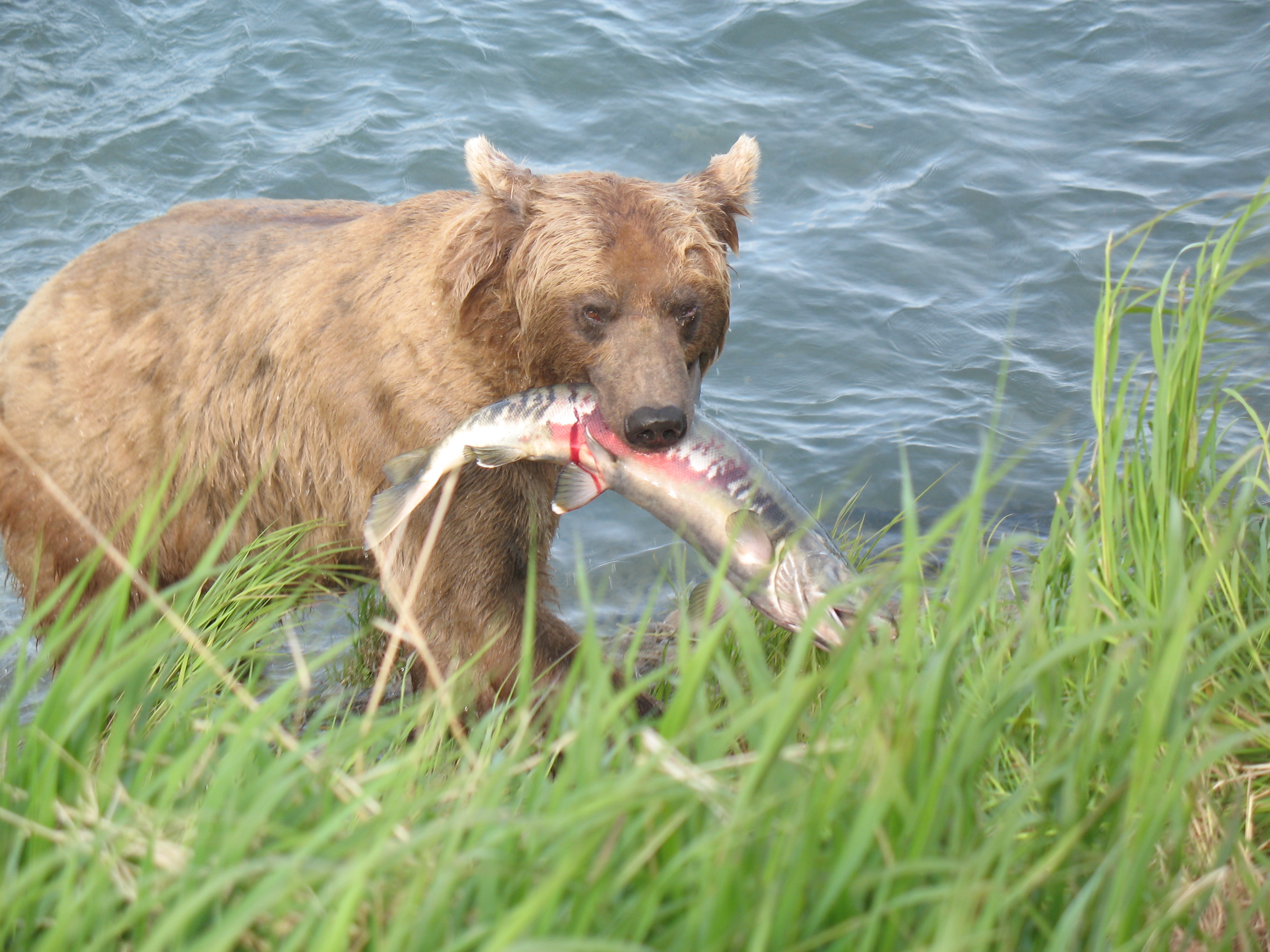
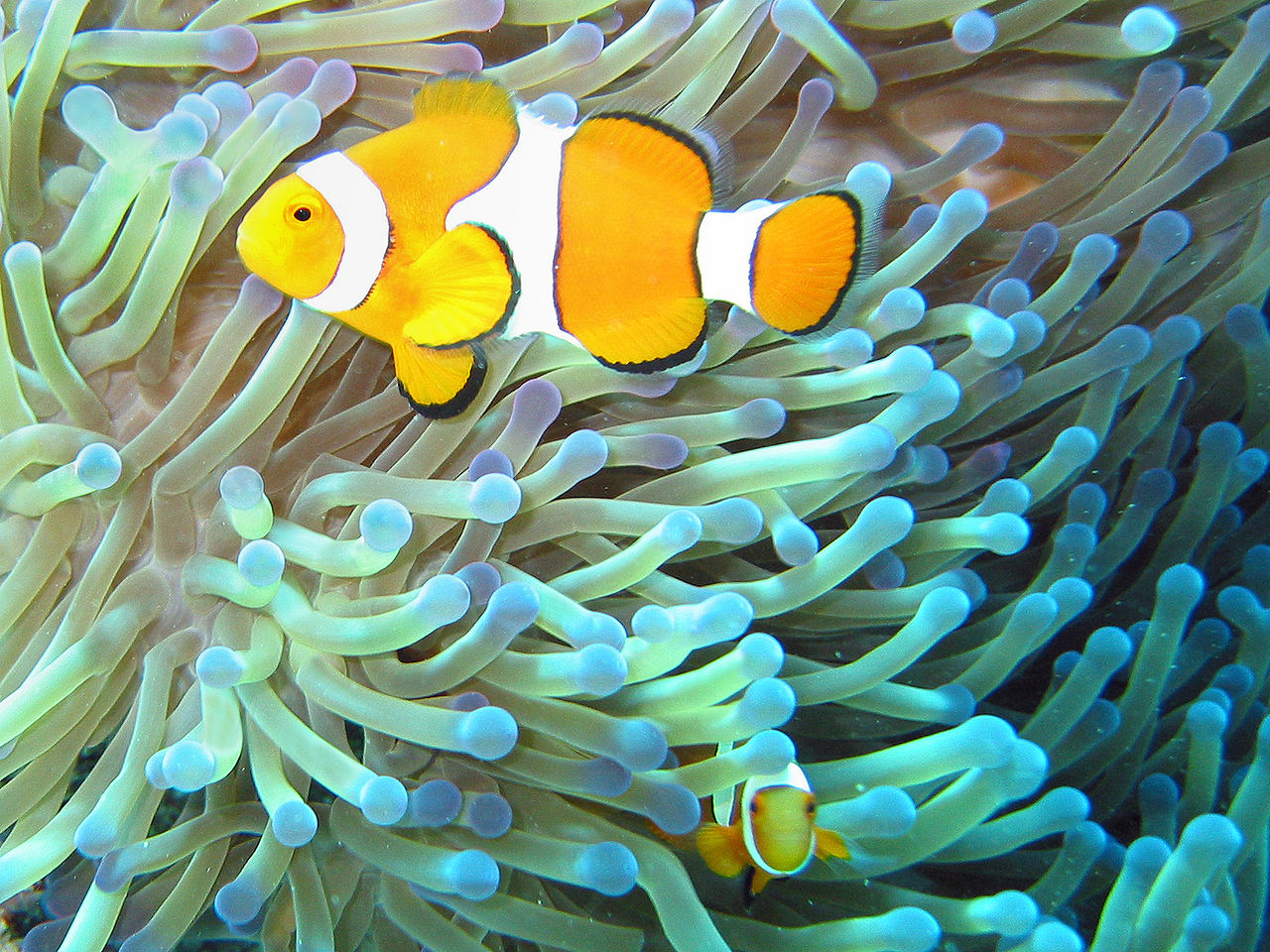
Commensalism
Competition
Mutualism
Parasitism
Predation
A(n) consists of all of the species that interact in a particular environment. A(n) consists of all the living and nonliving things that exist and interact in a specific area.
Match the example image to the correct species interaction
Item 1
Item 2
Commensalism
Competition
Mutualism
Parasitism
Predation
In mutualism, organism(s) benefit from the interaction. In predation, hunts and consumes . In competition, two or more species compete for resources in the same ecosystem.
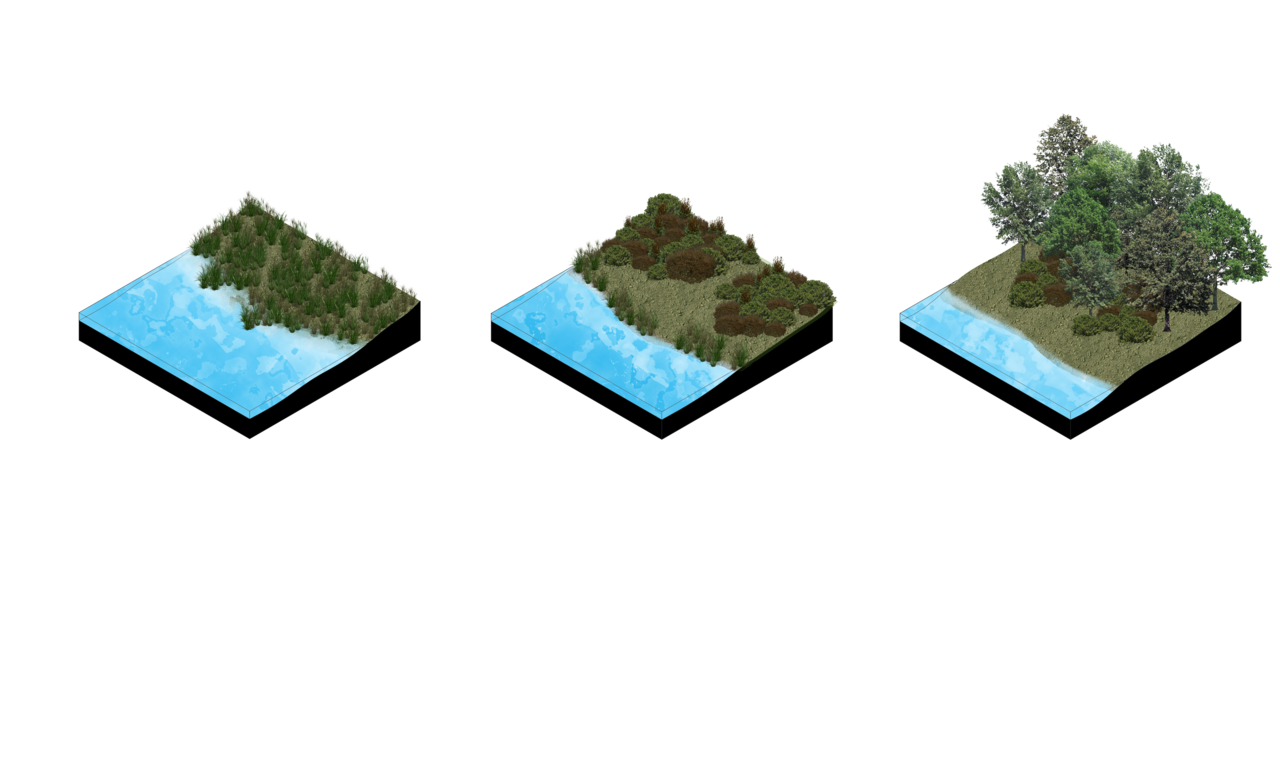
succession occurs when communities form in an area that was previously uninhabited by organisms. succession occurs when communities form after a major disturbance to an ecosystem such as falling trees, a fire, or a flood.
Match the descriptions to the correct aquatic ecosystem
| Draggable item | arrow_right_alt | Corresponding Item |
|---|---|---|
Marine ecosystem | arrow_right_alt | low salinity i.e. river, lake or pond |
Estuary ecosystem | arrow_right_alt | moderate to high salinity i.e. ocean |
Freshwater ecosystem | arrow_right_alt | salinity varies i.e. where ocean and fresh water meet |
Match the term to the correct image
The________ of a population is the number of individuals of the same species that live in an area.
Match the following
abiotic factor | biotic factor | |
|---|---|---|
precipitation | ||
predators | ||
prey | ||
sunlight | ||
temperature | ||
parasites |
A population is a group of organisms of the species living in an area.
A species is a group of organisms that share characteristics and can mate with each other to produce offspring.
choose the best answer
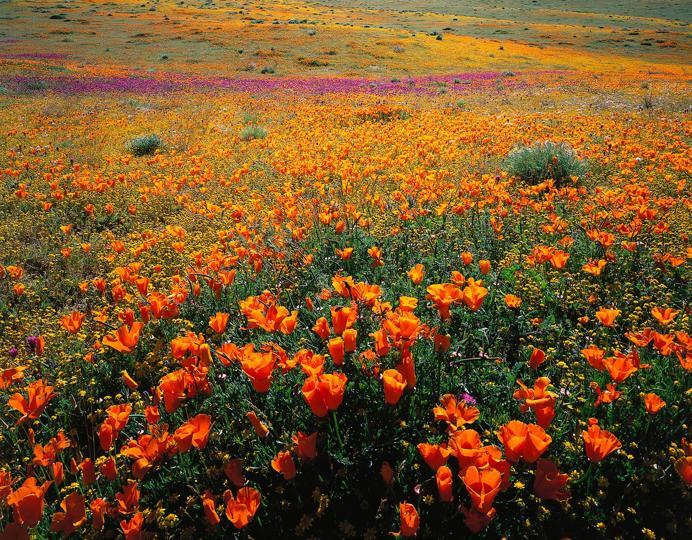
The orange poppy flower is larger than the pink flower.
Match the population picture to its description
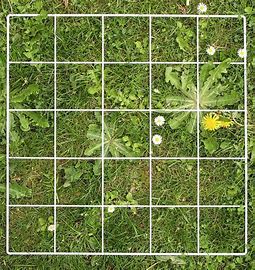
Clumped Distribution
Uniform Distribution
Random Distribution
Match the following
| Draggable item | arrow_right_alt | Corresponding Item |
|---|---|---|
group of different populations living together | arrow_right_alt | population demographics |
all the living and non-living things in an area | arrow_right_alt | community |
study of population changes and structure | arrow_right_alt | ecosystem |
Categorize the following resources
oil
natural gas
wind
solar (sun)
coal
Renewable Resource
Non-Renewable Resource
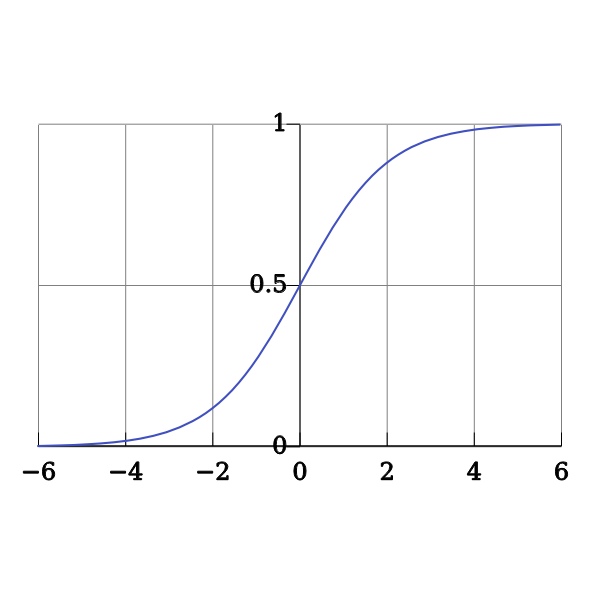
This represents a(n) growth curve
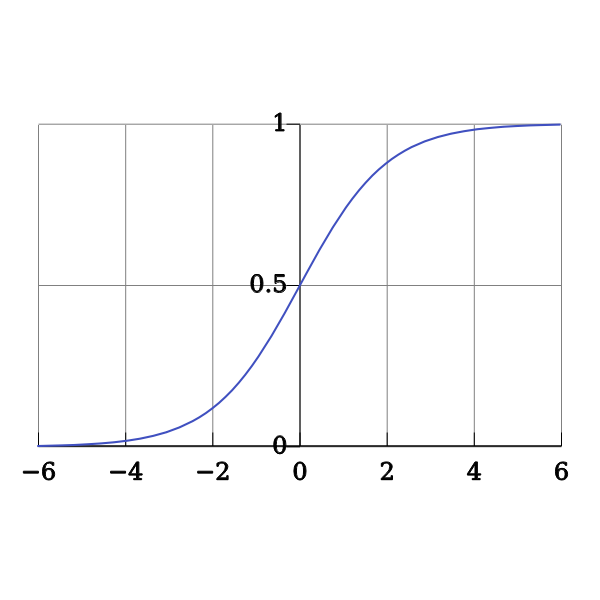
Which point on the graph represents carrying capacity?
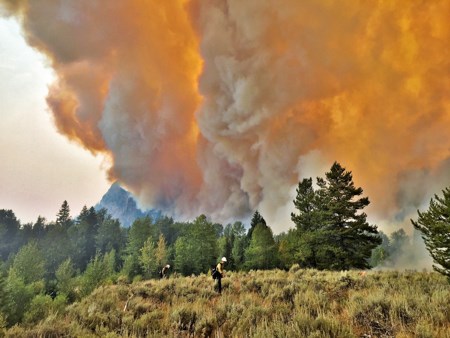
Some factors that impact populations depend on the population’s density, and others do not. Drag each factor into the correct row.
Forest Fire
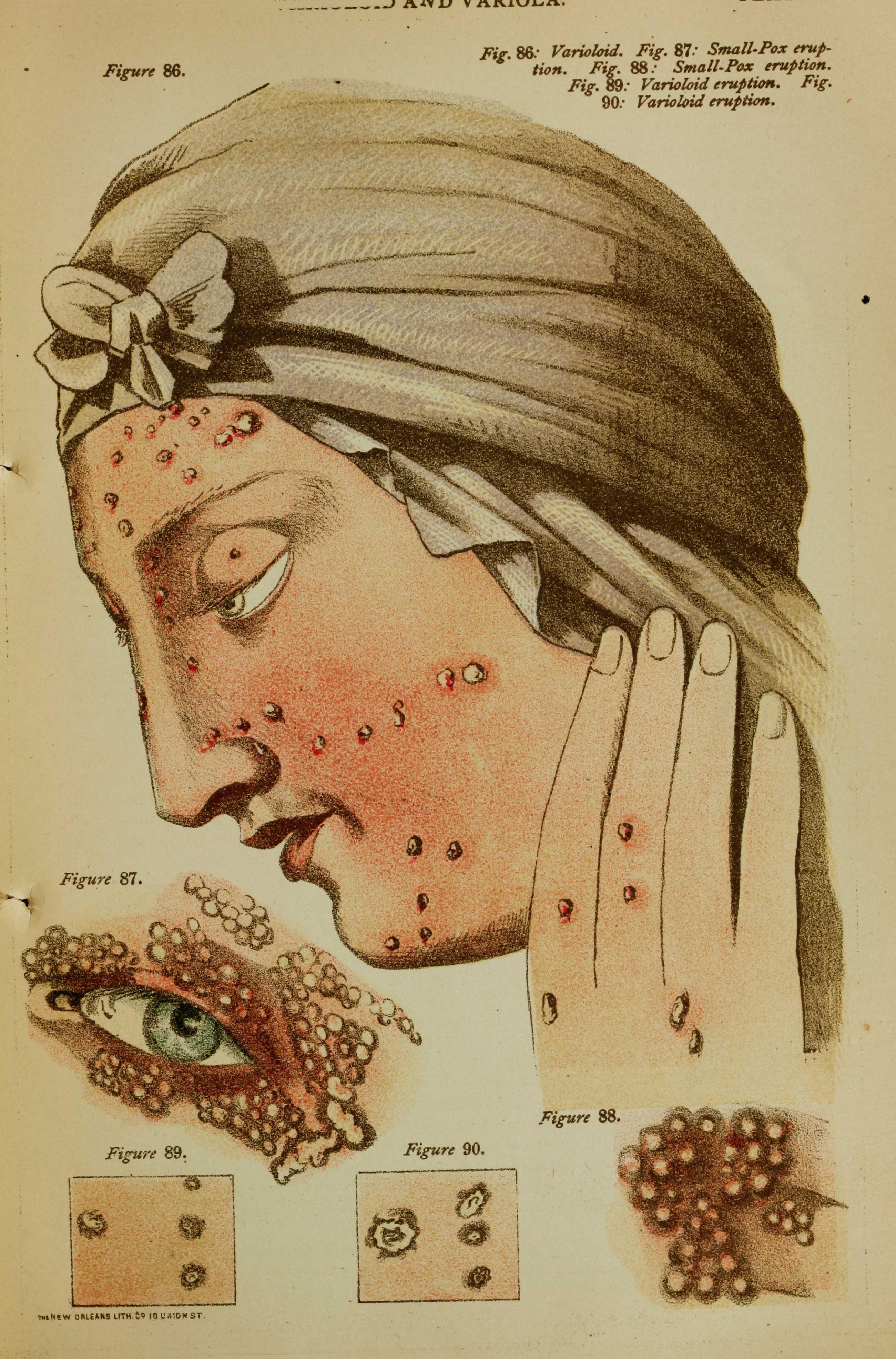
Virus
Draught

Pollution
Density-Dependent Factor
Density-Independent Factor
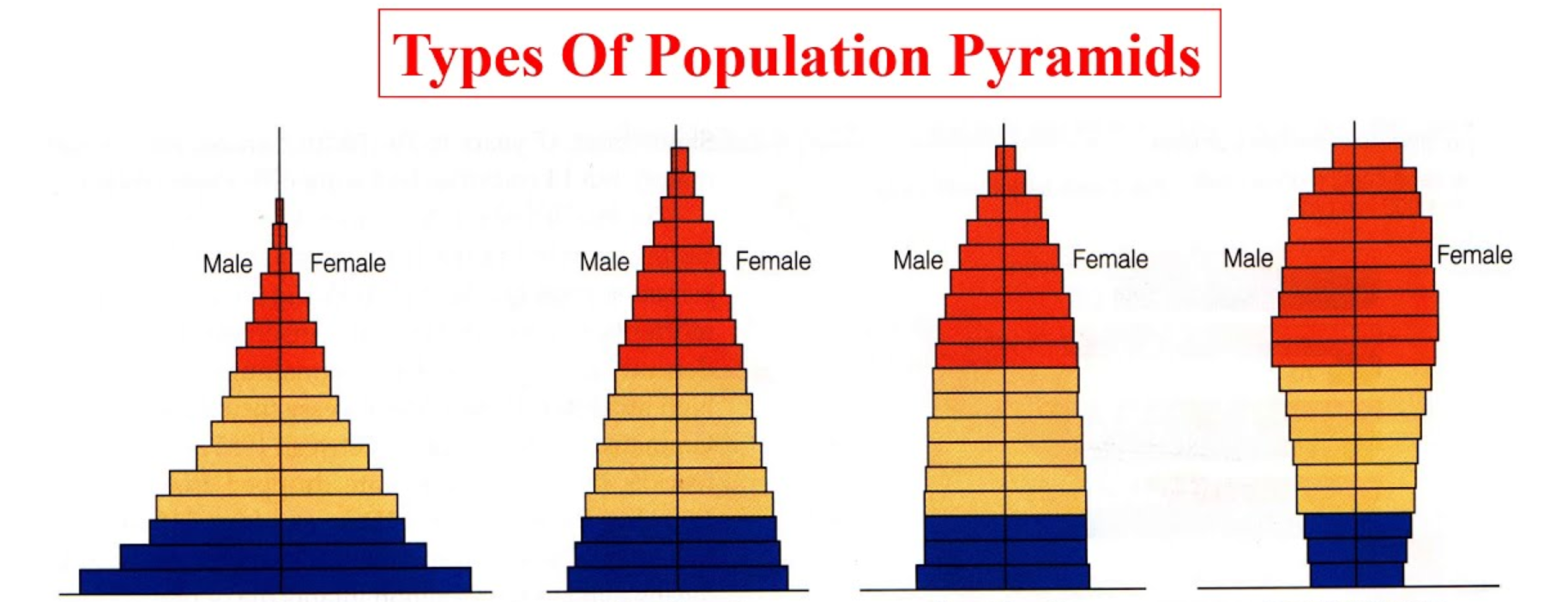
Match population pyramid to the type of growth
Match the biome to the correct climate
Hot Day/Cool Night, dry (low annual precipitation) | Cold w/ long, dark extremely cold winters and short cool growing season | four distinct seasons; warm summer and cool/cold winter; 75-130cm of rain/year | hot year-round; 200-400cm rain/year | hot dry summer, cool winter; 25-45cm/year | cold/cool winter and dry/hot summer; 25-75cm rain/year | very cold winter and short, cool humid, wet summer; 50cm rain/year | |
|---|---|---|---|---|---|---|---|
Desert | |||||||
Tundra | |||||||
Taiga | |||||||
Grassland | |||||||
Chaparral | |||||||
Rain Forest | |||||||
Temperate Forest |
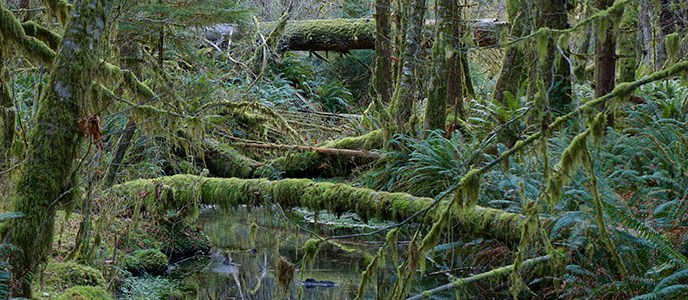
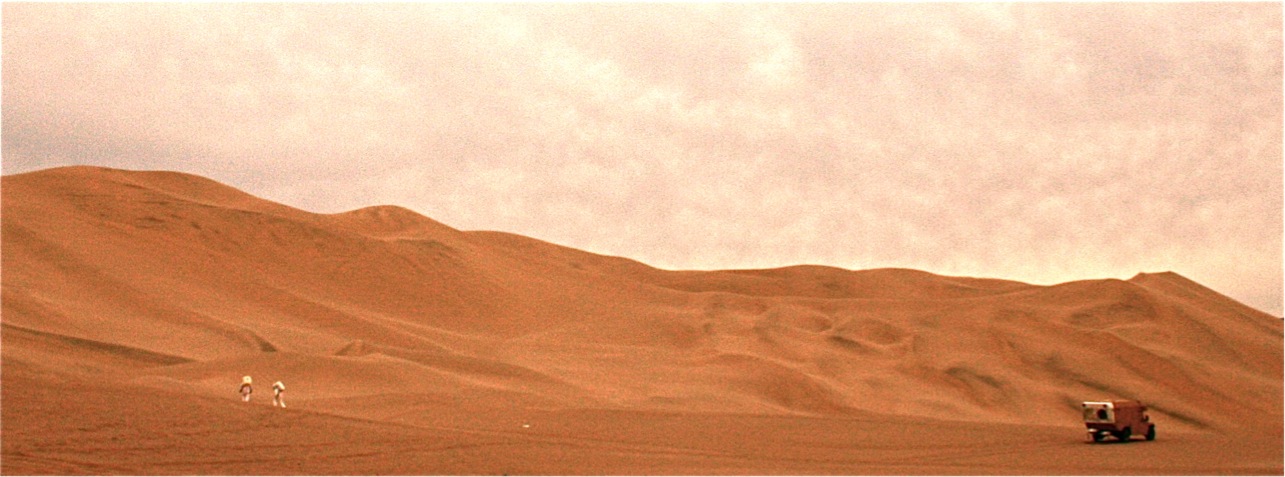
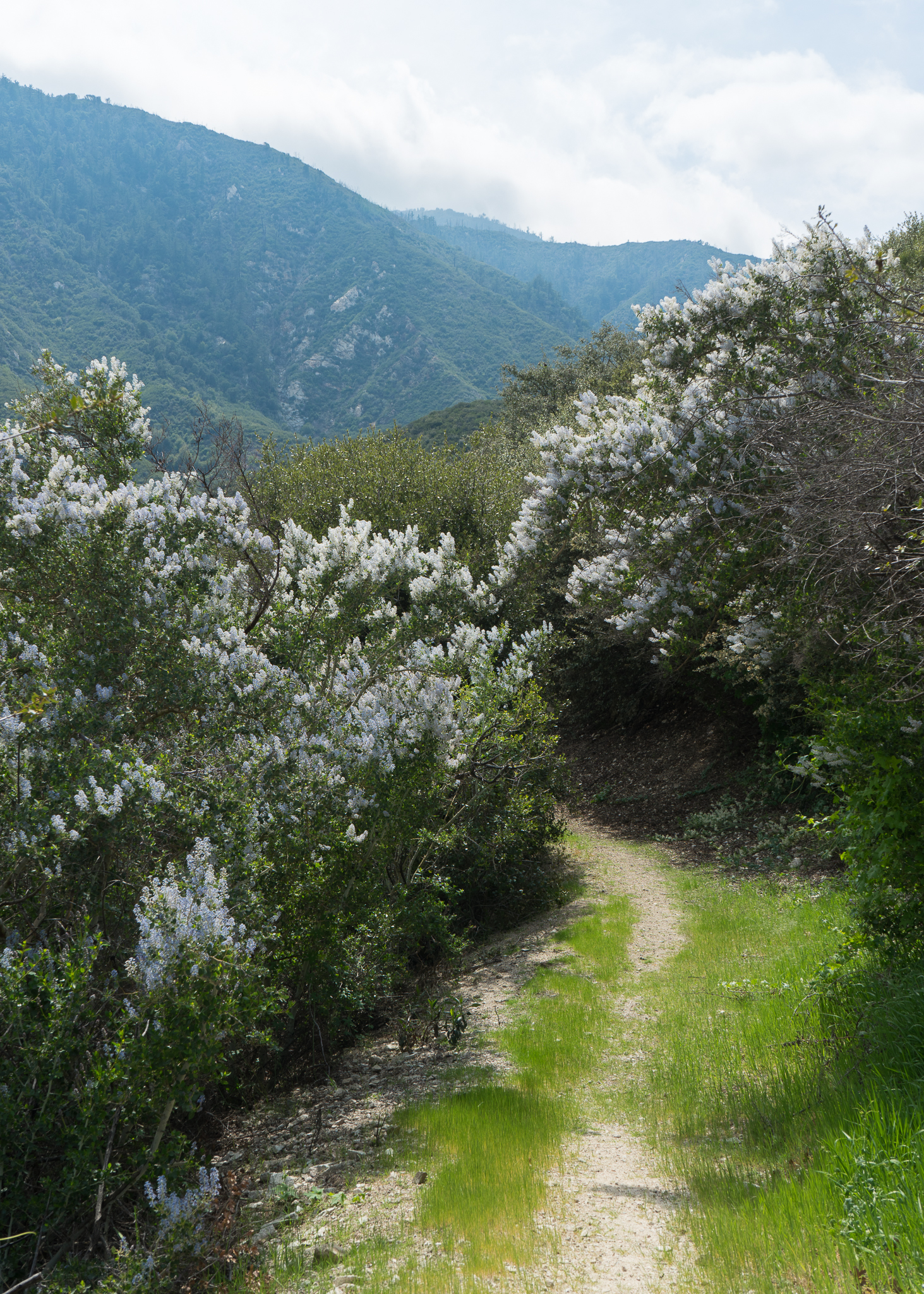
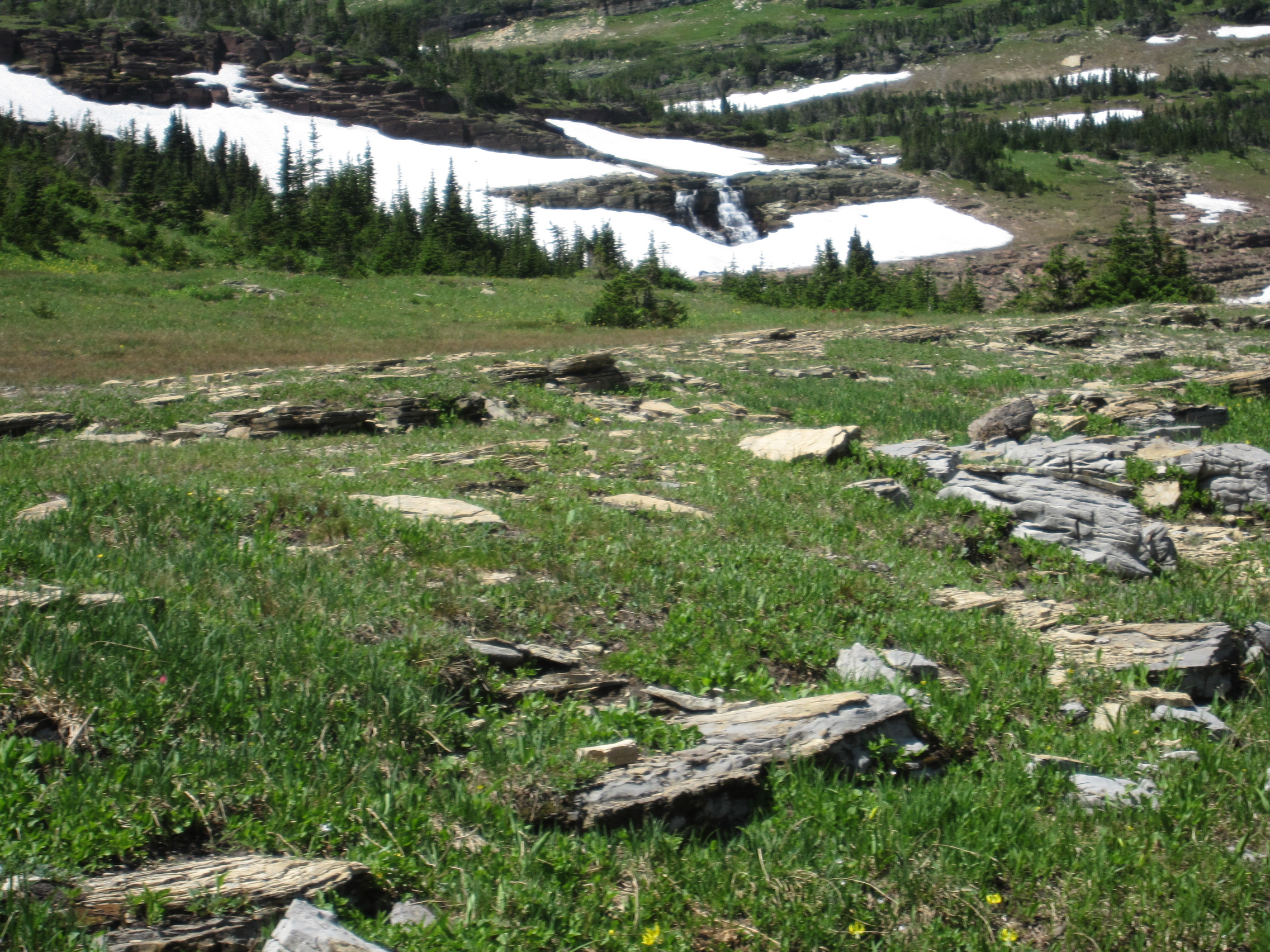
Match the biome with it's picture
|
|
|
|
|
|
| |
|---|---|---|---|---|---|---|---|
Desert | |||||||
Tundra | |||||||
Taiga | |||||||
Grassland | |||||||
Chaparral | |||||||
Rain Forest | |||||||
Temperate Forest |
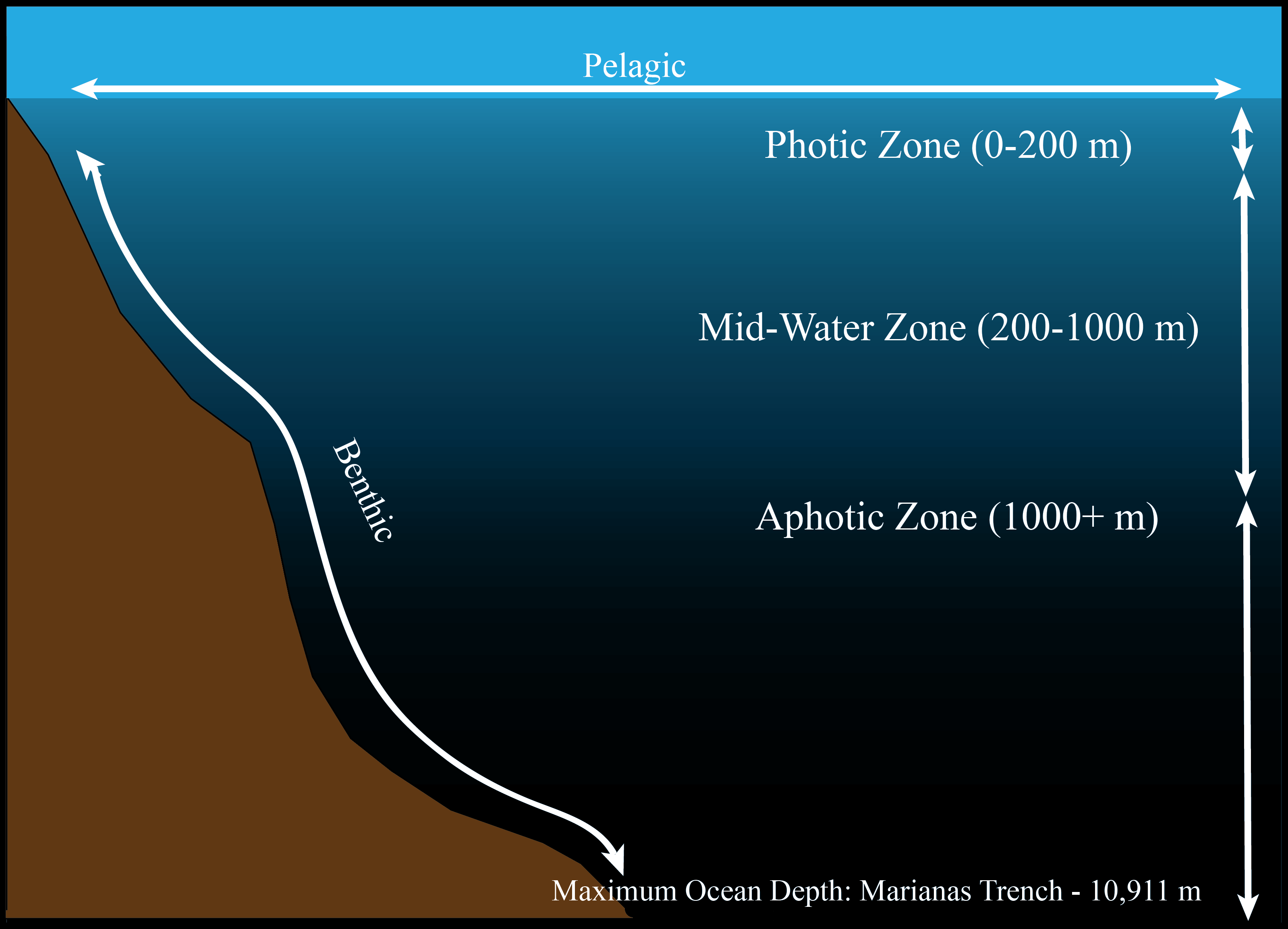
The zone has the coldest water. The zone has the most oxygen and sunlight.
biomes refer to land. biomes refer to water environments.
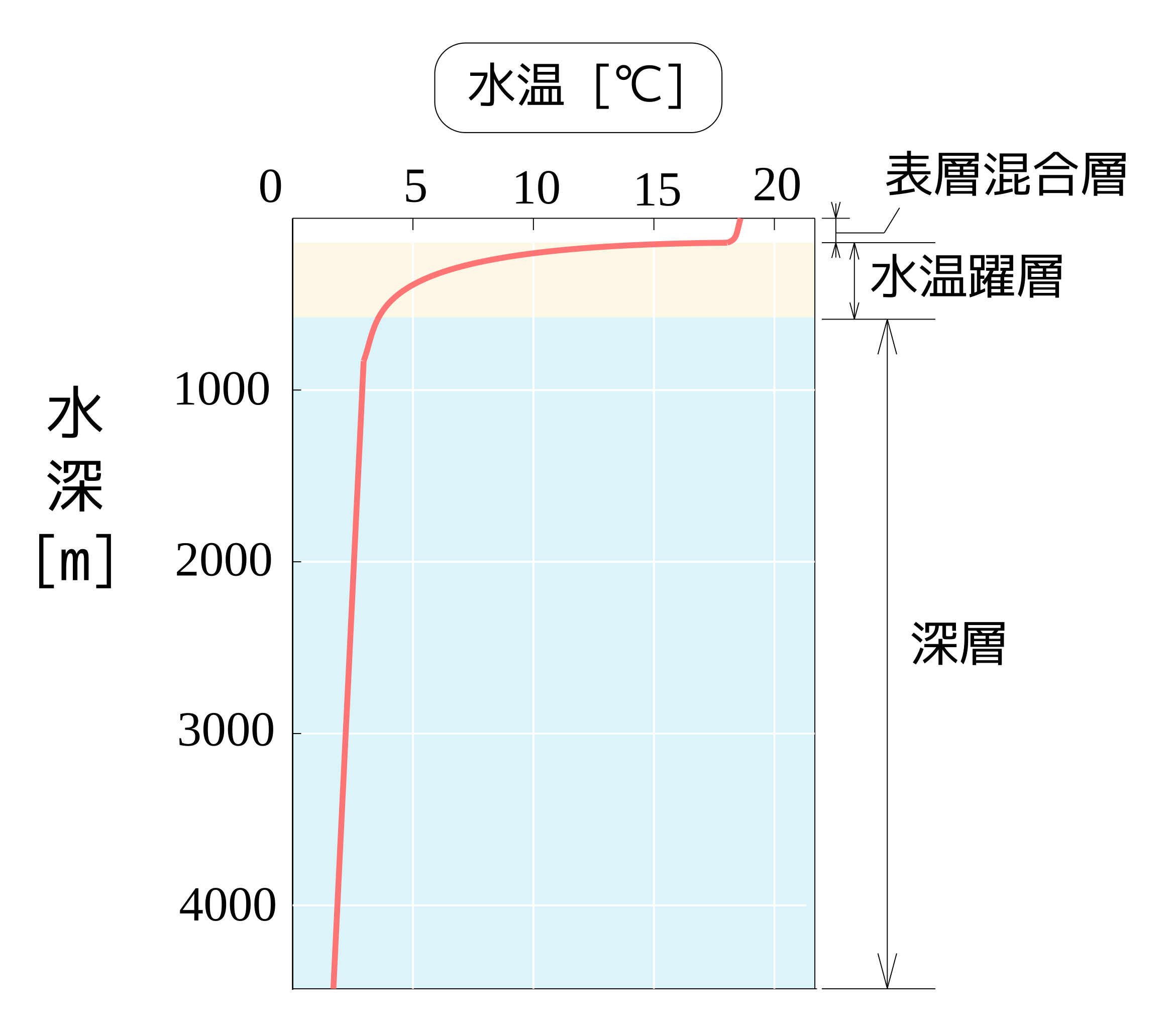
What changes depending on depth (how close to the surface or bottom you are)?