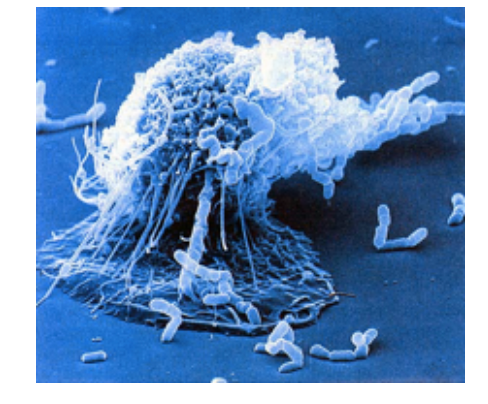
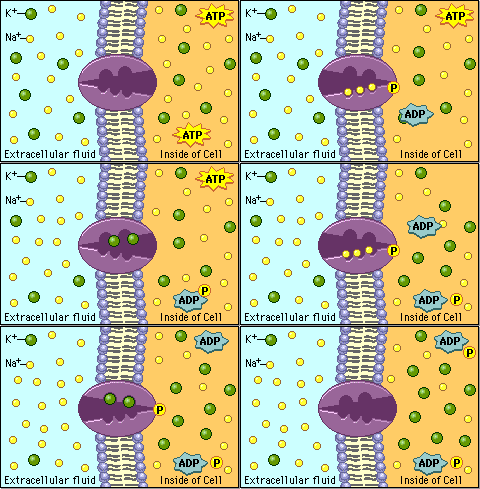
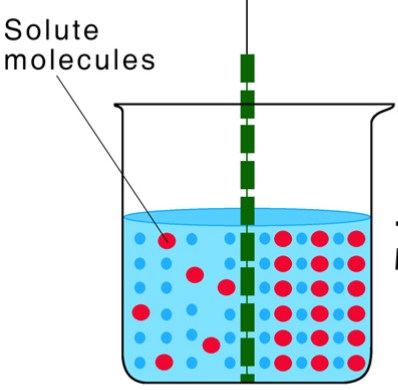
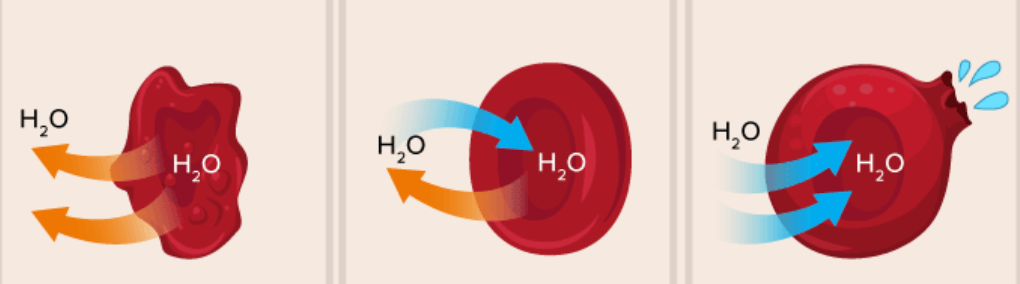
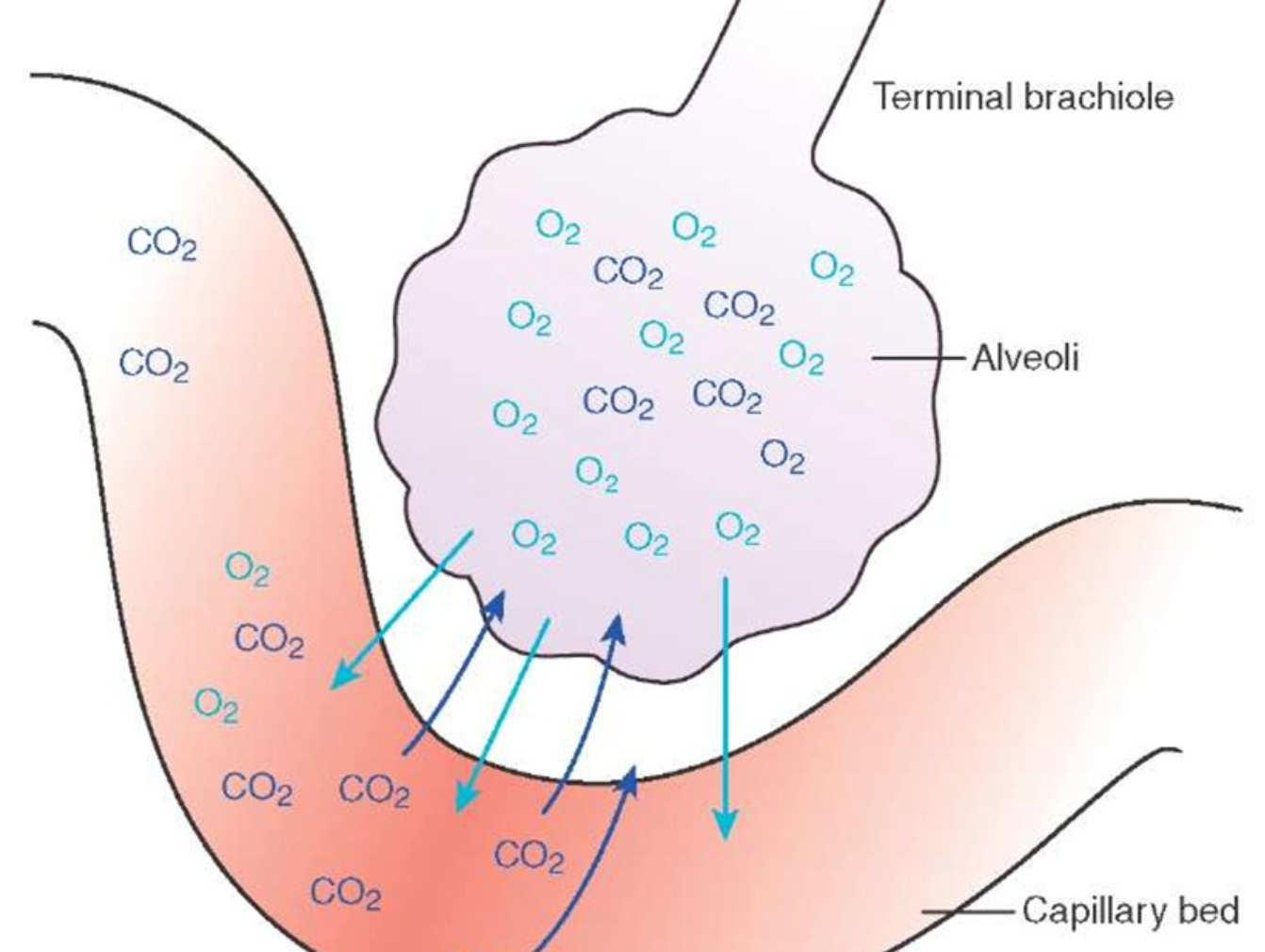
Below is an image depicting gas exchange in lungs during cellular respiration. What kind of transport does this image represent?
Required
2 points
2
Question 2
2.
A macrophage is one of the first defenders among the cells of the immune system. They are like garbage collectors, roaming around your tissues looking for invaders such as viruses and bacteria. If they bump into one, they engulf it and use powerful lysosomes to destroy it. What process can a macrophage perform to help destroy invaders?
Required
1 point
1
Question 3
3.
Check ALL that describe and are examples of ACTIVE transport
Required
2 points
2
Question 4
4.
The gif below describes which kind of transport?
Required
1 point
1
Question 5
5.
When making kool-aide the kool-aide packet is considered which part of a solution?
Required
1 point
1
Question 6
6.
True or False: Osmosis is ONLY the movement of water from a high concentration to low concentration.
Required
1 point
1
Question 7
7.
Which of these terms below describes a balance on each side of a semi-permeable membrane?
Required
1 point
1
Question 8
8.
Select ALL that describe or are types of PASSIVE transport
Required
2 points
2
Question 9
9.
Place the arrow to represent the process of osmosis.
Required
2 points
2
Question 10
10.
Drag and drop the correct type of solution the red blood cell is in.
Other Answer Choices:
Isotonic Solution
Hypertonic Solution
Hypotonic Solution
Required
1 point
1
Question 11
11.
The biomolecules with element Nitrogen are...CHOOSE ALL THAT APPLY
Required
1 point
1
Question 12
12.
NaOH is considered a strong base, what would you expect its pH to be?
Required
1 point
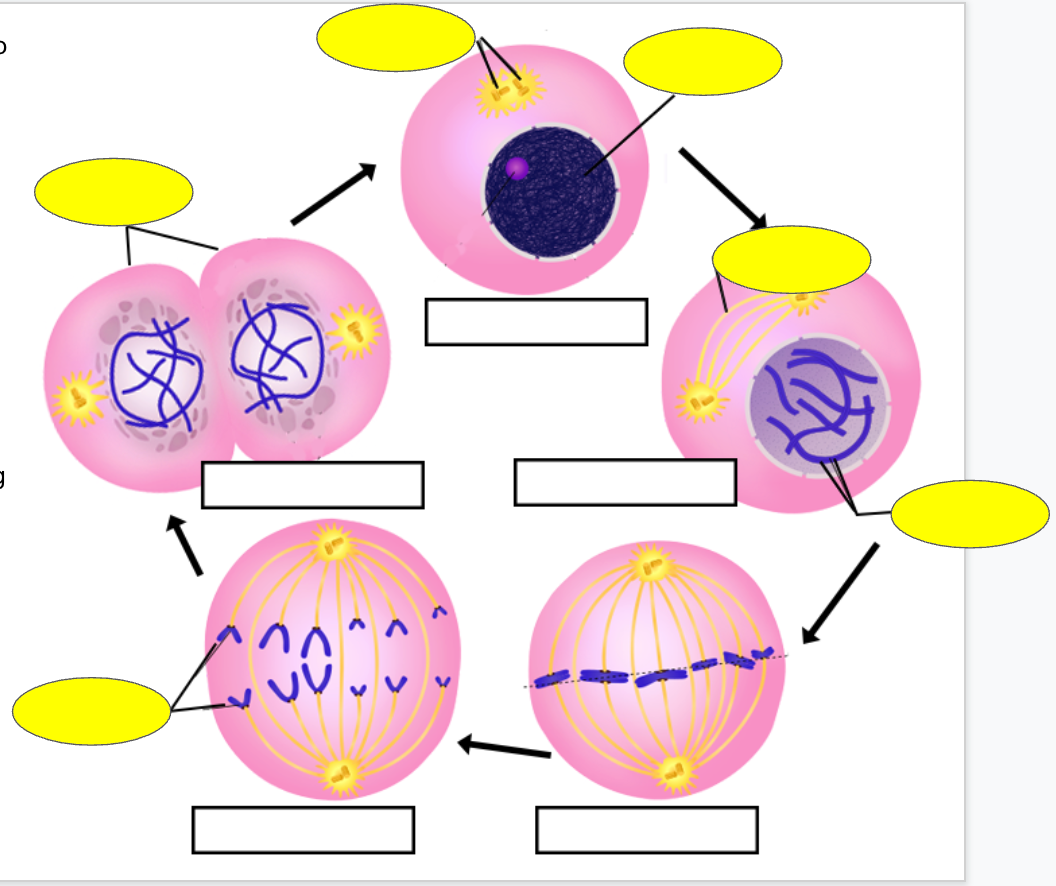
1
Question 13
13.
Which of the following does a person lack, who is lactose intolerant?
Required
2 points
2
Question 14
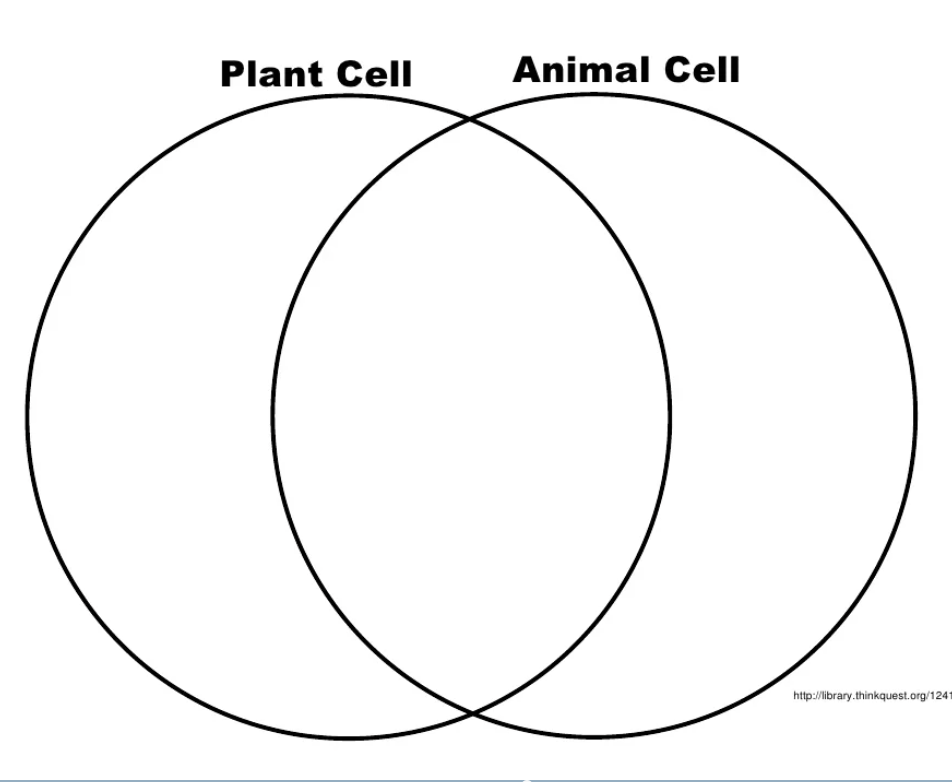
14.
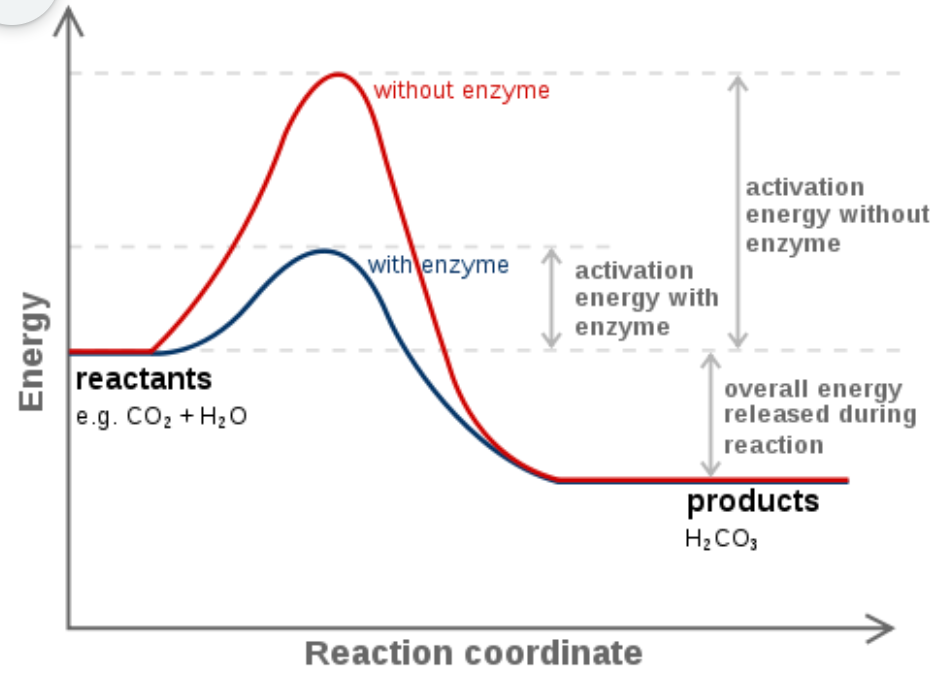
Based on this graph below; what effect does an enzyme have on activation energy?
Required
1 point
1
Question 15
15.
Check ALL the foods that are rich in Carbohydrates
Required
1 point
1
Question 16
16.
What is one similarity between carbohydrates and lipids?
Required
1 point
1
Question 17
17.
Which elements are found in all four of the biomolecules? CHOOSE ALL THAT APPLY
Required
2 points
2
Question 18
18.
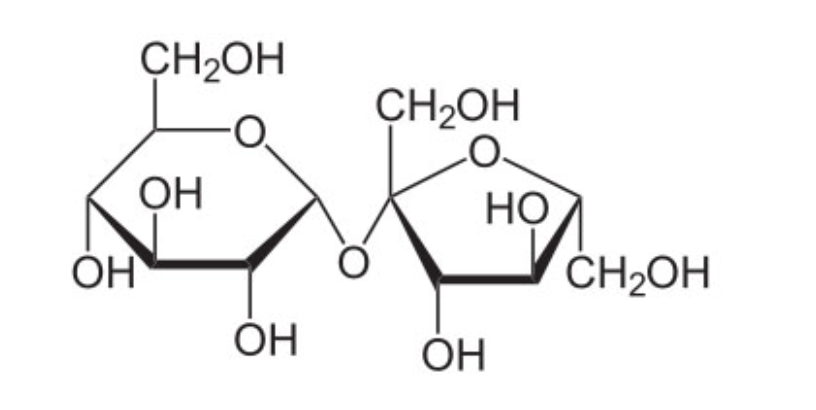
Which Biomolecule is pictured below?
Required
1 point
1
Question 19
19.
Which biomolecule is matched CORRECTLY with it's monomer?
Required
1 point
1
Question 20
20.
The non polar bonds that form between the carbon and hydrogen atoms of a lipid cause them to be ...
Required
1 point
1
Question 21
21.
You will test for the presence of one macromolecule (biomolecule) group twice; once for the monomer and once for the polymer. Which macromolecule group is this?
Required
1 point
1
Question 22
22.
What 3 atoms are found in both carbohydrates and lipids?
Required
1 point
1
Question 23
23.
What are 3 organic molecules (macromolecules) found in every living organism?
Required
3 points
3
Question 24
24.
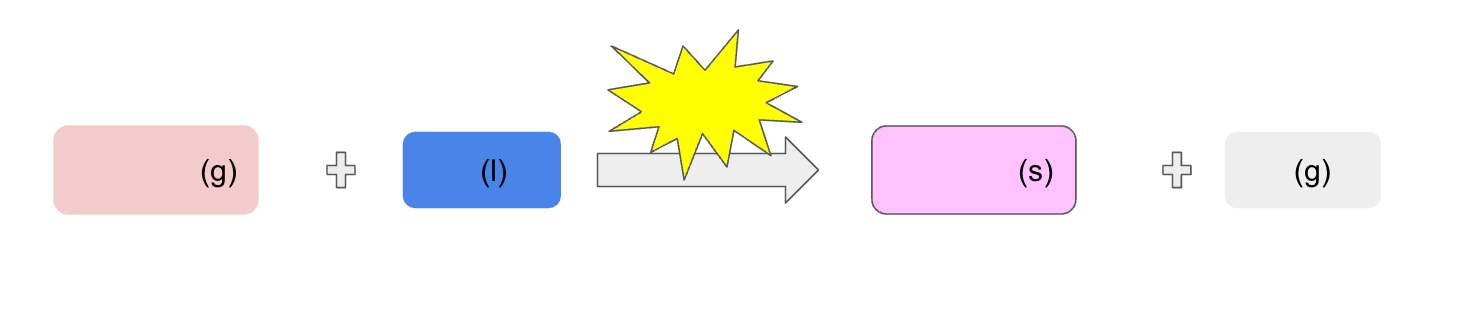
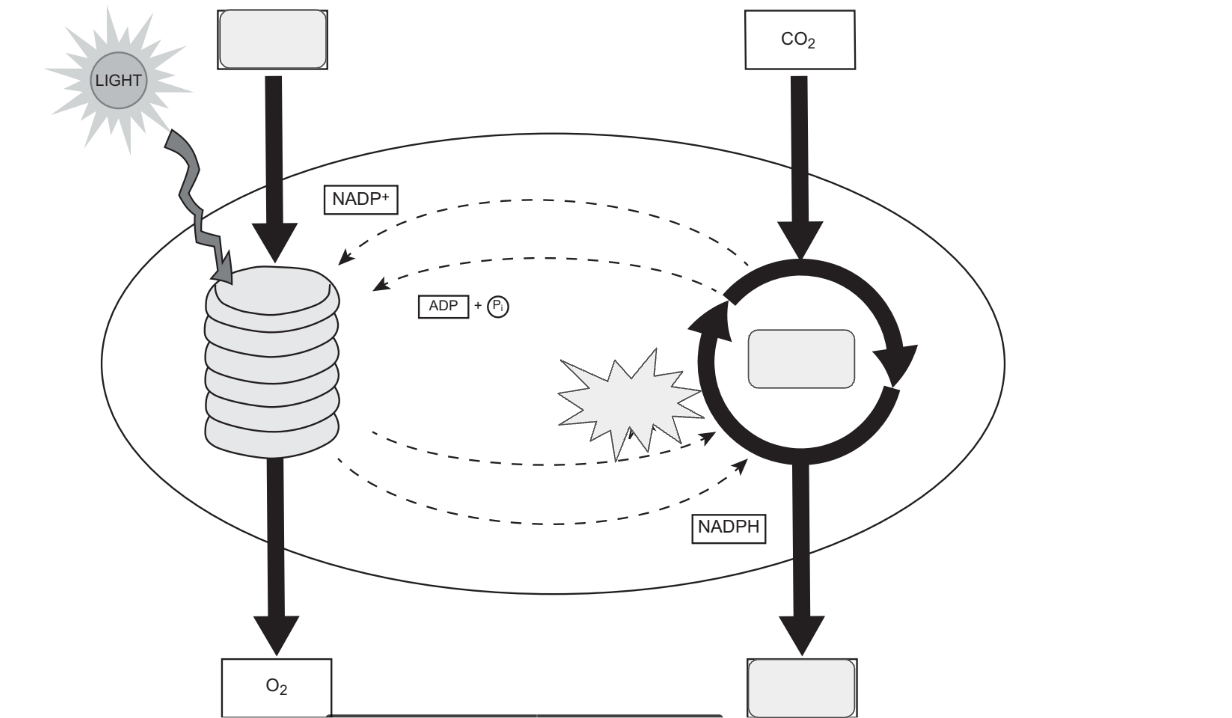
Drag and drop the correct compounds in the correct place to represent the chemical equation of PHOTOSYNTHESIS
Other Answer Choices:
6CO2
6O2
Sunlight
6H2O
C6H12O6
Required
1 point
1
Question 25
25.
Which step of photosynthesis is ATP produced?
Required
2 points
2
Question 26
26.
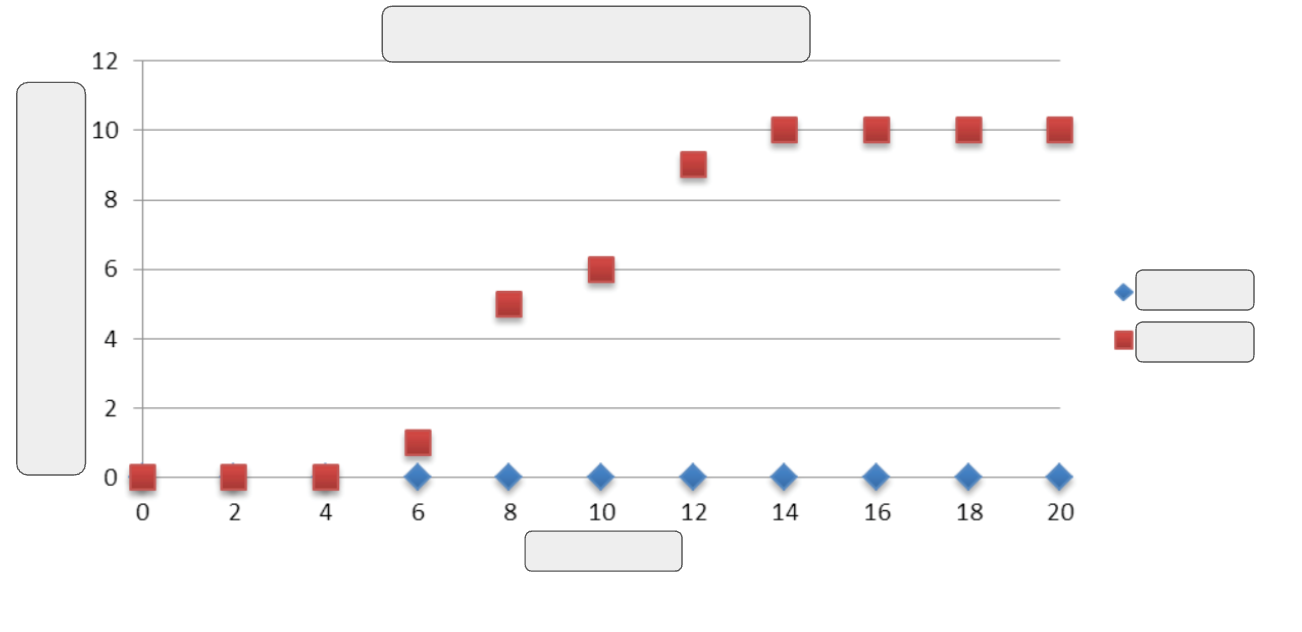
Other Answer Choices:
H2O Solution
The Effect of CO2 on Photosynthetic Rate
CO2 Solution
Time (min)
Number of disks that floated
Required
1 point
1
Question 27
27.
True or False. You SHOULD have had more leaves float in your plain H2O solution than your CO2 solution?
Required
2 points
2
Question 28
28.
Other Answer Choices:
H2O
ATP
C6H12O6
Calvin Cycle
Required
1 point
1
Question 29
29.
What caused the leaves to become buoyant in the CO2 solution?
Required
3 points
3
Question 30
30.
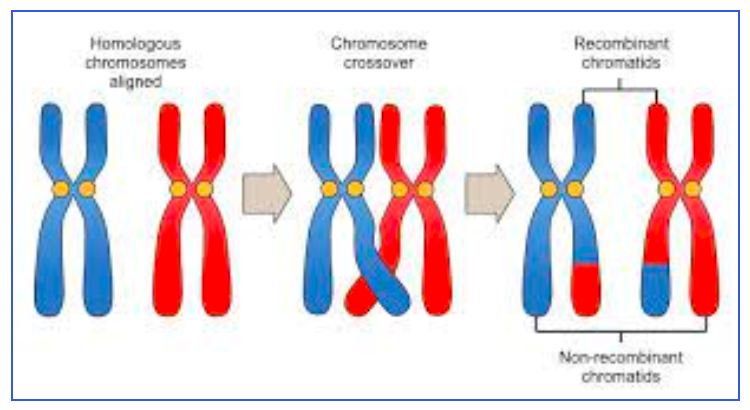
The image below is showing what phenomenon? When does this phenomenon take place?
*HINT* Select TWO
Required
1 point
1
Question 31
31.
Females produce _______ viable egg during oogenesis (creation of eggs), while males produce _______ viable sperm during spermatogenesis (creation of sperm).
Required
1 point
1
Question 32
32.
Select ALL that are products of MEIOSIS
Required
1 point
1
Question 33
33.
Which of the following INCREASES genetic diversity? SELECT ALL THAT APPLY
Required
1 point
1
Question 34
34.
What are the five stages of the Cell Cycle. SELECT ALL THAT APPLY
Required
2 points
2
Question 35
35.
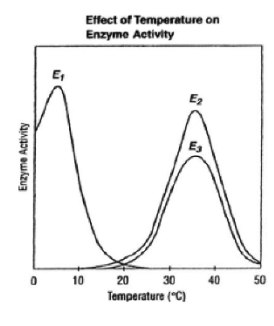
The graph shows the effect of temperature on enzyme action. What characteristic do enzymes E1, E2, and E3 share?
Required
1 point
1
Question 36
36.
If a molecule has a ratio of C:H:O that is 1:2:1, this molecule is a ...
Required
1 point
1
Question 37
37.
All organic compounds contain the element ...
Required
1 point
1
Question 38
38.
Dairy foods contain a sugar called lactose that is broken down in the digestive system. Some people get an upset stomach when they eat dairy foods, such as milk and ice cream. These people lack an enzyme called lactase that is involved in the digestion of lactose. Lactase supplements have been developed that make it possible for these people to eat dairy foods. What can be inferred about the action of the lactase supplement?
Required
1 point
1
Question 39
39.
Which of the following pairs of a biological monomer and one of its polymers is incorrect?
Required
1 point
1
Question 40
40.
What is the bond called that links amino acids together to form proteins?
Required
1 point
1
Question 41
41.
The enzyme in the pineapple lab digested collagen which is a protein. How would you name this enzyme?
Required
1 point
1
Question 42
42.
Enzymes...
Required
1 point
1
Question 43
43.
The various enzymes in our bodies are _____________ and work by _________________________ of a chemical reaction.
Required
1 point
1
Question 44
44.
The molecule(s) on which an enzyme acts on is called a(n)
Required
1 point
1
Question 45
45.
Identify the reactant(s) in the chemical reaction, CO2 + H2O → H2CO3
Required
1 point
1
Question 46
46.
Glucose is a ...
Required
1 point
1
Question 47
47.
Select ALL of the following conditions that affect the function of enzymes?
Required
1 point
1
Question 48
48.
Which of the following describes the four major groups of biomolecules found in living things?
Required
1 point
1
Question 49
49.
The lock and key model is where an enzyme serves as a place where a chemical reaction can occur because ...
Required
1 point
1
Question 50
50.
What is the monomer for an enzyme?
Required
1 point
1
Question 51
51.
What are inhibitors?
Required
1 point
1
Question 52
52.
Enzymes provide a site where reactants called substrates can be brought together in an enzyme-catalyzed reaction. The site is called the ...
Required
1 point
1
Question 53
53.
How do enzymes control chemical reactions in the body?
Required
1 point
1
Question 54
54.
Select the THREE elements that make up ALL living things
Required
1 point
1
Question 55
55.
Which of the following compounds may be polymers?
Required
1 point
1
Question 56
56.
Which of the following is a nucleic acid?
Required
1 point
1
Question 57
57.
Which of the following are in all macromolecules?
Required
1 point
1
Question 58
58.
A chemical reaction that releases energy is called ...
Required
1 point
1
Question 59
59.
The ability of an enzyme to function properly depends on its environment. Unlike most enzymes in the human body, you would expect enzymes produced by the stomach to function best in an environment where ...
Required
1 point
1
Question 60
60.
Analyze the DNA sequence below.
ATG GTG CAC CTG
What is the sequence on the complementary strand of DNA?
Required
1 point
1
Question 61
61.
Match the enzyme with its correct function during DNA Replication
Draggable item
arrow_right_alt
Corresponding Item
DNA Ligase
arrow_right_alt
Unwinds DNA
Topoisomerase
arrow_right_alt
Adds on each nucleotide to the newly synthesized strand
DNA Helicase
arrow_right_alt
"Unzips" or breaks the hydrogen bonds that hold the DNA molecule together
DNA Polymerase
arrow_right_alt
"Glues" the phosphate sugar backbone of DNA back together
Required
3 points
3
Question 62
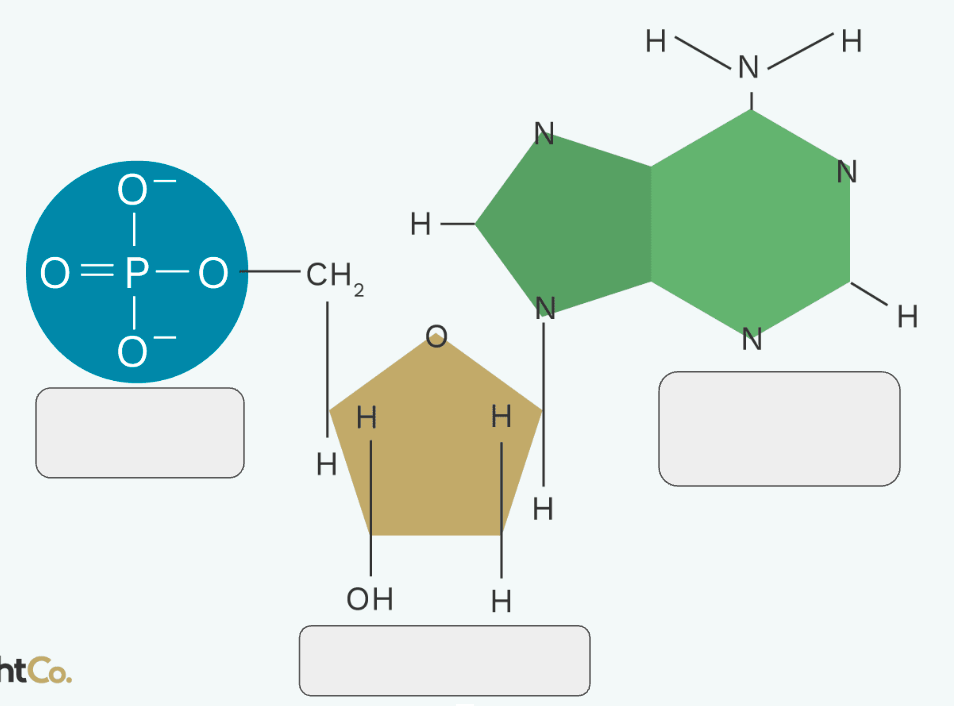
62.
Other Answer Choices:
Nitrogen Base
Complementary Base
Phosphate
Pentose Sugar
Required
1 point
1
Question 63
63.
Based on Chargaff's Rule if you have 101 Adenines in a sequence then you should have _______ Thymines in that same sequence.
Required
1 point
1
Question 64
64.
Guanine and Cytosine have _______ number of hydrogen bonds, while Thymine and Adenine have _______ hydrogen bonds.
Required
2 points
2
Question 65
65.
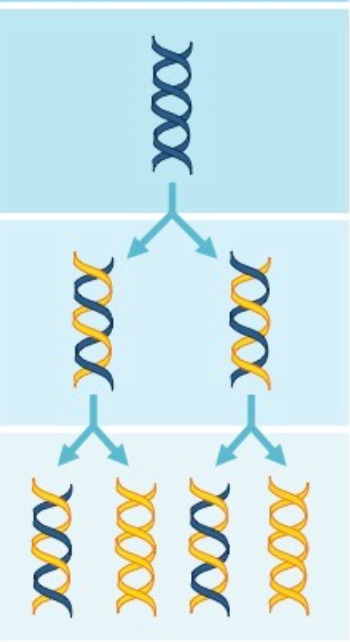
The image below shows which characteristic about DNA Replication?
Required
1 point
1
Question 66
66.
Analyze the two DNA sequences below.
1. GATTTCCA
2. GATTACCA
3. GCCTACCA
4. CCTTTATA
Which DNA sequence would have a higher melting point?
Required
2 points
2
Question 67
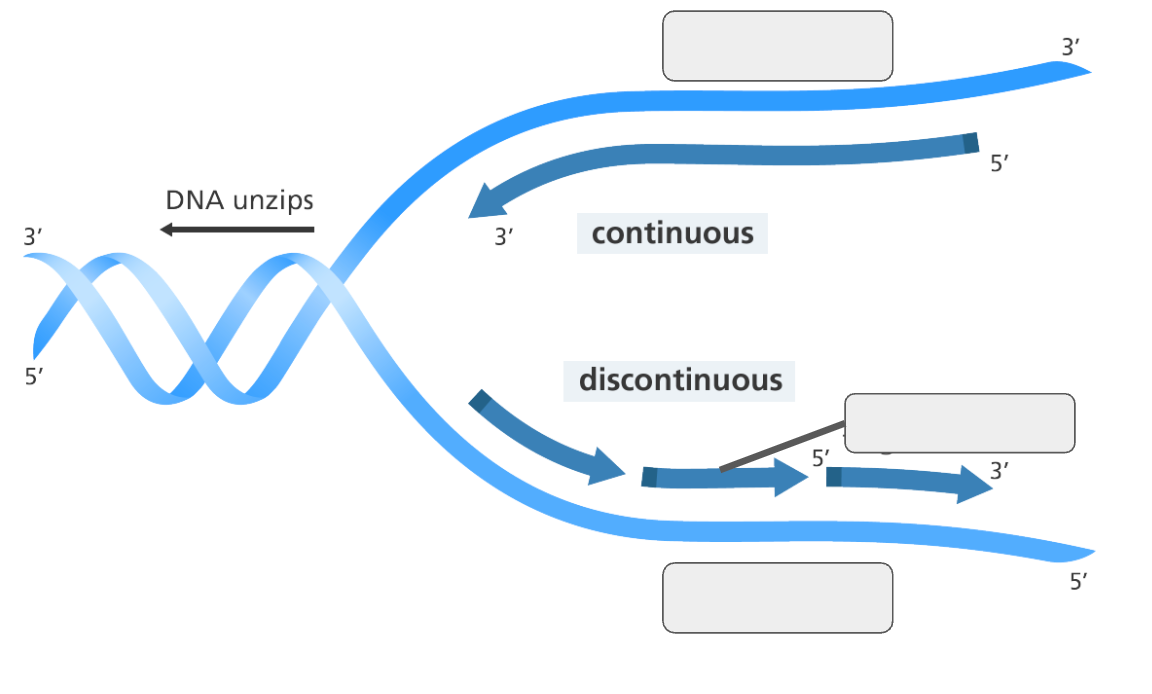
67.
Drag and drop the correct answers in the boxes provided
Other Answer Choices:
Leading strand
Broken strand
Lagging strand
Okazaki fragment
Required
1 point
1
Question 68
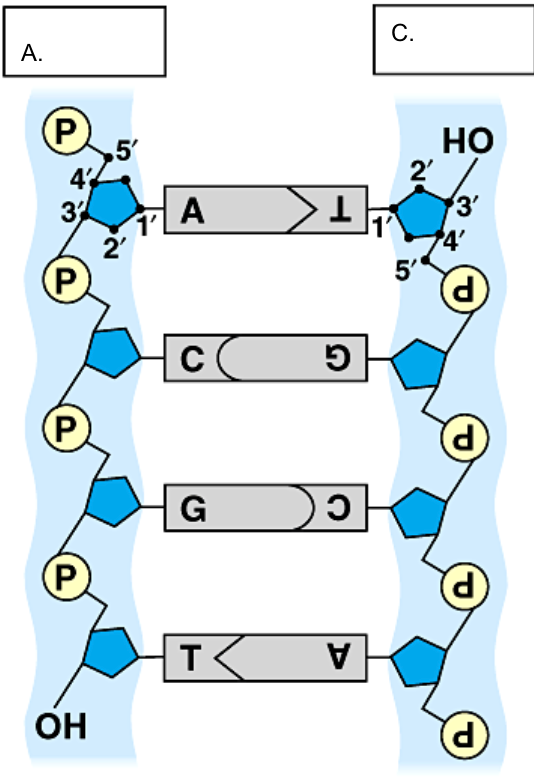
68.
Drag and drop the correct answers in the boxes provided
Other Answer Choices:
5' End
2' End
4' End
3' End
Required
1 point
1
Question 69
69.
Cytokinesis is a part of Mitosis
Required
1 point
1
Question 70
70.
Human somatic cells (body cells) each have 46 chromosomes in their nuclei. MEIOSIS is necessary in order to ensure that each gamete produced in the human body has —
Required
1 point
1
Question 71
71.
Sexual reproduction in animals depends on the production of gametes. Which of these processes produces gametes in animals?
Required
1 point
1
Question 72
72.
If a eukaryotic organism has 20 chromosomes and it undergoes meiosis, how many cells will result, and how many chromosomes will they contain?
Required
1 point
1
Question 73
73.
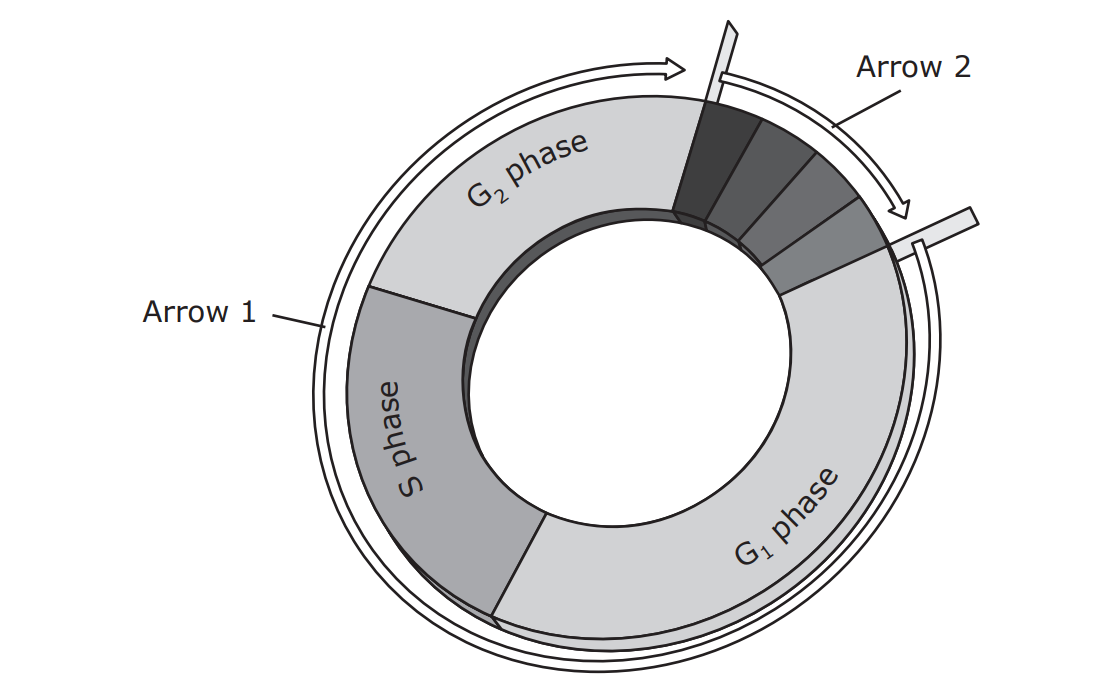
This model of the cell cycle includes two arrows that each represent a process in the cycle.
Drag and drop the correct phases that the two arrows represent?
Other Answer Choices:
Interphase
M-Phase
Cytokinesis
Prophase
Required
1 point
1
Question 74
74.
Other Answer Choices:
Anaphase
Metaphase
Interphase
Telophase
Prophase
Required
1 point
1
Question 75
75.
Select ALL that are considered SOMATIC cells
Required
1 point
1
Question 76
76.
Mitosis is a form of ASEXUAL reproduction
Required
1 point
1
Question 77
77.
Select all the types of cells DNA is found in.
Required
1 point
1
Question 78
78.
True or False: Bacterial Cells are considered to be Eukaryotic because they have no nucleus or membrane bound organelles?
Required
1 point
1
Question 79
79.
Other Answer Choices:
Several small vacoules
mitochondria
cell wall
Required
1 point
1
Question 80
80.
Select ALL that are associated with bacterial cells.
Required
1 point
1
Question 81
81.
Check ALL organelles that are found in PLANT cells
Required
1 point
1
Question 82
82.
Where is DNA found in both animal and plant cells?