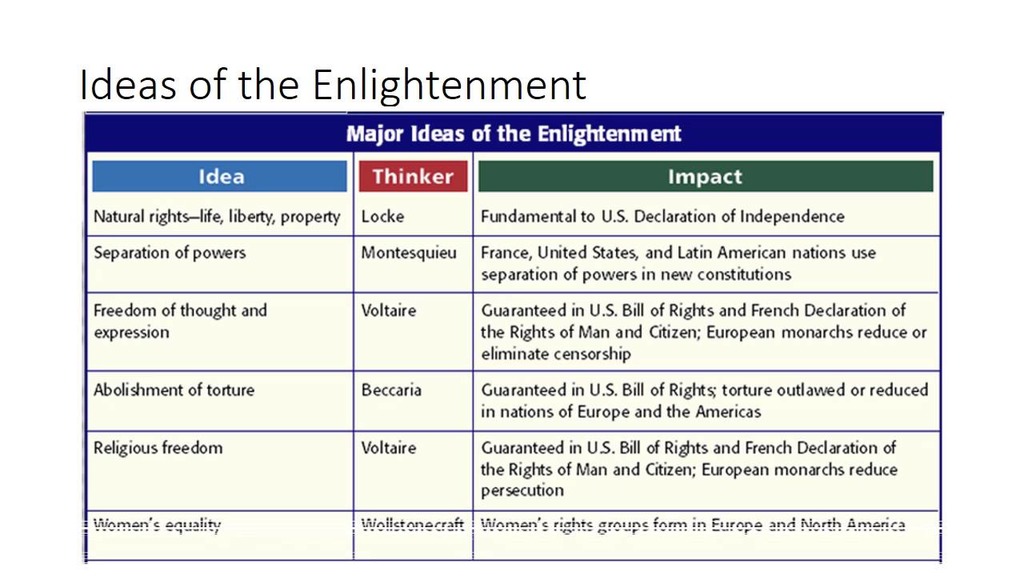
King or emperor has all of the power, rules by divine right, inherited throne from his family, rules over nobles, is not limited by laws
Absolute Monarchy
arrow_right_alt
Government that controls the lives of everyone in the country. Eliminates other political parties, has a secret police force, controls all information sources through propaganda, censorship and indoctrination, people have no rights or freedoms
Totalitarianism
arrow_right_alt
the idea that government gains power from a set of written laws, leaders should follow the laws, the people have more power
3 points
3
Question 2
2.
Match the terms to their examples.
Draggable item
arrow_right_alt
Corresponding Item
Absolute Monarchy
arrow_right_alt
Peter the Great of Russia, Louis XIV of France
Totalitarianism
arrow_right_alt
Hitler, Stalin, Mussolini
Constitutionalism
arrow_right_alt
George Washington, British government after William and Mary sign the English Bill of Rights
3 points
3
Question 3
3.
According to John Locke, which of the following are your natural rights?
1 point
1
Question 4
4.
This political thinker felt that people are reasonable beings. He supported self-government and argued that the purpose of government is to protect the natural rights of people. If government fails to protect these natural rights, he said, citizens have the right to overthrow it.
1 point
1
Question 5
5.
Which Enlightenment idea was used by revolutionaries to justify their revolutions?
1 point
1
Question 6
6.
The Bill of Rights and the French Declaration of the Rights of Man and Citizen protect freedom of speech. Why is this an important concept?
American and French Revolutions
1 point
1
Question 7
7.
Why was the Articles of Confederation set up to have a weak central government?
1 point
1
Question 8
8.
Who wrote the Declaration of Independence?
1 point
1
Question 9
9.
The Spanish and French both sent aid to the American Patriots. Why did other countries want to help the Patriots?
6 points
6
Question 10
10.
Draggable item
arrow_right_alt
Corresponding Item
City Workers
arrow_right_alt
Clergy, people in the Catholic Church
First Estate
arrow_right_alt
Nobles, 2% of population
Bourgeoisie
arrow_right_alt
97% of the population, broken down into 3 groups; paid all the taxes
Third Estate
arrow_right_alt
highest level of 3rd estate, wealthy merchants and skilled craftsmen
Peasants
arrow_right_alt
worked in cities for Bourgeoisie, made more money than peasants, but still not well-off
Second Estate
arrow_right_alt
majority of the population, mostly farmers
4 points
4
Question 11
11.
Indicate whether the statement is a cause or effect of France's economic problems leading up to the French Revolution.
cause
effect
The king borrowed money to help the American Patriots during the American Revolution.
Taxes were raised to pay for the country's debt.
Cost of living rose quickly.
The king and queen spent money recklessly.
5 points
5
Question 12
12.
What social groups were executed by guillotine?
6 points
6
Question 13
13.
Draggable item
arrow_right_alt
Corresponding Item
Toussaint L'Ouverture
arrow_right_alt
Leader during the Reign of Terror, his death led to the end of the ROT
Marquis de Lafayette
arrow_right_alt
fought in the American Revolution, fled during the Reign of Terror
Robespierre
arrow_right_alt
won independence for Colombia, Venezuela and Eucador
Jean-Jacques Dessalines
arrow_right_alt
won independence for Argentina, Chile and Peru
Simon Bolivar
arrow_right_alt
inspired by the Declaration of the Rights of Man and Citizen to start the Haitian Revolution
Tupac Amaru II
arrow_right_alt
Leader of Haiti at the time of independence; became the emperor; not well liked
Jose de San Martin
arrow_right_alt
leader of the largest uprising in colonial Spanish-American history which raged across the Andes from 1780-1783
Industrial Revolution
3 points
3
Question 14
14.
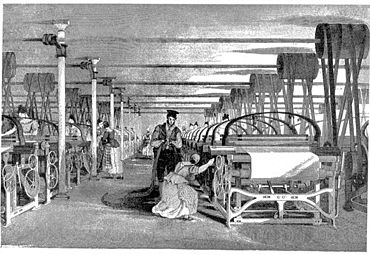
How did the Industrial Revolution impact the lives of workers?
3 points
3
Question 15
15.
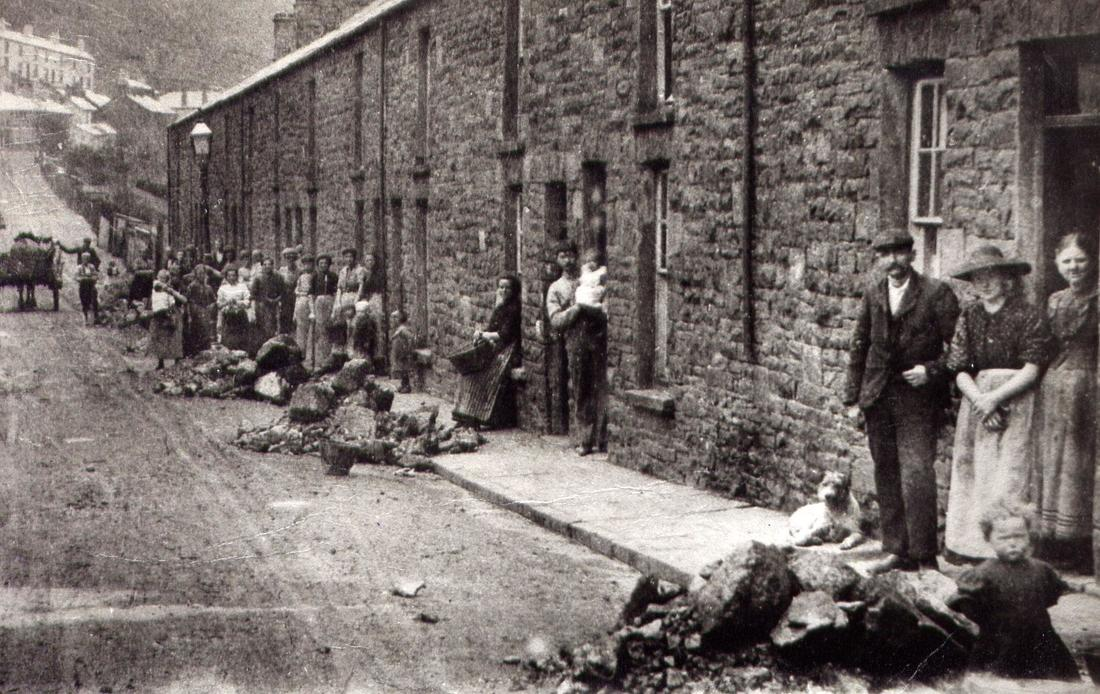
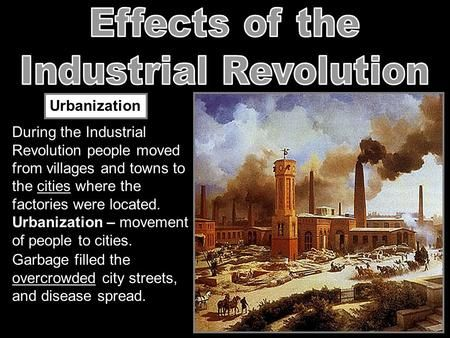
How did the Industrial Revolution affect cities?
2 points
2
Question 16
16.
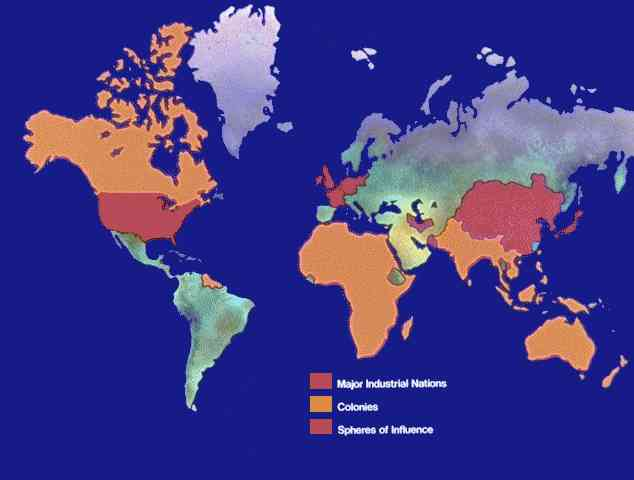
Which statements about industrialized nations are true?
1 point
1
Question 17
17.
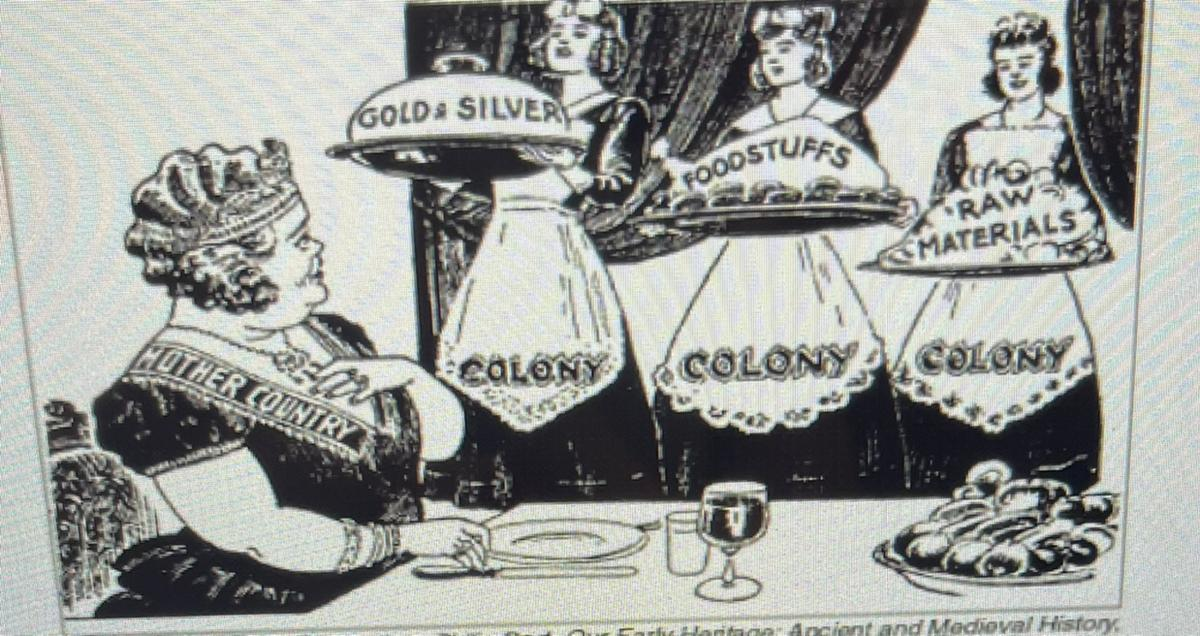
Which statement is the best interpretation of this cartoon?
2 points
2
Question 18
18.
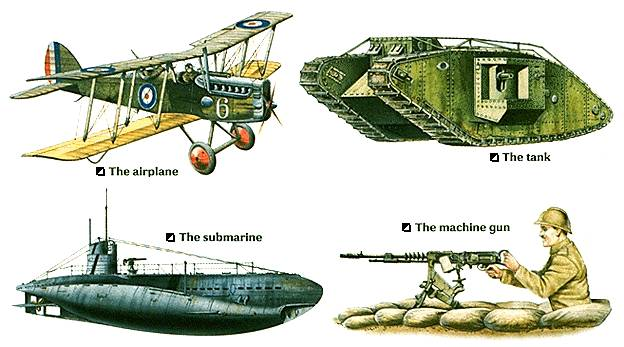
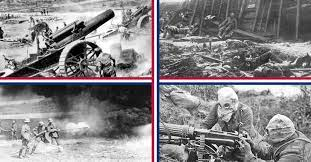
How did the Industrial Revolution and new technology of the early 1900s affect the fighting of World War I?
1 point
1
Question 19
19.
People moving from the country to the city for jobs is called?
1 point
1
Question 20
20.
This economic system emphasizes no one should own private property and products and profits are evenly distributed to all members of society.
Imperialism
1 point
1
Question 21
21.
This economic system is based on private ownership of the means of production and the creation of goods and services.
1 point
1
Question 22
22.
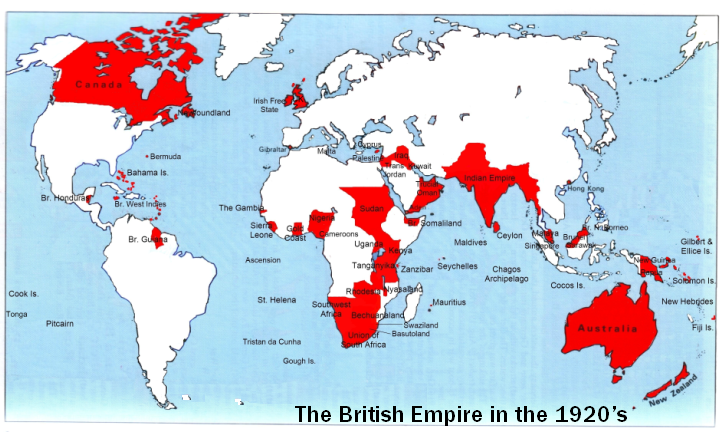
Which colony was considered the most valuable in the British Empire?
1 point
1
Question 23
23.
India was called the Star in the Crown.
2 points
2
Question 24
24.
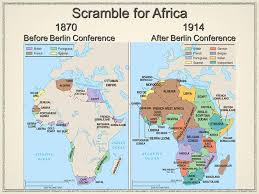
Which two European countries have the largest amount of land in Africa after the Berlin Conference?