1
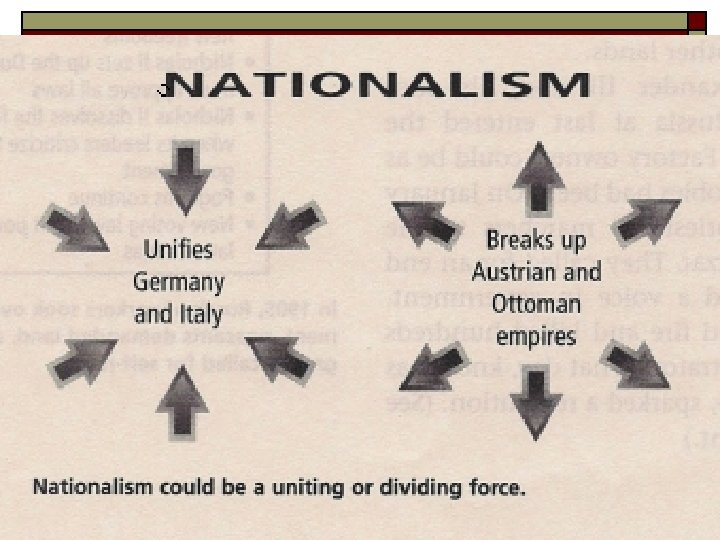
How can nationalism be considered a unifying force?
How can nationalism be considered a unifying force?
1
How can nationalism be considered a unifying force?
Which of these are examples of nationalism? Select all that apply.

What American was credited with opening up trade with Japan?

Which of these factors was not a major reason for Japan’s expansion of its empire in the late-19th and early-20th centuries?
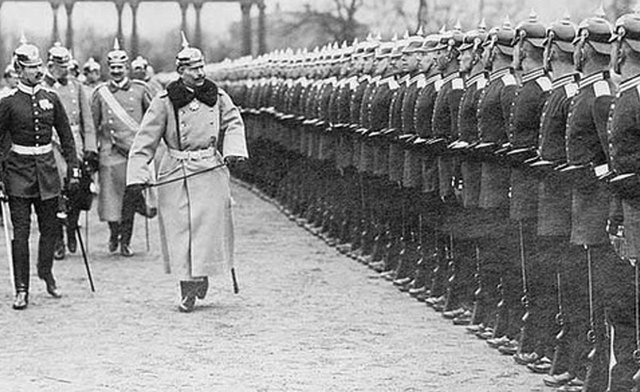
| Draggable item | arrow_right_alt | Corresponding Item |
|---|---|---|
Alliances | arrow_right_alt | glorification and build up of armed forces |
Imperialism | arrow_right_alt | agreements to work together against a common enemy |
Nationalism | arrow_right_alt | taking and controlling territory from a foreign country |
Militarism | arrow_right_alt | wanting your own country or trying to show your country's superiority through force |
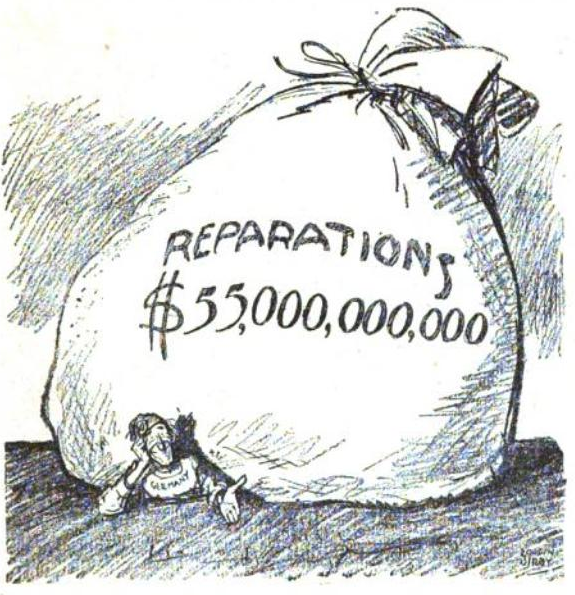
Japan
Great Britain
France
Germany
USA
Italy
Permanet members of the League of Nations.
Dropped out of the League of Nations
Never joined the League of Nations
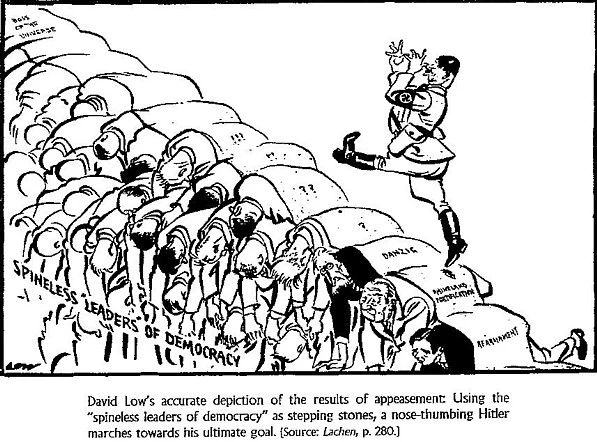
What is appeasement?
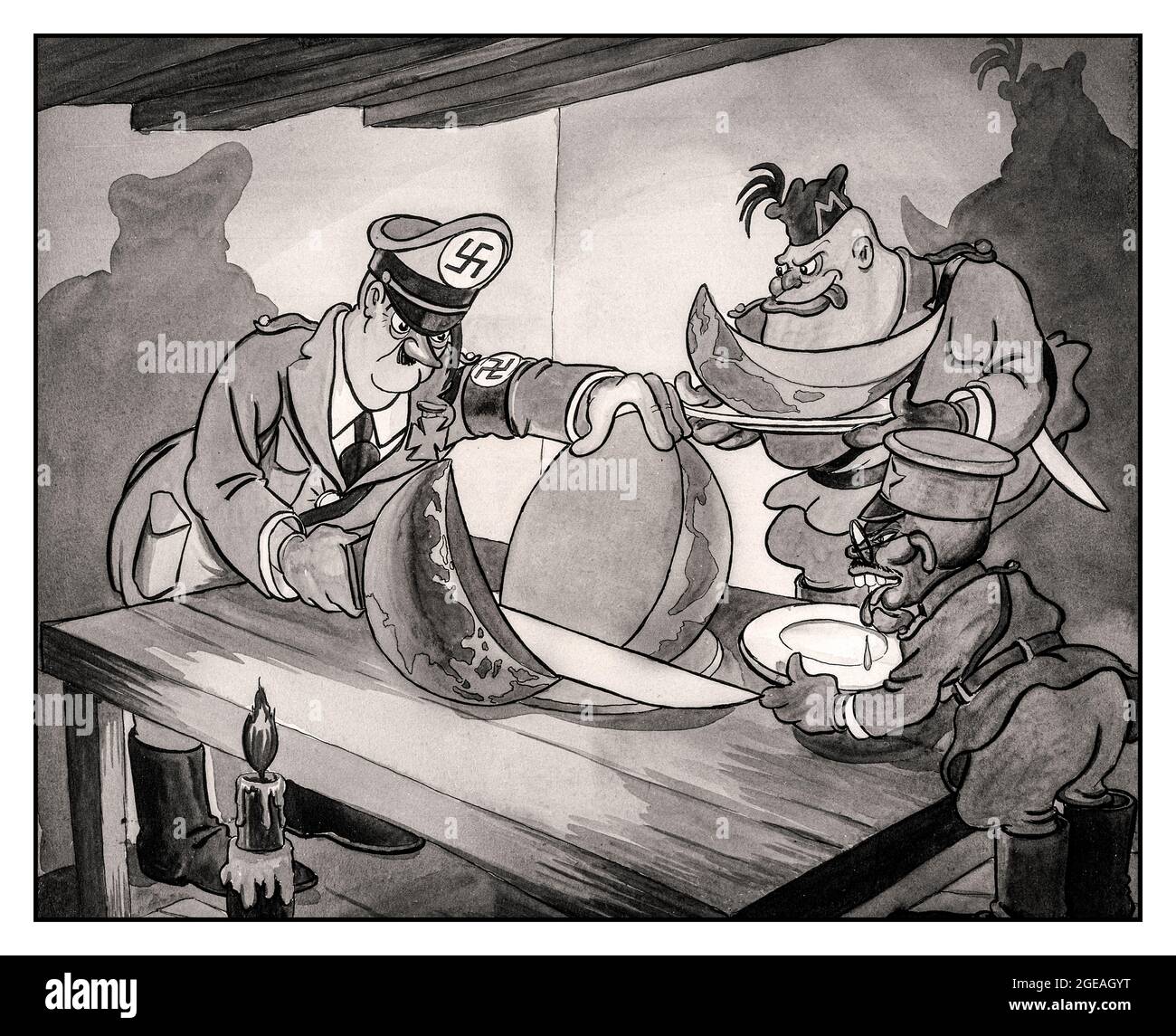
Select the members of the AXIS powers.
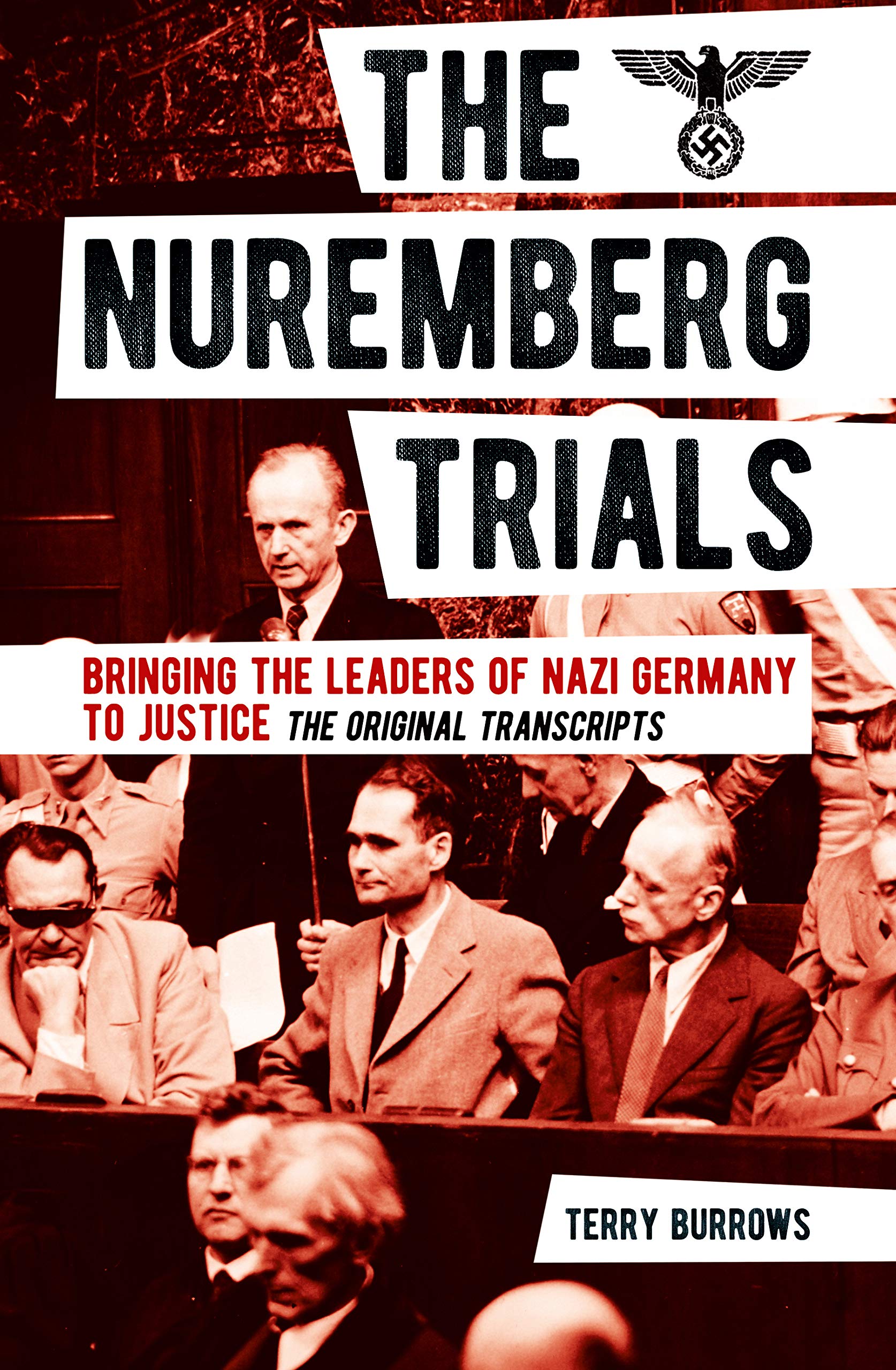
Which people were put on trial at the Nuremeburg Trials?
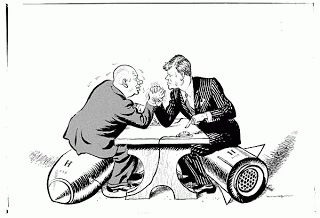
| Draggable item | arrow_right_alt | Corresponding Item |
|---|---|---|
Warsaw Pact | arrow_right_alt | defensive alliance led by the United States that included Western Democracies |
Cold War | arrow_right_alt | defensive alliance led by the USSR (Soviet Union) in response to the creation of NATO |
NATO | arrow_right_alt | period from 1949 to 1991 where the United States and the Soviet Union engaged in a struggle over political differences carried on by means short of military action or war |
Select the tactics used by the superpowers during the Cold War to influence Third World nations?
| Draggable item | arrow_right_alt | Corresponding Item |
|---|---|---|
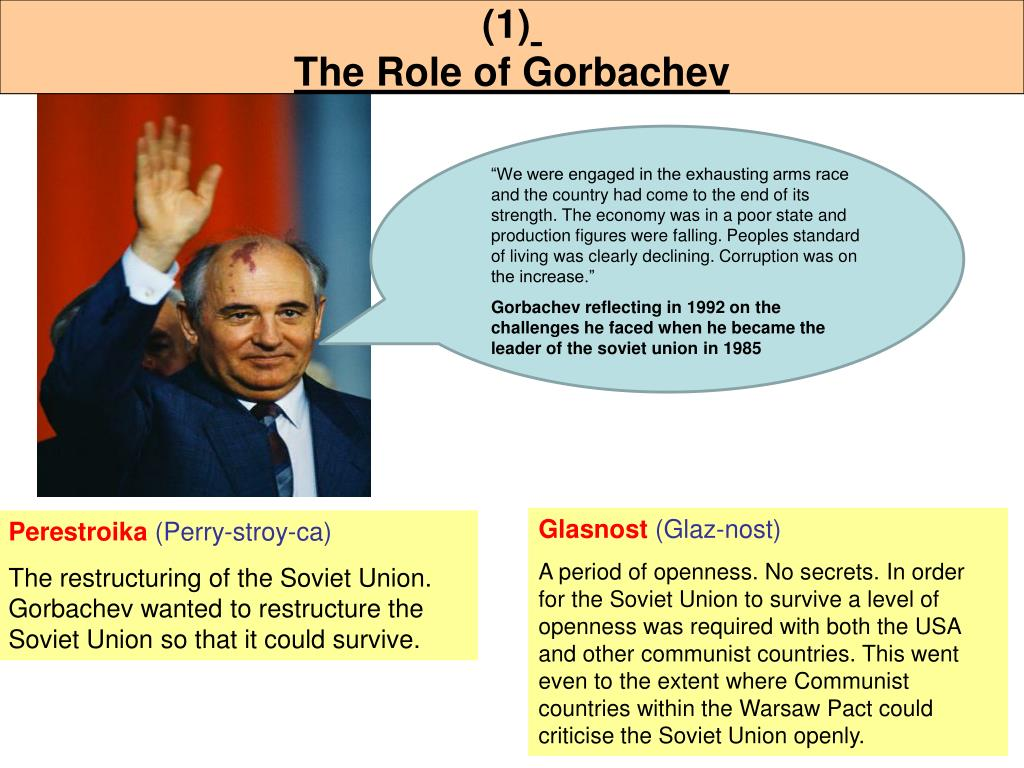
Vladimir Putin | arrow_right_alt | period of openness - reform policy that allowed people to criticise the Soviet government |
Glasnost | arrow_right_alt | economic restructuring - reform policy to try and improve the economy of the Soviet Union |
Perestroika | arrow_right_alt | president of the Soviet Union who introduced glasnost and perestroika, which signaled the collapse of the Soviet Union |
Mikhail Gorbachev | arrow_right_alt | Russian politician and former intelligence officer who is the president of Russia; responsible for the invasion of the Ukraine |

| Draggable item | arrow_right_alt | Corresponding Item |
|---|---|---|
Proposed Jewish State | arrow_right_alt | gold |
Proposed Arab State | arrow_right_alt | green Area |
Why did the United Nations create this partition plan for Israel?
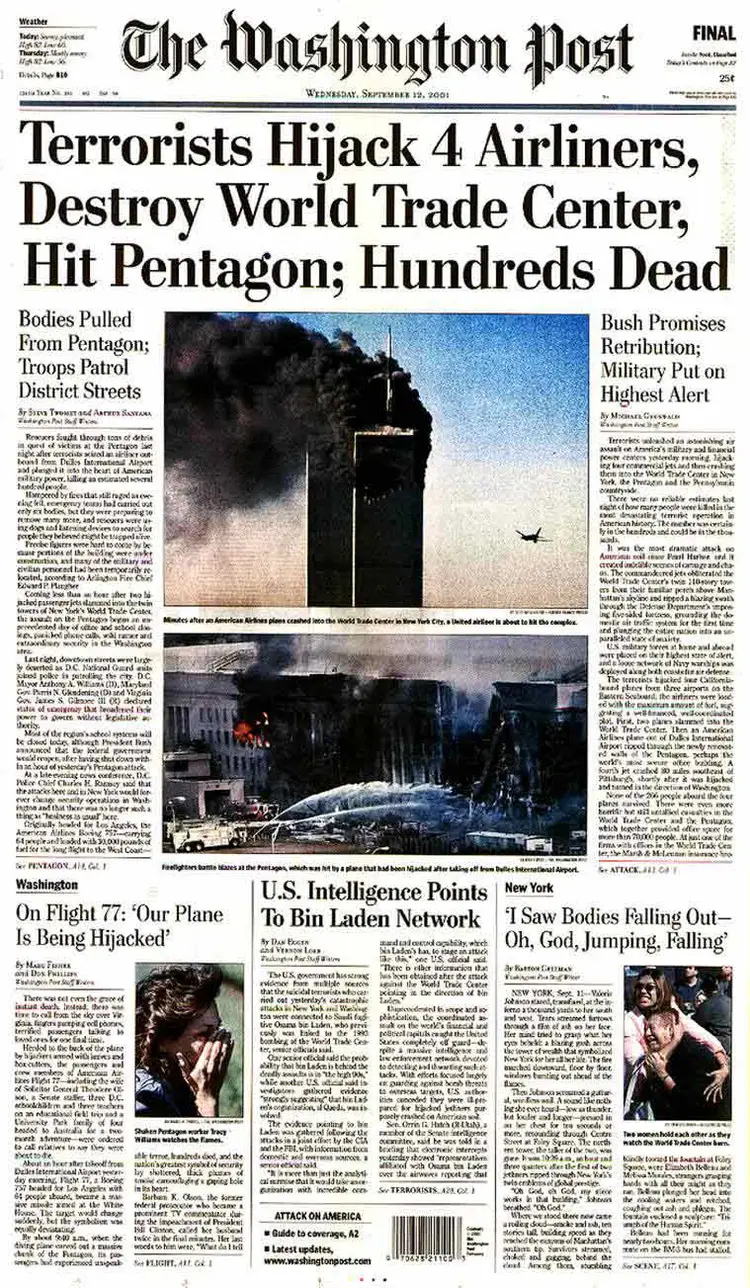
How many planes were used in the attacks on America?
What is Apartheid?
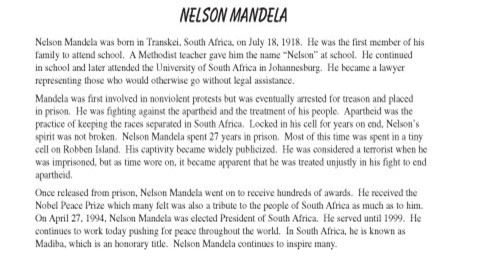
What kind of protests was Nelson Mandela initially involved in?
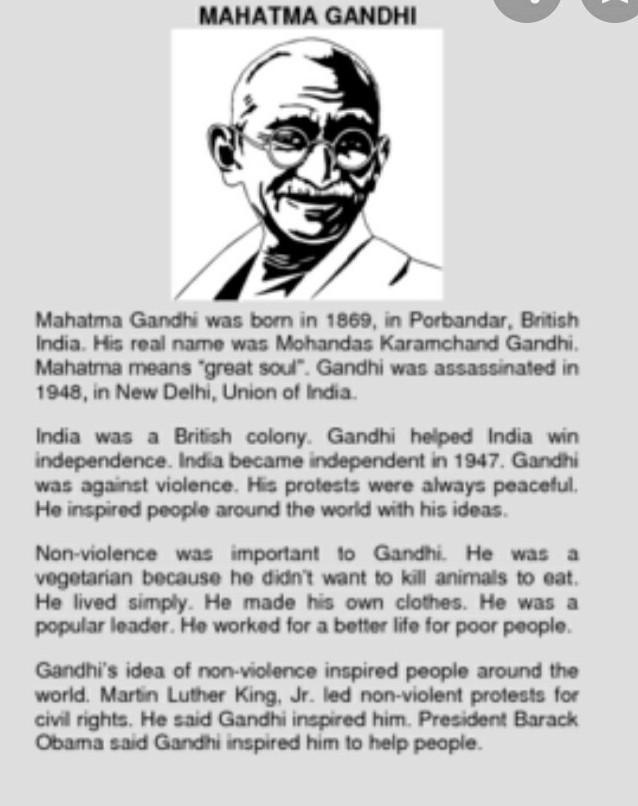
Gandhi was a leader for which independence movement?
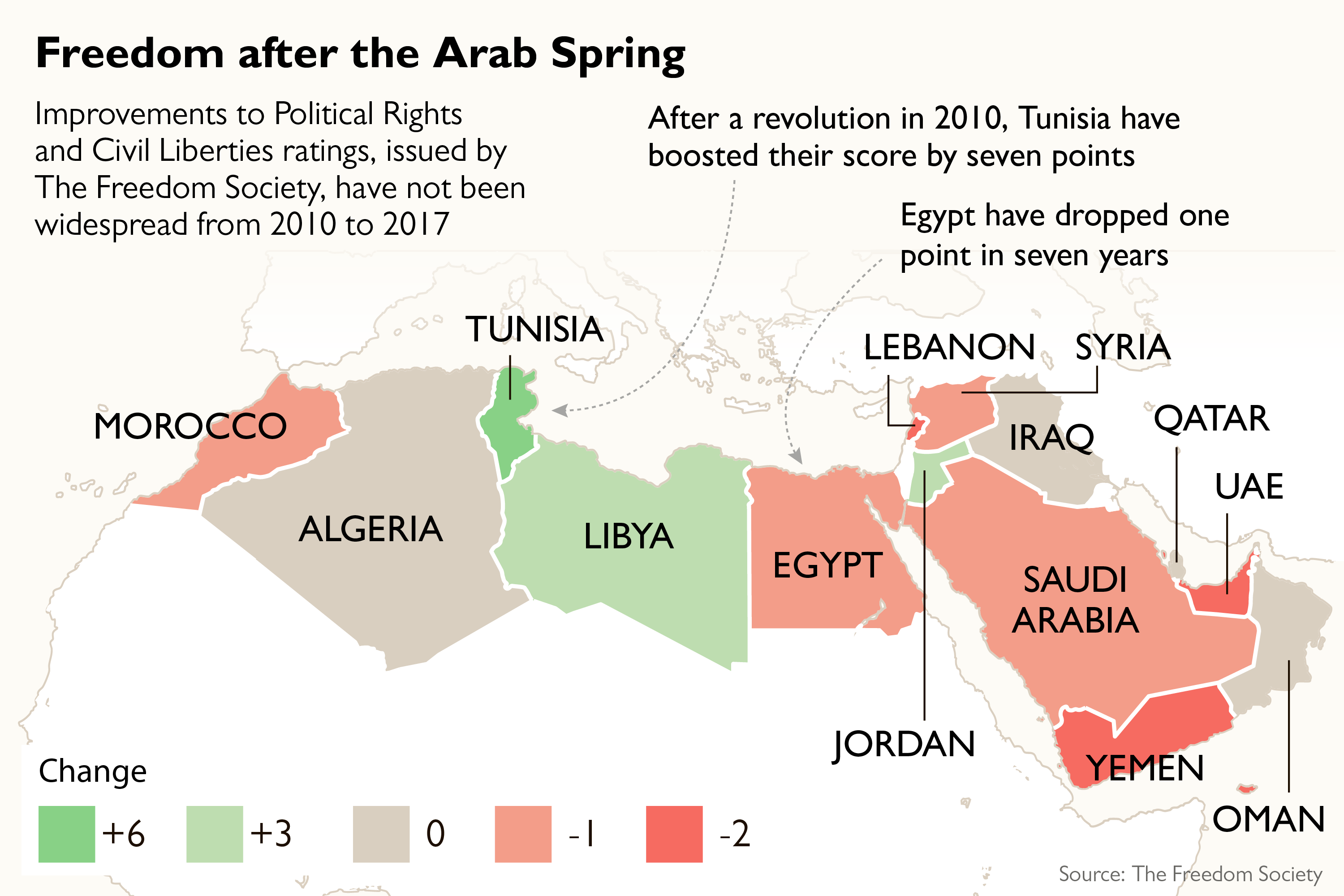
The Arab Spring was a series of pro-democracy uprisings that enveloped several largely Muslim countries, including Tunisia, Morocco, Syria, Libya, Egypt and Bahrain. The events in these nations generally began in the spring of 2011, which led to the name. However, the political and social impact of these popular uprisings remains significant today, years after many of them ended.
https://www.history.com/topics/middle-east/arab-spring
Middle Eastern countries became MORE democratic after the Arab Spring.
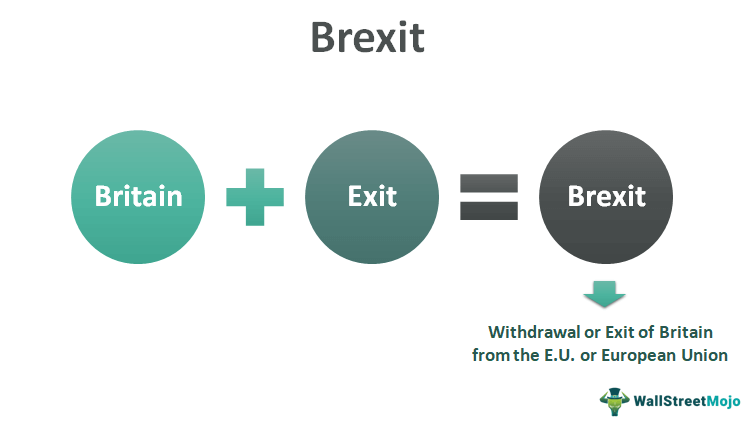
Brexit is when Britain left the United Nations.
How can nationalism be considered a dividing force?
Which two wars were fought as part of Japanese imperialism in Korea?
What were the main provisions of the Treaty of Versailles?
Why is the Munich Conference an example of appeasement?
What is the main point of conflict between Israel and the Palestinian people?
Where were the Twin Towers located?
On what date did the attacks occur?
What strategy did he use when protesting?
Who else used this strategy?