Answer 1-6: Choose the best Answer. For the Plessy & Brown essay, choose one to construct an IRAC response (issue / rule / appliation / conclusion). If you complete both, it will be used as extra credit. The Miranda Question is mandatory. Open Book / Open Note - Ask questions
Respuesta 1-6: Elija la mejor respuesta. Para el ensayo de Plessy & Brown, elija uno para construir una respuesta IRAC (problema / regla / aplicación / conclusión). Si completa ambos, se utilizará como crédito adicional. Open Book / Open Note - Hacer preguntas
DOUBLE TEST GRADE
Answer 1-6: Choose the best Answer. For the Plessy & Brown essay, choose one to construct an IRAC response (issue / rule / appliation / conclusion). If you complete both, it will be used as extra credit. The Miranda Question is mandatory. Open Book / Open Note - Ask questions
Respuesta 1-6: Elija la mejor respuesta. Para el ensayo de Plessy & Brown, elija uno para construir una respuesta IRAC (problema / regla / aplicación / conclusión). Si completa ambos, se utilizará como crédito adicional. Open Book / Open Note - Hacer preguntas
Untitled Section
Required
10 points
10
Question 1
1.
Attorneys are permitted to conduct __________________ of potential jurors, the process of asking questions to discover potential biases and mindset.
A los abogados se les permite llevar a cabo _______________________
Required
10 points
10
Question 2
2.
The authority to hear a case first, usually the trial court, is called _______________ jurisdiction.
La autoridad para escuchar un caso primero, generalmente el tribunal de primera instancia, se llama jurisdicción ___________________________
Required
20 points
20
Question 3
3.
Match the US Court to the correct level.
Haga coincidir la Corte de los Estados Unidos con el nivel correcto.
Draggable item
arrow_right_alt
Corresponding Item
US Supreme Court / Corte Suprema de los Estados Unidos
arrow_right_alt
Highest Court / Tribunal Supremo
Federal Circuit Court of Appeals / Tribunal de Apelaciones del Circuito de los Estados Unidos
arrow_right_alt
Court of Appeals / Tribunal de apelación
Federal District Court / Tribunal de Distrito de los Estados Unidos
arrow_right_alt
Trial Court / Tribunal de Primera Instancia
Required
20 points
20
Question 4
4.
Match the NJ Court to the correct level
Draggable item
arrow_right_alt
Corresponding Item
NJ Supreme Court
arrow_right_alt
Highest State Court
Superior Court - Appellate Division
arrow_right_alt
Court of Appeals
NJ Superior Court
arrow_right_alt
Trial Court
Required
20 points
20
Question 5
5.
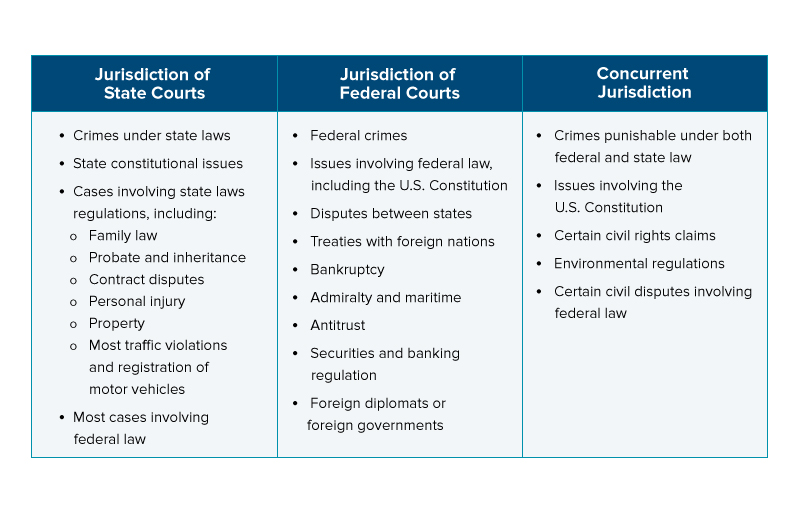
Move each case to the court with the proper jurisdiction (State or Federal). Use the chart above to assist.
Draggable item
arrow_right_alt
Corresponding Item
Canada sues the United States for not buying enough maple syrup pursuant to a treaty.
arrow_right_alt
Federal
Students at East Orange Campus claim a violation of their 14th Amendment Rights because their school lunch stinks
arrow_right_alt
State
Two neighbors fight over where a new fence can be put up.
arrow_right_alt
State
A tech company in California goes broke and wants to file for bankruptcy.
arrow_right_alt
Federal
A father wants to adjust his parenting time with his children.
arrow_right_alt
Concurrent
Required
20 points
20
Question 6
6.
Describe concepts of Precedent and Stare Decisis and why they are important to the US legal system.
Describir los conceptos de Precedent y Stare Decisis y por qué son importantes para el sistema legal de los Estados Unidos.
Supreme Court Decisions - You must answer at least one of Plessy or Brown and the Miranda question
10 points
10
Question 7
7.
IRAC - Response
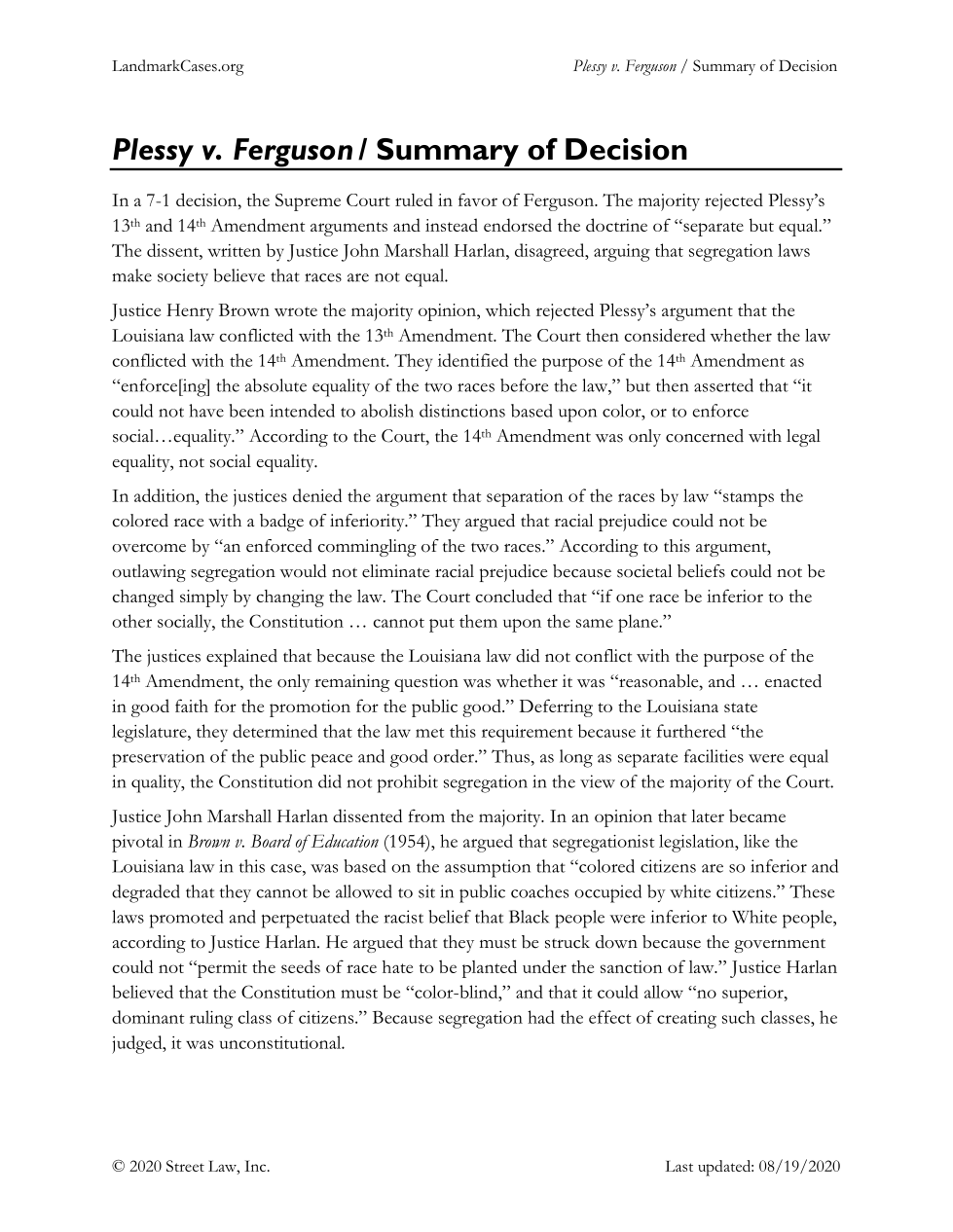
What was the issue in Plessy v. Fergusson?
10 points
10
Question 8
8.
Rule: The rule being applied by the SCOTUS in Plessy is the _______ Amendment
20 points
20
Question 9
9.
Analysis: How did the SCOTUS apply the rule to the law? What test did they create?
10 points
10
Question 10
10.
Conclusion: What did the SCOTUS decide?
10 points
10
Question 11
11.
IRAC - Response
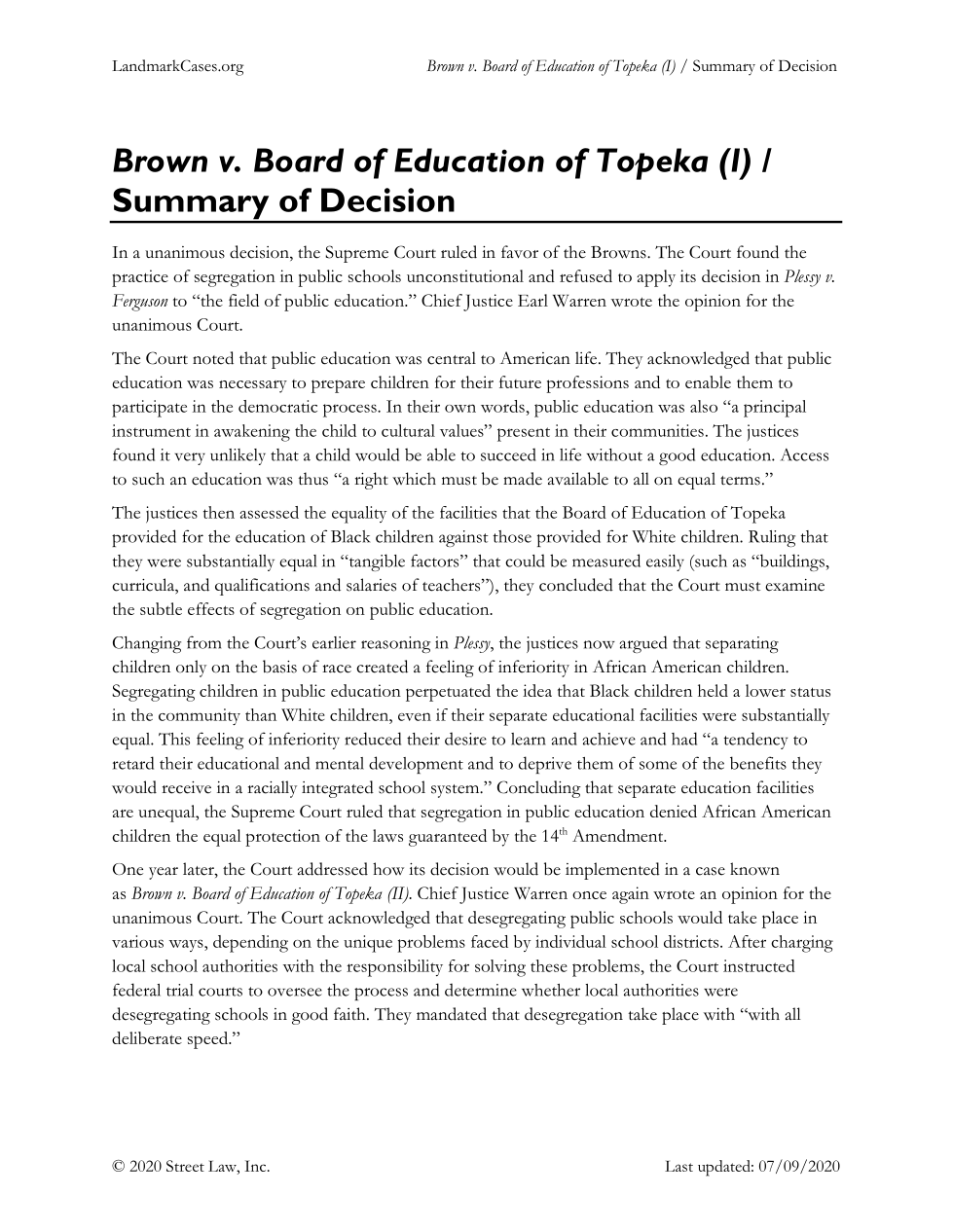
* Issue:
10 points
10
Question 12
12.
Rule: The SCOTUS applied the _______ Amendment - equal protection clause to the case
20 points
20
Question 13
13.
Analysis:
10 points
10
Question 14
14.
Conclusion:
In 1995, teenagers Michael Alvarado and Paul Soto attempted to steal a truck in a shopping mall parking lot in Santa Fe Springs, California. Alvarado approached the passenger side door of the truck, and Soto, holding a .357 Magnum pistol, approached the driver. The driver refused to give Soto the keys, so Soto shot and killed him. Alvarado then helped Soto hide the gun.
Both Alvarado and Soto were convicted of second-degree murder and robbery. Alvarado was convicted in large part because of incriminating statements he made about his involvement in the shooting during a two-hour interview with a police detective about a month after the murder.
At the time of the interview, Alvarado was a 17-year-old high school student. The detective contacted Alvarado’s mother, who agreed to bring him to the police station for questioning. When Alvarado arrived with his parents, the detective denied the parents’ request to remain with their son during the interview. While they waited in the lobby, Alvarado was questioned alone. During the two-hour session, the detective twice asked Alvarado if he wanted to take a break. Alvarado admitted to his role in the killing. At the end of the interview he went home. Alvarado was never advised that he had a right to remain silent, to consult a lawyer prior to answering questions, or to leave the police station.
20 points
20
Question 15
15.
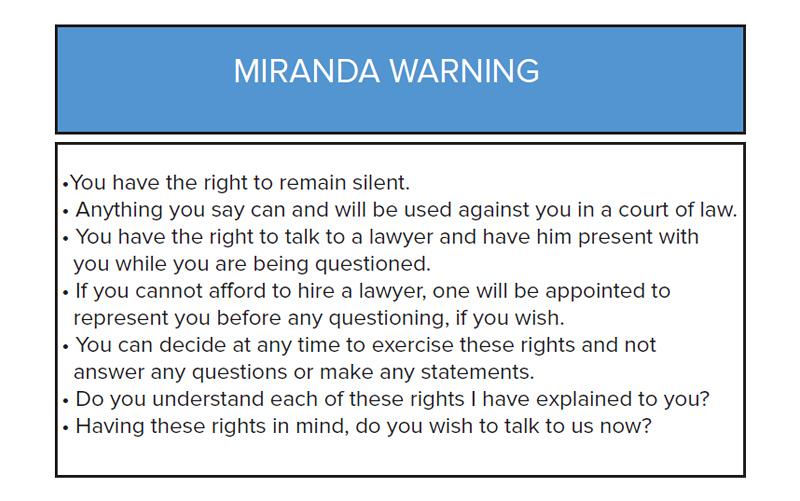
a. What are the strongest arguments that Alvarado should have been given Miranda warnings at the beginning of the questioning by the detective?
un. ¿Cuáles son los argumentos más fuertes de que Alvarado debería haber recibido advertencias de Miranda al comienzo del interrogatorio por parte del detective?
20 points
20
Question 16
16.
b. What are the strongest arguments that there was no need to give Alvarado Miranda warnings in these circumstances?
B. ¿Cuáles son los argumentos más fuertes de que no hubo necesidad de dar advertencias a Alvarado Miranda en estas circunstancias?
20 points
20
Question 17
17.
c. If you were a judge on an appeals court hearing this case, how would you analyze the issue of whether Alvarado was in custody and being interrogated? Should his age and experience be a factor? Explain.
c. Si usted fuera juez en un tribunal de apelaciones que escuchó este caso, ¿cómo analizaría el tema de si Alvarado estaba bajo custodia y estaba siendo interrogado? ¿Debería su edad y experiencia ser un factor? explicar.
20 points
20
Question 18
18.
d. Should Alvarado have done anything differently? Should the detective have done anything differently?
d. ¿Debería Alvarado haber hecho algo diferente? ¿Debería el detective haber hecho algo diferente?