In bacterial cells, the electron transport chain system is located in the
Question 2
2.
A newborn infant screening yields a positive result for biotinidase deficiency. As the RN, you provide education for the patient's parents regarding the role of enzymes in metabolism and this enzyme deficiency disorder.
Which of the following statements, by the patient's mother, best represents an understanding of metabolism?
Question 3
3.
A patient with severe anorexia nervosa is admitted to the hospital for medical treatment. The patient presents with severe malnutrition and evidence of organ dysfunction. Labs are drawn and maintenance IV fluids are initiated.
As the RN, you initiate IV fluid therapy for the patient. Knowing the importance of cellular energy production, which of the following maintenance IV fluids would you expect to be ordered by the physician?
Question 4
4.
Formation of peptide bonds between amino acids to build a polypeptide would be called
Question 5
5.
Each of the following is true of enzymes except
Question 6
6.
Enzymes that are only produced when substrate is present are termed
Question 7
7.
When enzyme action stops due to a buildup of end product, this control is called
Question 8
8.
Which of the following is not true of anaerobic respiration?
Question 9
9.
The breakdown of peptidoglycan to N-acetylmuramic acid, N-acetylglucosamine, and peptides is an example of
Question 10
10.
For questiions 11 and 12.
A 67-year-old patient with severe sepsis undergoes a full infectious workup upon admittance to the intensive care unit. Cultures of urine, blood, sputum, and cerebral spinal fluid are obtained. The cultures do not yield a specific organism, so further analysis of the sample is done to determine the characteristics of the microorganism. The metabolic processes are analyzed in the lab.
The organism is found to grow throughout the entire tube of broth media. Which of the following terms best describes the oxygen requirement of this organism?
Question 11
11.
What happens in competitive inhibition of enzymes?
Question 12
12.
What is a catabolic reaction?
Question 13
13.
What happens in noncompetitive inhibition of enzymes?
Question 14
14.
What is cellular respiration in bacteria?
Question 15
15.
Which of the following is true about cellular respiration?
Question 16
16.
Which of the following is NOT a step in cellular respiration?
Question 17
17.
The organism sample is further tested and found to grow in the absence of oxygen. Which of three main pathways of catabolism may this organism utilize to produce energy in the absence of free oxygen?
Question 18
18.
What is the purpose of selective agar in microbiology?
Question 19
19.
What is anabolic reaction?
Question 20
20.
CCC: Systems (Worth 7 pts)
How may specificity of enzymes be used to create antimicrobials? How can we use the fact that enzymes may denature to our advantage for microbial control?
For full credit: Discuss how your ideas affect a microbial system. Examples and specific ideas should be included to support your ideas. Include the meanings and information about specificity and denaturing.
Question 21
21.
Data Question(s): (Worth 7 pts)
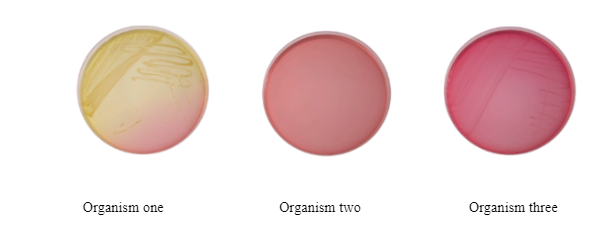
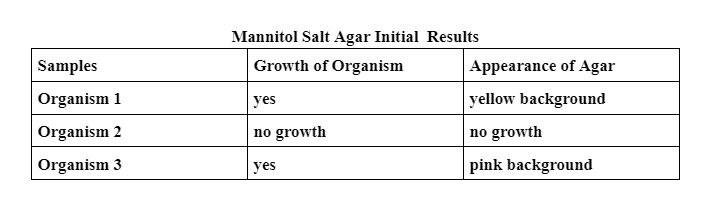
Mannitol Salt agar has very high levels of sodium chloride (salt), mannitol sugar, and a pH indictor. When mannitol sugar (a substrate) is used by a bacteria it produces a product is produced that affects the appearance of the agar.
a. Using the data, explain what occurred to the three organisms and why some organisms grew and why there were different appearances.
b. What hypothesis was being tested? Was the hypothesis proven? Why or why not?
c. How could the scientist follow up her initial results to substantiate her hypothesis?
Question 22
22.
CER: Claim, Evidence, and Reasoning
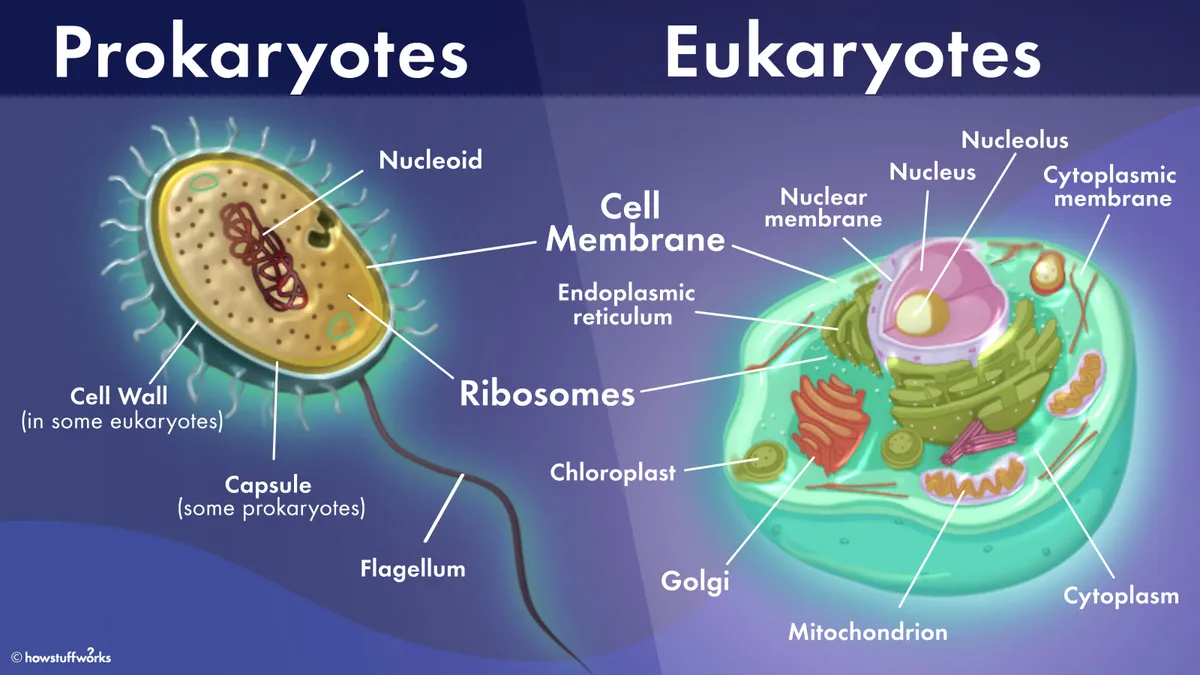
Prokaryotes primarily generate energy through processes such as glycolysis and fermentation, often relying on anaerobic respiration when oxygen is scarce, utilizing simpler metabolic pathways that allow for rapid energy production in diverse environments. In contrast, eukaryotes, encompassing organisms like plants, animals, and fungi, utilize more complex mechanisms for energy production, primarily through aerobic respiration within mitochondria, where glucose is broken down in the presence of oxygen to produce adenosine triphosphate (ATP), the energy currency of the cell. This distinction highlights not only the evolutionary differences between these two domains of life but also the implications for their ecological roles; prokaryotes can thrive in extreme conditions and contribute to nutrient cycling in various ecosystems, while eukaryotes often engage in more intricate energy transformations that support multicellular structures and varied life forms.
Prokaryotes do not have organelles. Eukaryotics do have organelles.
Do prokaryotes have an advantage or disadvantage when it comes to energy production and storage within the prokaryotic cells?
a. Make a claim about the question by answer the above question.
b. Use evidence from the given information and images to support your claim.
c. Give the scientific reasons/rationale/theory that allow you to use your evidence in support of your claim.
See the rubric to ensure you get the greatest amount of points for your answer.