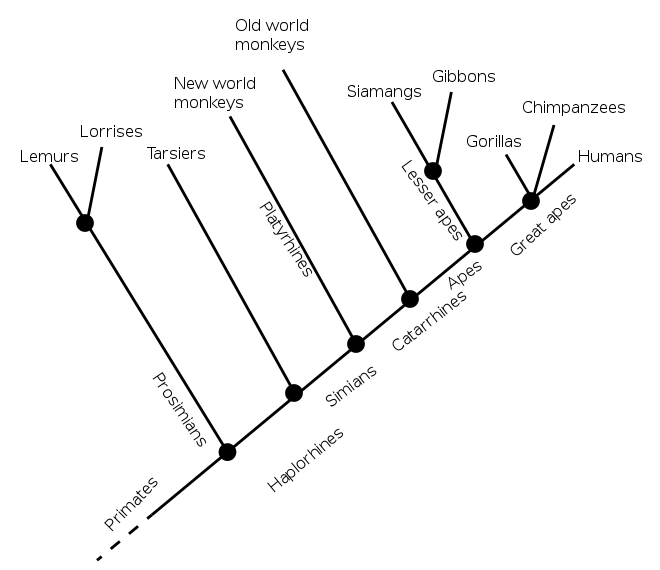
Humans are less related to which species?
Humans are less related to which species?
Match the following definitions and vocabulary
| Draggable item | arrow_right_alt | Corresponding Item |
|---|---|---|
evolutionary tree diagram | arrow_right_alt | a period of rapid growth in life's diversity from 540 to 485 million years ago |
mass extinction | arrow_right_alt | a large supercontinent that consisted of all the land on Earth |
Pangaea | arrow_right_alt | A theory that the various species of living organisms have their origin in common ancestors |
The Theory of Evolution | arrow_right_alt | a diagram that depicts the evolutionary relationships between organisms |
fossil | arrow_right_alt | the loss of many species throughout the world in a short period of time |
Cambrian explosion | arrow_right_alt | the preserved remains of an organism, or traces of an organism left by an animal |
Earth formed about .
Which sentence describes when most types of organisms appeared?
Which sentence describes when humans appeared?
Humans are less related to which species?
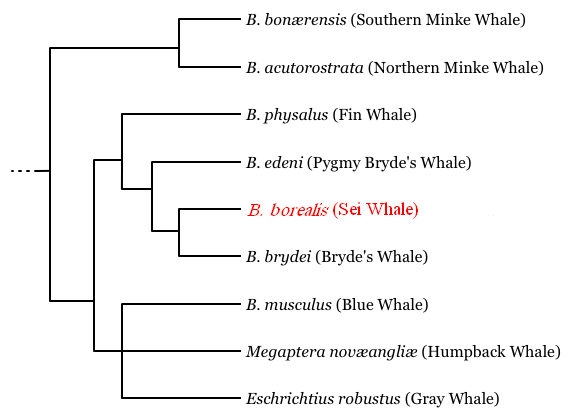
Which whale is most closely related to the Blue Whale?
Which of the following is a fossil?
'Fossil' comes from the root 'Fossilis' (Latin) for 'dug up'. Make a word using the word 'Fossil' as a base/root.
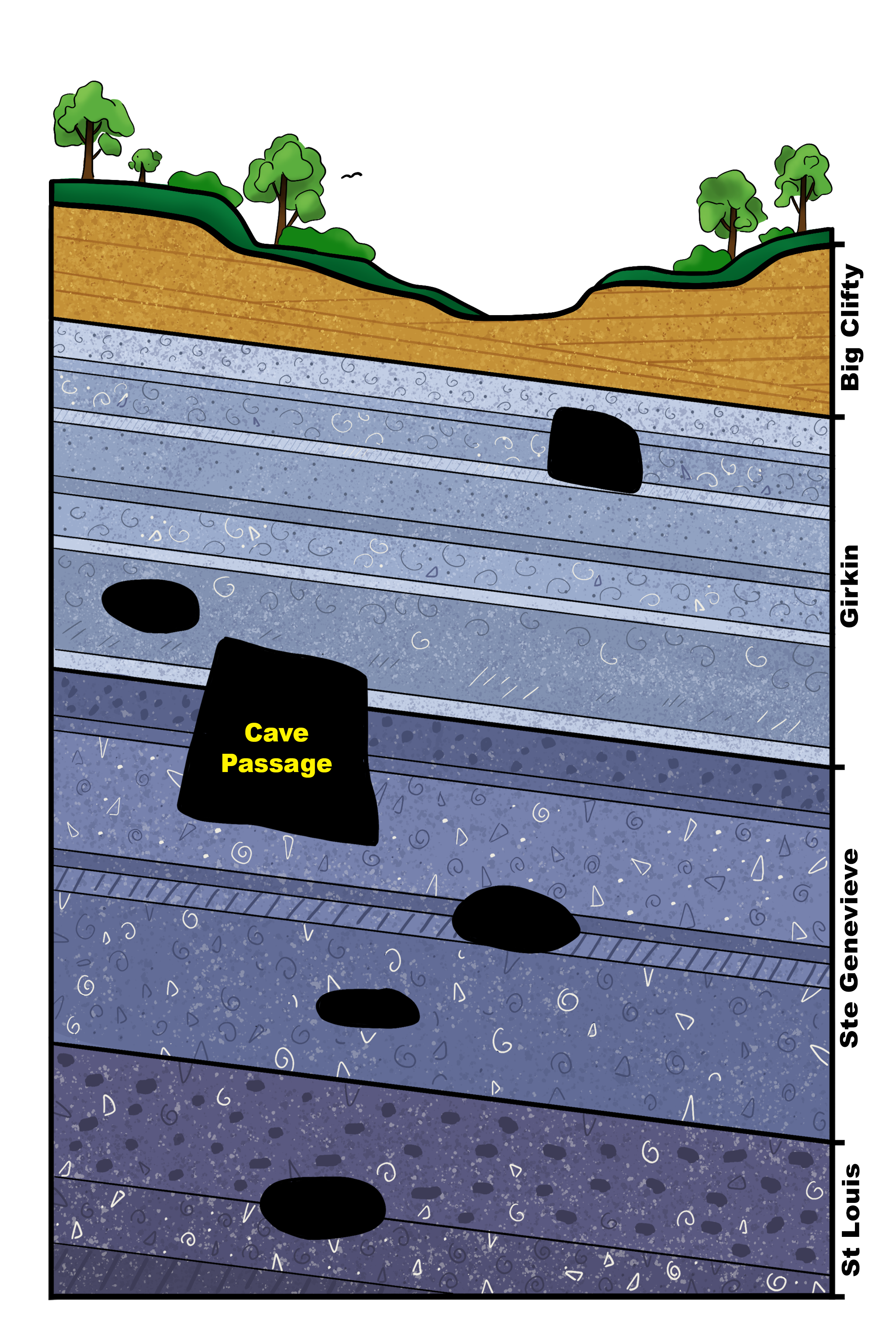
Fossils are deposited in layers of sediment. Which layer has the youngest fossils (most recent)?
Eukaryotes are cells without a nucleus
What is the theory of evolution? (Type your answer in English)