Twa kɔ nsɛm atitiriw so
Log in
Sign up for FREE
arrow_back
Laabri

DE_Chem_2.4_StructureOfThePeriodicTable

star
star
star
star
star
Last updated about 3 years ago
32 Nsɛmmisa
Engage
Ɛhia
2
Ɛhia
1
Ɛhia
4
Ɛhia
1
Ɛhia
2
Explore 1: How do scientists distinguish between metals, metalloids, and nonmetals?
Ɛhia
2
Ɛhia
2
Ɛhia
1
Ɛhia
3
Ɛhia
1
Ɛhia
1
Ɛhia
1
Ɛhia
1
Ɛhia
1
Ɛhia
1
Ɛhia
1
Ɛhia
1
Ɛhia
4
Ɛhia
1
Ɛhia
1
Ɛhia
1
Ɛhia
1
Asemmisa {{asɛmmisaAhyɛnsode}}
1.

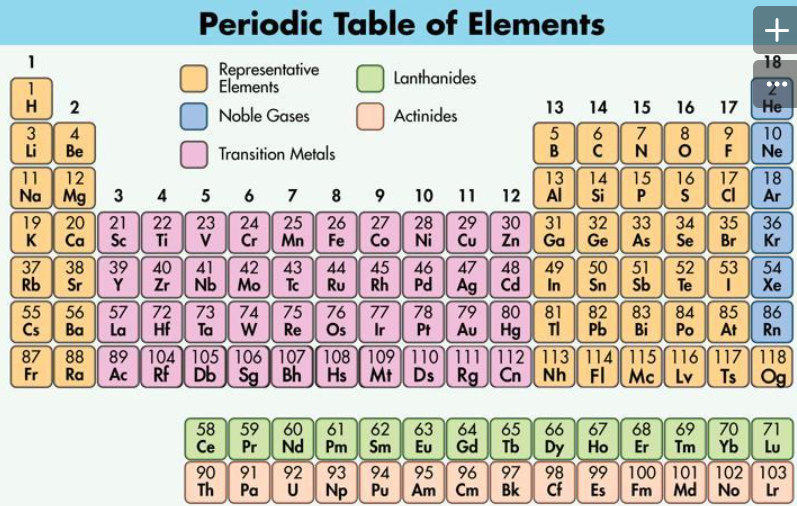
What is the purpose of using different colors for specific groups of elements on the periodic table? (What do I already know)

Ɛhia
1
Asemmisa {{asɛmmisaAhyɛnsode}}
2.

How does atomic structure influence the properties associated with each grouping? (What do I already know)

Asemmisa {{asɛmmisaAhyɛnsode}}
3.

Recognized as the father of the modern periodic table, used the periodic law to develop the periodic table. He did this by grouping according to their similar properties.

Question 4
00:18
keyboard_arrow_down
Ɛhia
1
Asemmisa {{asɛmmisaAhyɛnsode}}
4.

Give three examples of things or objects that have matter.

Question 5
01:04
keyboard_arrow_down
Ɛhia
1
Asemmisa {{asɛmmisaAhyɛnsode}}
5.

Because matter occupies space, it can be measured by and by .

Asemmisa {{asɛmmisaAhyɛnsode}}
6.

What is the atomic number for the element Fluorine?

Asemmisa {{asɛmmisaAhyɛnsode}}
7.

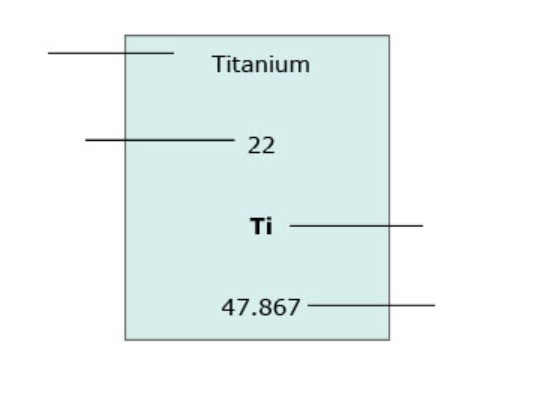
Match each term with its label on the diagram.

Mmuae Afoforo a Wobɛpaw:
element name
atomic number
element symbol
atomic mass
Asemmisa {{asɛmmisaAhyɛnsode}}
8.

How can any of the items you labeled in Question 7 be used to learn more about the basic structure of an atom?

Asemmisa {{asɛmmisaAhyɛnsode}}
9.

Select the statements that describe how electrons are arranged in an atom

Asemmisa {{asɛmmisaAhyɛnsode}}
10.

Elements with similar chemical and physical properties are also placed together within or families. (vertical columns). The (or row) number indicates the number of electron energy levels in an atom of that element.

Asemmisa {{asɛmmisaAhyɛnsode}}
11.

There are many versions of the periodic table that include slightly different information. The designations for the groups, for example, are presented in three main styles. The European and U.S. conventions use “A” and “B” labels for different parts of the periodic table. In the U.S. model, the “ ” groups include the “main group elements” in columns 1, 2, and . These are often called the "representative elements." The “B” groups are the transition metals. The International Union of Pure and Applied Chemistry (IUPAC), a worldwide organization working to standardize chemistry conventions, simply numbers the groups 1–18.

Asemmisa {{asɛmmisaAhyɛnsode}}
12.

Elements that appear in certain places on the periodic table exhibit properties.

Asemmisa {{asɛmmisaAhyɛnsode}}
13.

Metals are located on the -hand side of the periodic table. Metals are primarily in Groups 1-12. Some elements in Groups 13, 14, and 15 are also metals. Metals exhibit similar properties. They have melting points. Melting point is the temperature at which a solid substance transforms into a . Metals are usually solid at room temperature because of this property. Mercury is a highly toxic metal. It is one of only two elements that exist in the liquid state at room temperature.

Valence electrons are an important factor in determining the properties of an element. Valence electrons are those that atoms tend to gain, lose, or share during a chemical reaction.

For representative elements, they are electrons in the outer energy level. Elements in Group 1 contain one valence electron. Elements in Group 2 contain two valence electrons. For elements in Group 13-18, the number of valence electrons is 10 less than the group number. An element in Group 15, for example, has 5 valence electrons. Helium is an exception to this rule, as it is located in Group 18, but has 2 valence electrons. The elements in Groups 3-12 have varying numbers of valence electrons.

Ɛhia
1
Asemmisa {{asɛmmisaAhyɛnsode}}
14.

Valence electrons are not an important factor in determining the properties of an element.

Ɛhia
2
Asemmisa {{asɛmmisaAhyɛnsode}}
15.

The number corresponds with the number of electrons in the atoms of many elements.

Ɛhia
4
Asemmisa {{asɛmmisaAhyɛnsode}}
16.

Elements in Group 1 contain valence electrons. For elements in Group 13-18, the number of valence electrons is 10 less than the group number. An element in Group 15, for example, has valence electrons. The elements in Groups 3-12 have varying numbers of valence electrons.

Asemmisa {{asɛmmisaAhyɛnsode}}
17.

Metals demonstrate a number of properties. Which word refers to metals ability to transmit heat or electricity?

Most metals are quite reactive because they easily gain, lose, or share valence electrons. Metals are typically conductive, malleable, and ductile, and they have shiny surfaces.

Asemmisa {{asɛmmisaAhyɛnsode}}
18.

Metals demonstrate a number of properties. Which word refers to metals ability to be shaped?

Most metals are quite reactive because they easily gain, lose, or share valence electrons. Metals are typically conductive, malleable, and ductile, and they have shiny surfaces.

Asemmisa {{asɛmmisaAhyɛnsode}}
19.

Metals demonstrate a number of properties. Which word refers to metals ability to be drawn out into wire?

Most metals are quite reactive because they easily gain, lose, or share valence electrons. Metals are typically conductive, malleable, and ductile, and they have shiny surfaces.

Asemmisa {{asɛmmisaAhyɛnsode}}
20.

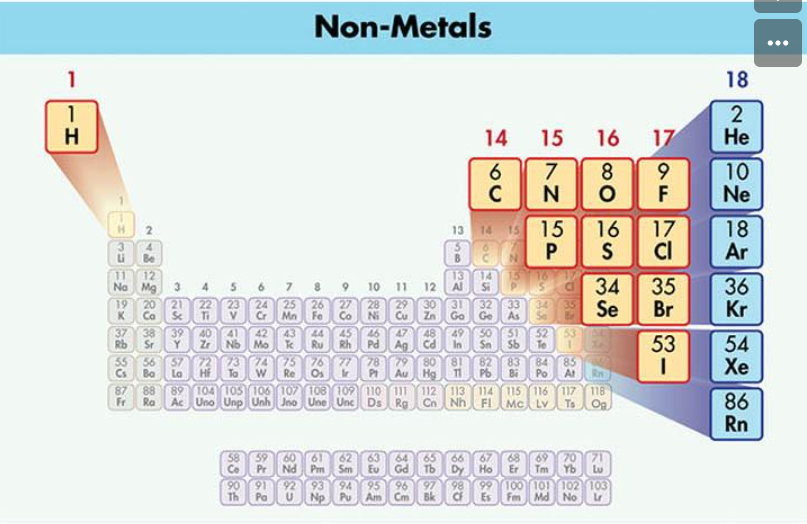
The non-metal elements are located on the upper right-hand side of the periodic table. Atoms of most nonmetals tend to valence electrons during chemical reactions

Ɛhia
1
Asemmisa {{asɛmmisaAhyɛnsode}}
21.

Nonmetals tend to have low melting points. This means that nonmetals are more likely to exist as at room temperature.

Ɛhia
1
Asemmisa {{asɛmmisaAhyɛnsode}}
22.

Unlike metals, nonmetals hold their valence electrons . Nonmetals share electrons between a few atoms to make molecules.

Ɛhia
1
Asemmisa {{asɛmmisaAhyɛnsode}}
23.

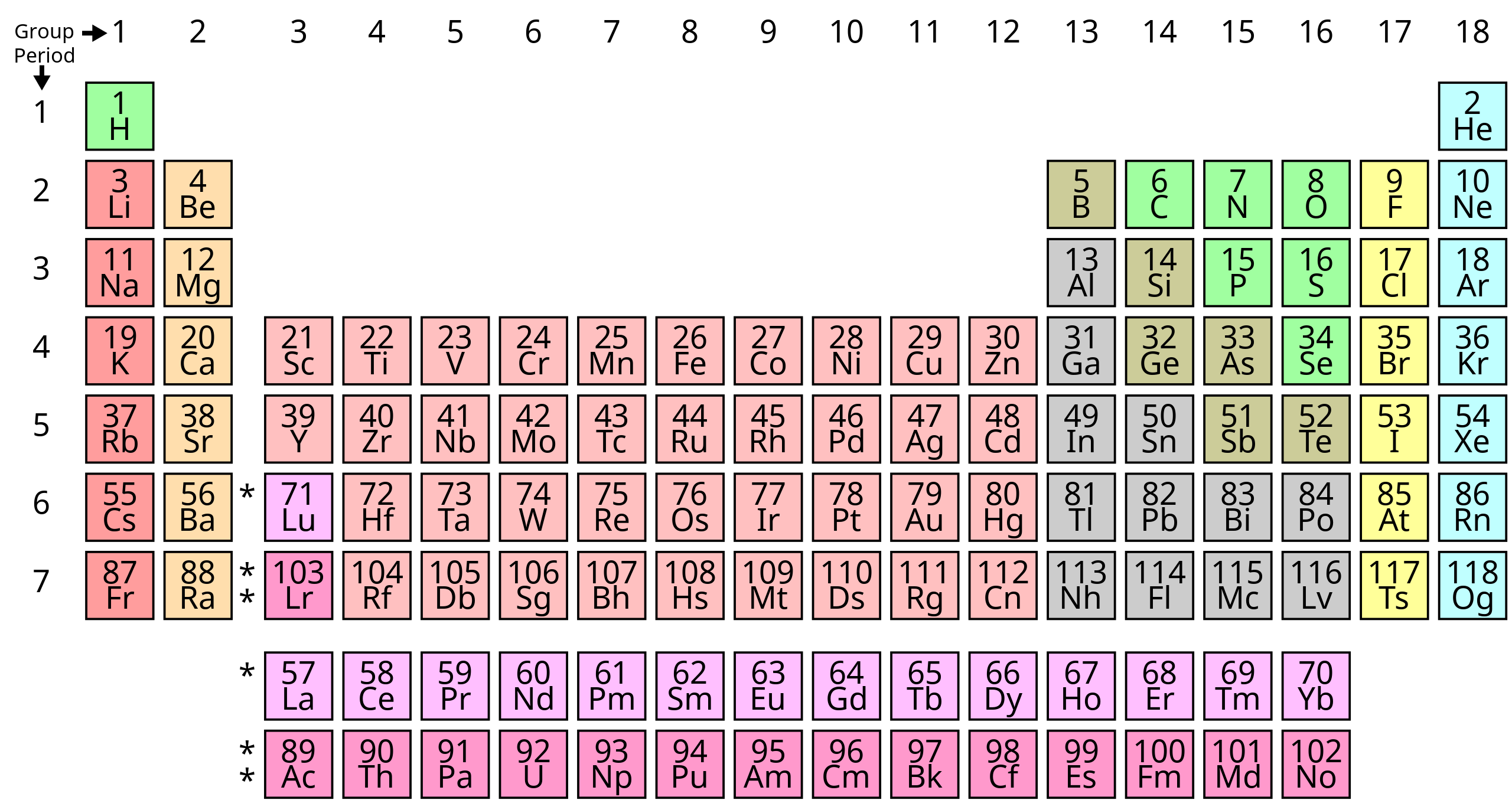
There are only seven elements that are considered . The metalloids appear in Groups 13–16. They form a jagged line between the metals and nonmetals.

Ɛhia
1
Asemmisa {{asɛmmisaAhyɛnsode}}
24.

Under certain conditions, electrons can move between atoms, which is why a metalloid typically acts as a

Asemmisa {{asɛmmisaAhyɛnsode}}
25.

Elements with 1 valence electron are as it relates to conductivity and gases at room temperature.

Asemmisa {{asɛmmisaAhyɛnsode}}
27.

Elements with a valence number of

Asemmisa {{asɛmmisaAhyɛnsode}}
29.
Draggable itemarrow_right_altCorresponding Item

calcium

arrow_right_alt

Elements in this group are very stable gases at room temperature

argon

arrow_right_alt

Elements in this group are soft metals that can be cut with a butter knife and react violently with water to form strong bases

bromine

arrow_right_alt

elements in this group are fairly reactive. They react with water to form weak bases.

Lithium

arrow_right_alt

elements in this group are highly reactive nonmetals. At room temperature, the elements in this group with lower atomic numbers are gases, whereas the heavier ones are in a liquid and solid forms.

Asemmisa {{asɛmmisaAhyɛnsode}}
30.

The Lanthanide Series, which is part of period 6, contains 15 elements which are sometimes called the " earth metals."

Asemmisa {{asɛmmisaAhyɛnsode}}
31.

The atomic structure of the transition metals allows not only electrons from the valence shell to participate in bonding but also what?

Asemmisa {{asɛmmisaAhyɛnsode}}
32.

This series is part of period 7 on the periodic table, with most of its unstable elements synthesized in a laboratory and all its elements are radioactive.