2
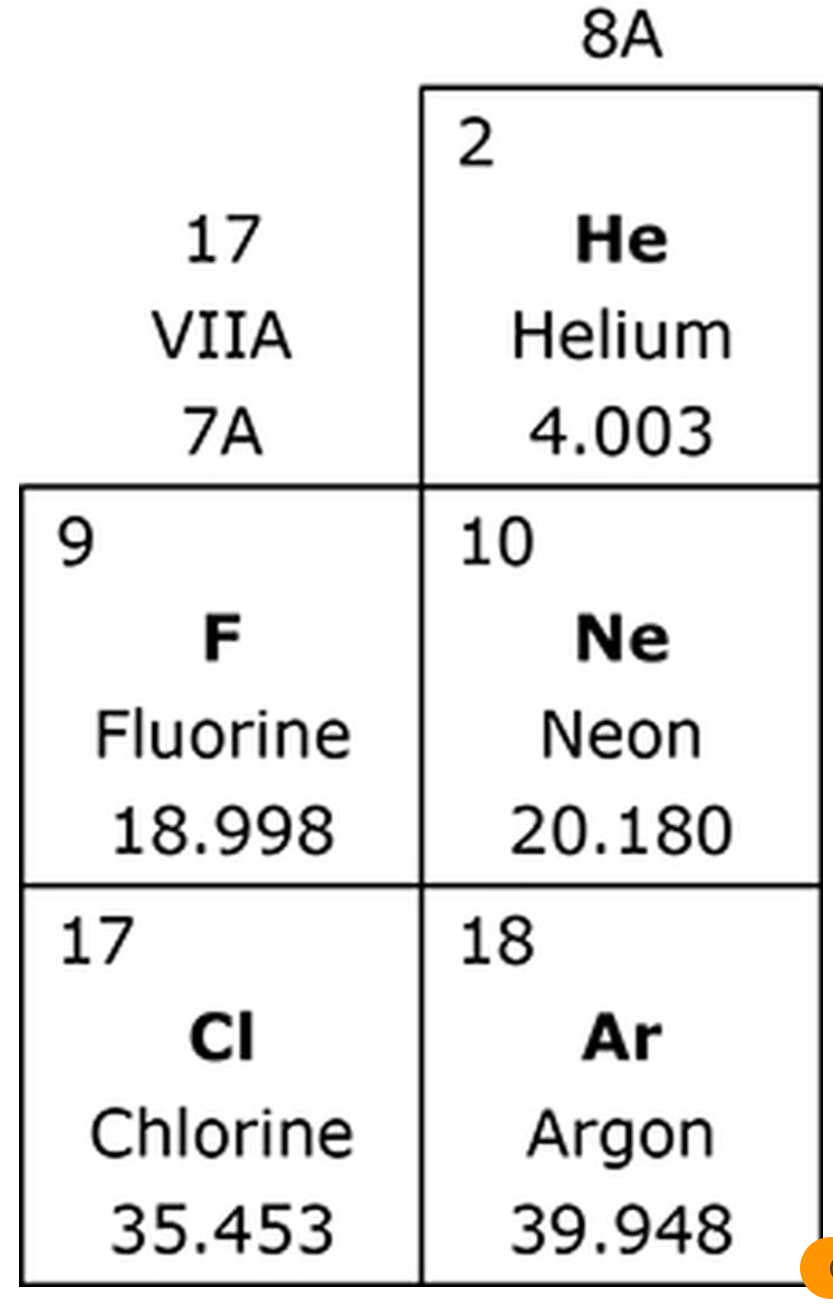
Which elements will form ions?
Which elements will form ions?
1
3
Refer to Discovery Education's chemistry text: Unit 3.1 Ion Formation to answer the following questions. Additional questions may be added so check your work before turning in and make sure everything has been responded to.
Refer to Discovery Education's chemistry text: Unit 3.1 Ion Formation to answer the following questions. Additional questions may be added so check your work before turning in and make sure everything has been responded to.
What are ions?
Which elements will form ions?
In the illustration of the sodium atom, click on the shell(s) that contain electrons that can be involved in chemical reactions with atoms of other elements.
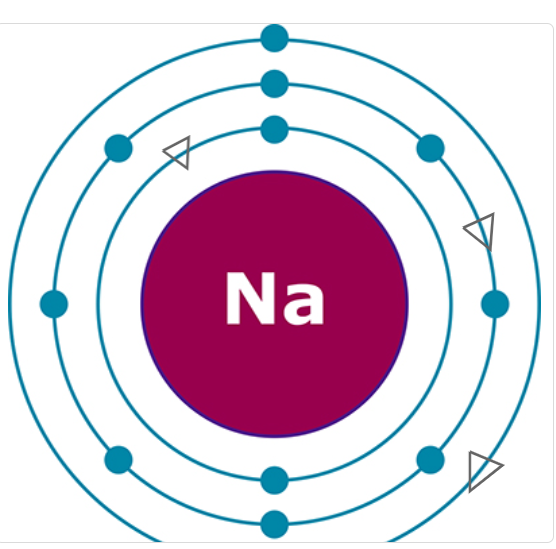
A neutral atom
Many ions consist of a single charged atom. An ion that consists of only one charged atom is called a
Positively charged ions are called
Use the periodic table to predict the charge on the most common ions for the following atoms. Connect each atom to its most common ionic charge.
+2 | +1 | 0 | -1 | -2 | |
|---|---|---|---|---|---|
Na | |||||
O | |||||
F | |||||
Ca | |||||
Cl |
Due to their stable outer electron shells,
What is the principle that states that chemical reactions tend to occur so that the atoms of non-noble elements have a stable outer shell of eight electrons?
List three elements that represent exceptions to the Octet Rule.
How do ions form, and how does the octet rule determine if an atom becomes a cation or an anion?
How do monatomic ions form?
How do cations and anions differ?
How does the formation of ions relate to the octet rule?
The ions that will form will be what charge?
Which elements will not form ions?