1
1
1
1
1
1
1
1
1
1
1
1
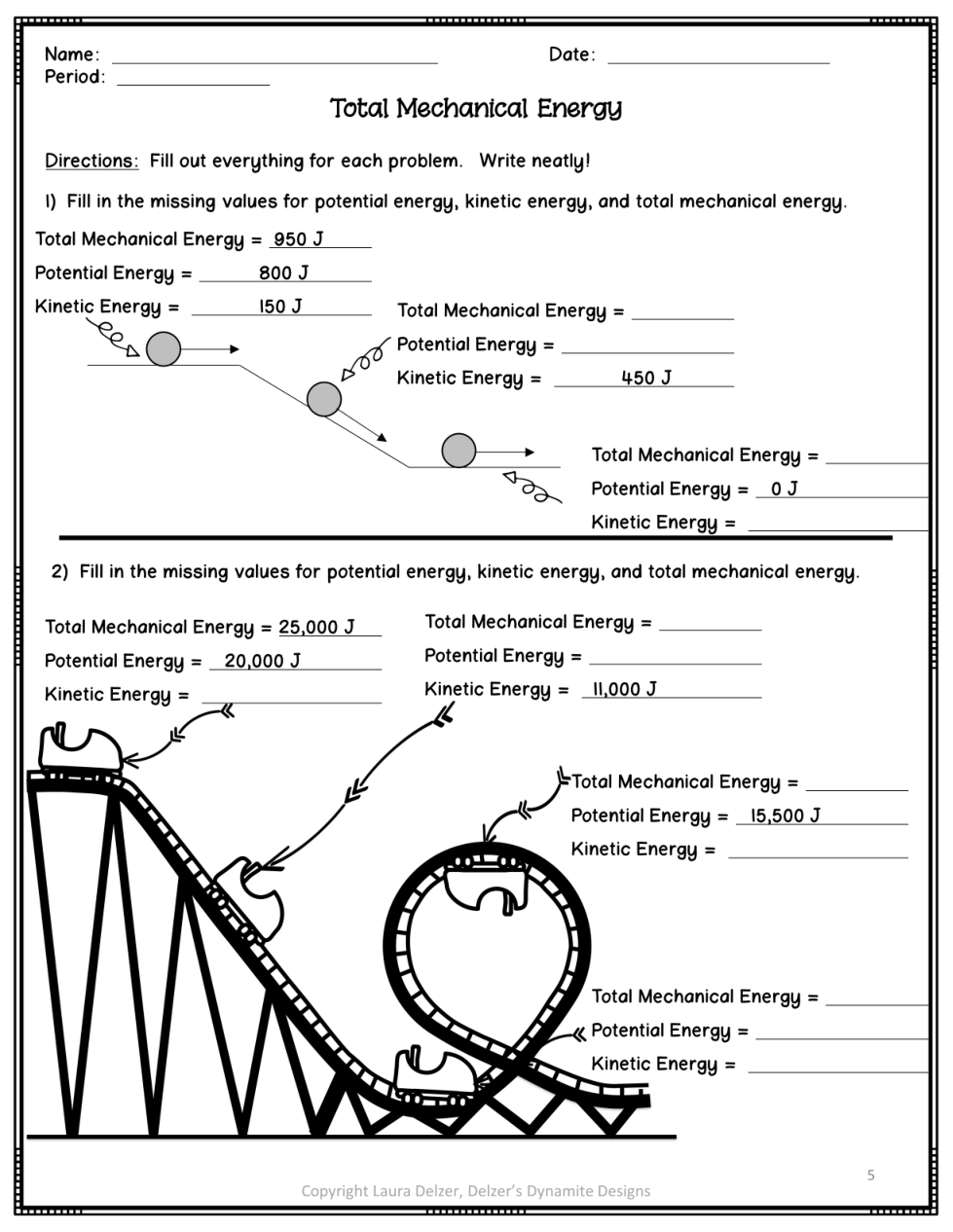
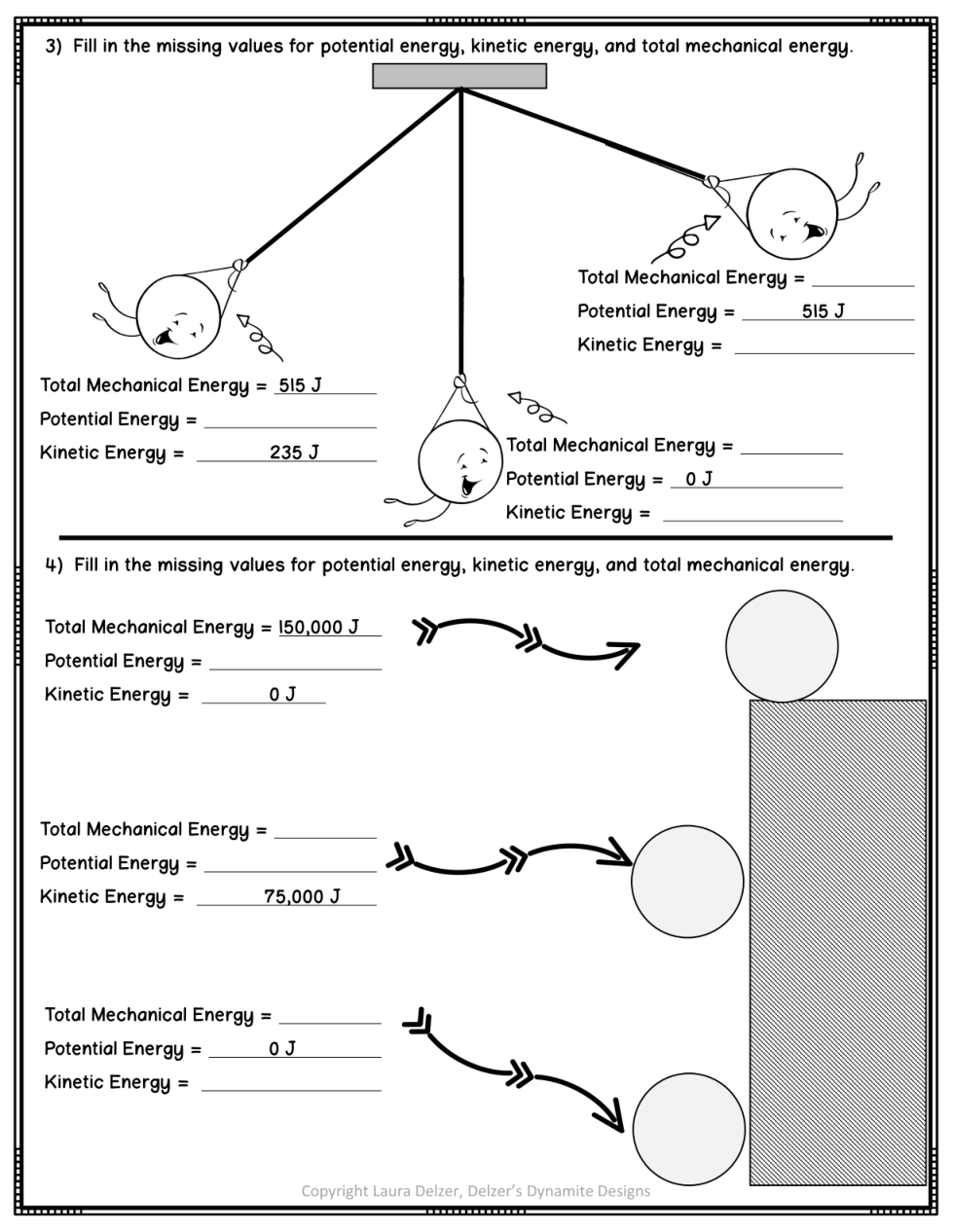
Mechanical Energy = Potential Energy + Kinetic Energy
A skier (75 kg) is going down a ski slope. At 5 meters from the bottom, they have a velocity of 50 m/s. What is the Kinetic Energy at this height?
A skier (75 kg) is going down a ski slope. At 5 meters from the bottom, they have a velocity of 50 m/s. What is the total mechanical energy?
A skier (75 kg) is going down a ski slope. At 5 meters from the bottom, they have a velocity of 50 m/s. What is the height of the ski slope?
A skier (75 kg) is going down a ski slope. At 5 meters from the bottom, they have a velocity of 50 m/s. What is the velocity at the bottom of the ski slope?
A 5 kg ball rolls down a ramp 2 m ramp. What is the velocity at the bottom of the ramp?
Move the choices into the correct categories on the right.
Particle motion speeds up
Particle motion slows down
Energy would move away from the object
Particles collide more
Lower pressure
Energy would move towards the object
Particles collide less
Higher Pressure
Higher Temperature Objects
Lower Temperature Objects
The flow of energy is described best as
When a hot frying pan is placed in a sink of cold water, what will happen to the molecule’s motion?
What does Kinetic Molecular Theory mean?
Particle A is half the mass of Particle B. If they are held at the same temperature, which will be moving with more velocity?
How are temperature and velocity related?
Which state of matter has the most KE?
Which state of matter has particles' with the highest velocity?

Heat transfers from the to the . The ice cream molecules move while the sidewalk's molecules move