Log in
Sign up for FREE
arrow_back
Library

Mitosis and Cancer 22-23

star
star
star
star
star
Last updated 25 days ago
6 questions
1
1
1
5
5
1
Question 1
1.

What happens to the DNA during Mitosis

Question 2
2.

Why is the S (synthesis) phase important to the cell cycle

Question 3
3.

Why do there need to be checkpoints in the cell cycle?

Question 4
4.

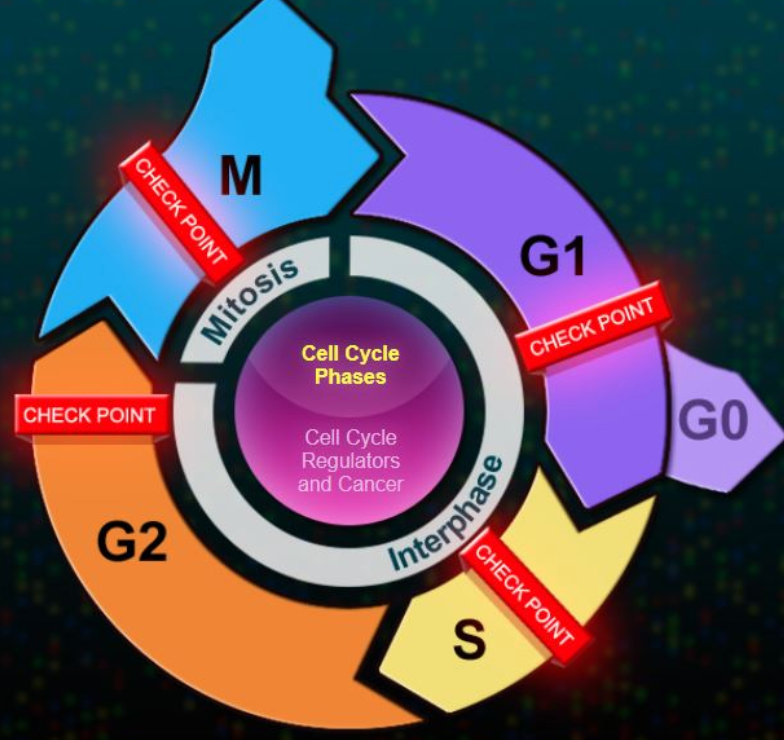
Choose a description from the column on the right that matches the stage of the cell cycle it represents:
Draggable itemarrow_right_altCorresponding Item
Mitosis (M) phase
arrow_right_alt
Cell division
S phase
arrow_right_alt
Cell increases in size and prepares its DNA to replicate
G0 phase
arrow_right_alt
Resting, non-dividing cell
G2 phase
arrow_right_alt
Replication of DNA
G1 phase
arrow_right_alt
Continued cell growth getting ready for division
Question 5
5.

Pick the correct answer for the question given:

Draggable itemarrow_right_altCorresponding Item
When a healthy cell stops dividing when close to another cell
arrow_right_alt
apoptosis
Cancer cells arise from
arrow_right_alt
cancer
A factor in the environment that can alter DNA sequence and cause cancer
arrow_right_alt
angiogenesis
The best initial type of cancer therapy for a tumor mass is usually
arrow_right_alt
mutations in DNA
This can result from uncontrolled cell growth
arrow_right_alt
surgery
The term for "programmed cell death"
arrow_right_alt
contact inhibition
The term where tumors attract blood vessels to itself to help supply nutrients and remove waste
arrow_right_alt
carcinogen
Question 6
6.

Match each item to the correct phase


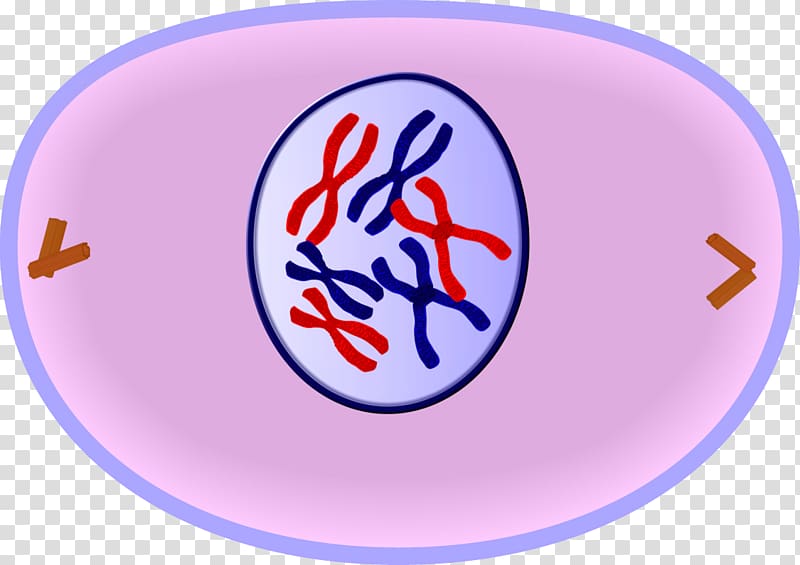
  • Chromosomes become visible and nucleus begins to dissolve.
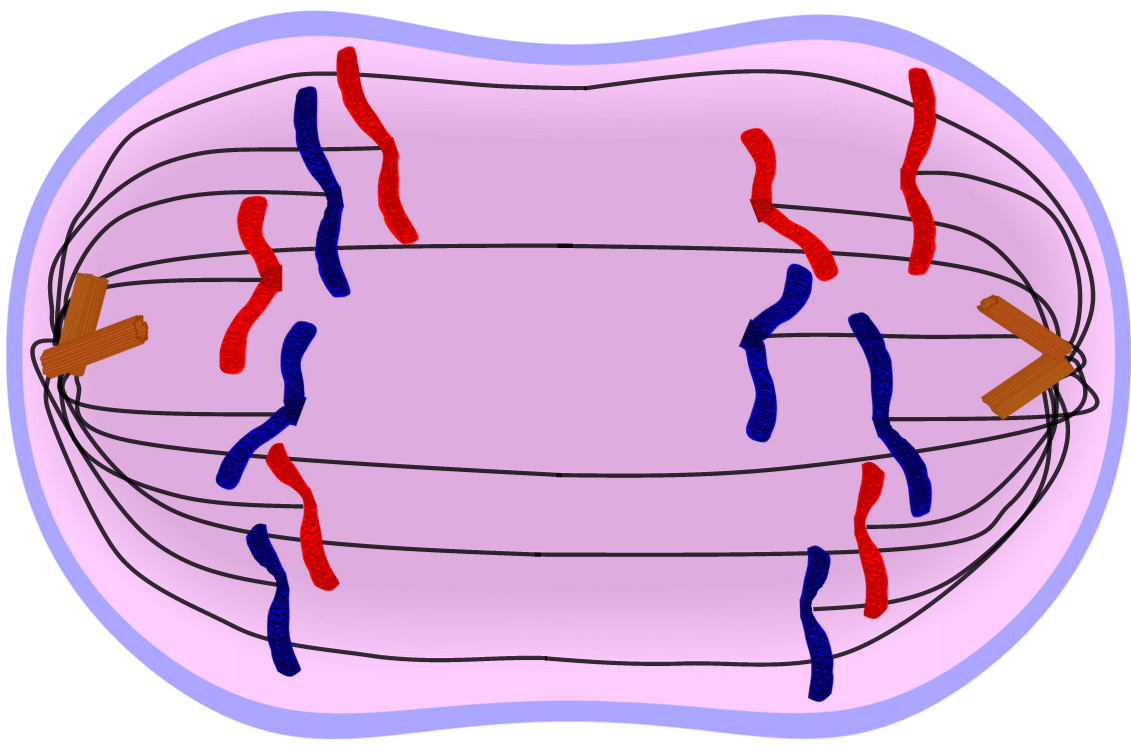
  • Chromosomes are split and moved to opposite sides of the cell.
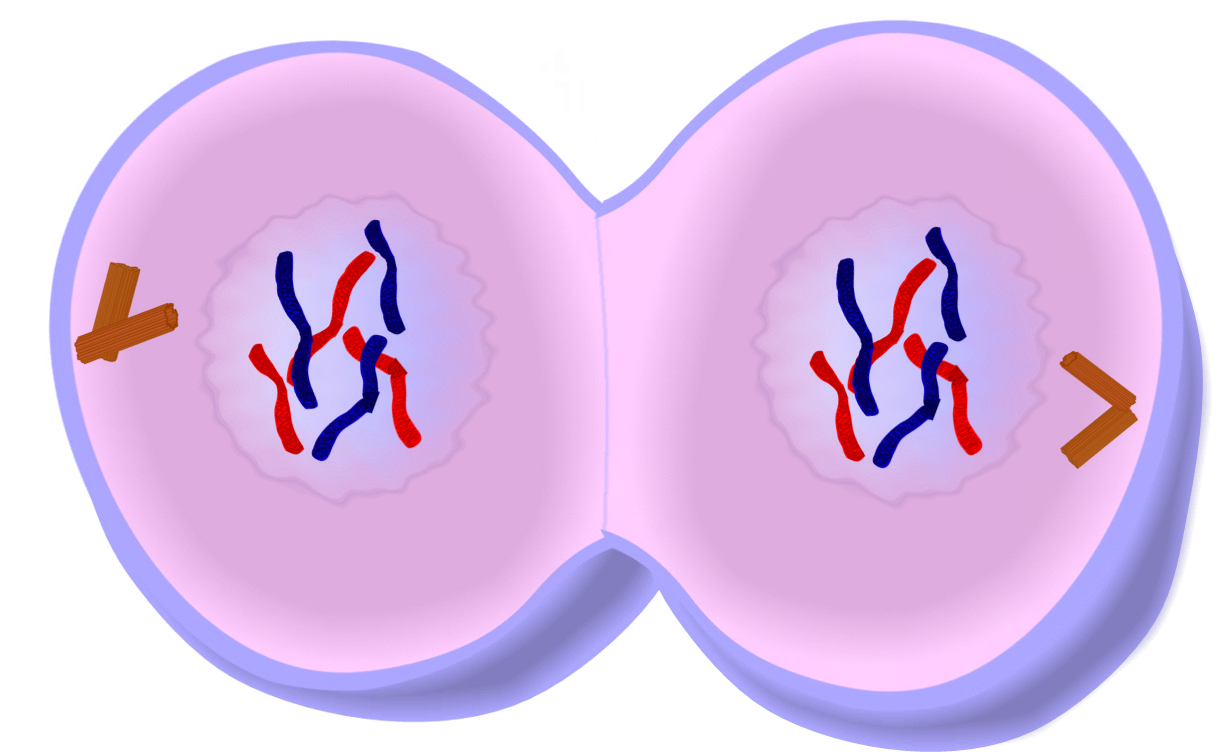
  • The cell begins to split, and two new nuclei begin to form.
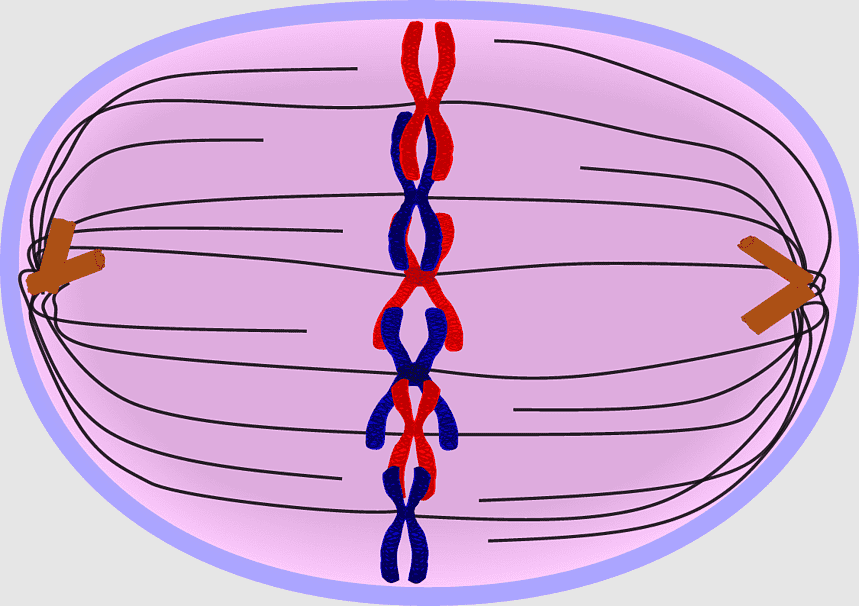
  • Chromosomes attach to spindle fibers and align along the center of the cell.
  • Prophase
  • Metaphase
  • Anaphase
  • Telophase