Human Nature in Lord of the Flies

Last updated almost 3 years ago
6 questions
Lord of the Flies Plot and Background
The book is a response to the idea that Englishmen are better than natives who live on the Coral Islands. In writing The Lord of the Flies, William Golding was influenced by Sigmund Freud's idea that people are evil by nature. More specifically, the book is based on the idea that people are bad by nature and that only social pressure from the outside world keeps them from acting on their bad impulses. Several other thinkers and philosophers before Freud also spread this idea, believing that this was the most natural way for people to be. Freud had a big impact on the author of Lord of the Flies. This is why the book starts out in a normal way but ends up being a dystopian treatise on human nature. At the start of the book, a group of young boys are stuck on an island with no adults around. At first, they try to copy the order and morality of the English society where they grew up, but as the boys' true natures come out, this turns into chaos and violence.
1

What is the main influence on the novel Lord of the Flies?

What is Human Nature in Lord of the Flies?
In Lord of the Flies, people are evil by nature, and when social pressure from the outside is taken away, this evil shows itself in society. Long before Freud, philosophers like John Locke and Thomas Hobbes thought that people were born with a natural tendency toward evil. Freud, on the other hand, wrote about these ideas in the tradition of psychoanalysis. Lord of the Flies is a thought experiment written as a story about what would happen if the most innocent people in a society were left to their own devices. At the time Golding wrote his book, most people thought that people gave in to evil, or rather their most natural desires, which were seen as selfish and lustful.
1

What is the main belief about human nature in Lord of the Flies?

Savagery
The most important symbol of how wild people are by nature is the character Jack. In the end, he uses Sam and Eric, who are the most trusting of the boys, to help him become the leader. He does this by showing how well he can hunt. Because he is good at hunting, he can get the other boys to agree with his ideas about how to stay alive. As the bad guy, he makes people think that any attempts to make them more civilized are bad for their health and survival. Even though it's easy to compare his hostility to primitive, pre-modern societies that attributed natural events to the supernatural, some of which were also very hierarchical, cruel, and violent, it's more likely that Golding was talking about societies like Hitler's Germany or Stalin's Russia. In all of these societies, there were political extremists in charge who used propaganda, people's fear or suffering, or both, to get and stay in power. To stay in power, these leaders can do terrible things to people and justify it by saying it's for the good of society as a whole. Golding thought that everyone, even those who seem good and innocent, had a dark side. When they are talking about the beast, quiet Simon, who probably represents what is good in people, suggests that maybe the beast doesn't exist and is just something they made up. He responds to everyone's fears by saying, "What if there isn't a beast? Maybe it's just us." In this sentence, he also says, unintentionally, that they are the beast. This is how Golding sees the bad side of people. They keep a signal fire going every day because they want adults to help them and get them off the island. In the end, after Piggy is killed, this is no longer an important job for the crew. This shows that they have given up on any natural goodness they may have had and want to stay as they are, separate from the society from which they came.
1
Democracy
Ralph is the main character, and when the boys get stuck on an island, they choose him to be their leader. Ralph is by far the most civilizing force. Not only does he push for a democracy, but he also wants to get off the island and back into society. Ralph has a strong belief in democracy and rationality, which is different from Jack, whose goal is to be separate from society and its morals and values. These are the main ideas that modern, free societies are built on. Ralph thinks that science is the best way to find out about the world and that fair societies are built on democracies where people have free will. So, he makes Piggy, the most knowledgeable and polite member of the crew, his second-in-command. Piggy makes a sundial so they can tell what time it is.
1

What does Ralph believe in as the leader of the group on the island in Lord of the Flies?

Logic
Piggy stands for logic and rational thought. Even though he knows the most about the world from a scientific point of view, the boys grow to dislike him and his insistence on logic and reason. People think he is whiny and that his warnings are annoying. He tells them not to scramble up the mountain, which would make it hard for the younger kids to keep up and put them in danger. When one of them dies, it shows that he was right. He also warns them not to start wildfires, which, once again, could hurt the weakest of them. Again, he is proven right when the boys shamefully admit that they have lost one of the younger ones. When they start to believe in myths about a "beast," Piggy leads the way by saying there is no such thing as a mythical beast, but there is a logical explanation for what they think is a beast. He says that what is real is their fear, and that fear can make people act irrationally, which Jack and Roger also show in the end. He also stands for intelligence and freedom of thought in the face of "mob mentality" or "hegemonic thinking." He has ideas that are different from what most people think. They turn against him because he stands in their way of getting what they want, which is instant gratification, and they don't care about their long-term survival. They also see him as a physical hindrance. They feel bad that they were so careless with the "little ones," and this shame turns into anger at being held back by the weaker ones, like Piggy, who can't see without his glasses. Roger, the most cruel of the boys, killed him. This shows that brutality won out over reason and intelligence.
1

What does Piggy represent in Lord of the Flies?

1

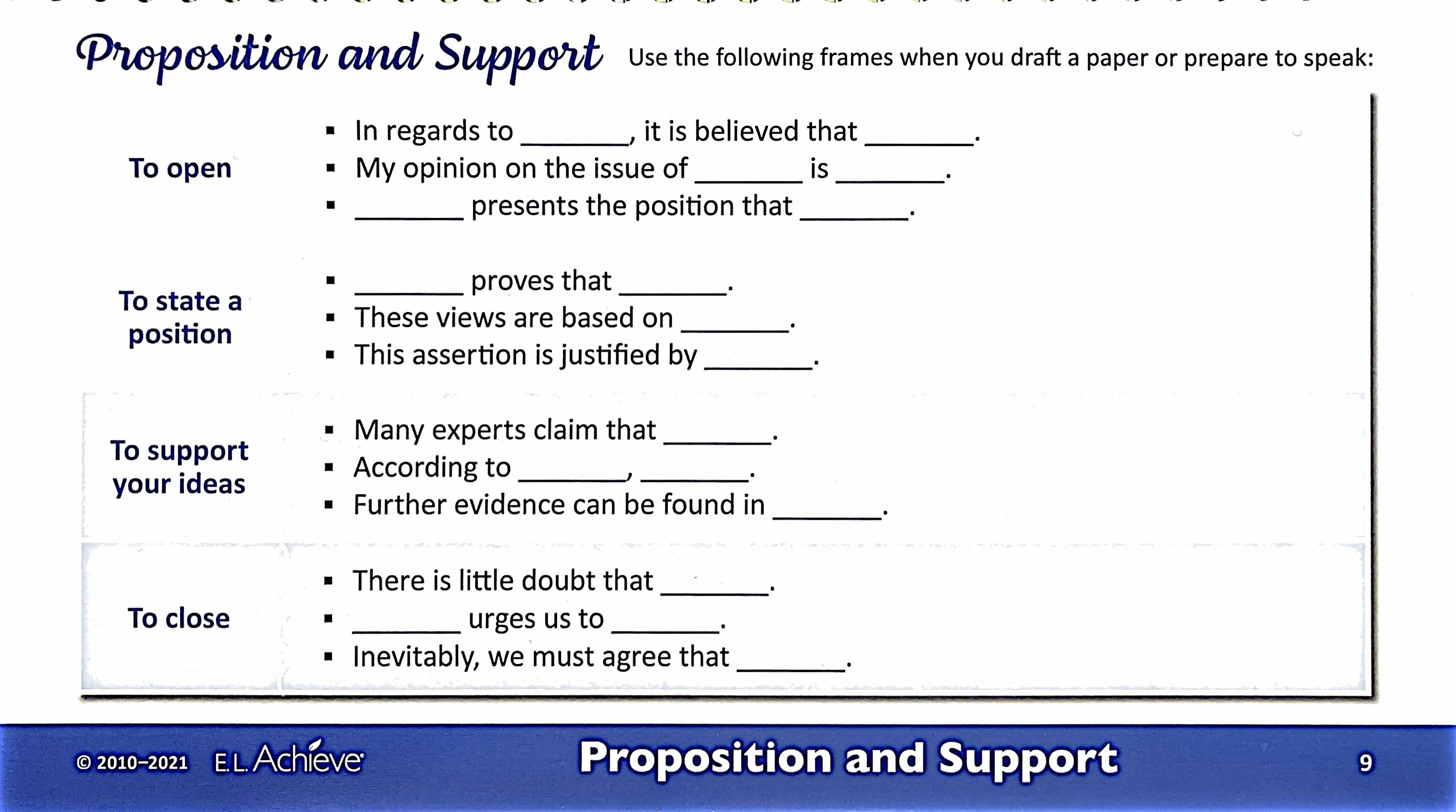
Given what you just read, what do you think the main theme of Lord of the Flies is? You can use the language function tool to help you, if you wish.