Lord of the Flies Character Analysis

Last updated almost 3 years ago
9 questions
Ralph's Personality in Lord of the Flies
Ralph is community-minded and generally selfless. He calls the boys together with the conch, he holds an election for leadership, and he works to organize the boys to meet their immediate needs as well as their long-term goal, escaping the island (Li and Wu).
Unflinching morality is another of Ralph's traits. This is exemplified after Simon is killed. He believes that what happened to Simon was murder. While the other boys, even Piggy, try to rationalize their behavior, Ralph remains convinced that they murdered Simon. He understands that the fear and division arose from the group, that they conjured their own beast, and it is because of their superstition and tribalism that Simon was killed. Ralph could easily adopt the rationalization that the other boys engage in, but instead, he faces the terrible truth of their actions.
Symbolically, Ralph stands in for the ideals of democracy and cooperation. Readers are encouraged to identify with Ralph and agree with his outlook, but there is a symbolic failing that Ralph represents as well. He can be seen as an allegory for contemporary politicians of the novel's writing, such as Neville Chamberlain, former British Prime Minister. Chamberlain famously adopted a policy of appeasement in response to Nazi Germany's aggression. Just as Chamberlain tried to placate Hitler, a strategy that failed, so does Ralph try to appease Jack and his followers to terrible results. Instead of mounting swift opposition to Jack, Ralph tries to appease him and his hunters, opening the door to the collapse of their fledgling democracy (Li and Wu).
1

What is one of Ralph's main personality traits in Lord of the Flies?

Ralph's Personality in Lord of the Flies
Ralph is community-minded and generally selfless. He calls the boys together with the conch, he holds an election for leadership, and he works to organize the boys to meet their immediate needs as well as their long-term goal, escaping the island (Li and Wu).
Unflinching morality is another of Ralph's traits. This is exemplified after Simon is killed. He believes that what happened to Simon was murder. While the other boys, even Piggy, try to rationalize their behavior, Ralph remains convinced that they murdered Simon. He understands that the fear and division arose from the group, that they conjured their own beast, and it is because of their superstition and tribalism that Simon was killed. Ralph could easily adopt the rationalization that the other boys engage in, but instead, he faces the terrible truth of their actions.
Symbolically, Ralph stands in for the ideals of democracy and cooperation. Readers are encouraged to identify with Ralph and agree with his outlook, but there is a symbolic failing that Ralph represents as well. He can be seen as an allegory for contemporary politicians of the novel's writing, such as Neville Chamberlain, former British Prime Minister. Chamberlain famously adopted a policy of appeasement in response to Nazi Germany's aggression. Just as Chamberlain tried to placate Hitler, a strategy that failed, so does Ralph try to appease Jack and his followers to terrible results. Instead of mounting swift opposition to Jack, Ralph tries to appease him and his hunters, opening the door to the collapse of their fledgling democracy (Li and Wu).
1

How does Ralph respond after Simon is killed in Lord of the Flies?

Ralph's Personality in Lord of the Flies
Ralph is community-minded and generally selfless. He calls the boys together with the conch, he holds an election for leadership, and he works to organize the boys to meet their immediate needs as well as their long-term goal, escaping the island (Li and Wu).
Unflinching morality is another of Ralph's traits. This is exemplified after Simon is killed. He believes that what happened to Simon was murder. While the other boys, even Piggy, try to rationalize their behavior, Ralph remains convinced that they murdered Simon. He understands that the fear and division arose from the group, that they conjured their own beast, and it is because of their superstition and tribalism that Simon was killed. Ralph could easily adopt the rationalization that the other boys engage in, but instead, he faces the terrible truth of their actions.
Symbolically, Ralph stands in for the ideals of democracy and cooperation. Readers are encouraged to identify with Ralph and agree with his outlook, but there is a symbolic failing that Ralph represents as well. He can be seen as an allegory for contemporary politicians of the novel's writing, such as Neville Chamberlain, former British Prime Minister. Chamberlain famously adopted a policy of appeasement in response to Nazi Germany's aggression. Just as Chamberlain tried to placate Hitler, a strategy that failed, so does Ralph try to appease Jack and his followers to terrible results. Instead of mounting swift opposition to Jack, Ralph tries to appease him and his hunters, opening the door to the collapse of their fledgling democracy (Li and Wu).
1

What can Ralph be seen as symbolically representing in Lord of the Flies?

Character Analysis of Jack
Power
From the beginning, Jack craves power. He runs against Ralph in a short vote for chief, and he argues that he should be chief because he is the chorister. After he loses, Jack consistently fights Ralph for power. He tries to overthrow Ralph, but, again, does not have the support of enough of the children. However, after he announces that he made a kill and will feed anyone who comes to his feast, most all of the boys swap sides.
Jack uses his power to instill fear and manipulate the other boys. He wants to fulfill his own craving for power, and he does not care about doing what's best for the boys. He uses them to steal, torture, and kill.
Savage
Once Jack starts hunting, he starts to become more savage, a trait which intensifies over the course of Lord of the Flies. For a time, he is savage only towards the pigs, but he completely loses his civilized behavior once he attacks Piggy, hitting him and knocking him down. His transition to complete savageness is completed when he shows no remorse for Piggy's death.
Insecurity
Like many bullies, Jack is full of insecurities. He becomes defensive when he is criticized, and he has a strong need to be the loudest, strongest, and best. He thinks he should act as chief, and he is offended and upset when the boys do not agree.
Jack hates feeling inferior, especially to someone like Ralph, who is handsome and charismatic. To hide from himself and what he is becoming, Jack begins to wear a mask of clay and charcoal. The mask helps him feel less insecure, and it is a mark of his new uncivilized life.
Symbolism
In Lord of the Flies Jack symbolizes anarchy and dictatorship. At first, he is a symbol of anarchy. He pushes back against Ralph, and he encourages the boys to ignore Ralph's orders, such as when he pulls all the choir boys to hunt and lets the fire go out.
When he separates and forms his own tribe, Jack becomes a symbol of dictatorship. He leads the boys to believe that things will be fun and they will have freedom under him, but he is misleading them. He is far more controlling and far less efficient than Ralph.
Jack serves as a direct contrast to the characteristics and symbolism of Ralph, the protagonist, who symbolizes civility and leadership.
1

What is Jack's primary motivation in "Lord of the Flies"?

Character Analysis of Jack
Power
From the beginning, Jack craves power. He runs against Ralph in a short vote for chief, and he argues that he should be chief because he is the chorister. After he loses, Jack consistently fights Ralph for power. He tries to overthrow Ralph, but, again, does not have the support of enough of the children. However, after he announces that he made a kill and will feed anyone who comes to his feast, most all of the boys swap sides.
Jack uses his power to instill fear and manipulate the other boys. He wants to fulfill his own craving for power, and he does not care about doing what's best for the boys. He uses them to steal, torture, and kill.
Savage
Once Jack starts hunting, he starts to become more savage, a trait which intensifies over the course of Lord of the Flies. For a time, he is savage only towards the pigs, but he completely loses his civilized behavior once he attacks Piggy, hitting him and knocking him down. His transition to complete savageness is completed when he shows no remorse for Piggy's death.
Insecurity
Like many bullies, Jack is full of insecurities. He becomes defensive when he is criticized, and he has a strong need to be the loudest, strongest, and best. He thinks he should act as chief, and he is offended and upset when the boys do not agree.
Jack hates feeling inferior, especially to someone like Ralph, who is handsome and charismatic. To hide from himself and what he is becoming, Jack begins to wear a mask of clay and charcoal. The mask helps him feel less insecure, and it is a mark of his new uncivilized life.
Symbolism
In Lord of the Flies Jack symbolizes anarchy and dictatorship. At first, he is a symbol of anarchy. He pushes back against Ralph, and he encourages the boys to ignore Ralph's orders, such as when he pulls all the choir boys to hunt and lets the fire go out.
When he separates and forms his own tribe, Jack becomes a symbol of dictatorship. He leads the boys to believe that things will be fun and they will have freedom under him, but he is misleading them. He is far more controlling and far less efficient than Ralph.
Jack serves as a direct contrast to the characteristics and symbolism of Ralph, the protagonist, who symbolizes civility and leadership.
1

How does Jack attempt to reign over the boys?

Character Analysis of Jack
Power
From the beginning, Jack craves power. He runs against Ralph in a short vote for chief, and he argues that he should be chief because he is the chorister. After he loses, Jack consistently fights Ralph for power. He tries to overthrow Ralph, but, again, does not have the support of enough of the children. However, after he announces that he made a kill and will feed anyone who comes to his feast, most all of the boys swap sides.
Jack uses his power to instill fear and manipulate the other boys. He wants to fulfill his own craving for power, and he does not care about doing what's best for the boys. He uses them to steal, torture, and kill.
Savage
Once Jack starts hunting, he starts to become more savage, a trait which intensifies over the course of Lord of the Flies. For a time, he is savage only towards the pigs, but he completely loses his civilized behavior once he attacks Piggy, hitting him and knocking him down. His transition to complete savageness is completed when he shows no remorse for Piggy's death.
Insecurity
Like many bullies, Jack is full of insecurities. He becomes defensive when he is criticized, and he has a strong need to be the loudest, strongest, and best. He thinks he should act as chief, and he is offended and upset when the boys do not agree.
Jack hates feeling inferior, especially to someone like Ralph, who is handsome and charismatic. To hide from himself and what he is becoming, Jack begins to wear a mask of clay and charcoal. The mask helps him feel less insecure, and it is a mark of his new uncivilized life.
Symbolism
In Lord of the Flies Jack symbolizes anarchy and dictatorship. At first, he is a symbol of anarchy. He pushes back against Ralph, and he encourages the boys to ignore Ralph's orders, such as when he pulls all the choir boys to hunt and lets the fire go out.
When he separates and forms his own tribe, Jack becomes a symbol of dictatorship. He leads the boys to believe that things will be fun and they will have freedom under him, but he is misleading them. He is far more controlling and far less efficient than Ralph.
Jack serves as a direct contrast to the characteristics and symbolism of Ralph, the protagonist, who symbolizes civility and leadership.
1

What is the symbolism of Jack in "Lord of the Flies"?

Simon
Simon is the wisest of the boys stranded on the island in Lord of the Flies, and he is strange and mysterious.
Simon is one of the choir boys, who are directed by Jack. As the choir joins the other boys after Ralph blows the conch, Simon collapses. The boys in the choir are used to Simon fainting.
At that first assembly, Ralph, the newly elected chief, and Jack decide to explore the area to see if they are on an island. Simon volunteers his help, which reveals his helpful nature.

At an assembly, plans are made for everyone to work together to build shelters. However, Simon is the only boy who consistently works with Ralph to build the shelters. While Ralph is discussing that matter with Jack, Simon sneaks off into the woods.

As he enters the jungle, Simon helps the littlest of the boys by handing down the ripe fruit they could not reach themselves. He then wanders deeper into the woods, through a dense patch of creepers, or vines, and into his secret forest glade—a clearing in the jungle—where he relaxed and meditated.
The boys fear of the "beastie", a snake-like monster one of the boys had claimed to see, began to grow. A small boy named Phil woke up one night and saw something moving around in the dark. Ralph asked if any of the boys were outside that night, and Simon admitted he was. He had gone back to his secret place in the forest.

During that same meeting, Simon, who originally agreed with Ralph that there was no monster, brought up the idea that there might be a beast, but that it was the boys.

After Jack leaves to start his own tribe, Simon suggests to Ralph that they should climb the mountain to look for the beastie. However, the others did not agree.

Yet again, Simon snuck off to his hidden spot. While there, he saw Jack and his band of boys kill a sow and mount her head on a stick as an offering to the beast. Flies swarmed the head, and, in Simon's mind, it became the "Lord of the Flies".

Simon hallucinates that the "Lord of the Flies" is speaking to him, calling him "an ignorant, silly little boy." The head told him that it was part of him and that there was no escape, and Simon had another fainting episode.

A blood vessel bursts in his nose, the epileptic fit ends, and he sleeps for a time. When he wakes up, he continues his journey up the mountain. He makes it up the mountain and finds the dead body that was nodding because the parachute that was still attached was catching in the wind. The other boys needed to know the truth about the beast, so Simon goes back down the mountain to tell them.
Meanwhile, the boys are all at Jack's, and they are feasting and dancing around the fire. Something comes out of the jungle, and the boys work into a frenzy thinking it is the beast. They stab the creature and push it off a cliff into the rocks. The beast was Simon, who had come to tell the others of his discovery.

Symbolism of Simon in Lord of the Flies
In Lord of the Flies Simon's character symbolizes goodness, and he is often compared to the Biblical figure Christ. His character acts as an allegory, which is a deeper or hidden meaning. In his case, Simon is an allegory of saintliness and human goodness.
Simon does not bully nor give into savagery or violence, which all of the other boys do. He is kind, such as in his tenderness towards the littluns, and he often volunteers and sacrifices his time and energy for the good of everyone. Simon is also exceedingly wise. He is the only one to realize that the beast the boys are scared of is not a creature that lives in the forest.

There is also a mystical aspect to Simon's character. He seeks seclusion so he can meditate on his own thoughts. Twice in the novel, Simon has epileptic fits, and in the second, he hallucinates the "Lord of the Flies" is talking to him.
1

What does Simon symbolize in Lord of The the Flies?

What Does Piggy Represent in Lord of the Flies?
Piggy represents the logic and order of the adult world and civilization.

Piggy, for example, wants to maintain a list of all the boys on the island so that absent or missing boys can be identified. He thinks of a method to construct a sundial, an indication of his concern with time and order. In addition, Piggy is the one who realizes that a signal fire is needed on top of the mountain if the boys are to have any hope of rescue. He is also concerned with the necessity of ensuring that the fire stays lit at all times. It is ironic, or unexpected, that the rescuers who arrive at the end of the novel are attracted by the raging, destructive fire of the savage boys rather than Piggy's well-tended fire.

Piggy, for example, wants to maintain a list of all the boys on the island so that absent or missing boys can be identified. He thinks of a method to construct a sundial, an indication of his concern with time and order. In addition, Piggy is the one who realizes that a signal fire is needed on top of the mountain if the boys are to have any hope of rescue. He is also concerned with the necessity of ensuring that the fire stays lit at all times. It is ironic, or unexpected, that the rescuers who arrive at the end of the novel are attracted by the raging, destructive fire of the savage boys rather than Piggy's well-tended fire.

When Roger impulsively pushes a boulder down on Piggy, Piggy dies and the conch is demolished at the same time. The simultaneous occurrence of these two events signify that all order and structure have now been obliterated from the island. Chaos and savagery will reign until the adult rescuers arrive to remove the boys from the island
1

What does Piggy represent in Lord of the Flies?

1

Which character in Lord of the Flies is most significant to the theme of the novel?

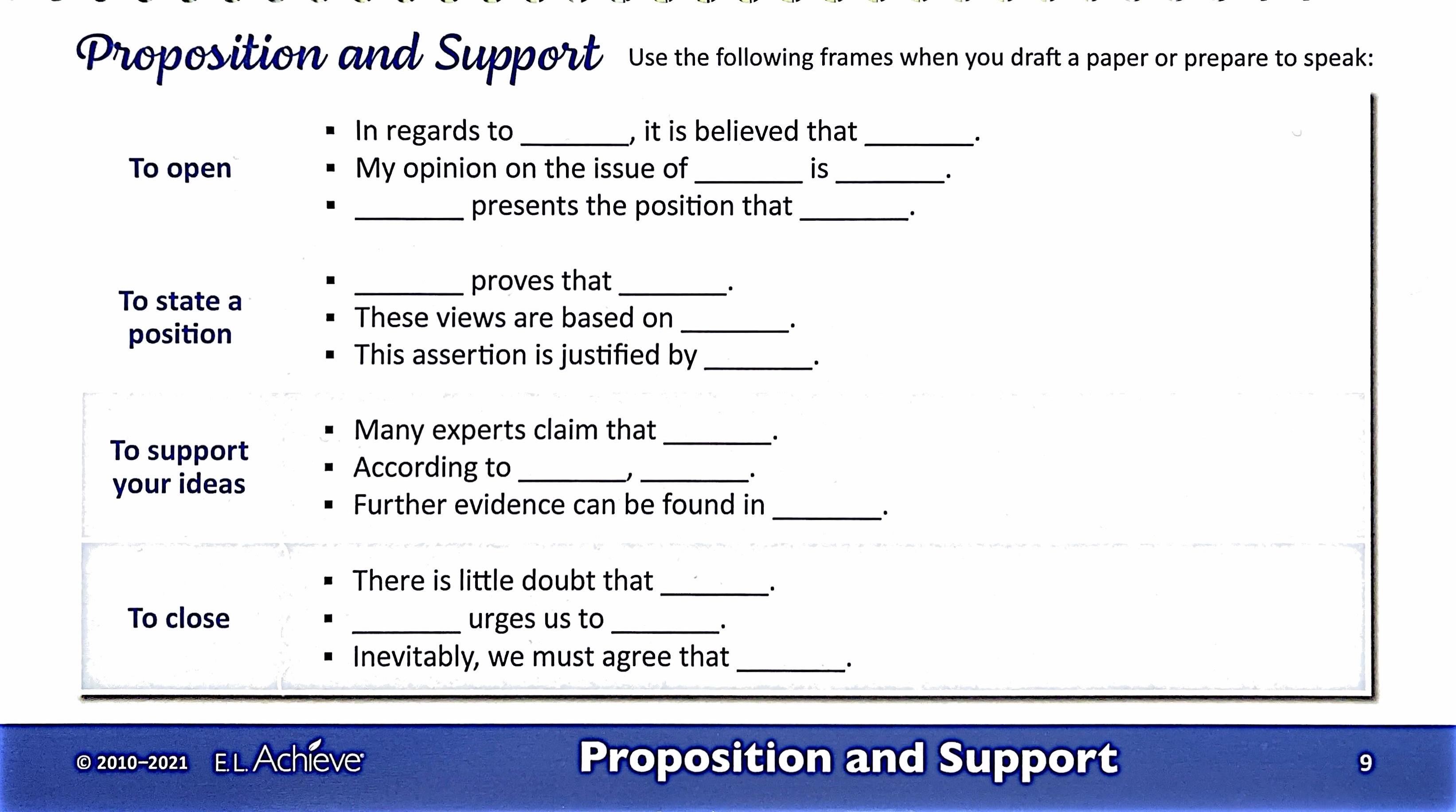
You can use SOME, NONE, or ALL of the Language Function Tools in your response,