Themes in Lord of the Flies

Last updated almost 3 years ago
6 questions
Lord of the Flies Themes
In literature, themes help the reader understand the story's underlying message. The rich plotline in William Golding's classic novel, Lord of the Flies, has many pervasive themes. Inspired by his participation in World War II, Golding wrote this novel to demonstrate his feelings of the true nature of humans. The story begins with a boy called Piggy emerging from a plane crash on an island in the midst of war. He meets another boy, Ralph, who is older and more headstrong than him. Ralph finds a conch shell and blows it, which summons many other boys who survived the crash. The boys quickly realize they are alone without adult supervision on the island and vote on a chief to lead them. Ralph is voted chief over another boy named Jack, a leader of a choir of boys. Jack and his choir are designated as the hunters, leading to Jack becoming obsessed with killing a pig.

During an assembly, one of the littluns, a term used for the younger boys, gets the conch and asks what they will do about the beastie, a snake-like creature he saw in the woods. Ralph brushes it off by saying it doesn't exist, but Jack says he and the choir will look out for it on their hunts. Ralph tries to maintain order, while Jack continues to find ways to kill a pig. These goals are at odds when Jack hunts instead of maintaining their signal fire, causing a passing ship not to know they are on the island.

A parachuter lands dead on the island, which Sam and Eric find and believe is the beastie. Ralph and some of the older boys go looking for it but don't find it. After hunting as a group, chanting and dancing, Ralph, Jack, and Simon finally come across the parachutist and run in fear. Jack wants everyone to vote out Ralph as chief, but they don't, so he invites the boys to join him in a new group focused on hunting. Jack and Roger put a dead pig's head on a stake and steal fire from the group that remained with Ralph.

Simon goes out by himself and sees the pig head, then hallucinates that it talks to him, telling him it is the lord of the flies before he passes out. Simon wakes up and then goes and finds the parachutist, only to discover it is not a beastie at all.

At a feast Jack has, he lets Ralph and Piggy eat with them and makes everyone do his hunting dance while yelling a cryptic chant. When Simon tells the boys that there is no beastie, the boys all kill him. The next day, Piggy, Ralph, Sam, and Eric try to distance themselves from the horrible act that everyone participated in.

With most of the boys joining him, Jack continues with their more savage tribe causing violence to erupt between them and the more civilized group led by Ralph. Piggy brings the conch and tries to reason with the fighting boys during a confrontation, but Roger drops a large rock killing him and breaking the conch. Ralph gets away, and Jack's tribe decides to light a huge fire to smoke him out of hiding. As the whole island becomes engulfed in flames, Ralph runs out to the beach to find a Navy officer who has come to see what all the smoke was about. The boys all start to cry.

The themes of this novel include civilization, rules, and order; innocence lost; mob mentality; knowledge; and nature.
1

What is one theme found in Lord of the Flies?

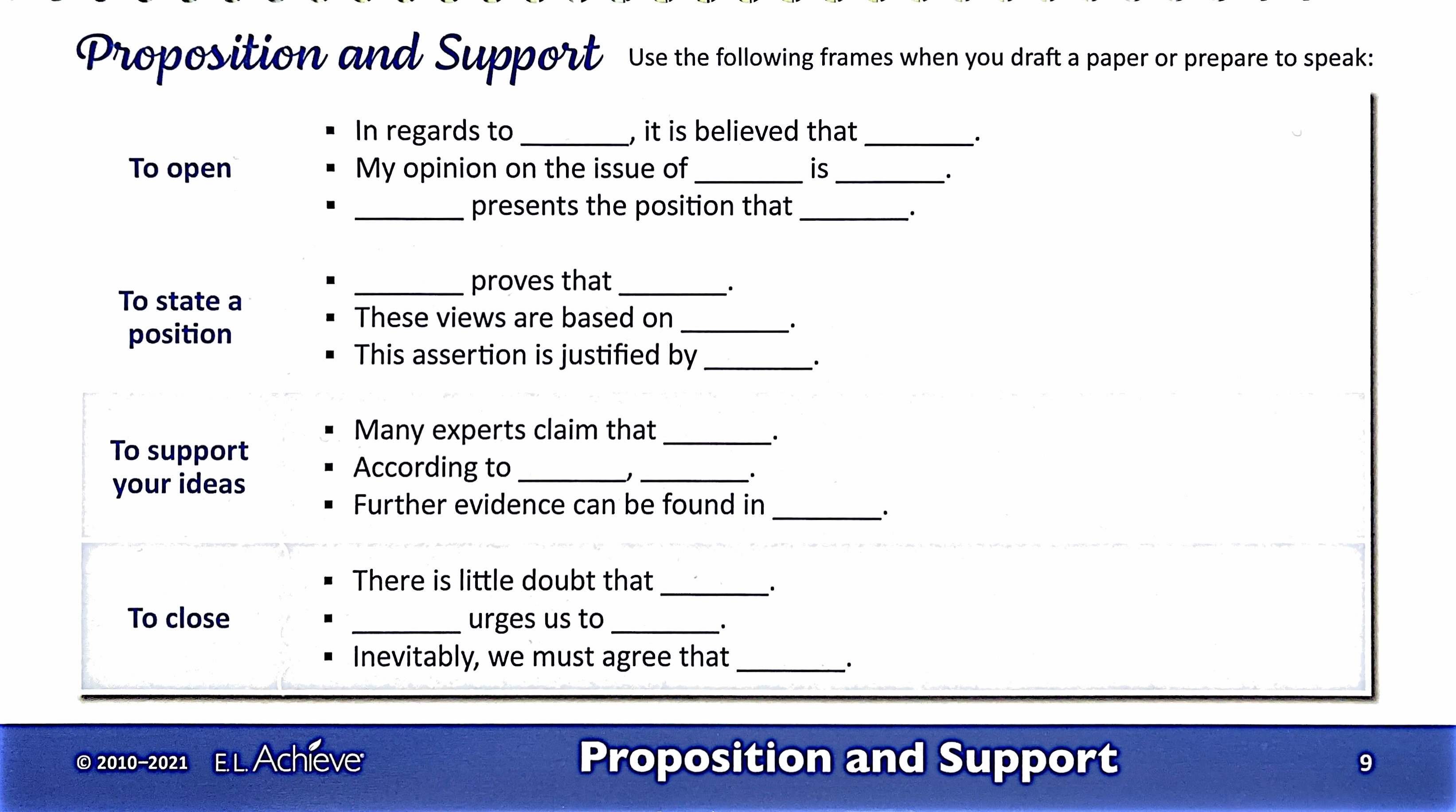
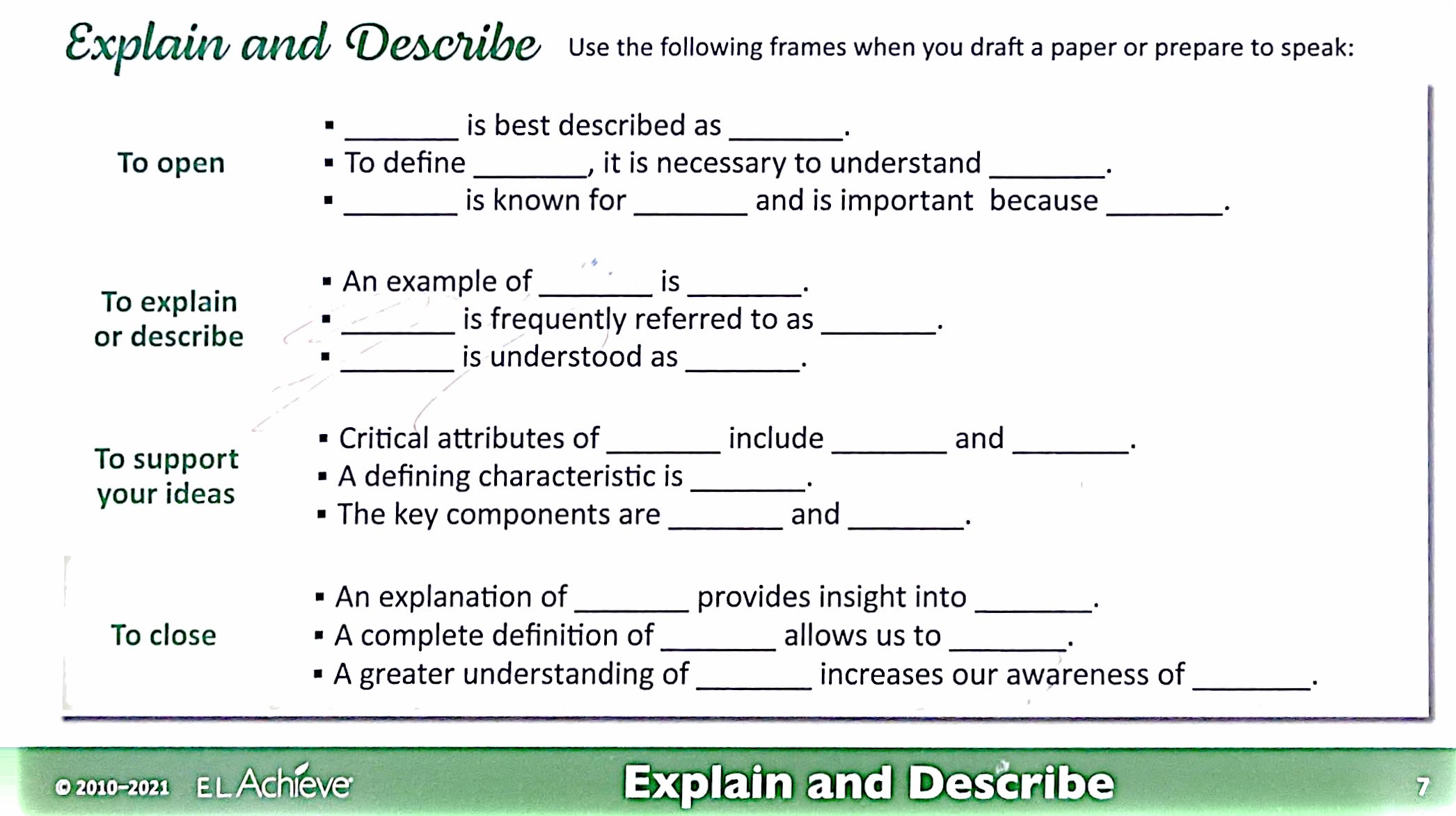
You can use SOME, NONE, or ALL of the Language Function tools to help you with your response.

Civilization, Rules, and Order
Lord of the Flies can be seen as an allegory, a cautionary tale, about human nature. The boys are removed from civilization and forced to decide how to live with no society to enforce their behavior. Once the boys realize they are stranded, they immediately establish their own rules to maintain order in their group. Upon the degradation of the society they had built, there was still a clear call for order as the novel suggested: "'There's too much talking out of turn,' Ralph said, 'because we can't have proper assemblies if you don't stick to the rules.'"

The conch symbolizes civilization, rules, and order as it is used to govern who can speak at the group meetings, an act adopted to maintain a sense of order among the boys. Ralph represents civilization and order as he approaches their situation by establishing rules and guiding the boys to build shelters and a fire. Ralph recognizes the difference between the society they left and the one they were creating on the island after the neglected fire caused a passing ship not to see them as he acknowledged, "The world, that understandable and lawful world, was slipping away."

Even though Jack, who embodies the converse of savagery, articulates his agreement with Ralph when he takes the conch and says, "We've got to have rules and obey them. After all, we're not savages. We're English, and the English are best at everything." This theme is important to the story as it is the starting place for this allegory to highlight the breakdown of rules and order as the boys become more primal and spiral into savagery.
1

What type of tale is Lord of the Flies?

Innocence Lost
Lord of the Flies develops the theme of innocence lost as the boys, all younger than thirteen, are forced to govern themselves. One of the small boys telling the group about a beastie demonstrates the innocence in the group. He fears this creature that proves to not exist instead of focusing on their dire situation of being stranded. This theme culminates in the killings at the end of the book. The boys have become so far removed from their innocence and savagely murdered Simon. Ralph, the beacon of civility for the group, even joined in, causing him to feel immense guilt. The novel's ending provides a reminder that these boys were once innocent children as they all cry upon their rescue, knowing what they had all become on the island. This is explicit in the final pages of the book when it says, "And in the middle of them, with filthy body, matted hair, and unwiped nose, Ralph wept for the end of innocence, the darkness of man's heart, and the fall through the air of the true, wise friend called Piggy."

Roger embodies this theme in the novel as, early on, his violent tendencies can be seen but are unconsciously restrained by his innocent feeling of obligation to a society that was no longer. He threw rocks at a littlun, missing him intentionally, and by the end of the novel, he used a large rock to murder Piggy. He had lost that innocence that kept him from harming the young boy at the beginning of the novel. Innocence lost is a vital theme to the plot as the boys dissolve from a group of civilized schoolboys into a mob of violent, blood-thirsty killers.
1

Who is the beacon of civility for the group

Mob Mentality
Mob mentality emerges as a theme from the onset of the book. As the uniformed choir arrives to the assembly called by the conch, the novel shares the first glimpse of the boys moving as a group, regardless of the situation. Jack's character develops this theme as he is the leader of this group that loyally follows him through his obsessive pursuit of killing a pig. He is able to convince the majority of the boys to leave the tribe that Ralph was the leader of, with a show of bravado and his violent chants. Jack would lead his hunts by riling up the hunters by making them chant in unison, "Kill the pig. Cut her throat. Spill her blood." This mob mentality led to the unraveling of the civility of the group as they all followed Jack, Simon, and Ralph's hysteria when they thought they had found the beastie. When Simon discovers that there is no beastie, he is murdered as the group continues to follow the mob mentality set about by Jack. Piggy's murder furthered this theme as the boys banded together again to try and murder Ralph for no other reason than to follow Jack's whims. This theme is important to the plot as a whole as it explains the heinous acts of these young boys as human nature took control, and they clung to their leader Jack.
1

What chant rilled up the hunters?

Knowledge
The theme of knowledge is prevalent in this novel and is introduced quickly with Piggy's recognition of the conch's power as a signal device. He explains to Ralph how to blow it, an act which was vital to bring all the boys together. Piggy continues to be a symbol for knowledge as he often tries to logically approach issues that arise for the boys, often to be shot down and ignored as the boys gravitate more towards primitive violence as opposed to knowledge and civilization. Ralph recognized Piggy's intelligence and acknowledged, "Piggy could think. He could go step by step inside that fat head of his, only Piggy was no chief. But Piggy, for all his ludicrous body, had brains."
Piggy's glasses symbolize knowledge as they are the instrument used to bring the fire. Once cracked by Jack's beating, they symbolize the boys' further distancing themselves from knowledge and rationality. They are stolen at the end of the book by Jack's tribe, and Piggy is killed in his final attempt to reason with the tribe. In addition to the symbolism of the glasses, the role of knowledge was also evident when Simon discovered the parachutist and realized the beastie that they feared did not exist. This was a vital piece of knowledge that could have brought order back to the tribe, and it was quickly squashed as the boys collectively murdered him. Knowledge is an important theme in this novel as knowledge proved to be ignored in favor of the emotional uprising that ended up causing the death of two boys.
1

Who continues to be a symbol for knowledge?

The inherent evil in humans
The boys in the book try to make a civilized society on the island at first, but as time goes on, they become more and more wild and violent. This suggests that people have a darker side that can come out when they don't have to follow rules.
1

Do you agree with the following theme from the novel? Why?
You can use SOME, ALL, or NONE, of the Language Function Tools