Twa kɔ nsɛm atitiriw so
Log in
Sign up for FREE
arrow_back
Laabri

7th Grade Skeletal System

star
star
star
star
star
Last updated over 3 years ago
26 Nsɛmmisa
1
Asemmisa {{asɛmmisaAhyɛnsode}}
1.

The skeletal system is divided into two different parts, the and the .

1
Asemmisa {{asɛmmisaAhyɛnsode}}
2.

How are the axial and appendicular systems similar?

1
Asemmisa {{asɛmmisaAhyɛnsode}}
3.

How are the axial and appendicular systems different?
1
Asemmisa {{asɛmmisaAhyɛnsode}}
4.

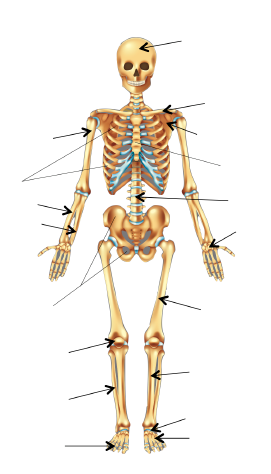
Label the parts of the skeleton

Mmuae Afoforo a Wobɛpaw:
Metatarsals
Femur
Skull
Fibula
Humerus
Vertebral column
Tibia
Clavicle
Pelvic girdle
1
Asemmisa {{asɛmmisaAhyɛnsode}}
5.

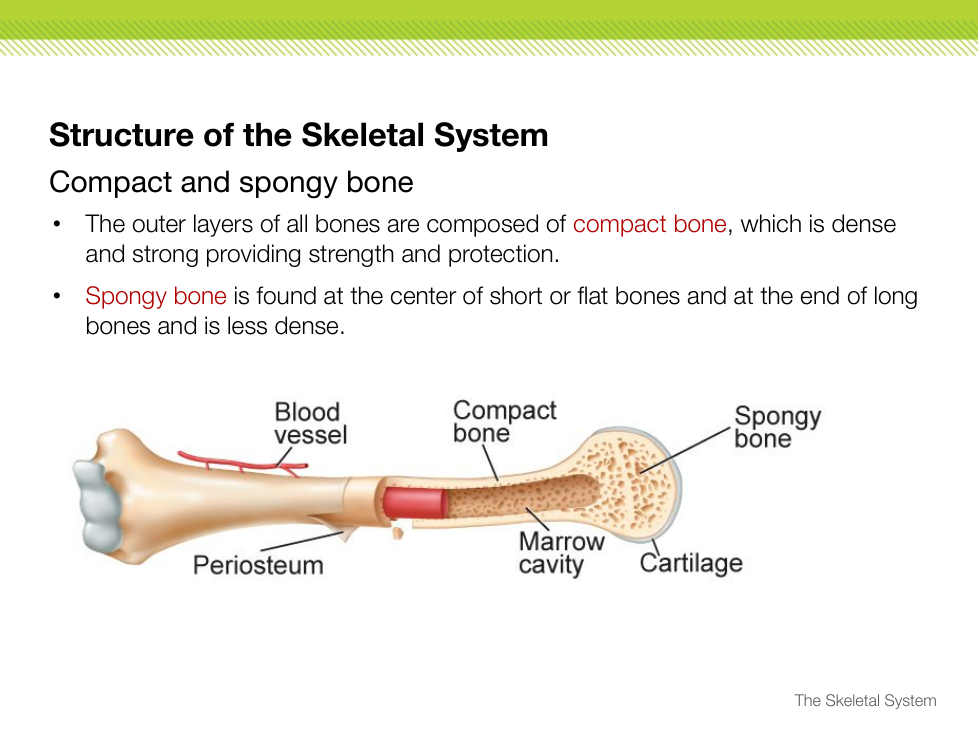
How does the spongy bone differ from the compact bone?

1
Asemmisa {{asɛmmisaAhyɛnsode}}
6.
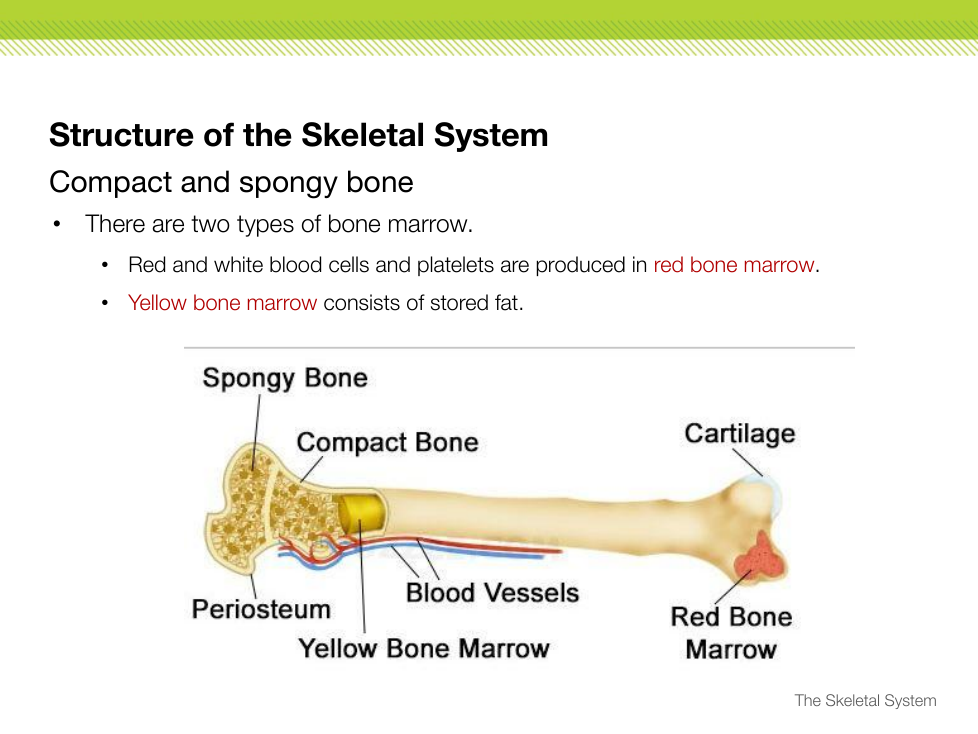
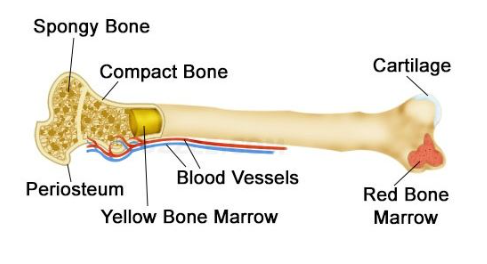
Mmuae Afoforo a Wobɛpaw:
Produces blood cells and platelets
stores fat
1
Asemmisa {{asɛmmisaAhyɛnsode}}
7.

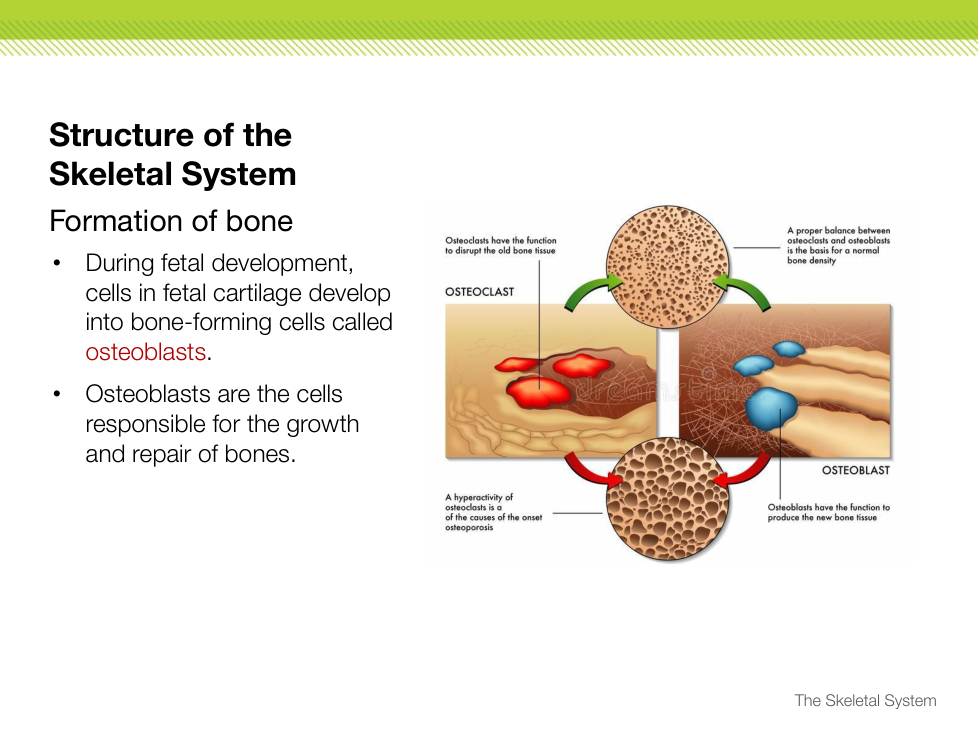
What do osteoblasts do?

1
Asemmisa {{asɛmmisaAhyɛnsode}}
8.

Osteoblasts start out as during fetal development.

1
Asemmisa {{asɛmmisaAhyɛnsode}}
9.

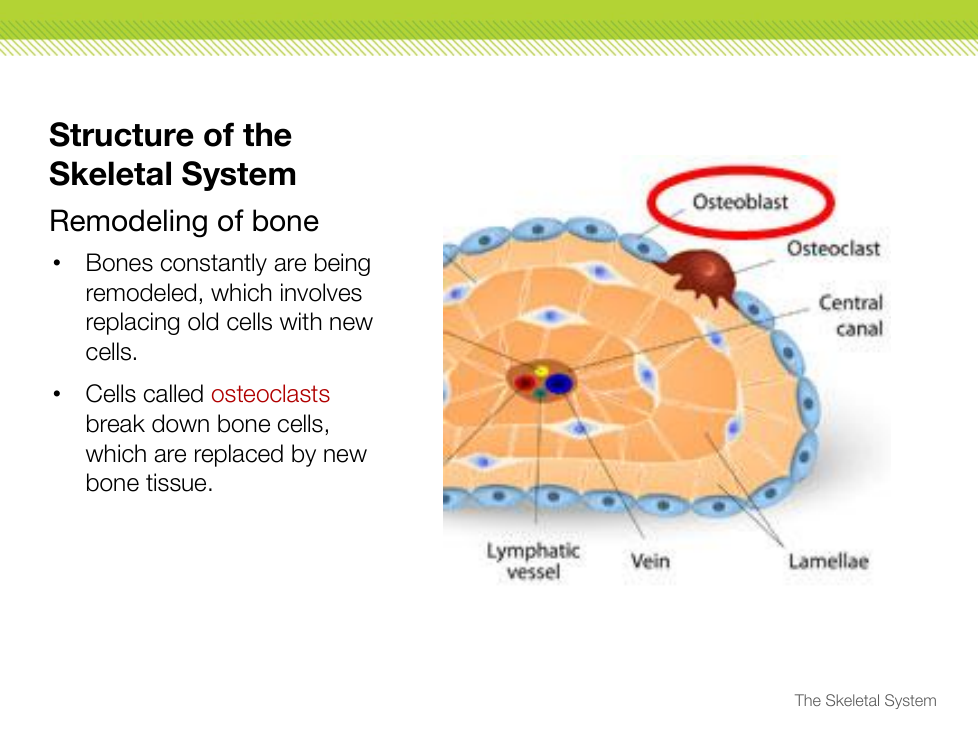
How are osteoblasts different from osteoclasts?

1
Asemmisa {{asɛmmisaAhyɛnsode}}
10.

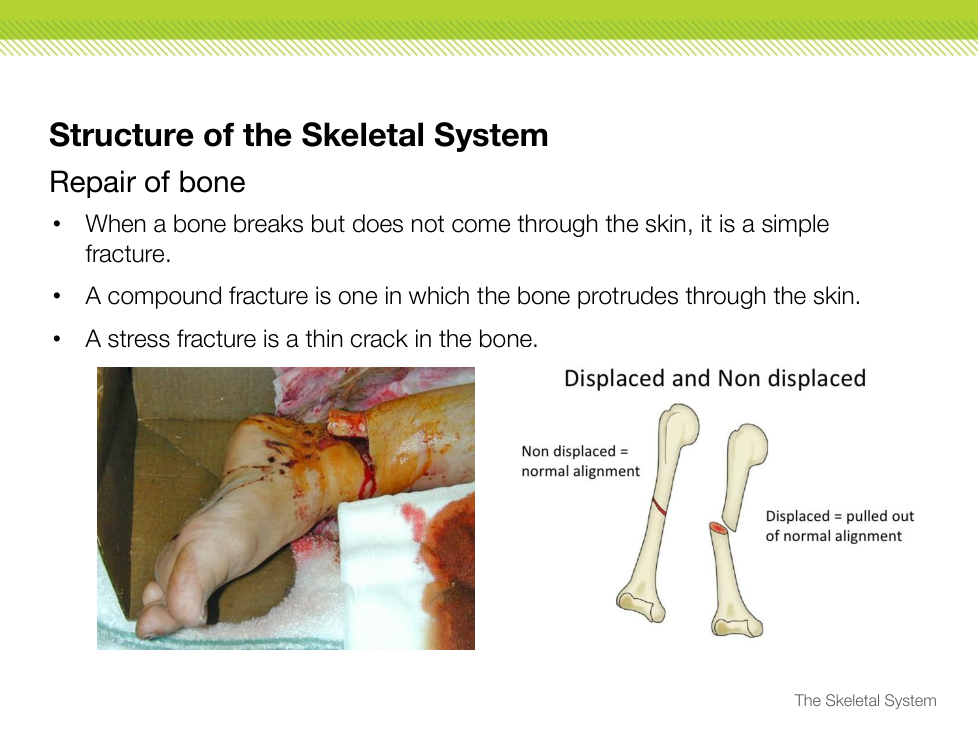
A cracked bone is a fracture.

1
Asemmisa {{asɛmmisaAhyɛnsode}}
11.

What is the difference between a simple fracture and a compound fracture?

1
Asemmisa {{asɛmmisaAhyɛnsode}}
12.

Which do you think would be easier to treat, a displaced fracture or non-displaced fracture? Why?

1
Asemmisa {{asɛmmisaAhyɛnsode}}
13.

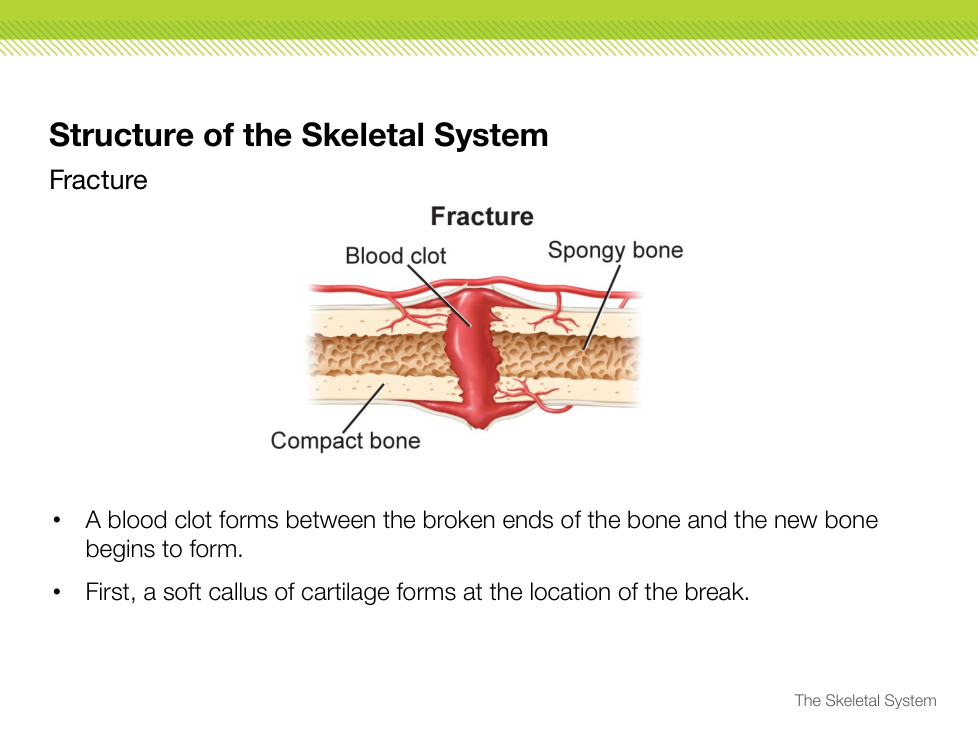
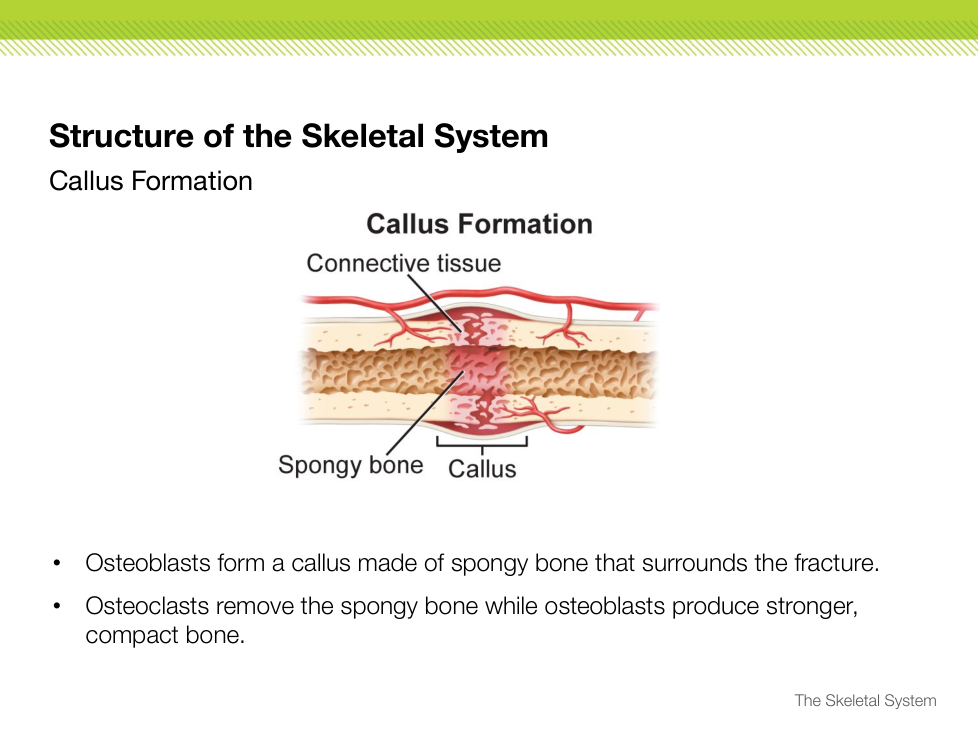
After a bone is fractured, a begins to form at the break.

1
Asemmisa {{asɛmmisaAhyɛnsode}}
14.

After the blood clot forms, forms in place of the blood clot.

1
Asemmisa {{asɛmmisaAhyɛnsode}}
15.

The cartilage contains , which surround the fracture. They are responsible for building bone tissue.

1
Asemmisa {{asɛmmisaAhyɛnsode}}
16.

The remove spongy bone while produce the new bone.

1
Asemmisa {{asɛmmisaAhyɛnsode}}
17.

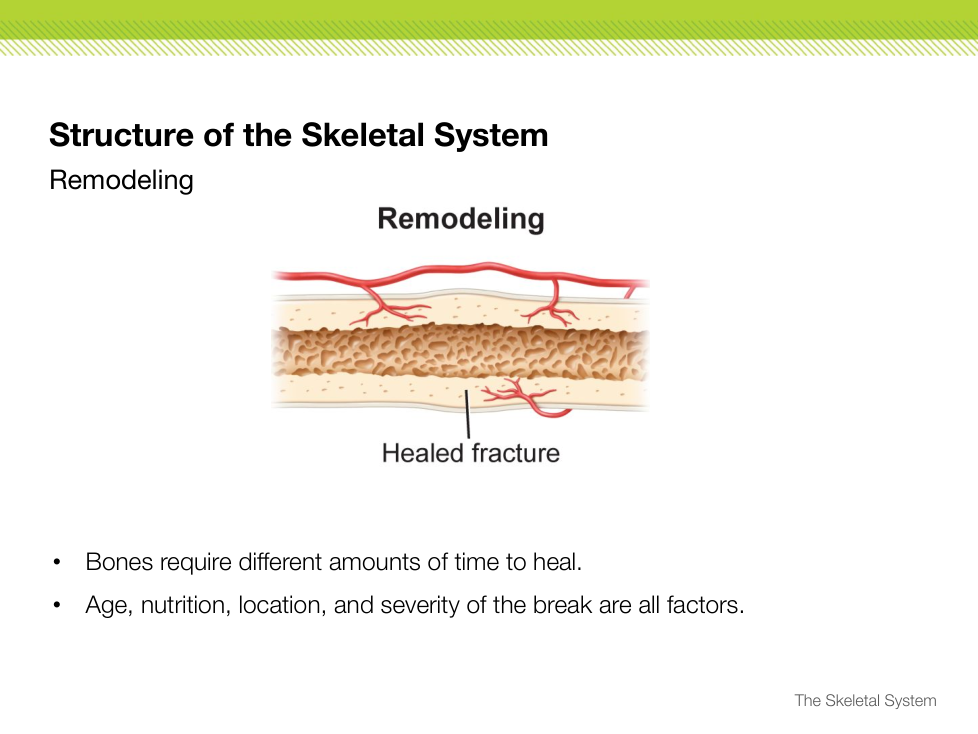
, , of the bone and of the break are factors that can affect how much it takes a broken bone to heal.

1
Asemmisa {{asɛmmisaAhyɛnsode}}
18.

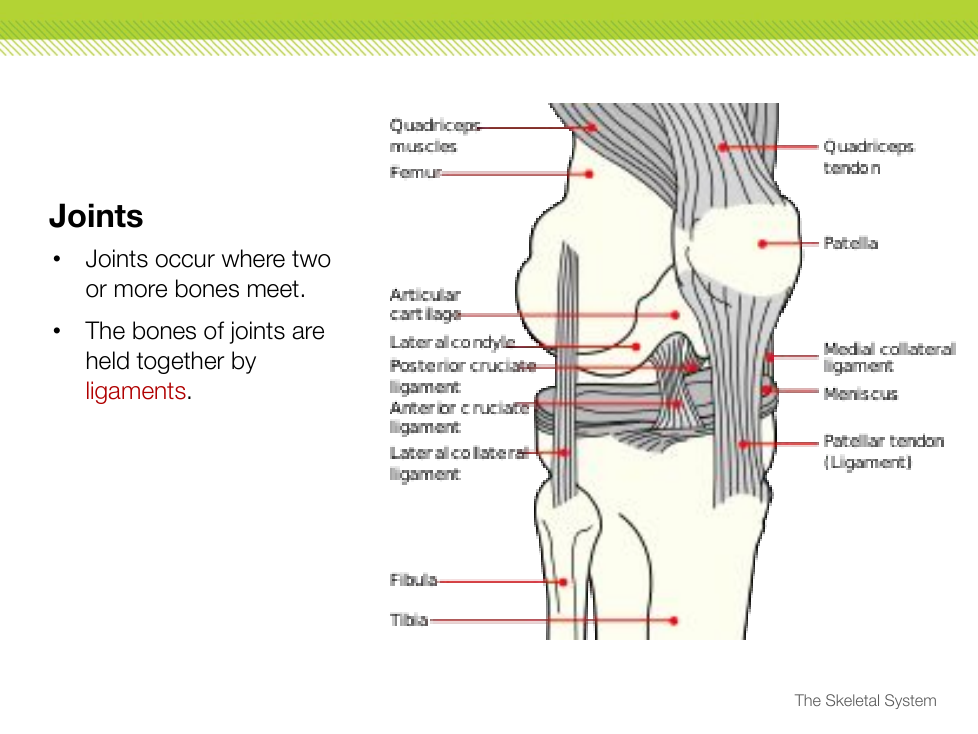
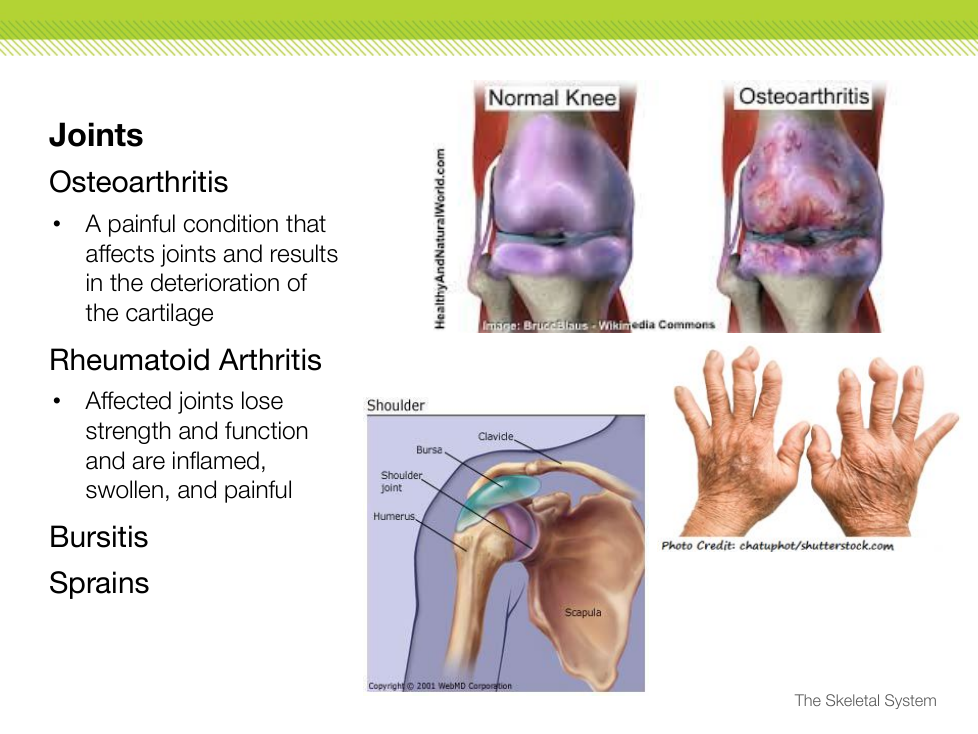
What are joints?

1
Asemmisa {{asɛmmisaAhyɛnsode}}
19.

The bones of joints are held together by .

1
Asemmisa {{asɛmmisaAhyɛnsode}}
20.

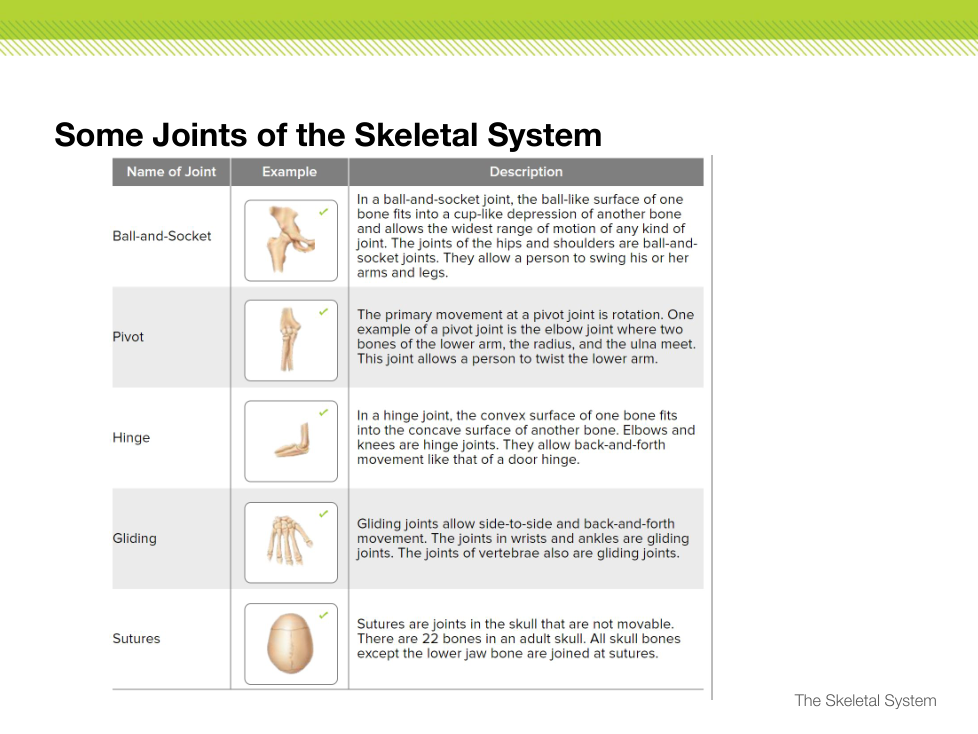
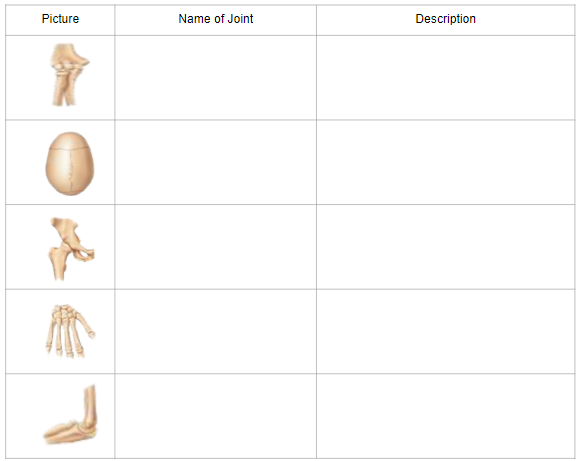
Match the description and type of joint with the correct image.

Mmuae Afoforo a Wobɛpaw:
The joint is immobile
Ball and Socket
Gives the widest range of motion, allow person to swing limbs in several directions
Allows side to side and back and forth movements
Gliding
Allows person to twist the limb
Hinge
Allows for back and forth motion in a single direction
Pivot
Sutures
1
Asemmisa {{asɛmmisaAhyɛnsode}}
21.

is the most common form of arthritis. It involves the wearing away of the cartilage that protects the bones in joints.

1
Asemmisa {{asɛmmisaAhyɛnsode}}
22.

arthritis is a disease where in which the immune system attacks the joints, beginning with the lining of the joints.

1
Asemmisa {{asɛmmisaAhyɛnsode}}
23.

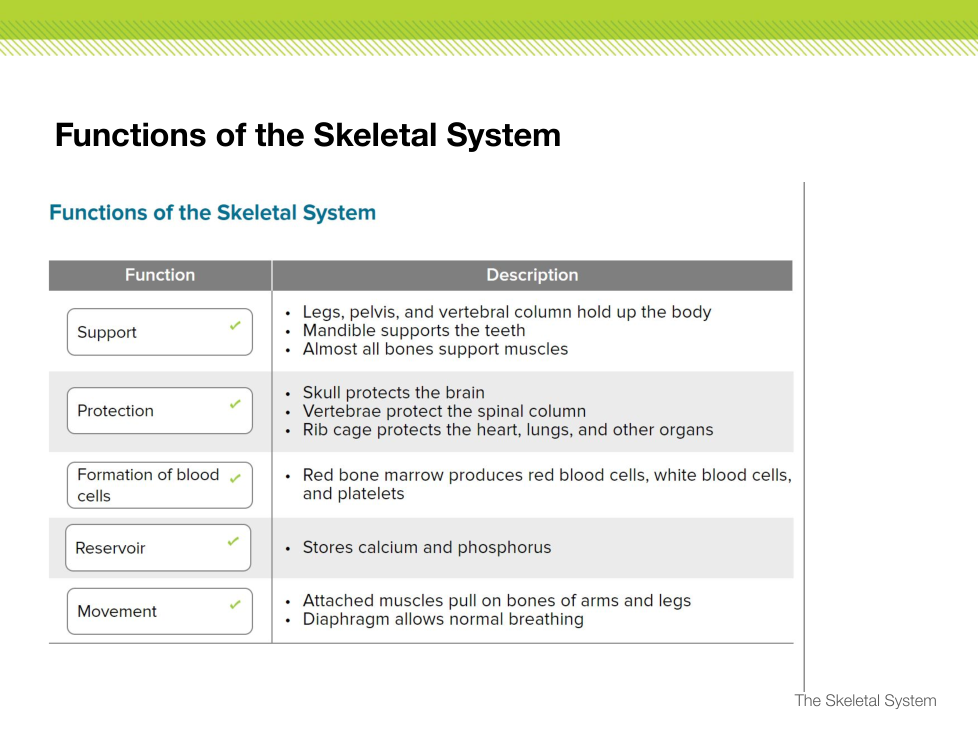
The three functions of the skeletal system are to , and .

1
Asemmisa {{asɛmmisaAhyɛnsode}}
24.

What are the differences between the bones of the axial and appendicular skeletons?

1
Asemmisa {{asɛmmisaAhyɛnsode}}
25.

How is new bone formed?

1
Asemmisa {{asɛmmisaAhyɛnsode}}
26.

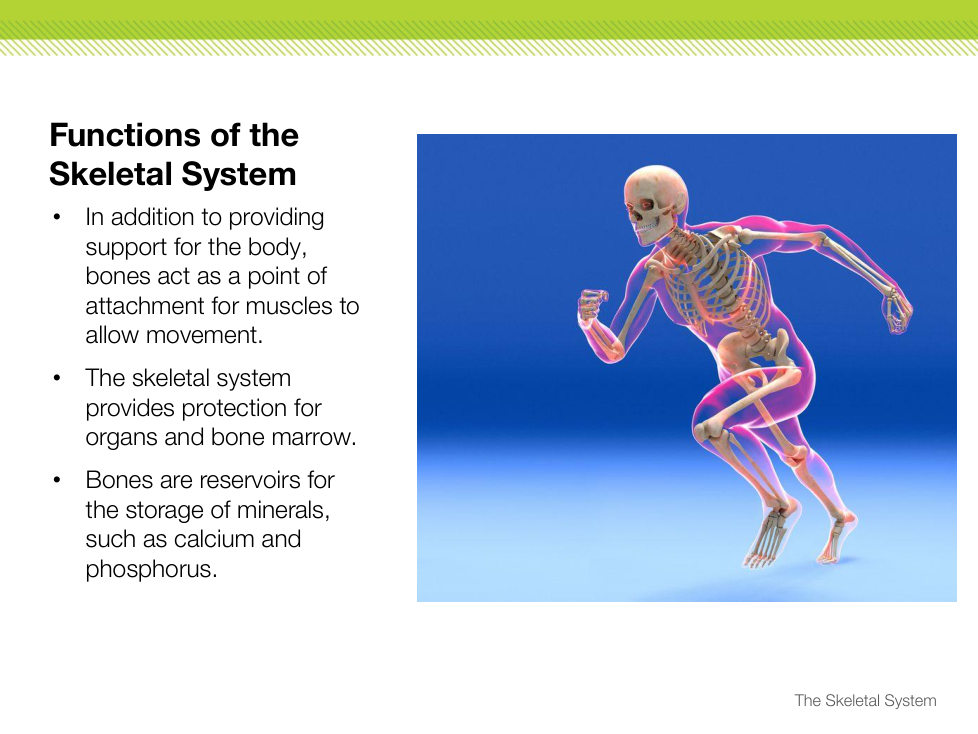
What are the functions of the skeletal system?