APUSH Chapter 14: Forging the National Economy (1790-1860)
star
star
star
star
star
Last updated over 1 year ago
22 questions
Required
1
Required
1
Required
1
Welcome to your Chapter 14 reading! As always, "Focus Questions" should guide your reading and notes, but you do not necessarily have to explicitly answer them.
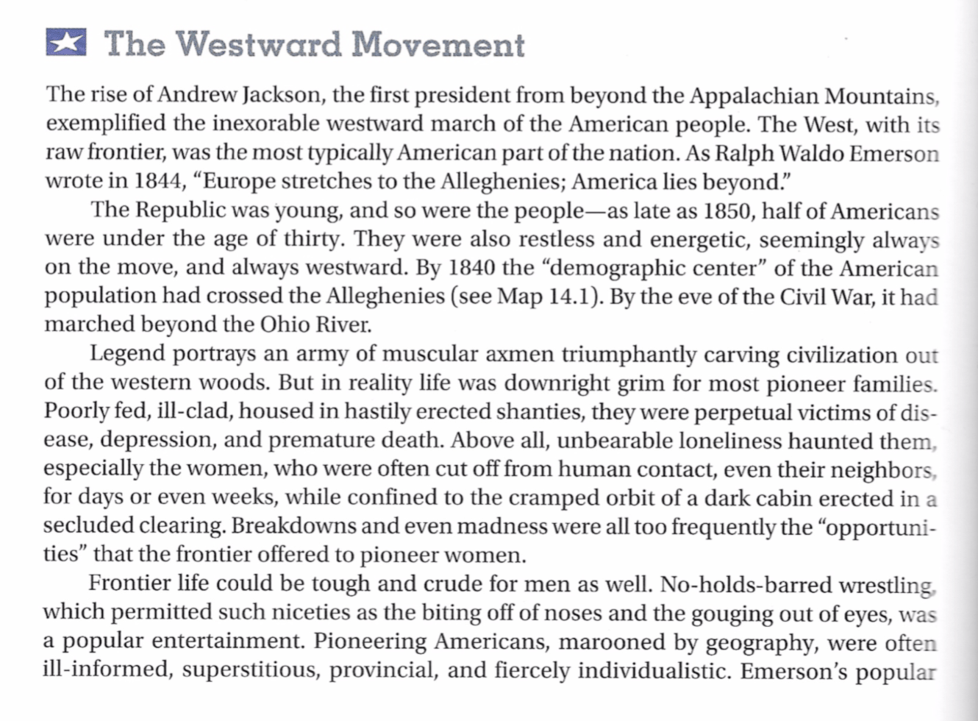
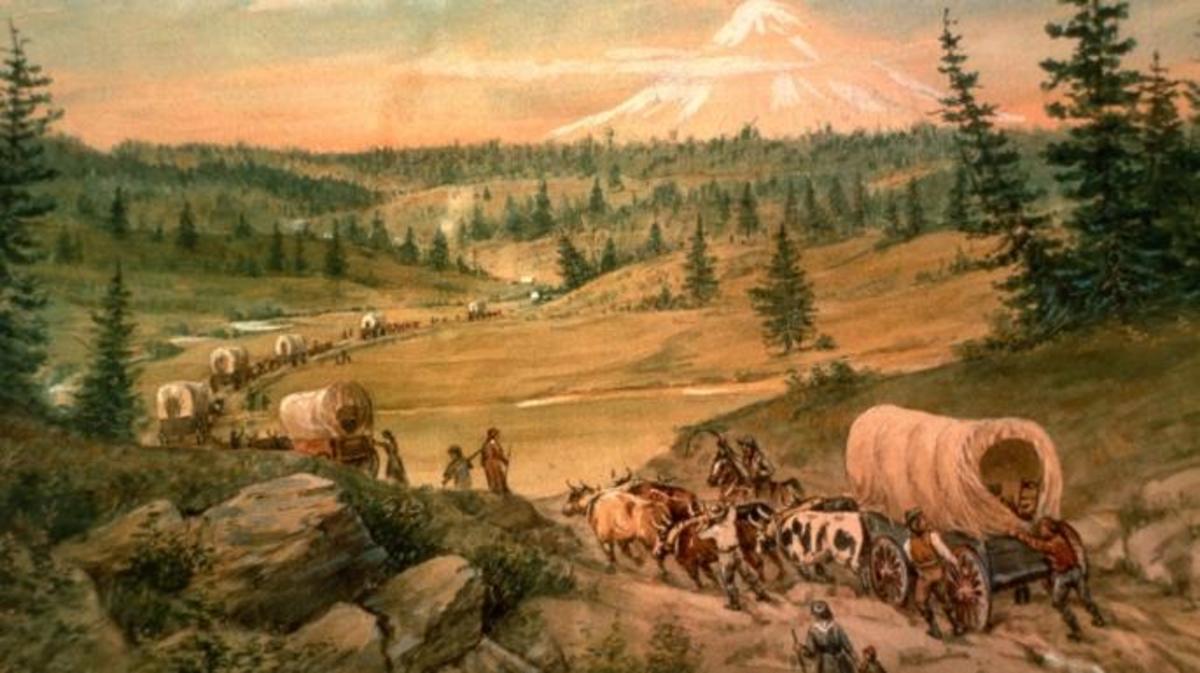
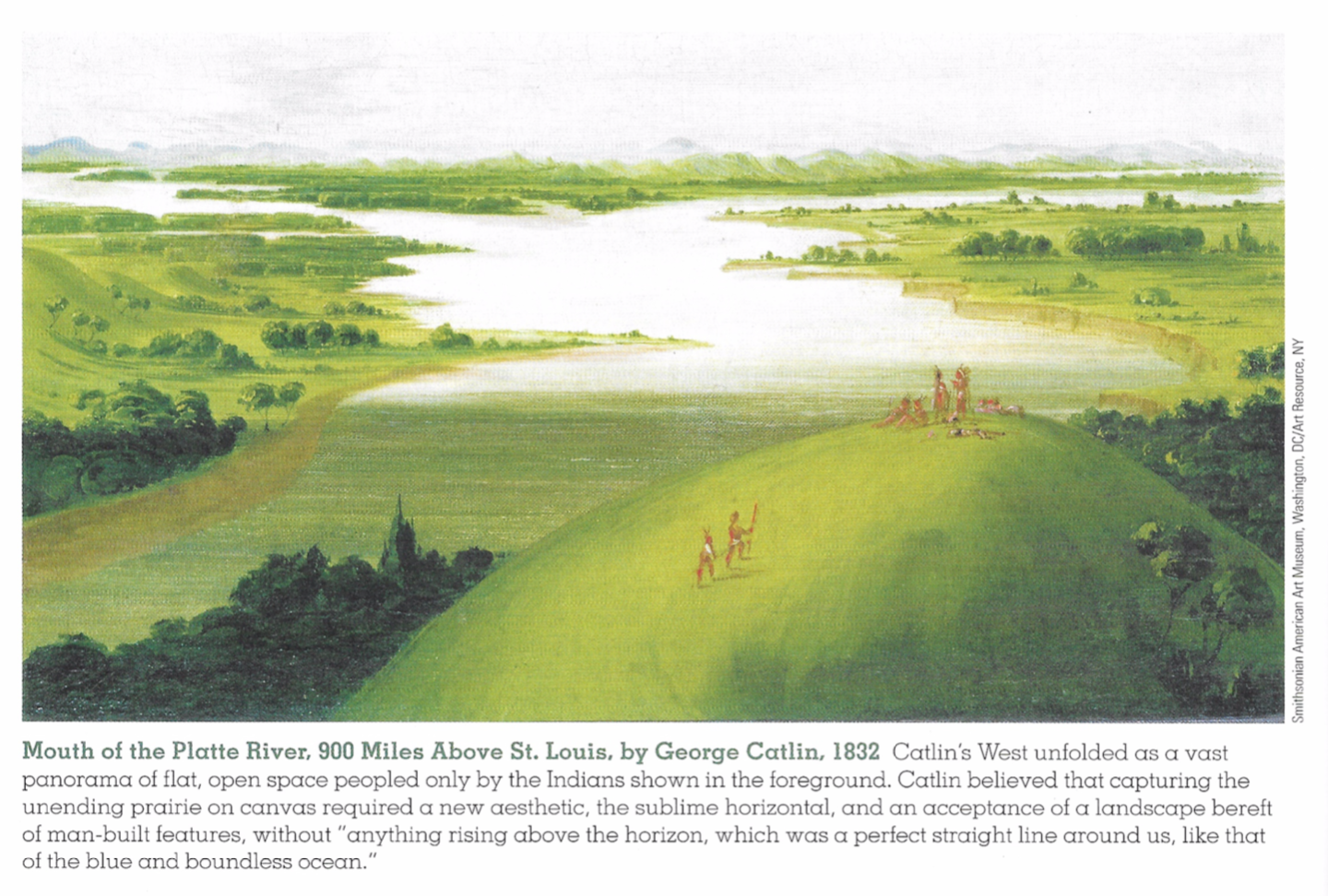
Historians often refer to the 19th-century movement of settlers into the American West as "Westward Expansion." The era begins with the Louisiana Purchase and extends into the early 20th century, fueled by the Gold Rush, the Oregon Trail and a belief in "manifest destiny."
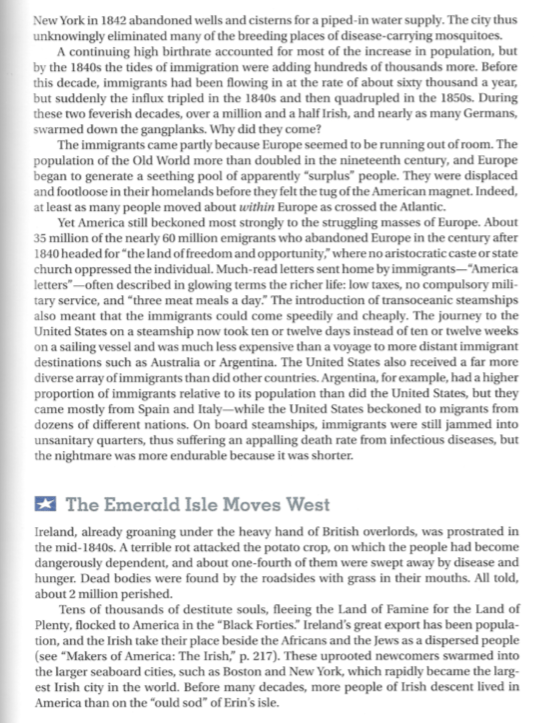
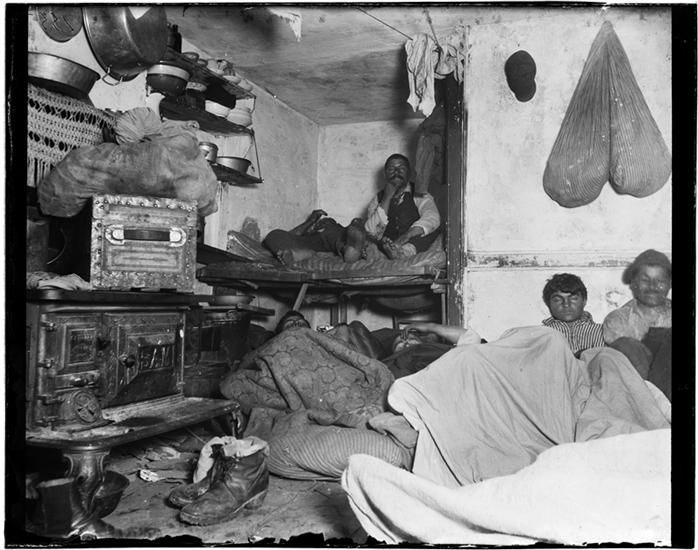
In the late 19th century, progressive journalist Jacob Riis photographed urban life in order to build support for social reform. In this part of the text, you can see the historical origins of urban living conditions in the late 1800s.
Required
1
Required
1
0
Question 3
3.
That's all that is due by Monday, 11/28/2022. Any questions?
1
1
Question 5
5.
As used in line 8, "blight" most nearly means
Required
1
Required
1
Required
1
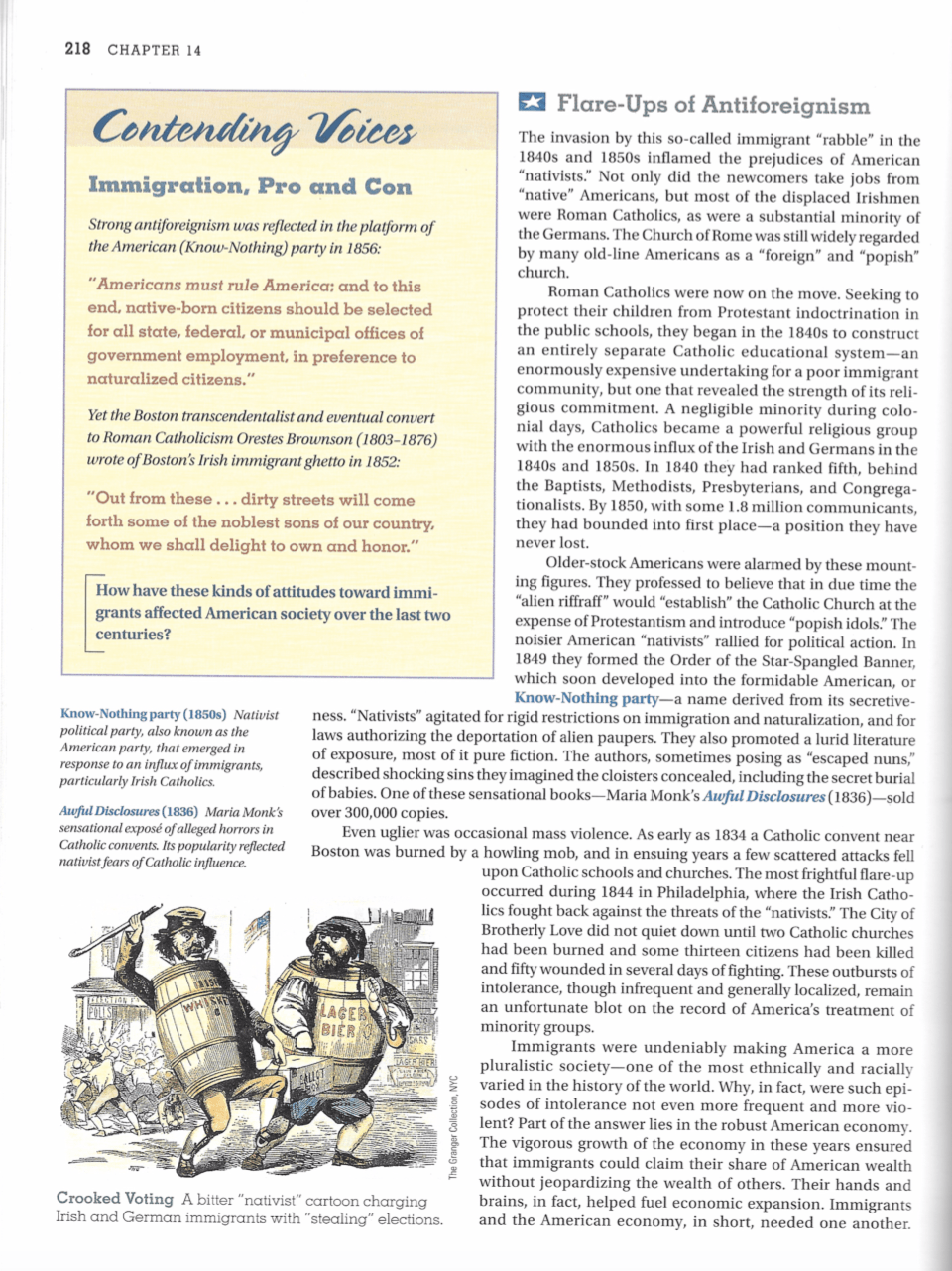
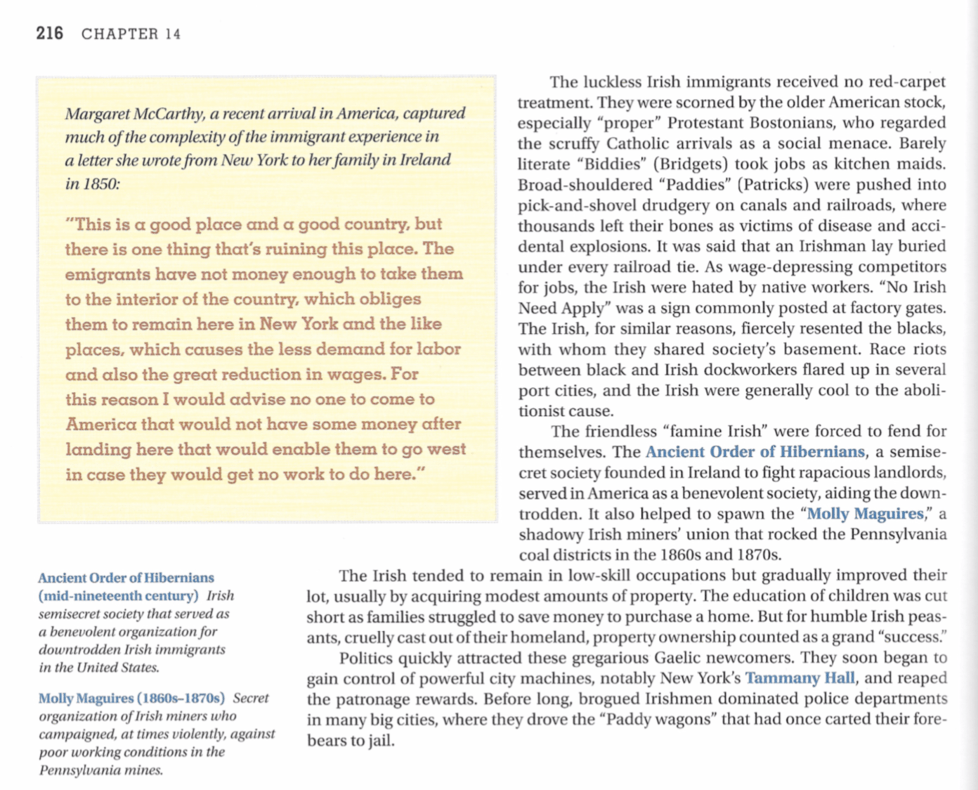
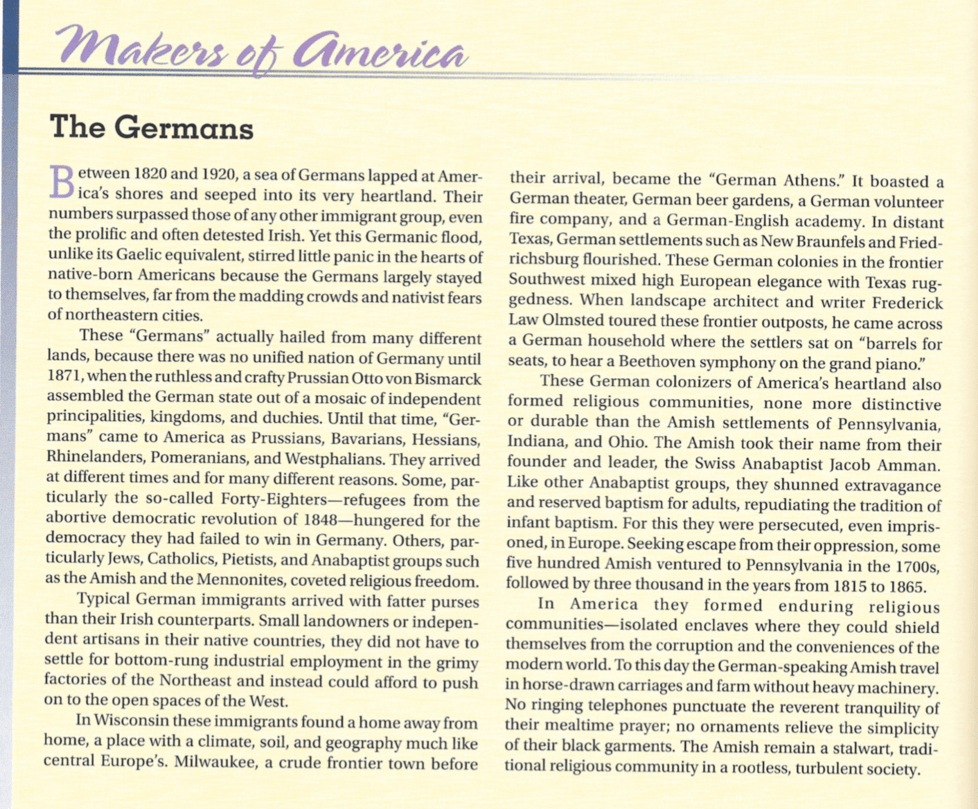
Both Irish and German immigrants experienced discrimination and xenophobia - the fear or hatred of strangers or foreigners.
0
Question 9
9.
That's all that is due by Tuesday, 11/29/2022. Any questions?
This hate runs deep! Recall when we learned about the Protestant Reformation back in Period 1. The Protestant Reformation signaled the split between two branches of Christianity: Protestant Christianity and the Roman Catholic Church.
Required
1
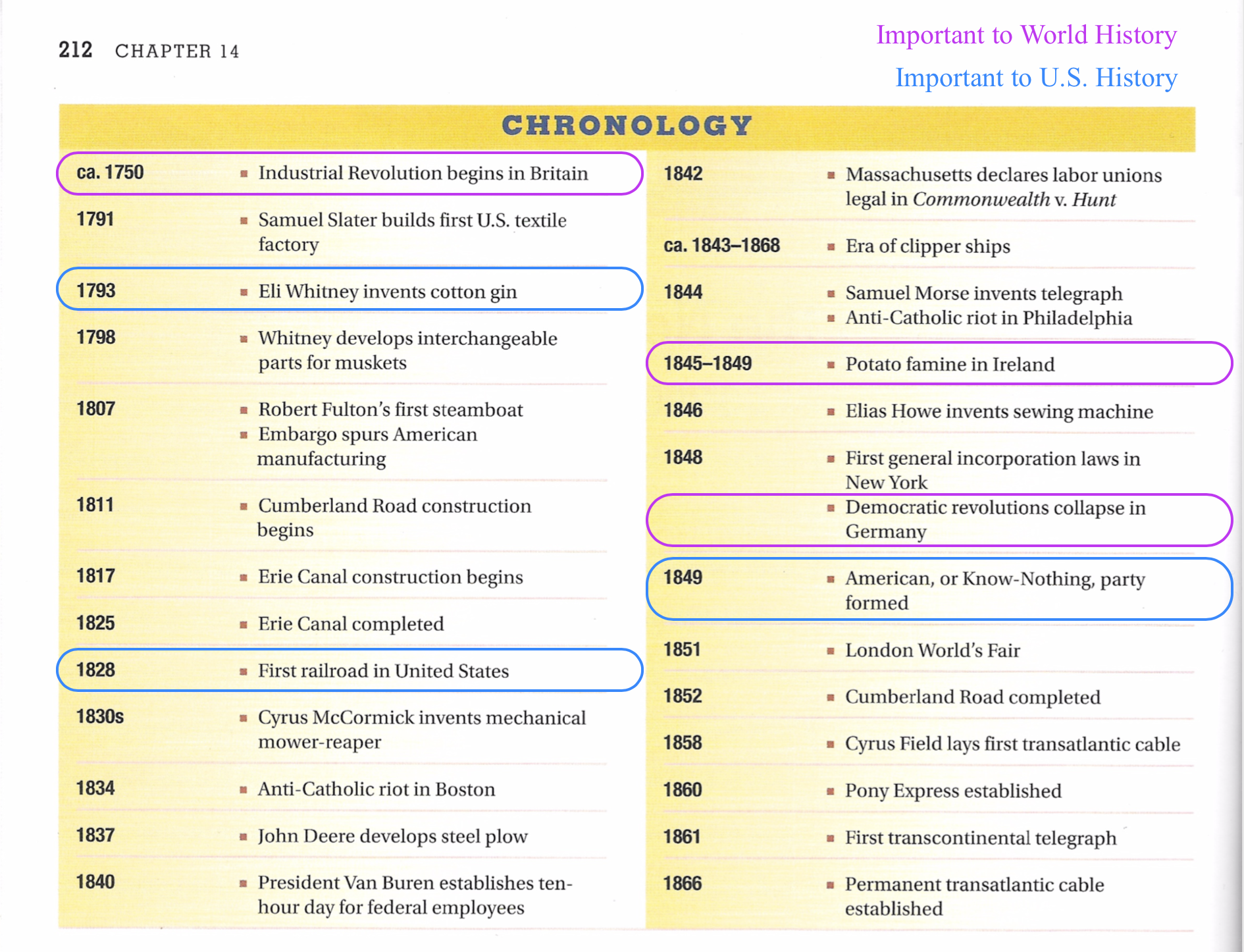
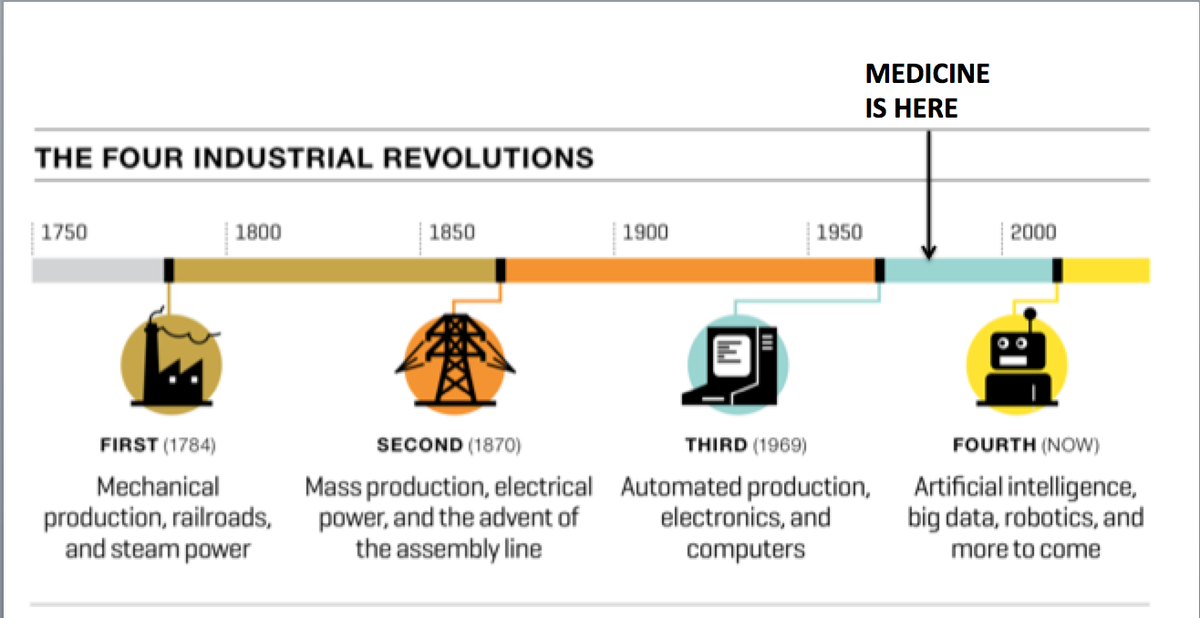
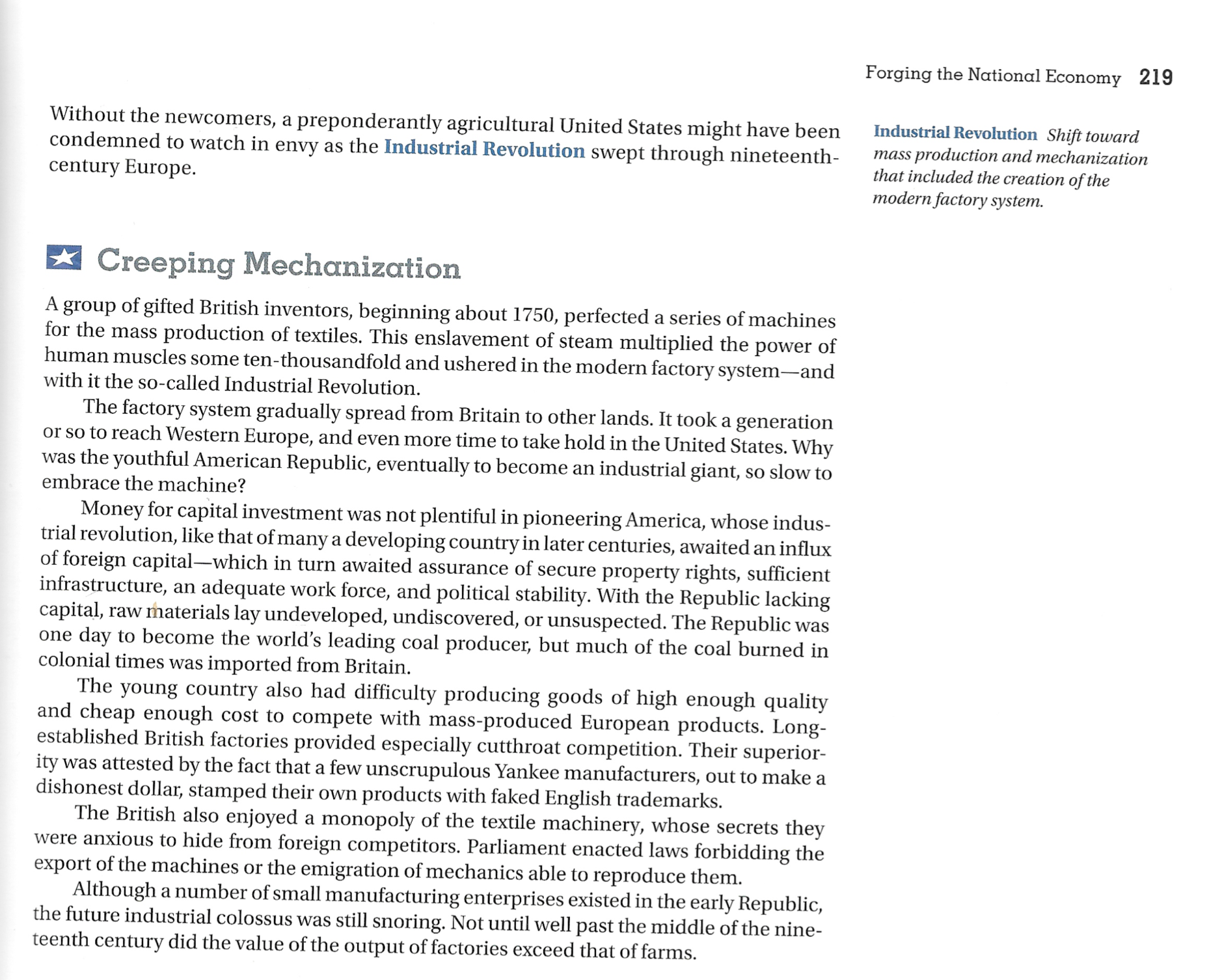
Your textbook refers to Industrial Revolution as the shift towards mass production and mechanization. Historians recognize this as the First Industrial Revolution, beginning in Great Britain in 1784 with the creation of the factory system. Throughout U.S. history, we will learn about three more Industrial Revolutions (see timeline).
Required
1
Question 12
12.
Which choice provides the best evidence for the answer to the previous question?
Curious how the cotton gin works? Check out this (brief) video!
Required
1
Required
1
Question 15
15.
A consequence of the early factorysystem was
Required
1
Required
1
Question 18
18.
Which choice provides the best evidence for the answer to the previous question?
0
Question 19
19.
That's all that is due by Wednesday, 11/30/2022. Any questions?
😂 Okay, here you go!
Required
1
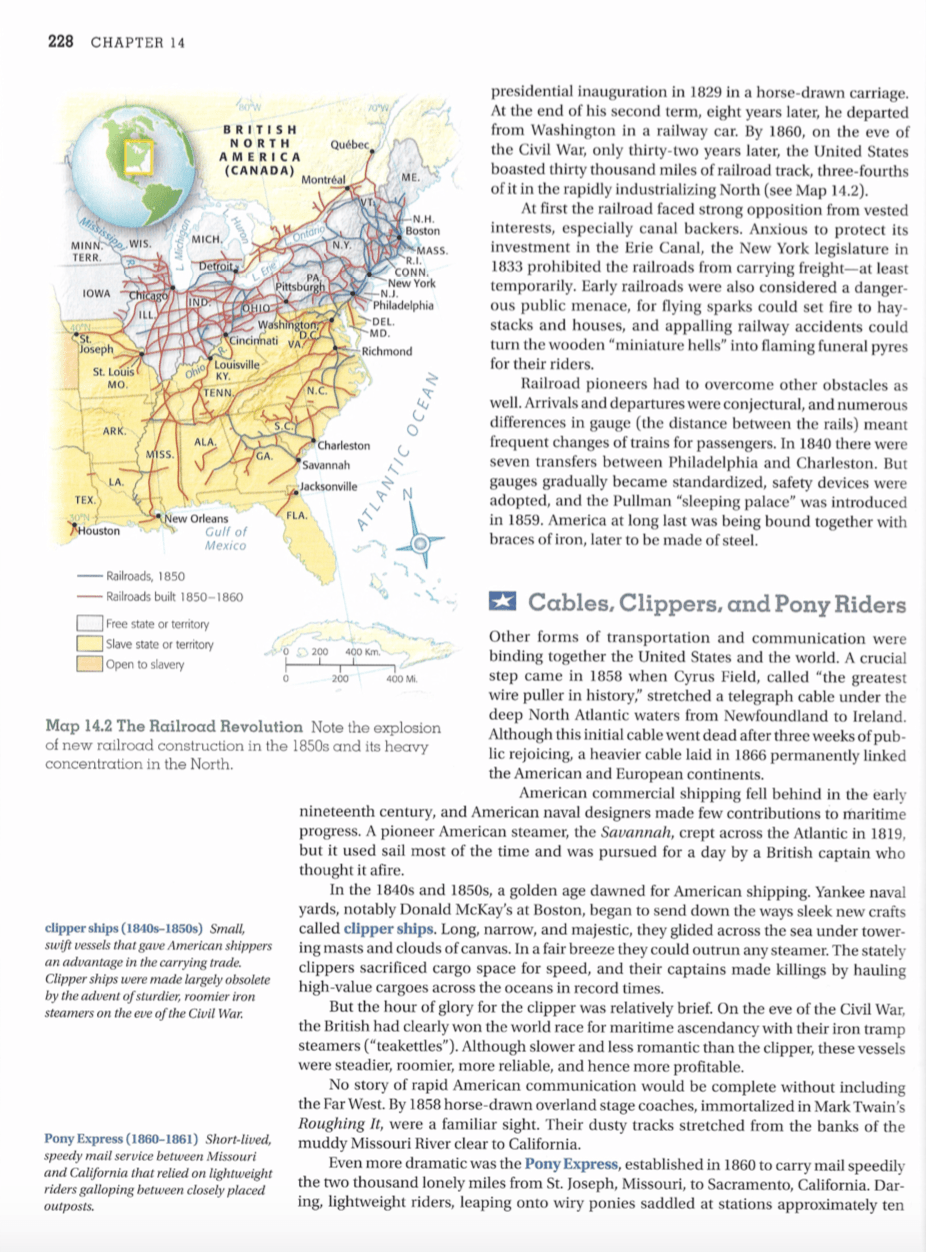
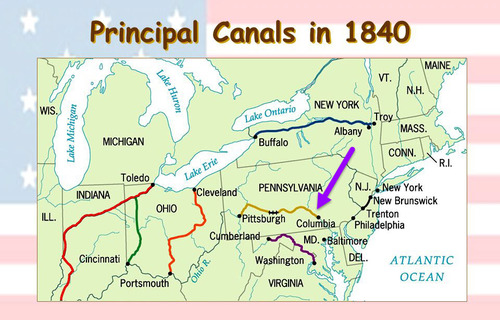
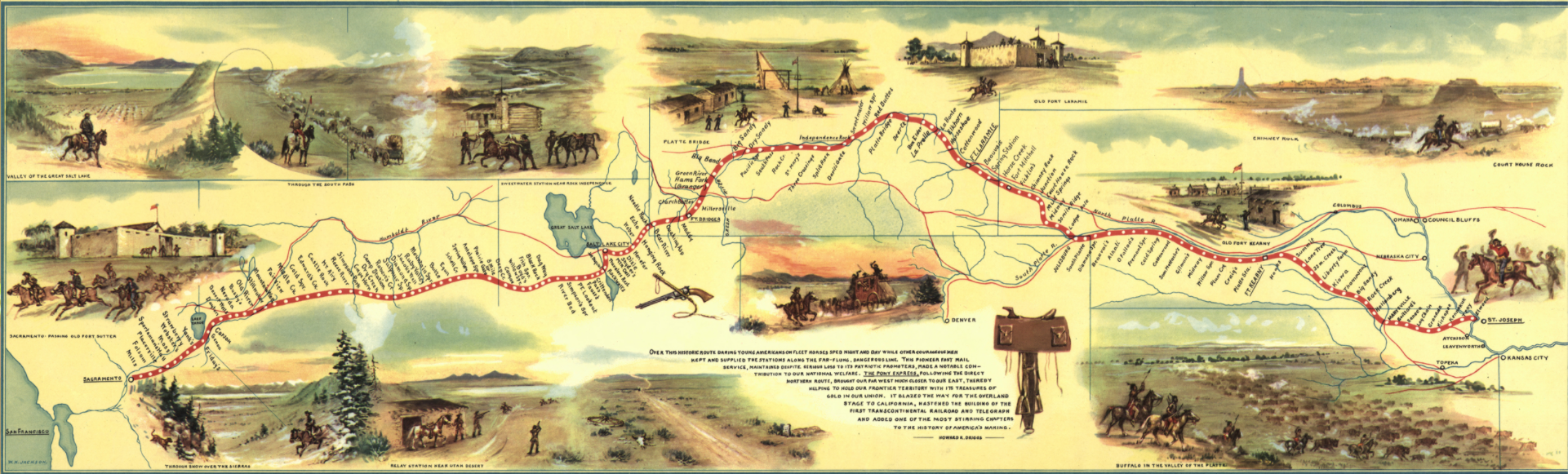
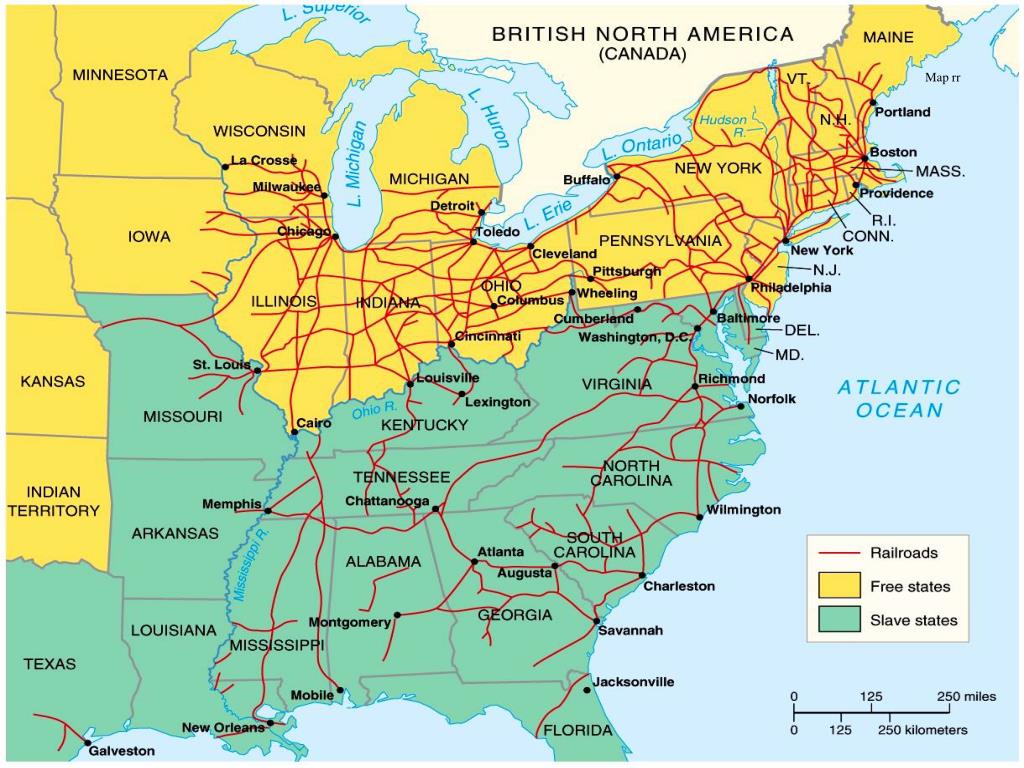
In the world of smart phones, Amazon Prime, and Uber, the significance of these inventions may escape us today but inventions like canals, railroads, and even the Pony Express made it substantially easier for people across the country to communicate and travel!
Notice where in the country most of these transportation systems are being built, and where there are few...
*Cue foreboding music*
0
Question 21
21.
Excellent reading! Close out this Chapter by reviewing the "Chapter Summary" and boxing the 5 most important key terms in the space provided.
0
Question 22
22.
Way to finish Chapter 14 by Thursday, 12/1/2022. Any questions?
Question 1
1.
The dramatic growth of American cities between 1800 and 1860
Question 2
2.
Whether they were propertied or landless, immigrants were often enticed to leave their homelands by
Question 4
4.
The author uses the phrase "no red-carpet treatment" (Paragraph 1, lines 1-2) mainly to
Question 6
6.
It can be reasonably inferred that German immigrants to the United States
Question 7
7.
Which choice provides the best evidence for the answer to the previous question?
Question 8
8.
As used in line 4, "uncurbed" most nearly means
Question 10
10.
Native-born Americans feared that Catholic immigrants to the United States would
Question 11
11.
As a result of the development of the cottongin,
Question 13
13.
The phrase "renewed lease on life" in paragraph 4 (line 4) mainly serves to
Question 14
14.
As used in line 1, "outgrowth" most nearly means
Question 16
16.
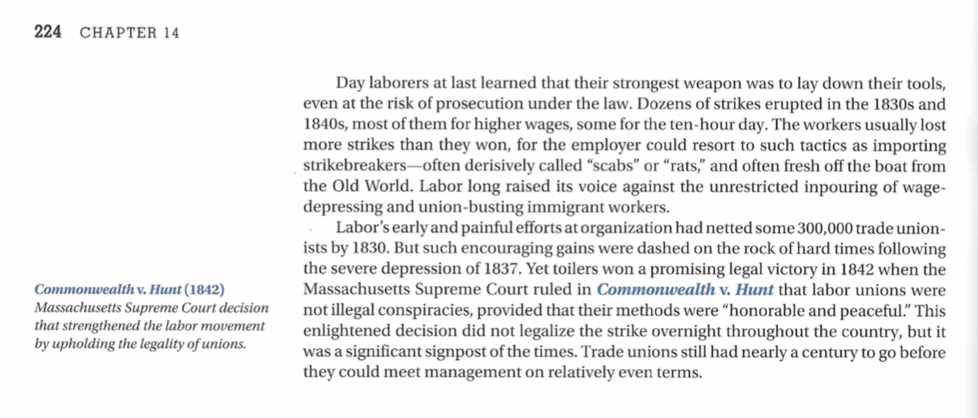
In the case of Commonwealth v. Hunt, the supreme court of Massachusetts ruled that
Question 17
17.
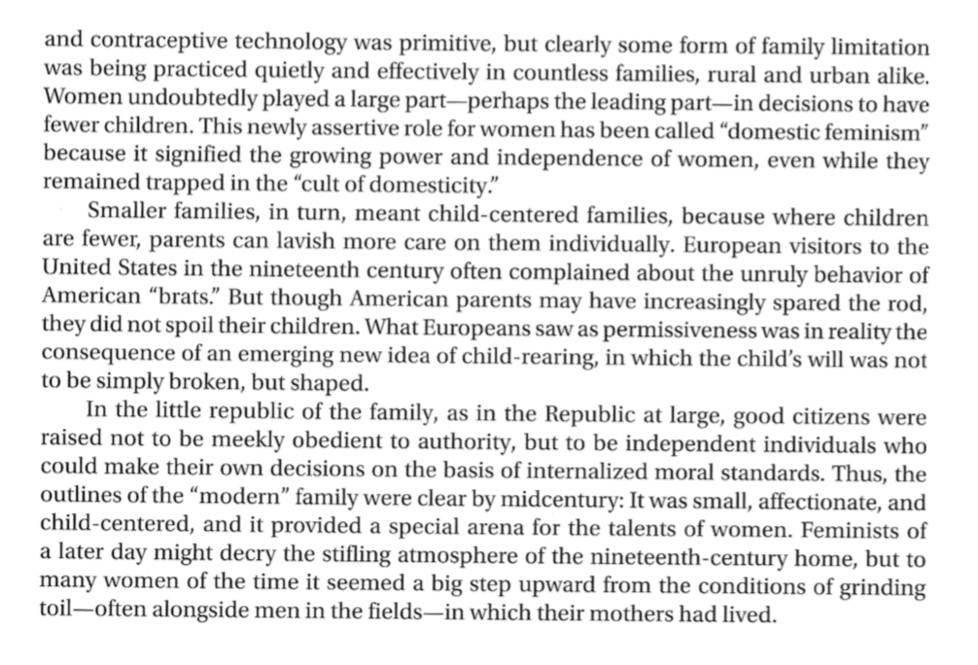
According to the passsage, the "cult of domesticity"
Question 20
20.
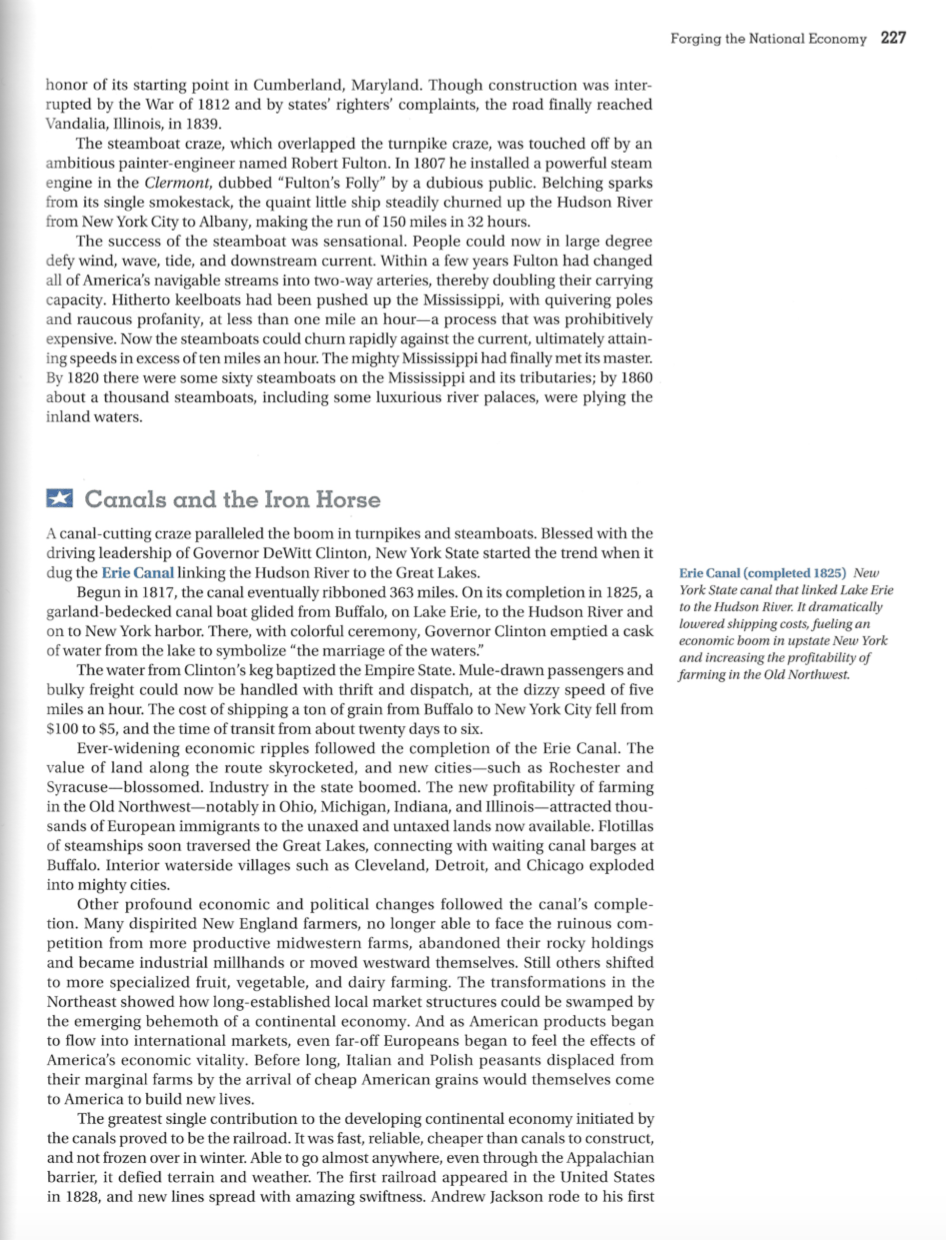
Steamboats profoundly affected the American economy by