0
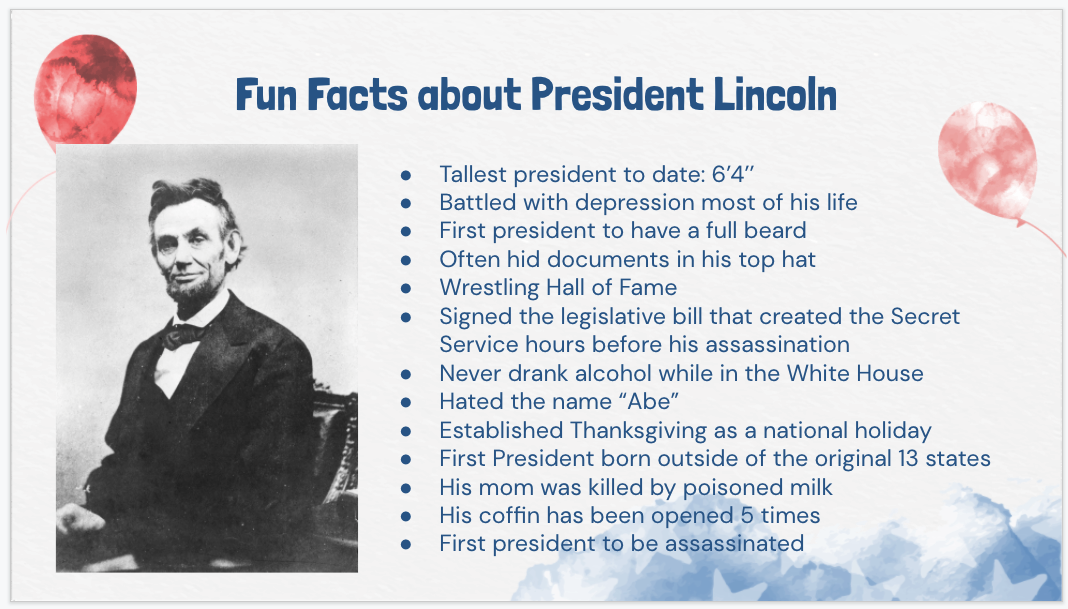
Did you know any of these facts prior to taking APUSH? Which one is most interesting to you?
Did you know any of these facts prior to taking APUSH? Which one is most interesting to you?
Content Objective: I will be able to evaluate the strengths and weaknesses that led Lincoln to issue the Emancipation Proclamation.
Standard Objective: I will be able to draw reasonable inferences and logical conclusions from text.
Absent? Just want to review the guided notes? Slides are linked here.
Content Objective: I will be able to evaluate the strengths and weaknesses that led Lincoln to issue the Emancipation Proclamation.
Standard Objective: I will be able to draw reasonable inferences and logical conclusions from text.
Absent? Just want to review the guided notes? Slides are linked here.
Did you know any of these facts prior to taking APUSH? Which one is most interesting to you?
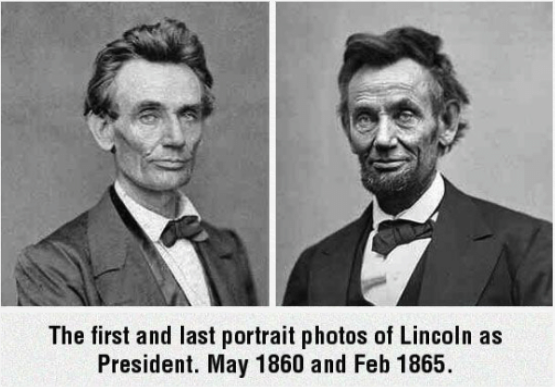
What do you notice about how President Lincoln changed over the course of the Civil War?
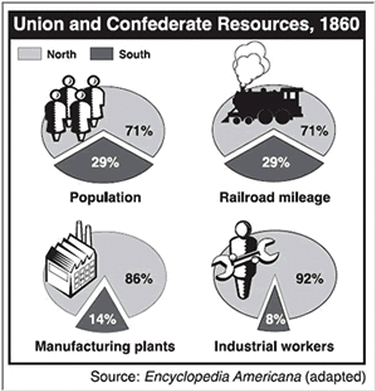
According to the figure, before the Civil War began in 1861,
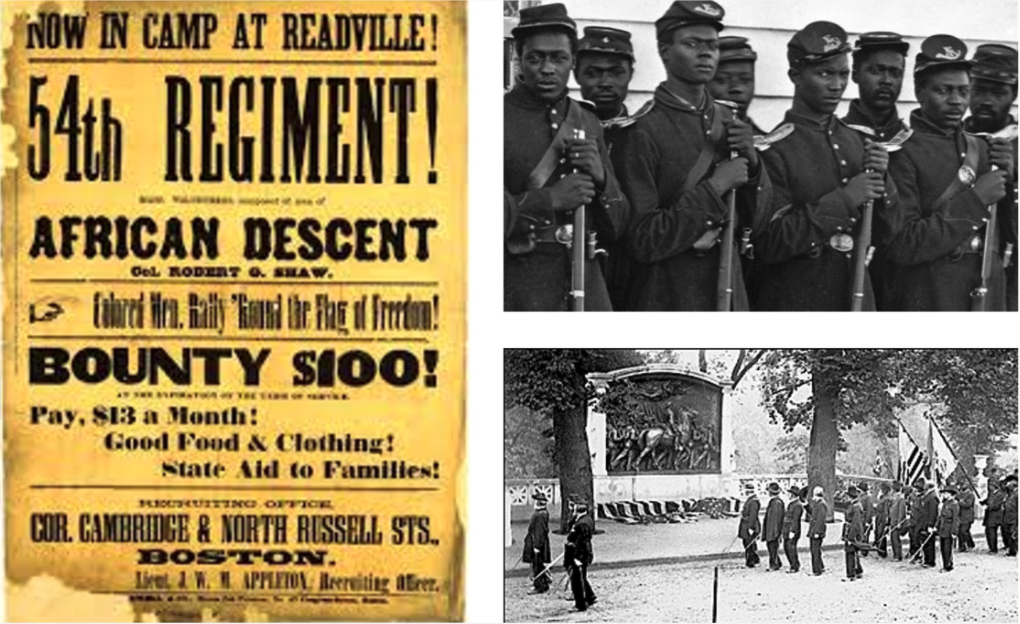
While the Emancipation Proclamation
More than
The cost of the war totaled
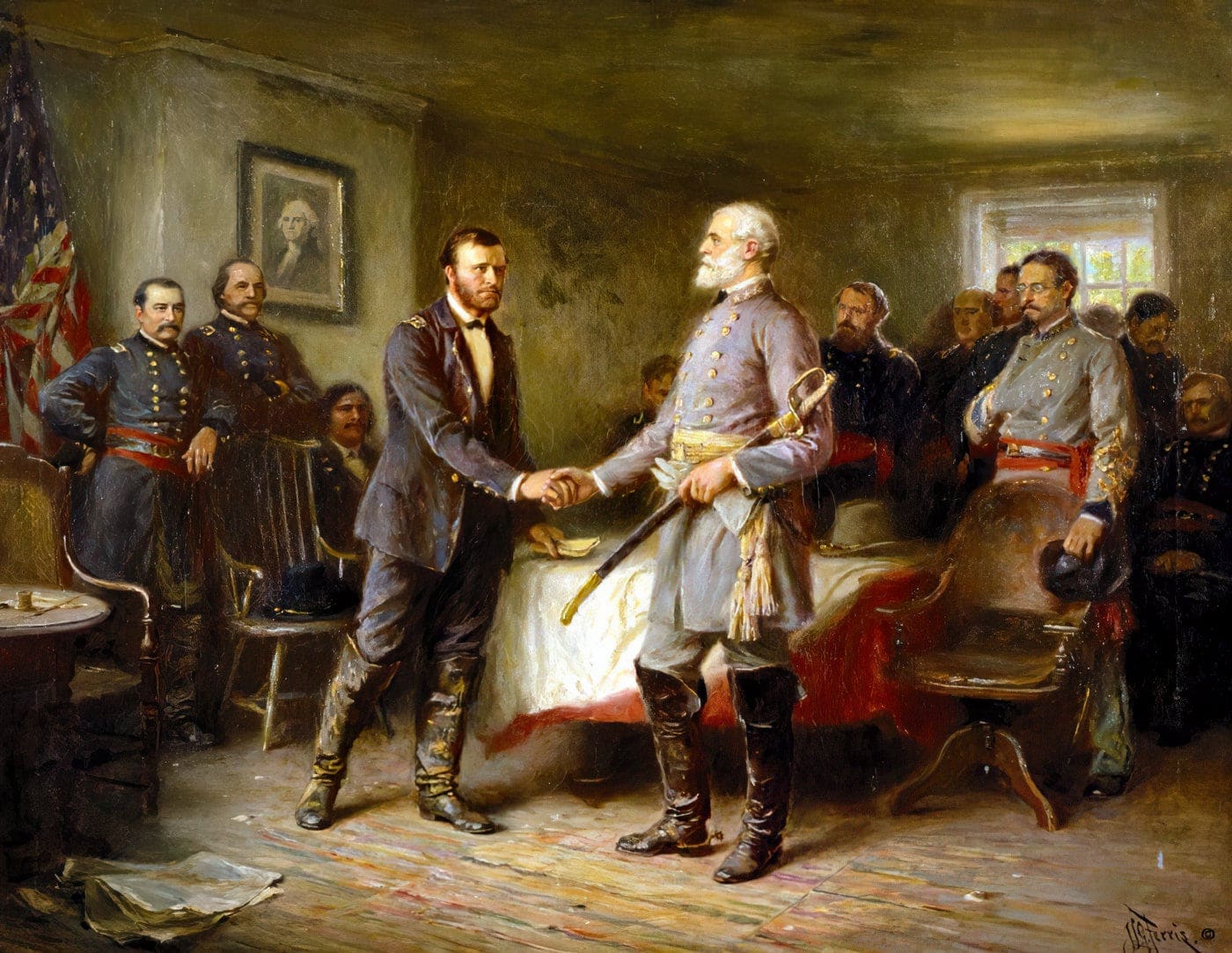
Although the Civil War officially ended at Appomattox on April 9,

Lincoln's initial declaration that the North fought only to preserve the Union and not to abolish slavery
Why do you think Lincoln only freed the slaves in the red (see map below)? Why didn't Lincoln free the slaves in the Border States?
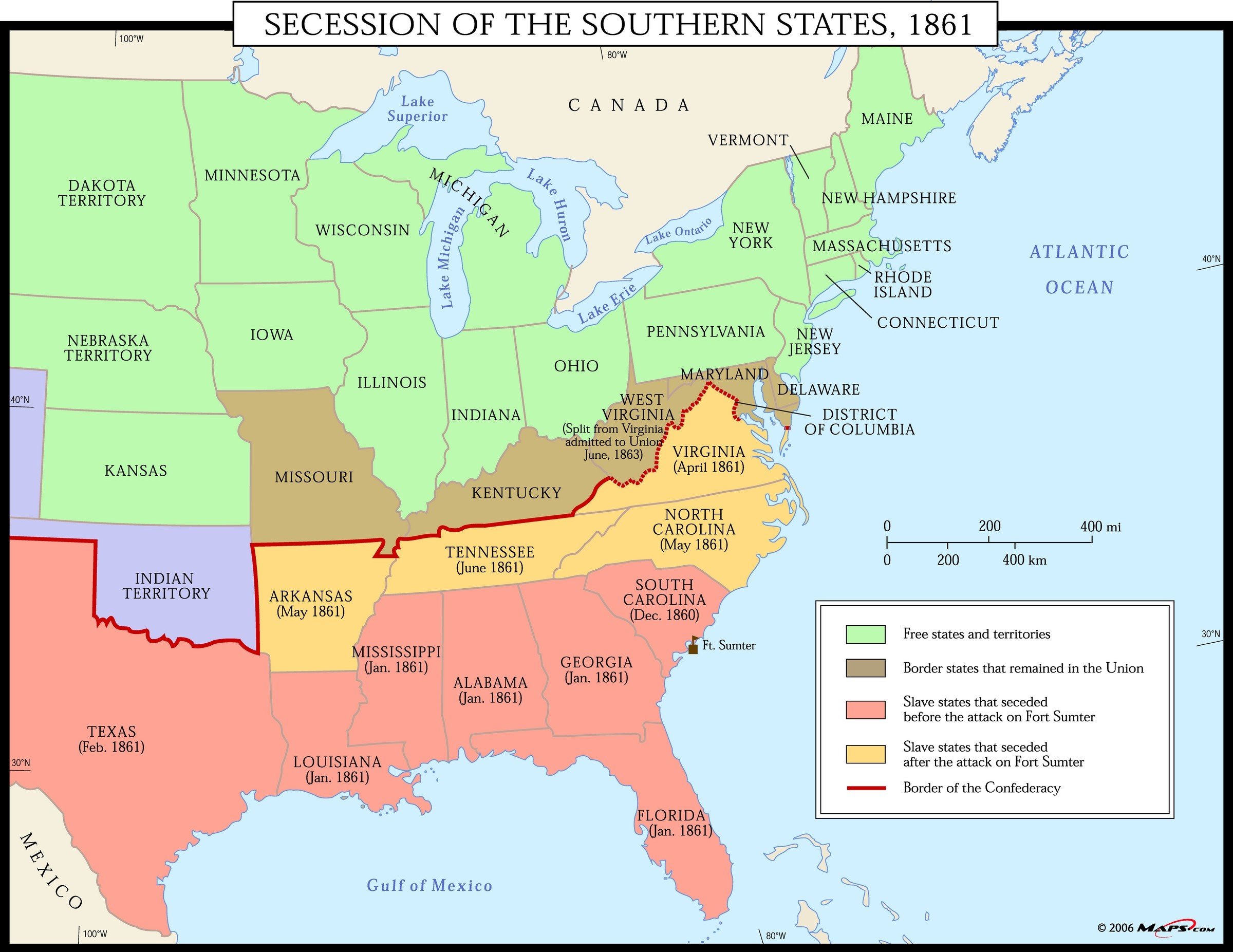
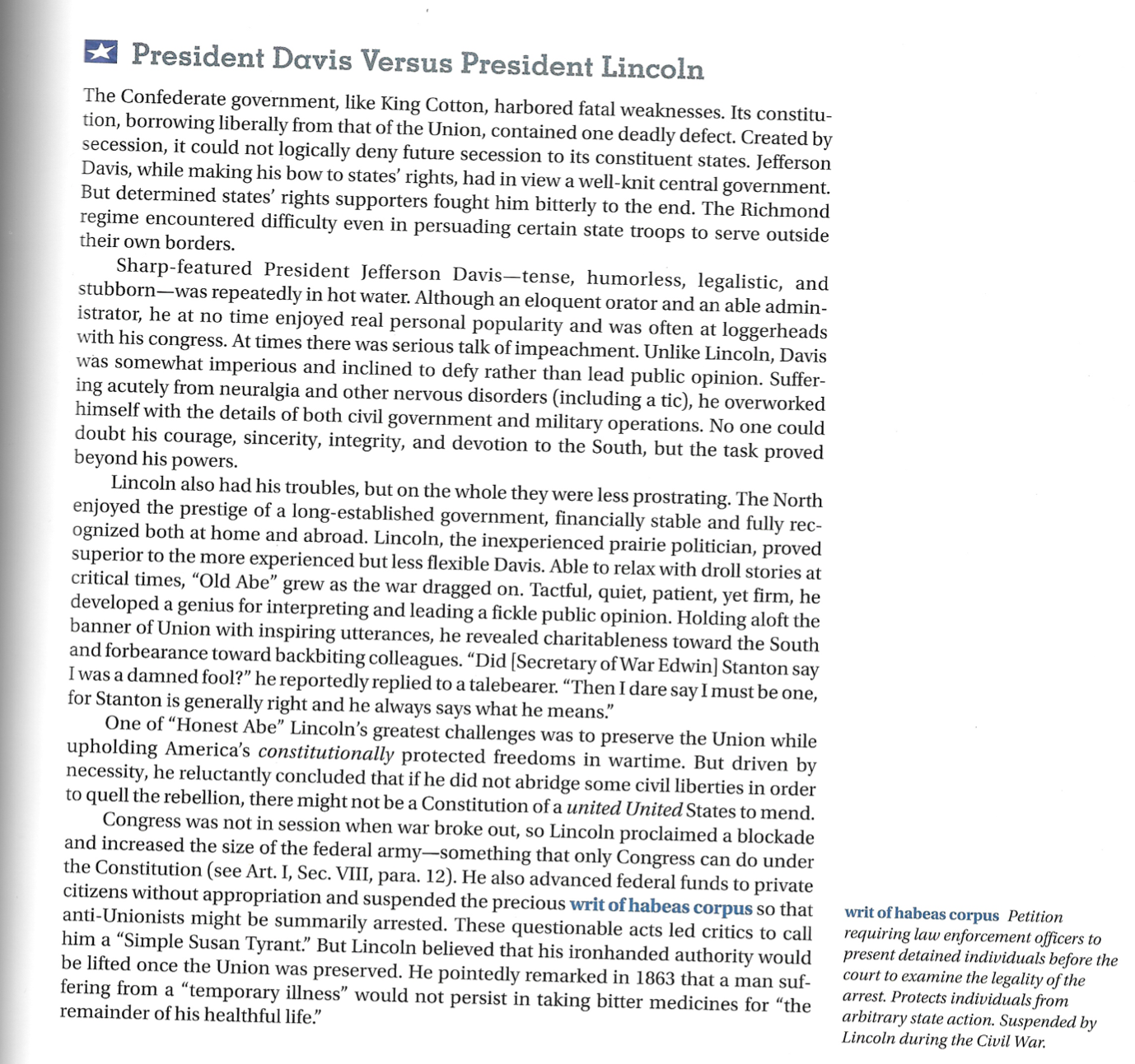
Abraham Lincoln was able to overcome his political problems more readily than Jefferson Davis because he
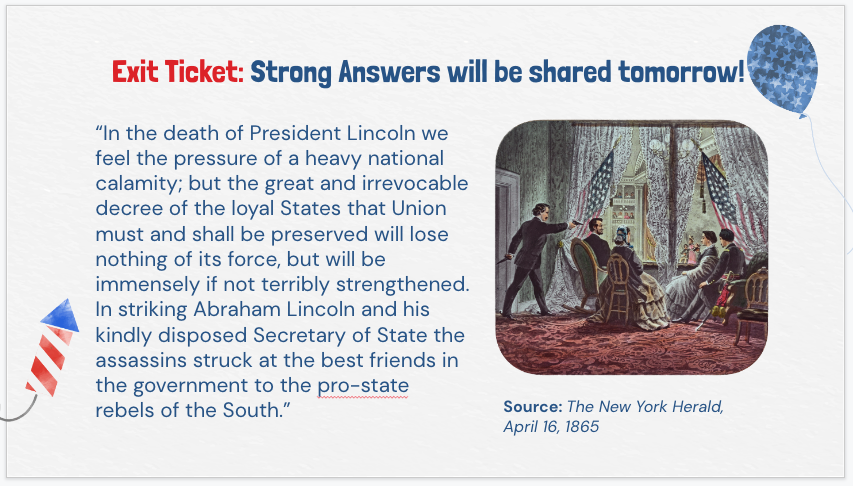
Exit Ticket: What does the New York Herald mean when it says, "In striking Abraham Lincoln and his kindly disposed Secretary of State the assassins struck at the best friends in the government to the pro-state rebels of the South"?
Explain the implication about Lincoln's relationship with the South behind this line in your own words.
Exit Ticket: Please evaluate how well you understood today’s lesson on a scale from 1 to 4: