Ɛhia
1
The Reconstruction era refers to the period
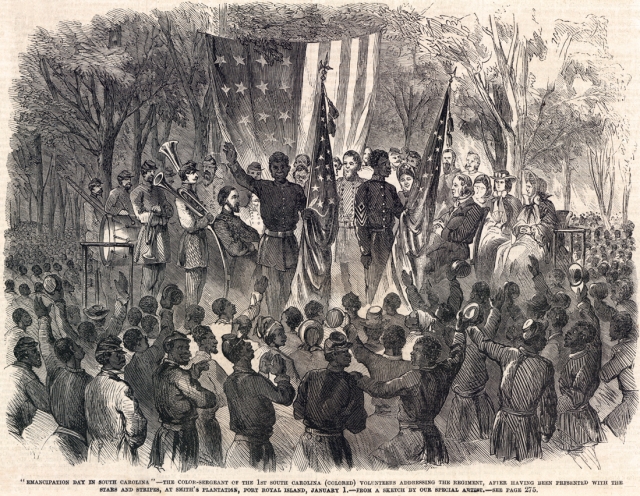
After the war, formerly enslaved African Americans responded to freedom in different ways. After celebrating the end of the war and their new freedom, most tried to
Content Objective: I will be able to identify at least 2 successes of the Reconstruction period.
Standard Objective: I will be able to draw reasonable inferences and logical conclusions from text.
Absent? Just want to review the slides? Click here.
Content Objective: I will be able to identify at least 2 successes of the Reconstruction period.
Standard Objective: I will be able to draw reasonable inferences and logical conclusions from text.
Absent? Just want to review the slides? Click here.
Warm Up: Please rate how well you understood last night's pre-work on a scale from 1 to 4. If you have any questions, drop them in the "Show Your Work" area
Warm Up: What was your experience like growing up with Barack Obama as the first Black President? Explain.
The Reconstruction era refers to the period
After the war, formerly enslaved African Americans responded to freedom in different ways. After celebrating the end of the war and their new freedom, most tried to
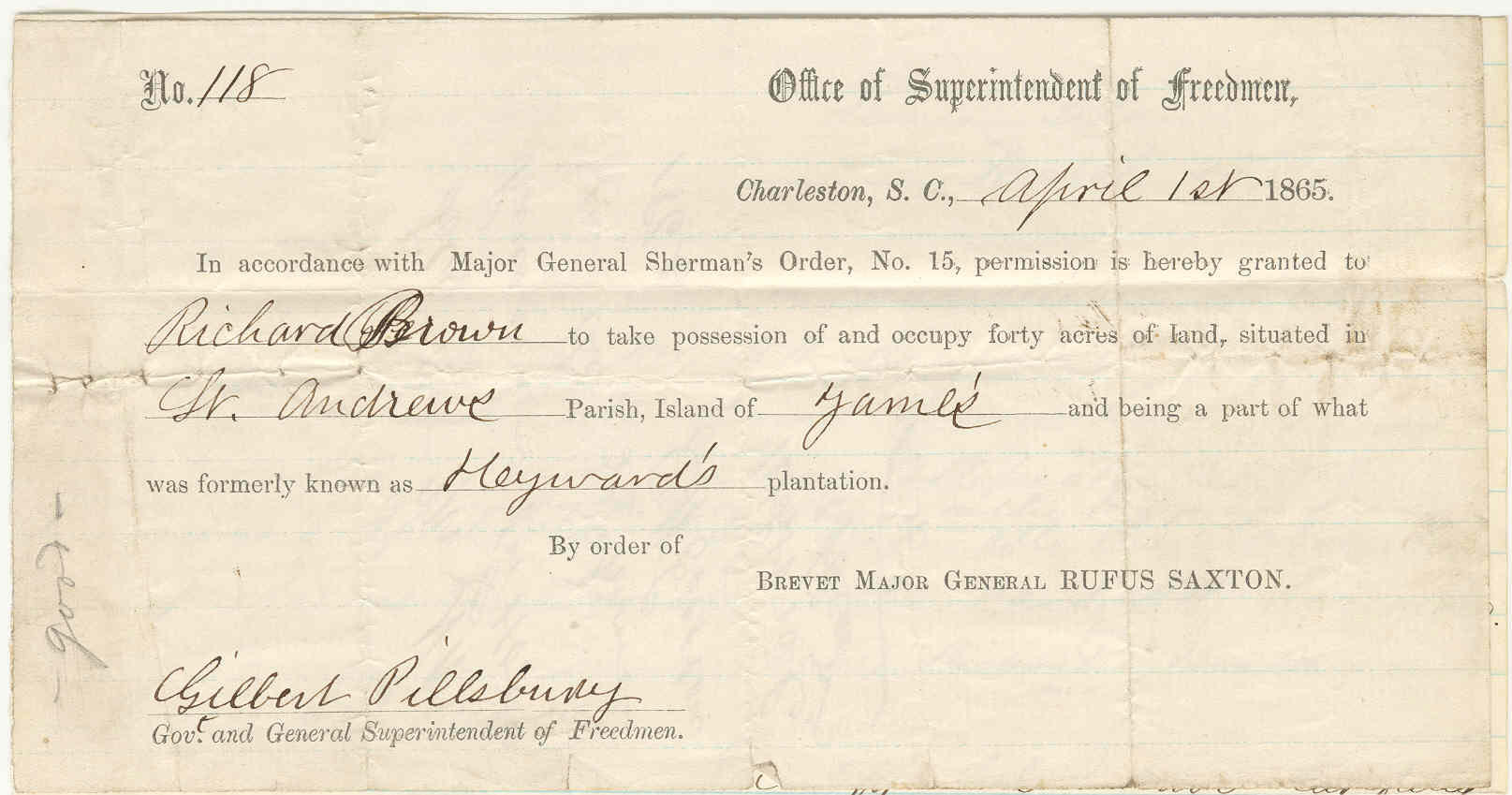
Although formerly enslaved African Americans were
For about 10 years after the Civil War, the federal government provided
Guided Viewing: Who was Senator Hiram Revels?
Guided Viewing: Why do you think it is important for newly freed African Americans to be able to serve in public office?
Please match each key term to the corresponding description.
If you get stuck, ask your table group but avoid searching to the Google to promote teamwork and collaboration as you prepare for next week's SAQ together!
| Draggable item | arrow_right_alt | Corresponding Item |
|---|---|---|
14th Amendment | arrow_right_alt | Bans slavery everywhere in the U.S. |
Emancipation Proclamation | arrow_right_alt | Grants citizenship and equal protection of laws to all U.S. citizens |
13th Amendment | arrow_right_alt | Grants suffrage [the right to vote] to all U.S. citizens regardless of race, color, or previous condition of servitude |
15th Amendment | arrow_right_alt | Bans slavery in the Confederacy |
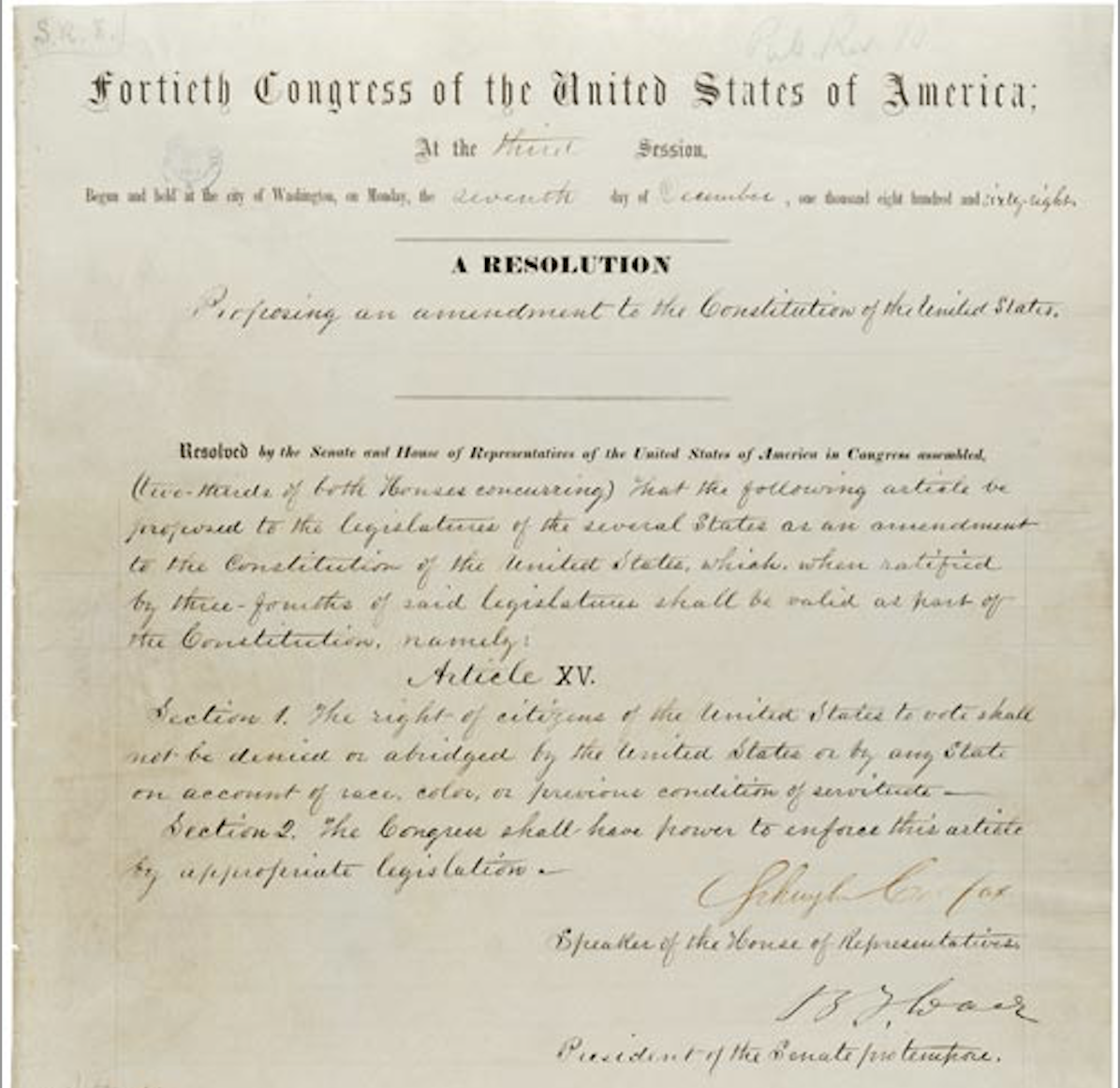
What is missing from the amendment that grants the right to vote? In other words, who still cannot vote at this point (1877) in U.S. History? Explain.
Literacy Tests emerged in the period of time right after the Civil War known as the
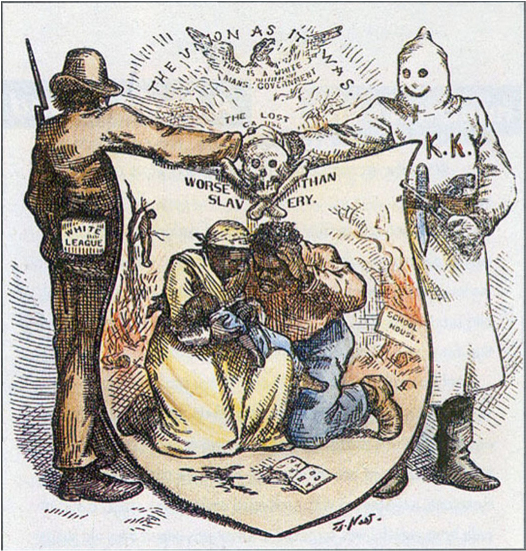
Although the
By 1900,
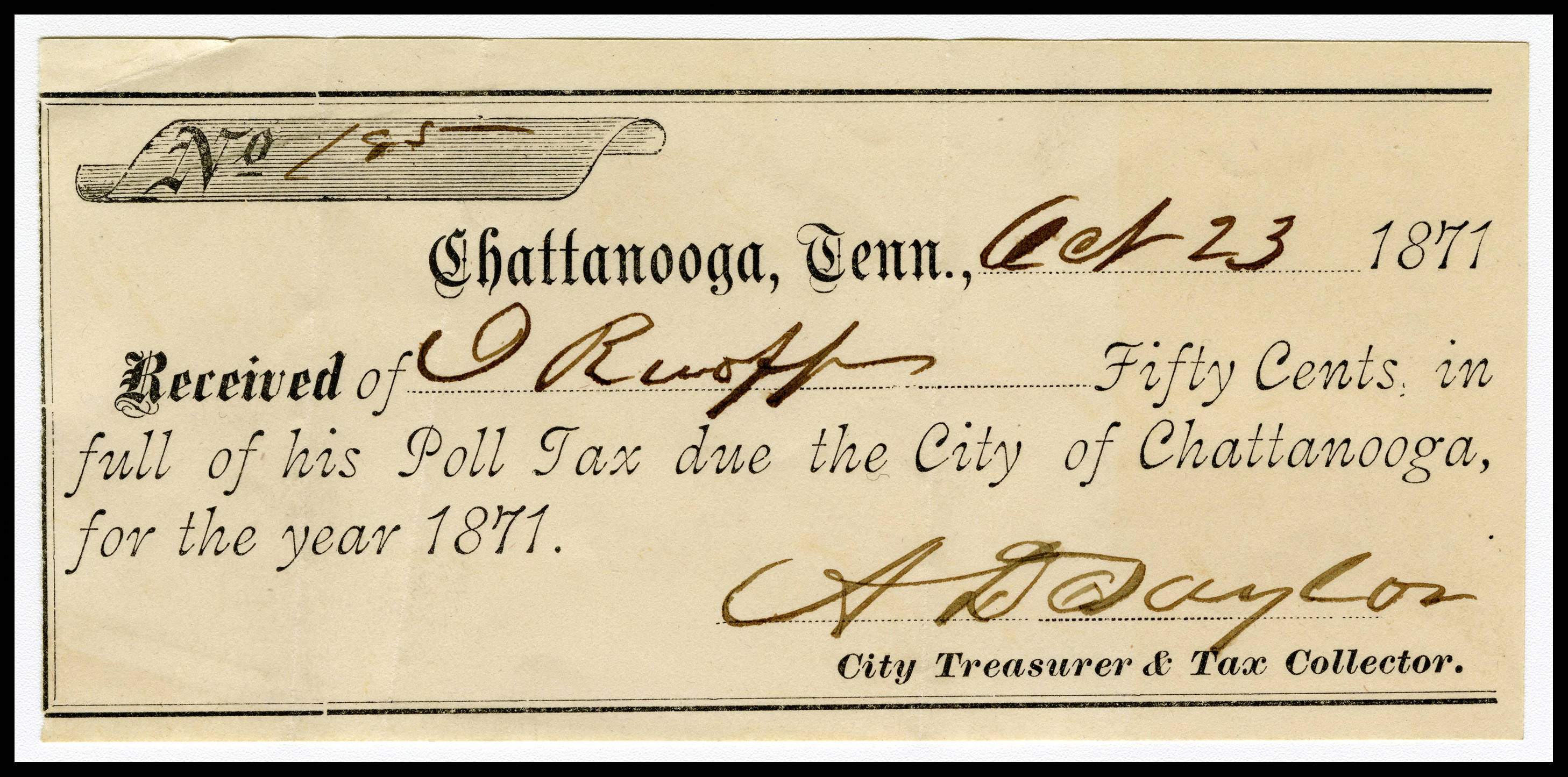
Some legislatures passed a
Wouldn’t these practices exclude the
Exit Ticket: Identify one historical development or event that supports the idea that the Reconstruction era (1865-1877) was a success.
Be sure to support your answer with a specific historical key term (event, person, or concept). [Challenge yourself by avoiding obvious answers like emancipation or the reunification of the Union!]
Exit Ticket: Identify one historical development or event that supports the idea that the Reconstruction era (1865-1877) was a failure.
Be sure to support your answer with a specific historical key term (event, person, or concept).
Exit Ticket: Please evaluate how well you understood today’s lesson on a scale from 1 to 4: