Unit 4.4 Classwork: Rudyard Kipling's "The White Man's Burden"
star
star
star
star
star
Last updated about 2 years ago
9 Nsɛmmisa
Hyɛ no nsow a efi ɔkyerɛwfo no hɔ:

Ɛhia
3
0
Content Objective: I will be able to explain American imperialism in my own words.
Standard Objective: I will be able to draw reasonable inferences from a text.
Absent? Just want to review the slides? Click here!
Content Objective: I will be able to explain American imperialism in my own words.
Standard Objective: I will be able to draw reasonable inferences from a text.
Absent? Just want to review the slides? Click here!
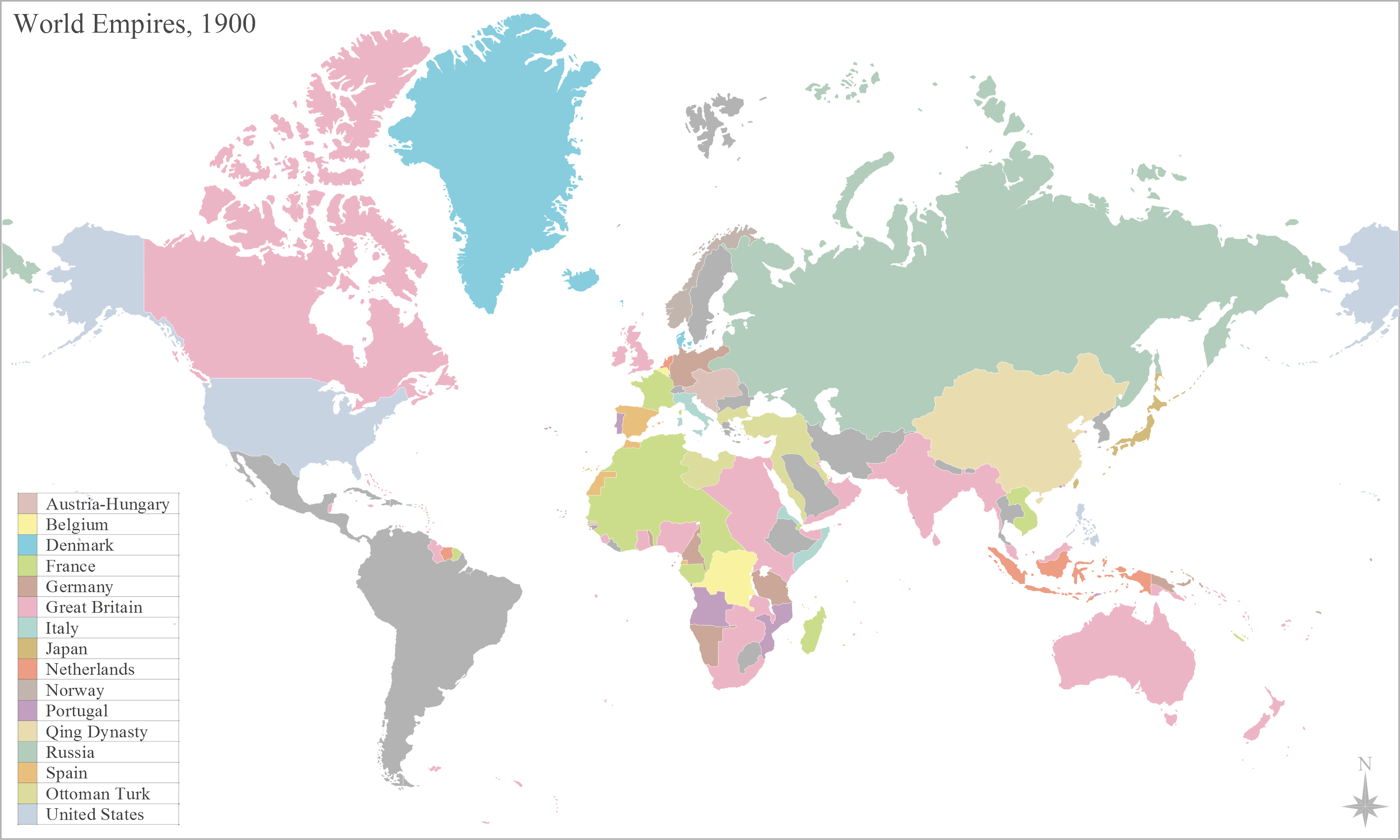
Between 1870 and 1890, the
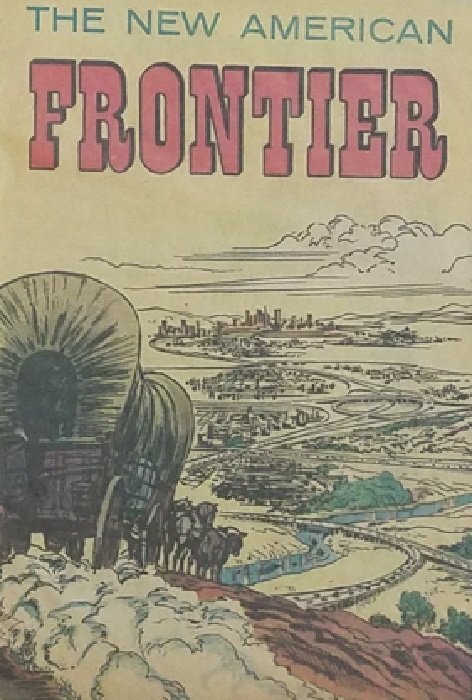
Markets were particularly important for the United States, which had emerged as the world's
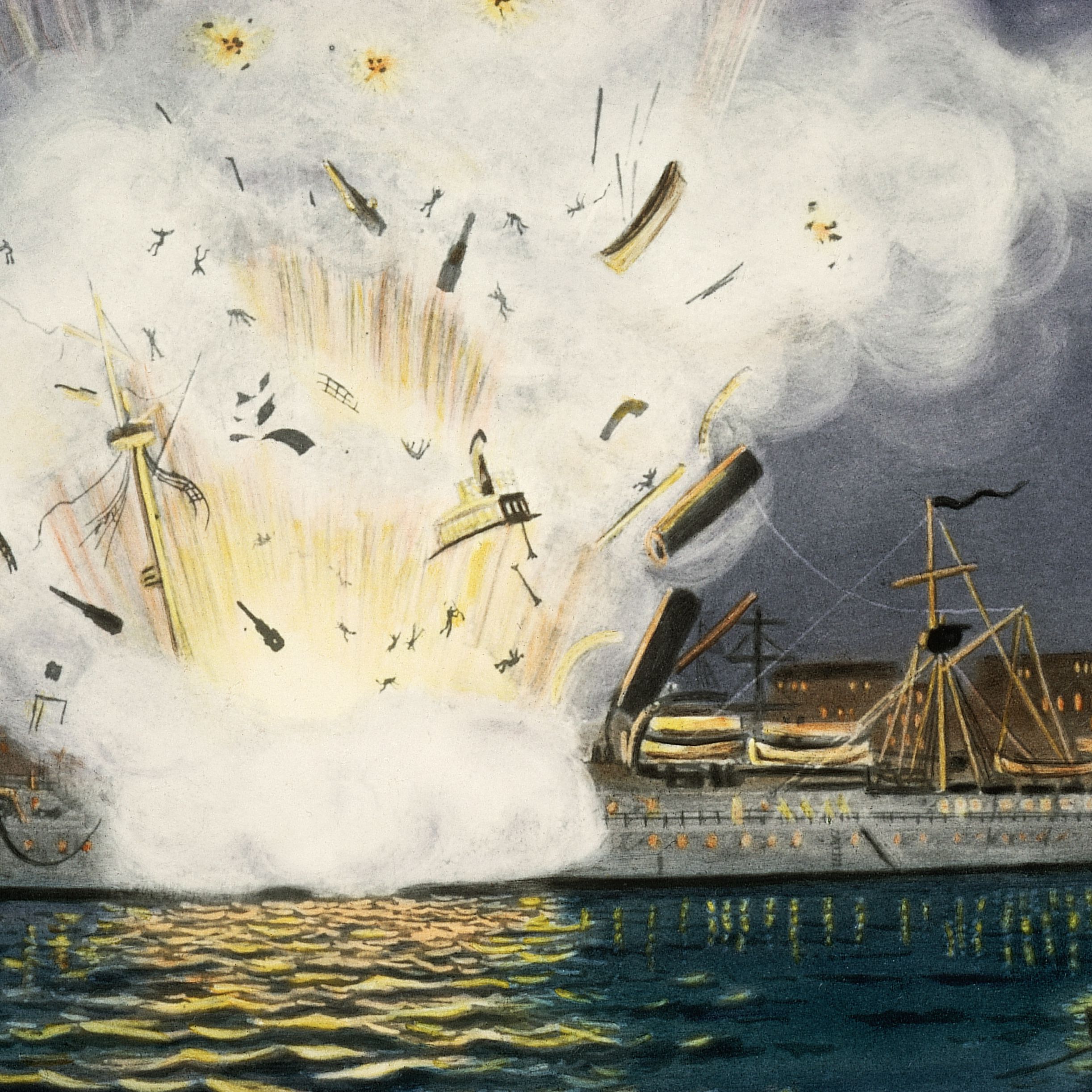
While the United States was considering its fate now that relentless expansion west was no longer possible, Cuban rebels were attempting to overthrow
Take up the White Man’s burden
Send forth the best ye breed
Go bind your sons to exile
To serve your captives’ need;
To wait in heavy harness,
On fluttered folk and wild
Your new-caught, sullen peoples,
Half-devil and half-child.
According to the poet, the “burden” that the White man must take on is
Take up the White Man’s burden
The savage wars of peace
Fill full the mouth of Famine
And bid the sickness cease;
And when your goal is nearest,
the end for others sought
Watch sloth and heathen Folly
Bring all your hopes to nought.
As stated in the poem, what are two positive things that the White man will do for the natives? (Select TWO)
Take up the White Man’s burden
And reap his old reward:
The blame of those ye better,
The hate of those ye guard
Take up the White Man’s burden
Have done with childish days
Comes now, to search your manhood
Through all the thankless years
Cold, edged with dear-bought wisdom,
The judgment of your peers!
Will the natives be grateful towards the White man? Explain why or why not under "Show Your Work."
Exit Ticket: How is Kipling’s perspective about American imperialism portrayed in this political cartoon? Your answer should include two connections between the cartoon and the poem.
Sentence-Starters:
Kipling's perspective about American imperialism is...
In the poem, Kipling writes, "QUOTE" (Kipling, 1899).
This idea is reflected in the political cartoon where... [DESCRIBE A DETAIL FROM THE IMAGE]
Furthermore, Kipling suggests... [PARAPHRASE IDEA FROM POEM]
Similarly, the political cartoon depicts [DESCRIBE A SECOND DETAIL]
Exit Ticket: Please evaluate how well you understood today’s lesson on a scale from 1 to 4:
What rewards does Kipling suggest that the “white man” gets for carrying this “burden”?