Log in
Sign up for FREE
arrow_back
Library

Biology - Cell Biology 3 - Quiz

star
star
star
star
star
Last updated 8 months ago
11 questions
7
11
13
1
2
1
6
1
2
2
1
Question 1
1.
Phases of the Cell Cycle - Arrange the Phases in order, starting with the first part of interphase
_______
______
______________________
_____________
______________________
_____________
______________
Other Answer Choices:
G1
Telophase
G2
Prophase
Anaphase
S
Metaphase
Question 2
2.

Question 3
3.

Question 4
4.

Human gametes have _____ chromosomes

Question 5
5.
If an organism has 32 chromosomes, its body cells would have _______ chromosomes and its gametes would have _______ chromosomes.
Question 6
6.

Homologous chromosomes are chromosomes that have genes that code for the same things on them.

Question 7
7.
Drag the vocab word to the correct part of the diagram.
Other Answer Choices:
cell
centrioles
homologous chromosomes
nuclear envelope
crossing over (process)
spindle
Question 8
8.

Homologous chromosomes are held together by a

Question 9
9.

Check all the reasons MITOSIS is important

Question 10
10.

Check all the reasons MEIOSIS is important

Question 11
11.

When checkpoints fail to regulate the cell cycle, organisms develop

Drag the pictures and statements to the correct phase of mitosis
Cytokinesis begins, two daughter cells form
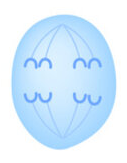
DNA makes a copy, prepares for division
Chromosomes line up along the equator
Cell does normal growth and activities
Sister chromatids separate
Nuclear membrane dissolves, spindle forms
Prophase
Metaphase
Anaphase
Telophase
Interphase
Drag the statement to meiosis, mitosis, or it could be in both
Occurs in plants and animals
Creates 4 cells
Crossing over occurs
Creates new cells
Daughter cells are diploid
Creates 2 cells
Daughter cells are identical to parent cell
Daughter cells are haploid
Daughter cells are different from parent cell
Cells undergo DNA replication before starting
Creates body cells
Has two rounds of cell division
Creates gametes
Meiosis
Mitosis
genetic diversity
cell reproduction
it produces haploid cells for organism reproduction
genetic diversity
cell reproduction
it produces haploid cells for organism reproduction