
The material for this topic is on CK12. Click the link below and:
Read the article
Watch the videos
Complete the Practice
Hit the TURN IN button on CK12 ONLY

What are the two main ideas in Darwin's theory?
What is natural selection?
What is a species?
What did Darwin notice about the plants and animals on the different islands in the Galapagos?
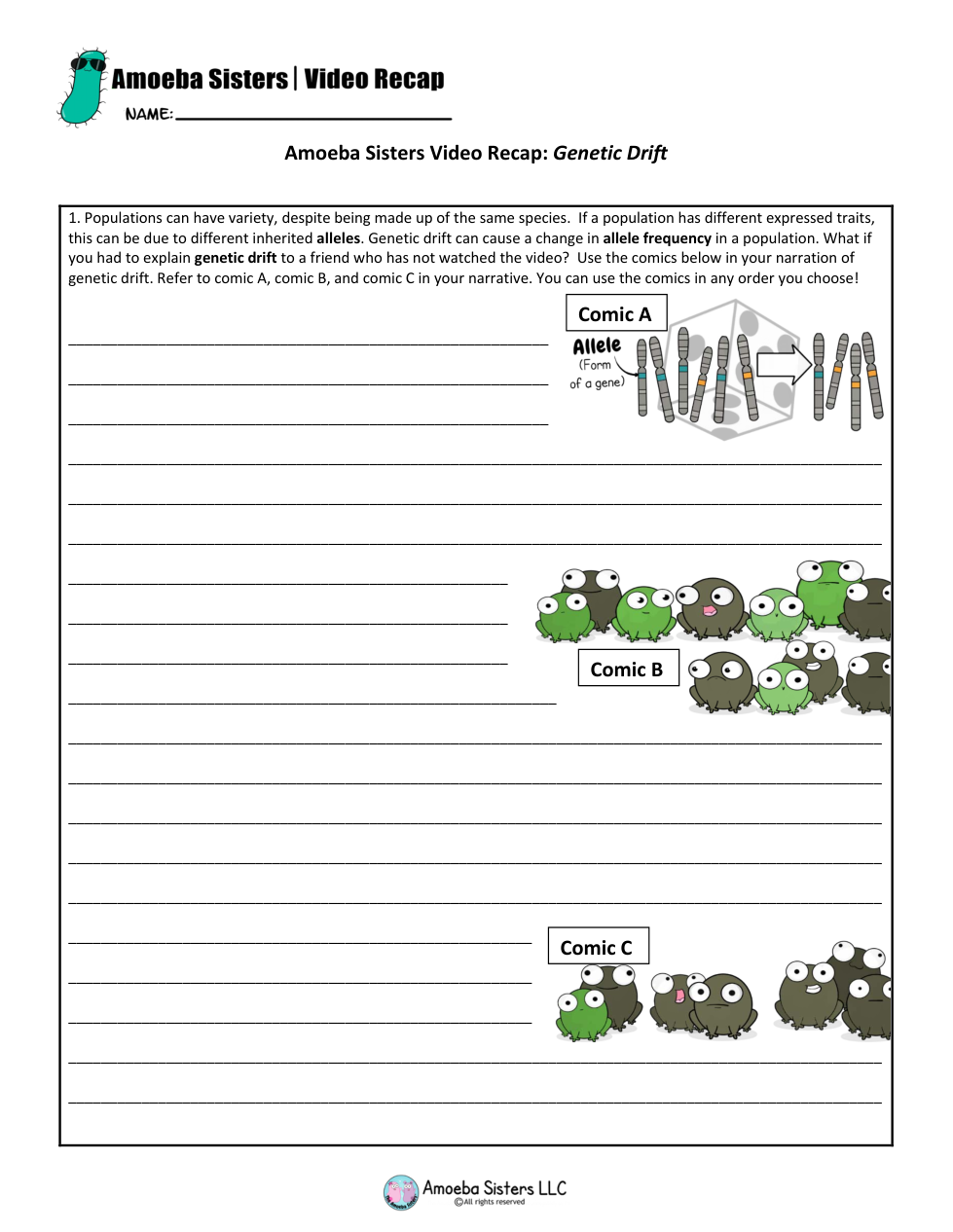
What is the name of the effect?
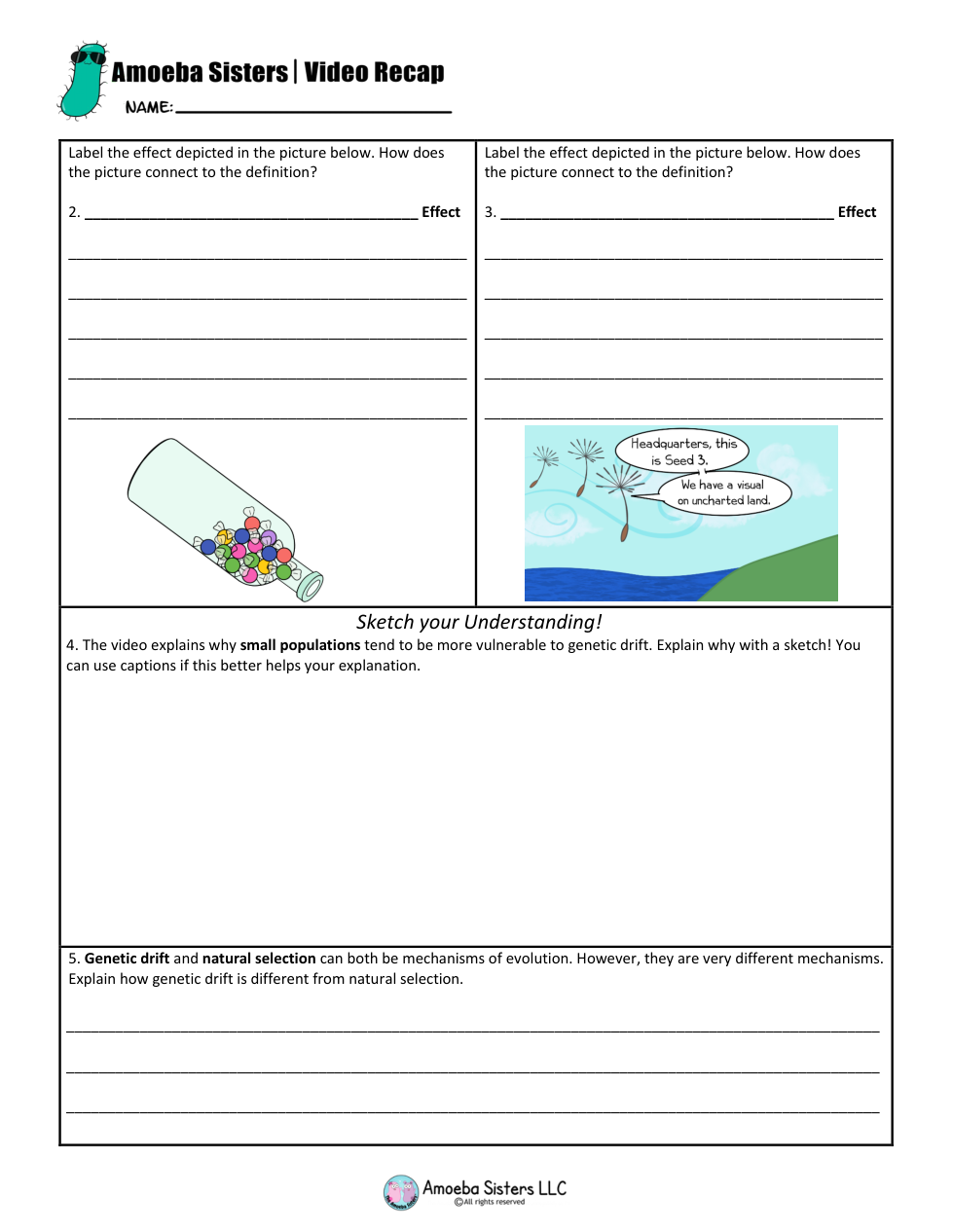
How does the picture connect?
What is the name of the effect?
The material for this topic is on CK12 Click the link below and:
Read the article
Watch the videos
Complete the Practice
Hit the TURN IN button on CK12 ONLY
How do fossils provide evidence of evolution?
What are the four major categories of evidence for evolution from living species?
What are the two categories of comparative anatomy? (Explain what each means and how they show evidence of evolution)
What is comparative embryology? How does it show evidence of evolution?
What are vestigial structures? How do they show evidence of evolution?
How does comparing DNA show evidence of evolution?
What are the two key points of Darwin's Theory of Evolution?
True or False: “Mutations are caused by selective pressure in the environment.”
True or False: “The same mutation could be advantageous in some environments but deleterious in others.”
True or False: “The appearance of dark-colored volcanic rock caused the mutation for black fur to appear in the rock pocket mouse population.”
Explain how the environment plays a role in changing the frequency of a mutant allele in a population.
Which of the following is an example of an adaptation?
Which of the following is an example of the bottleneck effect?
Which of the following is an example of the founder effect?
Categorize each item, you might use some answers more than once.
Leads to evolution
Completely random
Can lead to a change in allele frequency
Caused by environmental pressure
A hurricane wipes out the beach plants that have shallow roots, but the ones with deep roots survive
Some seeds have a mutation that makes them more sticky, so they are able to stay on pollinators longer
A hurricane wipes out half the beach rose plants on a beach
Some seeds blow on the wind and end up on a new island
Natural Selection
Genetic Drift
Individual organisms evolve.
In evolution, what does 'fittest' mean?
Do the fittest organisms always live the longest in evolution?
Which of these is a main reason why reproduction is an important step for evolution?
The change in populations over time.
A priest who served as a naturalist on the H.M.S. Beagle. Formed Theory of Evolution by Natural Selection.
A body structure in a present day organism that no longer serves its original purpose
A mechanism for change in populations where an organism with a favorable trait survives, reproduces, and pass the favorable phenotype to the next generation. Organisms without the favorable phenotype are less likley to survive and reproduce.
Body parts that do not have a commom evolutionary origin but are similar in function
Evidence of Evolution.......
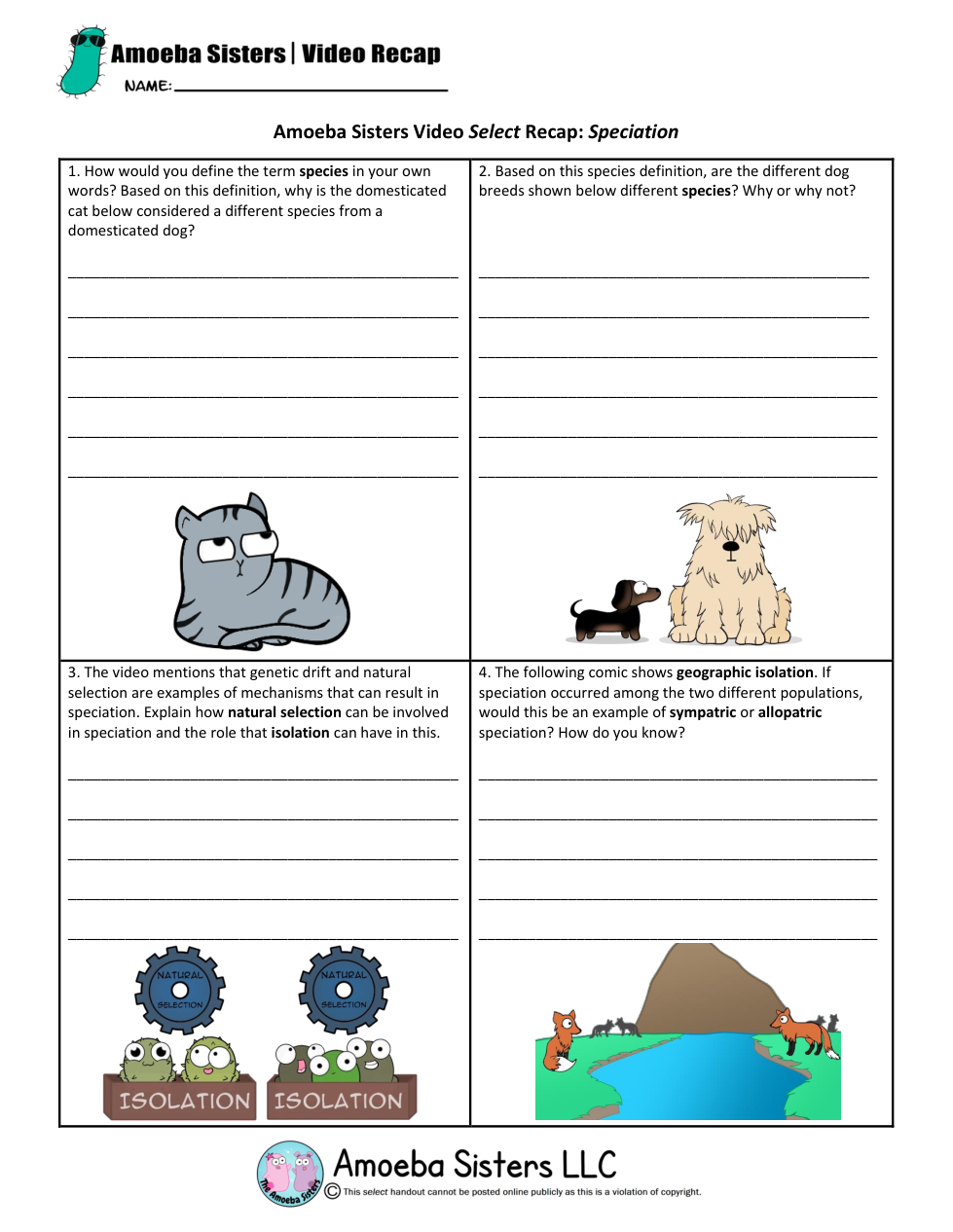
Speciation can occur when a physical barrier divides a population.
Structural features with a common evolutionary origin
What is the term for a feature that allows an organism to survive better in its enviroment?
The hind leg bones in a whale are examples of
What is the process in which humans breed organisms for certain traits?
When the DNA of an organism is altered it is referred to as...
Which of the following is not an example of natural selection?
Two organisms that are closley related would have
Why are advantageous traits more likley to be passed onto offspring?
The ability of an organism to survive and reproduce in its specific enviroment
What happens in allopatric speciation?
Which of the following is an example sympatric speciation?
Which of the following describes geographic isolation?
Match the term to the definition
| Draggable item | arrow_right_alt | Corresponding Item |
|---|---|---|
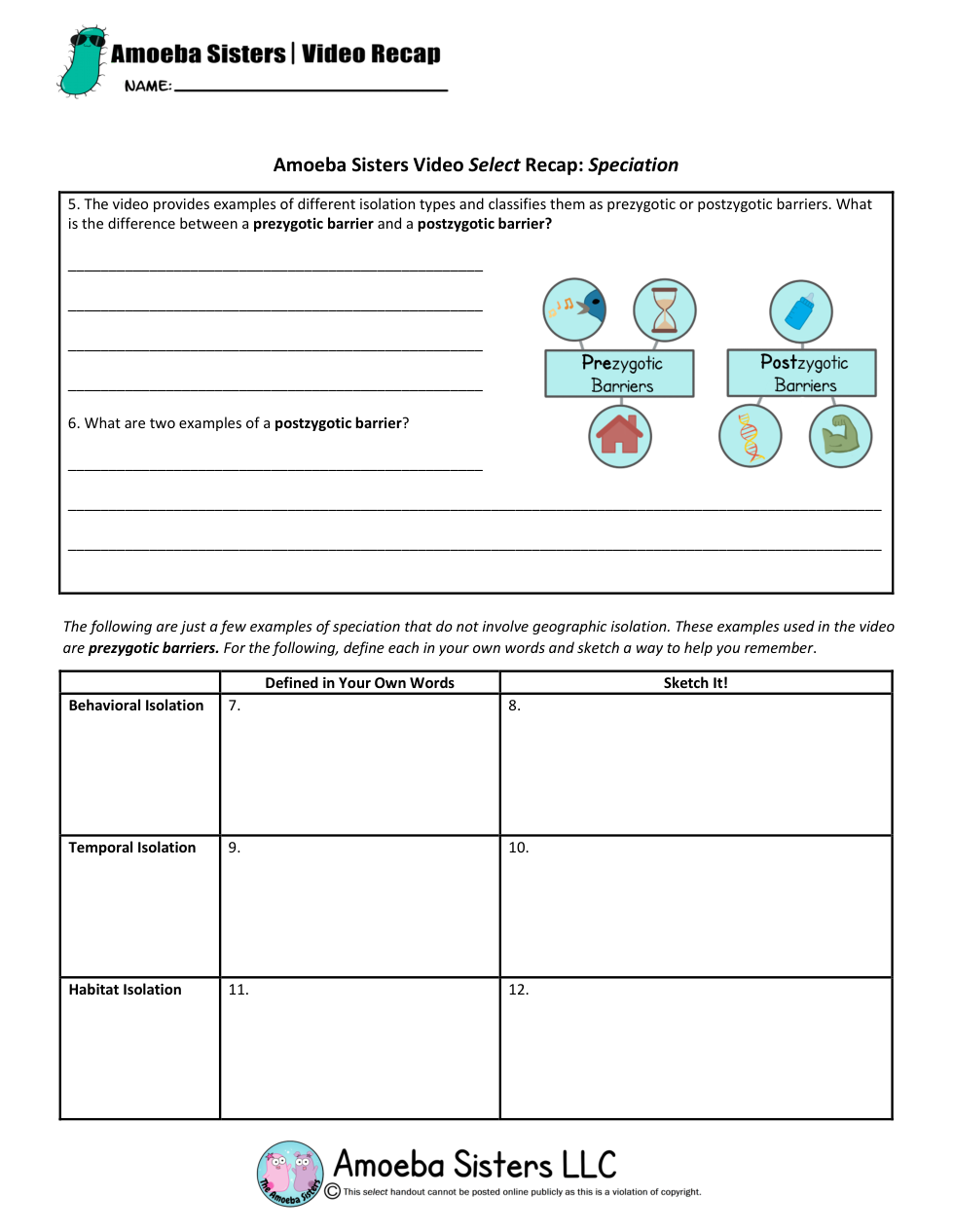
postzygotic barriers | arrow_right_alt | single-cell fertilized egg |
prezygotic barriers | arrow_right_alt | multicellular early stage of development (pre-birth) |
zygote | arrow_right_alt | prevent organisms from mating and producing a fertilized egg |
embryo | arrow_right_alt | prevent fertilized eggs from becoming fertile offspring that survive and reproduce |
Temporal isolation
Habitat isolation
Behavioral isolation
Geographic isolation
Infertile offspring
Weak/short-lived offspring
Embryo cannot develop
Prezygotic Barrier
Postzygotic Barrier
How does the picture connect?
Looking for ONE key difference!