𝘋𝘪𝘳𝘦𝘤𝘵𝘪𝘰𝘯𝘴: 𝘗𝘶𝘵 𝘵𝘩𝘦 𝘦𝘷𝘦𝘯𝘵𝘴 𝘪𝘯 𝘰𝘳𝘥𝘦𝘳 𝘣𝘺 𝘥𝘳𝘢𝘨𝘨𝘪𝘯𝘨 𝘵𝘩𝘦𝘮 𝘵𝘰 𝘵𝘩𝘦𝘪𝘳 𝘯𝘶𝘮𝘣𝘦𝘳 (1-7)
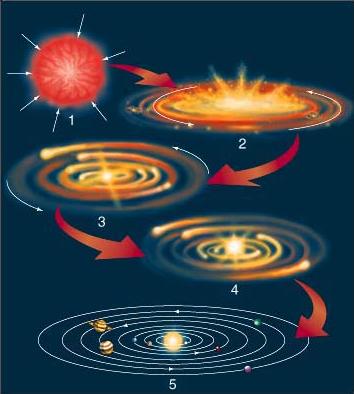
In the outer regions of the cloud, icy matter and gas formed the giant gas planets.

Near the center of the cloud, clumps formed the inner rocky planets.

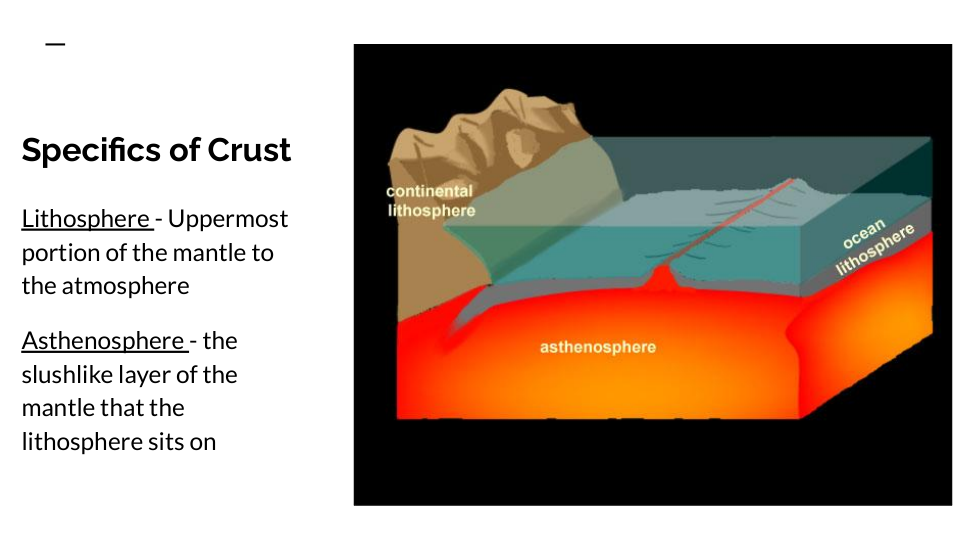
1. An explosion of a supernova led to a gravitational collapse of a dense cloud of gas and dust.
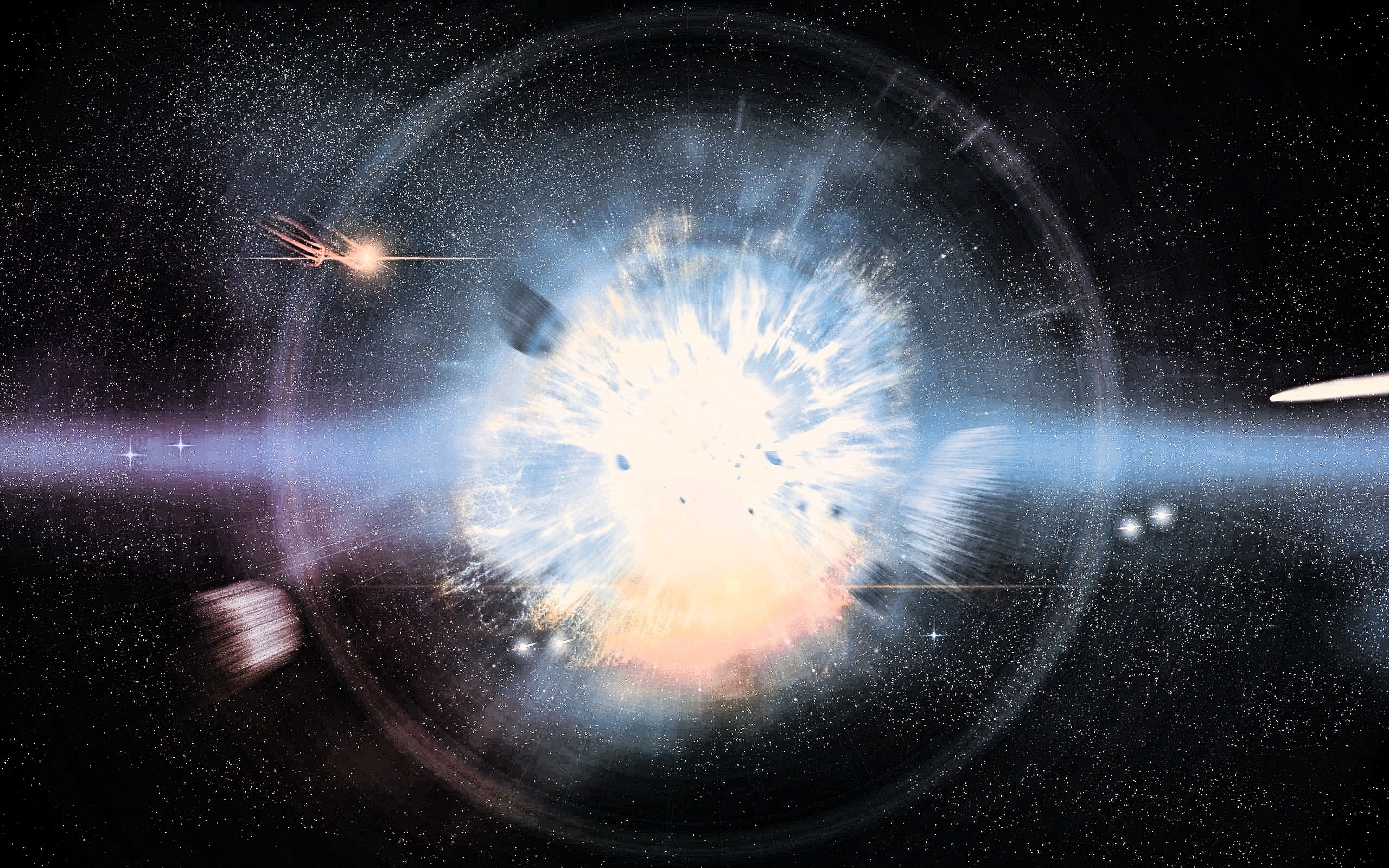
The spinning cloud flattened like a disk and spread.
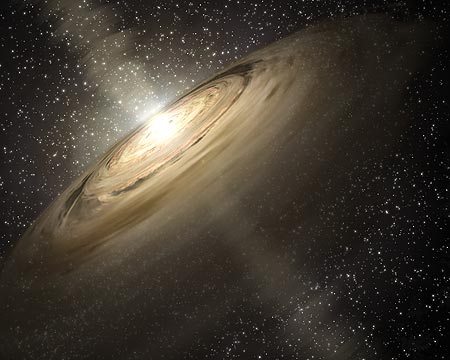
Gravity caused the cloud of gas and dust to spin.

The cloud of gas and dust grew hot and created the Sun.

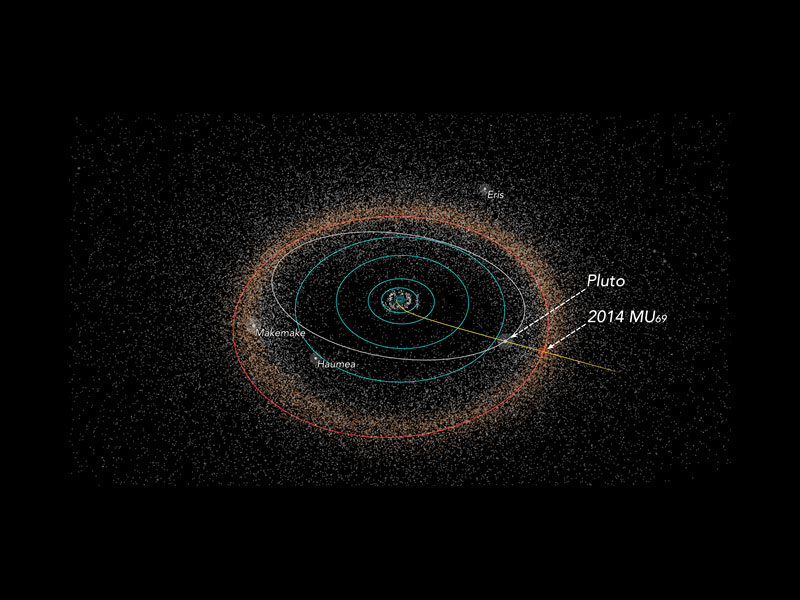
Leftover debris formed asteroids, comets, and dwarf planets, like Pluto.
1
2
3
4
5
6
7

This theory of the formation of the moon describes how a large body known as "Theia" impacted the early Earth causing a parts to be absorbed and parts to be thrown into orbit creating the moon.

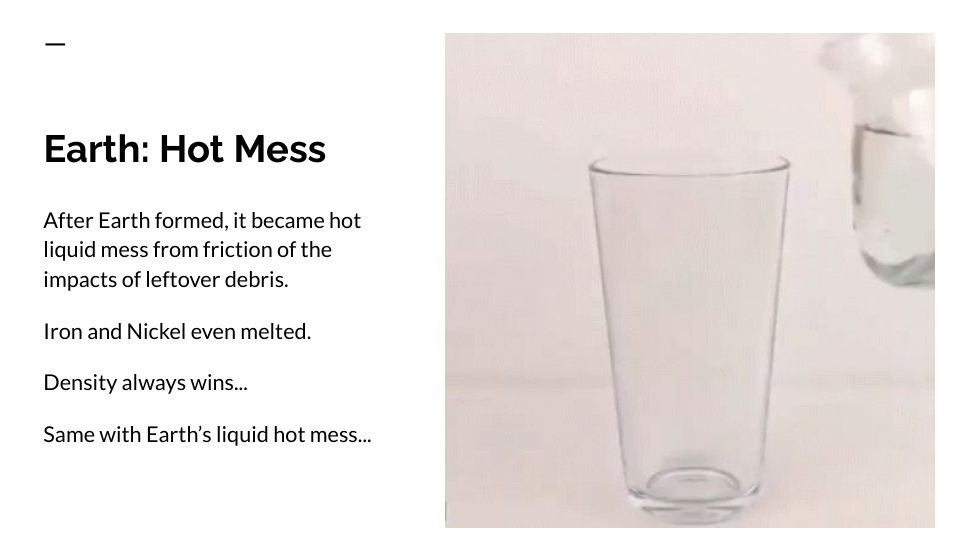
Put the items in order of:
most dense (at the bottom) to
least dense (at the top).
grape
bottle cap
nut
styrofoam peanut


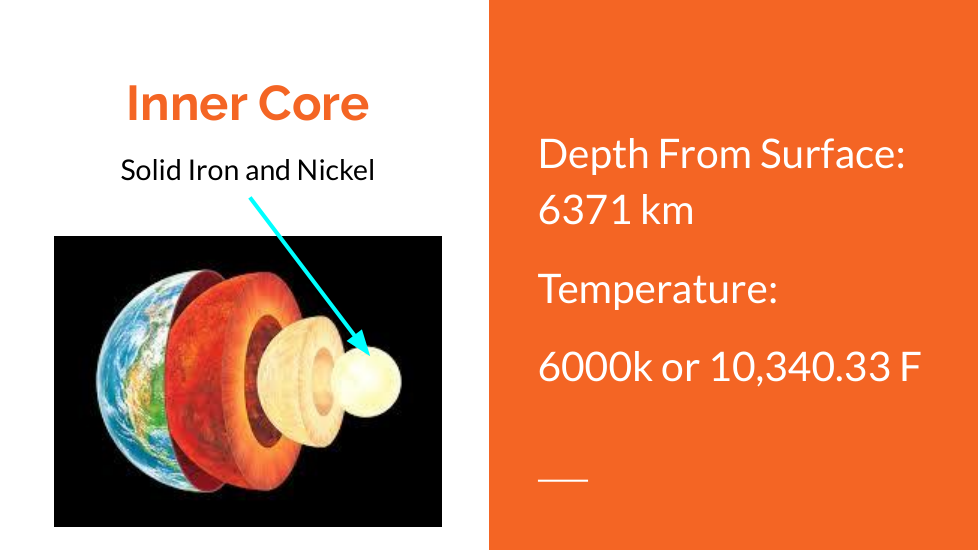
INNER CORE: Solid or Liquid?

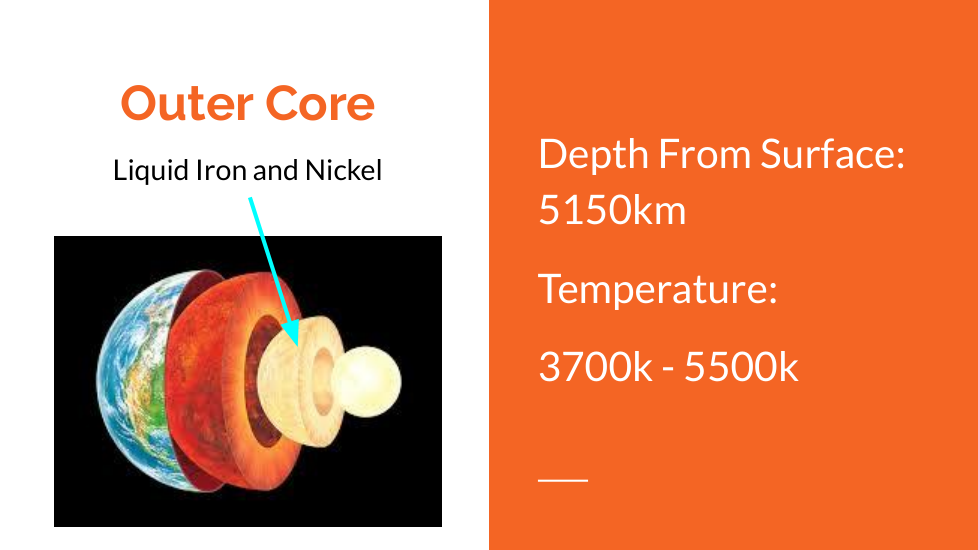
OUTER CORE: Solid or liquid?

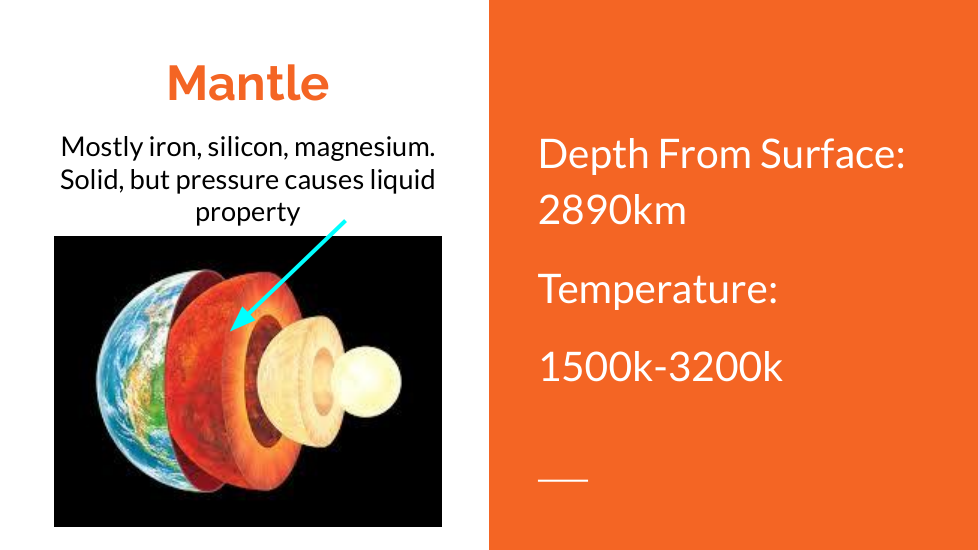
Humans can travel around and through the mantle.


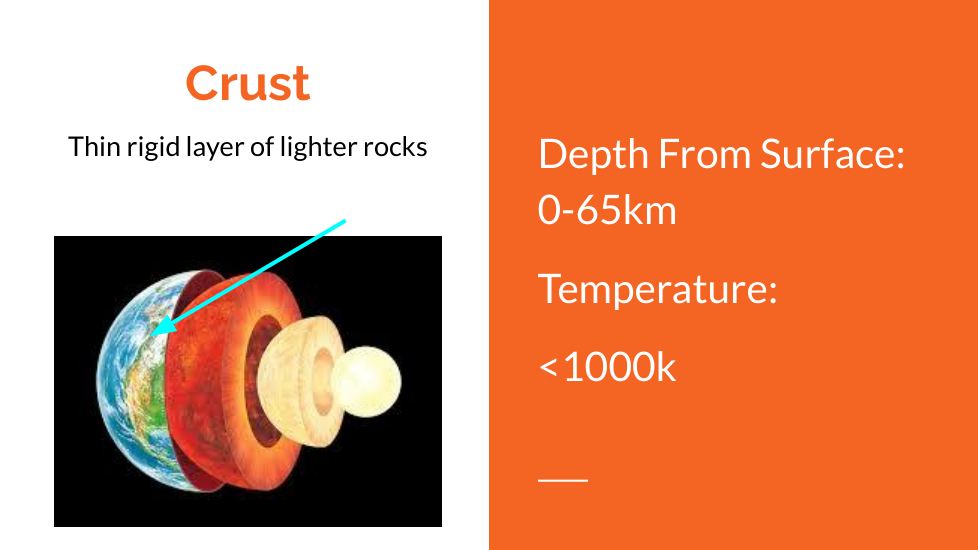
If the Earth were an apple, what part would the crust be?

Asthenosphere affects your daily life, because it is what the tectonic plates sit upon.
How does this directly affect your experience on our planet?
The Earth is in the shape of a(n) _______________________
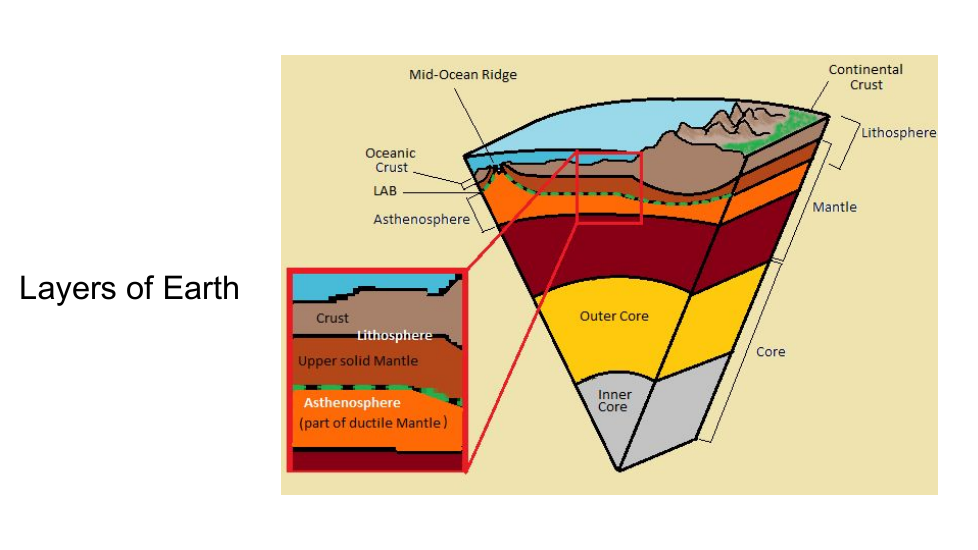
Put the layers of the Earth in order.
(As if you were drilling to the center, so from the surface to the middle of the Earth)
Outer Core
Continential Crust (less dense crust)
Lithosphere (less dense mantle)
Asthenosphere (more dense mantle)
Oceanic Crust (more dense crust)
Inner Core
We rely on the Lithosphere the most out of all the Earth's layers. Ex For food, minerals, materials, etc.