
1
1
1
1
1
1
1
1
1
1
1
1
1
1
1
1
1
1
1
1
2
2
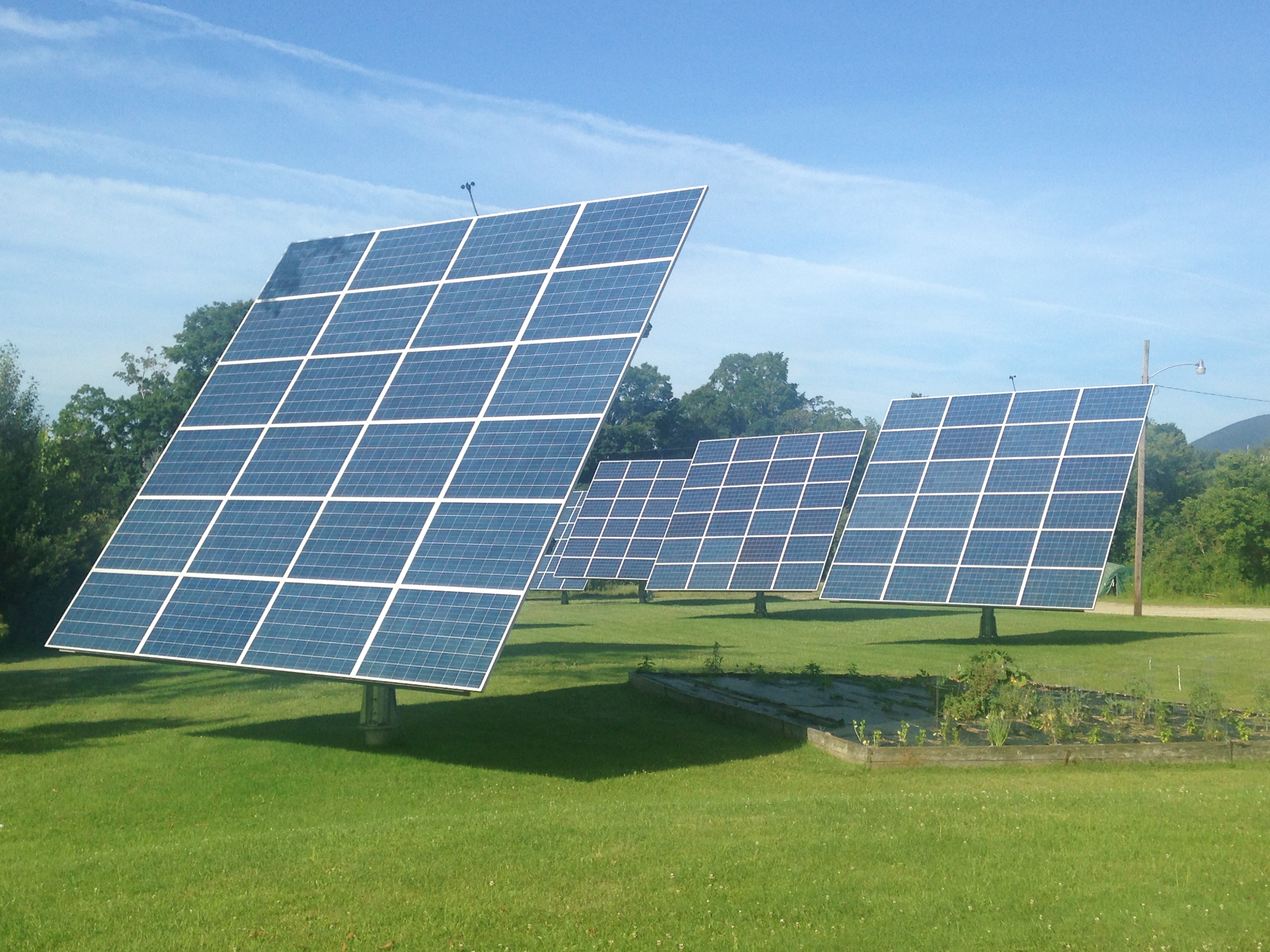
Solar panels convert sunlight into ________ energy.
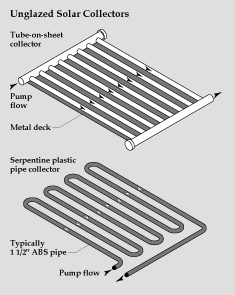
Solar collectors convert sunlight into _______ energy.
The main component of a solar panel is the ________.
The sun radiates more energy in one day than the world can use in a year.
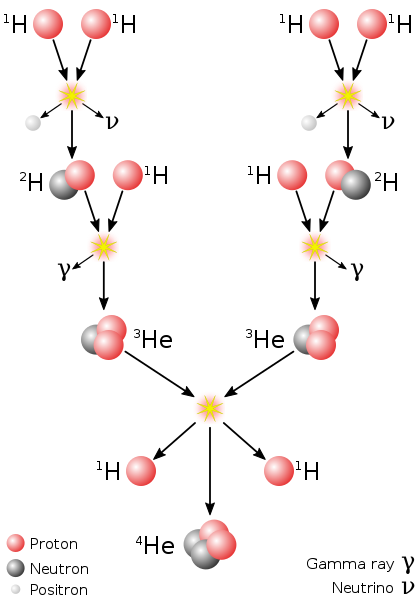
The sun is a star made up mostly of hydrogen and helium gas. It produces radiant energy in a process called nuclear fusion.

Harnessing radiant energy from the sun is difficult because the energy that reaches the Earth is very spread out.
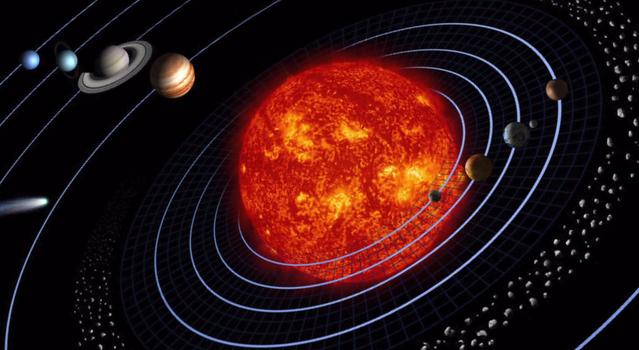
Only a small part of the solar energy radiated ever reaches the Earth.
It takes the sun’s energy just over 8 minutes to travel 93 million miles to the Earth.
Solar energy is a renewable energy source.
Solar energy is used to heat passive solar buildings and water.
The amount of solar energy reaching an area depends on the time of day, season of the year, cloud coverage, and geographic location.
Solar water heaters can reduce energy bills by half when installed.
A solar collector can be used to capture sunlight and change it into usable heat energy for the radiators/hot water tank.
An active solar home in the Northern Hemisphere uses special equipment on the south side of the building to absorb sunlight and change it into thermal energy. Air or water flows through the collector and is warmed by the energy inside.
Passive solar homes do not depend on mechanical equipment to transform radiant energy into thermal energy.
Photovoltaic cells can convert radiant energy from the sun directly into electricity.
Concentrated solar power technology uses reflective mirrors to focus solar energy, producing high temperatures and generating electricity.
Photovoltaic—or PV—systems have a long payback period because of their initial cost.
PV cells are used to power homes, roadside telephones, calculators, and toys, and work well for items in remote locations.
Crystalline silicon PV cells convert only about 16 percent of the energy they receive into electricity.
Electricity from PV cells has a cost range of $0.12-0.30/kWh. The average cost of electricity (generated mostly from fossil fuels) in the U.S. today is about $0.13 cents/kWh.
Large solar systems can take up a large amount of land or can be placed on large, flat roofs (but not everyone has).
Solar energy does not pollute the air.
In your own words, what are 2 PROS of solar energy?
In your own words, what are 2 CONS of solar energy?