Tuesday 1/24 TES 2.3
star
star
star
star
star
Last updated about 1 month ago
21 Nsɛmmisa
Review
0
1
0
Phases of Water
1
1
1
1
1
1
TES Simulation / Task 1

0
0
Task 2
1
0
MM 2.3 Condensation Model
1
0
1
0
Use this chart to answer the questions below
Is there water in the air?
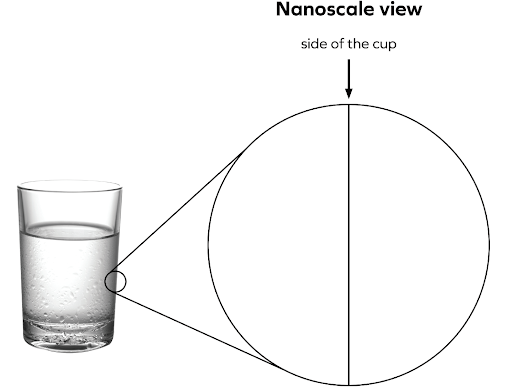
What We Did: We put ice in a cup of regular (room-temperature) water.
What We Saw: Small drops of water formed on the outside of the cup.
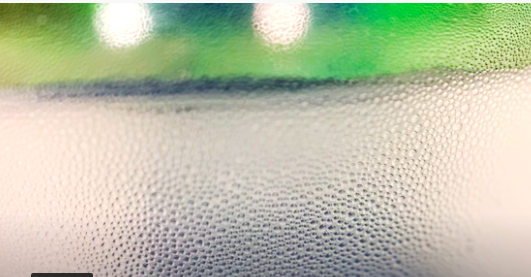
What did you learn about the temperature when water drops form on the outside of the cup?
Sentence starter: I learned water drops form when the temperature is ____________________
What We Did: We put an empty glass in the freezer.
What We Saw: The empty glass still had condensation in it when it came out of the freezer, even though it had no water inside it.
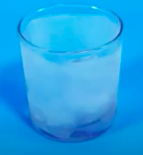
What did you learn about where (what part of the cup) does the water drops forming on the outside of the empty cup come from?
Sentence starter: I learned water drops come from ____________________
What We Did: We put a cup of ice water in a bag with no air and compared it to a cup of ice water surrounded by air.
What We Saw: The cup that wasn’t surrounded by air had much less condensation that the cup that was surrounded by air.
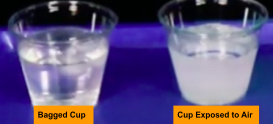
What did you learn about where the bigger water drops forming on the outside of the cup that was not in the bag came from?
Sentence starter: I learned water drops come from ____________________
What phase of matter is water vapor?
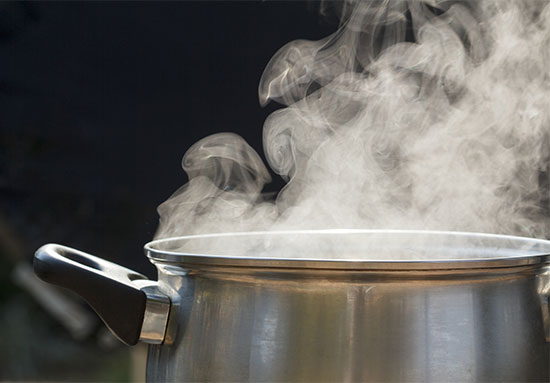
What do the molecules in water vapor look like?
What phase of matter is water?
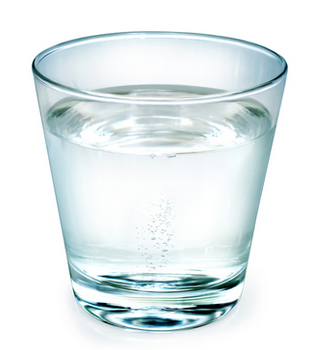
What do the molecules in liquid water look like?
How did the molecules move from water vapor (gas) to liquid water?
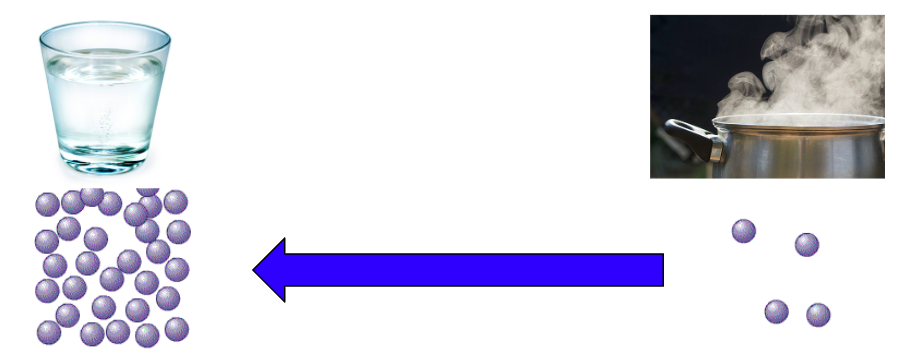
What happens to the temperature when water vapor (gas) condenses into water (liquid)?
Follow the directions to draw on your model.
Step 1: Choose any of the 12 landscapes.
Step 2: Check that the Wind (at the bottom) is OFF and the Water Molecules (in the top right corner) is ON.
Step 3: Observe the movement of the water molecules.
Pink molecules represent water molecules as water vapor
Blue molecules represent water molecules as liquid water.
Step 4: When you get the notice “this run has ended” Press ANALYZE in the top left corner of the simulation.
What was the phase of matter and distance between the water molecules before they condense?
Sentence starter:
Before the water molecules condensed, the phase was ____________________ and the distance between the molecules were ____________________
What was the phase of matter and distance between the water molecules after they condense?
Sentence starter:
After the water molecules condensed, the phase was ____________________ and the distance between the molecules were ____________________
TASK 2: Find a place where a lot of liquid water is forming in the atmosphere. Use the Atmosphere Window to zoom in on the molecules and see what happens when water vapor turns to liquid water.
Observe what is happening at the nanoscale (molecules) when water vapor condenses into liquid water to (hint: use the atmosphere window to zoom in and see what happens with the molecules).
Do all the water vapor molecules that condensed into liquid water form rain droplets?
Re-watch in the sim from the beginning, and you should notice that when the water vapor condenses into liquid water, it does not fall as rain right away.
What do you notice about when raindrops form?
Sentence starter: Raindrops form when __________________
Below are two student models of condensation. Which model is more correct?
Explain why you chose Model A or Model B is more correct.
Sentence starter: Model (A or B) is more correct because ___________
Would a raindrop form if there were just a few water molecules in the air?
How do raindrops form?
Sentence starter:
Raindrops form when _______________________
What is the water in the air called?
What phase (state) of matter is the water in the air?
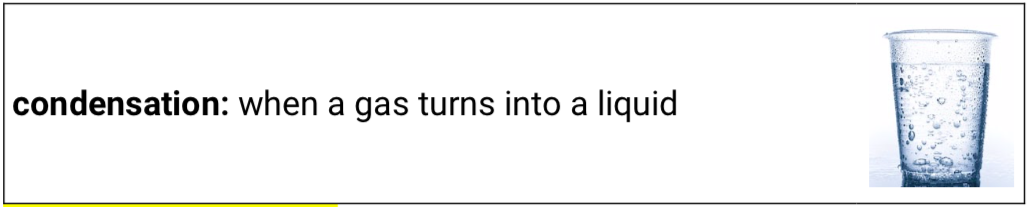
What is the phase change called going from gas to liquid?