You will be working on this is groups in class (don't start this until I talk to you about it, please!)
When you click submit the "correct" answers will appear under your answers. The short answers will be "graded" as wrong, but that's just because you didn't write exactly what I wrote word for word (which makes sense!). This isn't graded on correctness but rather whether you complete it. Use this as an opportunity to practice what you have learned thus far!
1 point
1
Question 1
1.
There is a species of plant that is poisonous so deer don't generally eat it. How would Lamarck describe how this trait became so frequent?
1 point
1
Question 2
2.
There is a species of plant that is poisonous so deer don't generally eat it. How would Darwin describe how this trait became so frequent?
1 point
1
Question 3
3.
Sort the following into either Lamarck or Darwin
Believed that traits acquired by an individual organism during their lifetime can be passed on to their offspring
Believed extinction is possible
Believed in natural selection as the mechanism of evolution
Wrote "On the Origin of Species"
Believed that evolution always leads to increased complexity over time
Believed the theory of use and disuse
Went to the Galapagos Islands and studied finches
Believed those with more favored traits survive and reproduce more
Believed that an individual organism can acquire a new trait during their lifetime
Believed new traits arise randomly when an organism is born
Did not believe extinction occurs
Lamarck
Darwin
0 points
0
Question 4
4.
Match the following terms with their definitions.
Draggable item
arrow_right_alt
Corresponding Item
Natural selection
arrow_right_alt
an organism’s ability to survive and reproduce
Adaptations
arrow_right_alt
traits that are favorable in a specific environment (random and formed by mutations from generation to generation)
Evolution
arrow_right_alt
when an organism has more offspring because of a favored genetic trait/allele, leading to an increase in that favored trait/allele
Fitness
arrow_right_alt
a change in allele/trait frequency over time
Part 1:
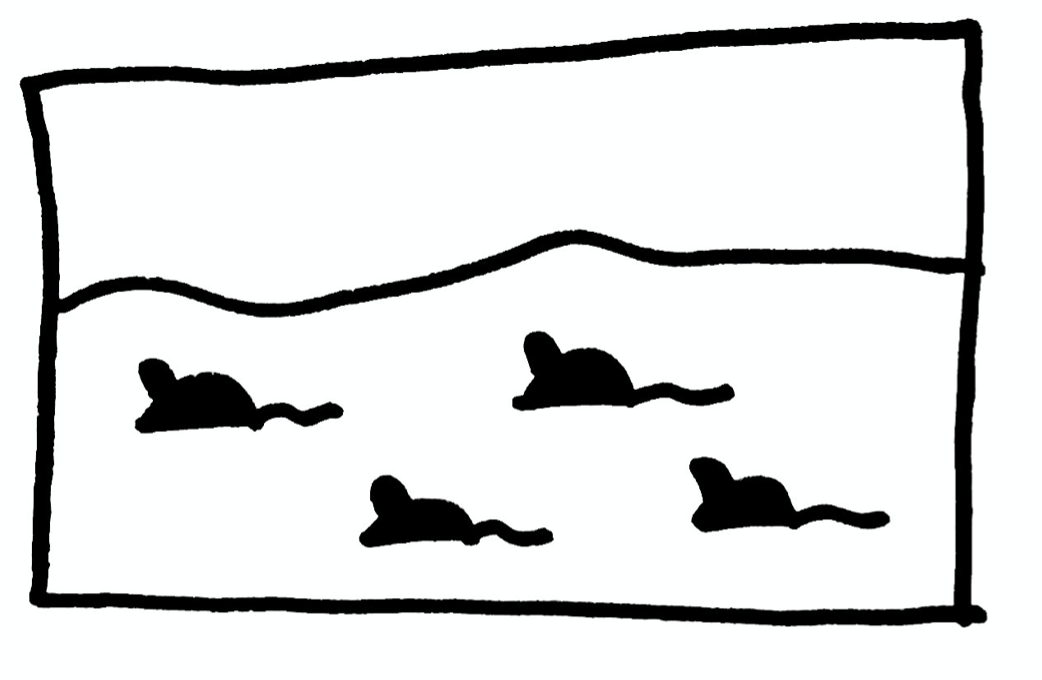
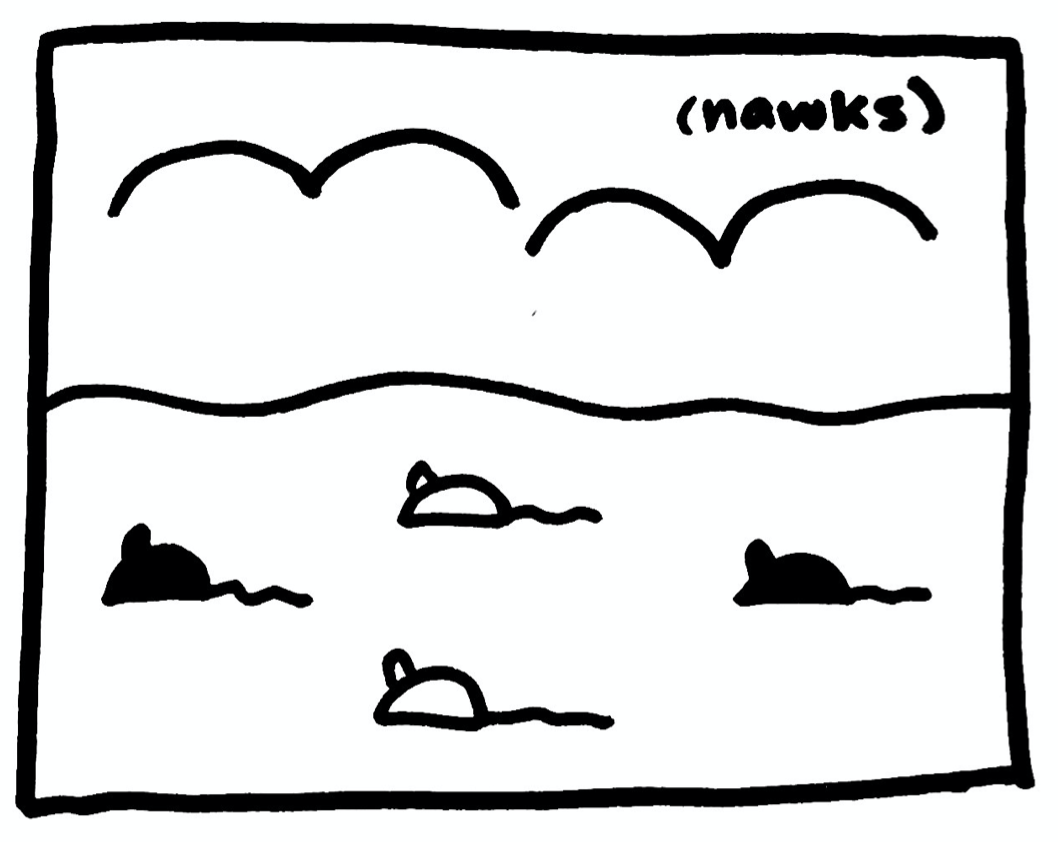
Here are a bunch of examples of mice in a snowy environment and how the trait of fur color might change in frequency over time (these are all different scenarios - one doesn’t lead into the other). You should discuss this scenario with your partner and determine what you think might happen over time in each environment/scenario.
Things to note -
if there aren’t hawks in a scenario, the mice have no predators
the area is snowy so the white mice blend in
being white/black is a genetic trait that can be passed on and you need a random mutation for a new trait to arise
Assume the mice won't be eaten to the point of extinction
Include the vocabulary from the beginning in your answers. FYI - my answers are 3-5 sentences long.
0 points
0
Question 5
5.
What do you think will happen in this scenario (i.e. what will happen to the frequency of mouse fur color over 10 years - remember frequency and population size are not the same thing). Why do you think this?
0 points
0
Question 6
6.
What do you think will happen in this scenario (i.e. what will happen to the frequency of mouse fur color over 10 years - remember frequency and population size are not the same thing). Why do you think this? (assume that the hawks can't eat all of the mice)
0 points
0
Question 7
7.
What do you think will happen in this scenario (i.e. what will happen to the frequency of mouse fur color over 10 years - remember frequency and population size are not the same thing). Why do you think this?
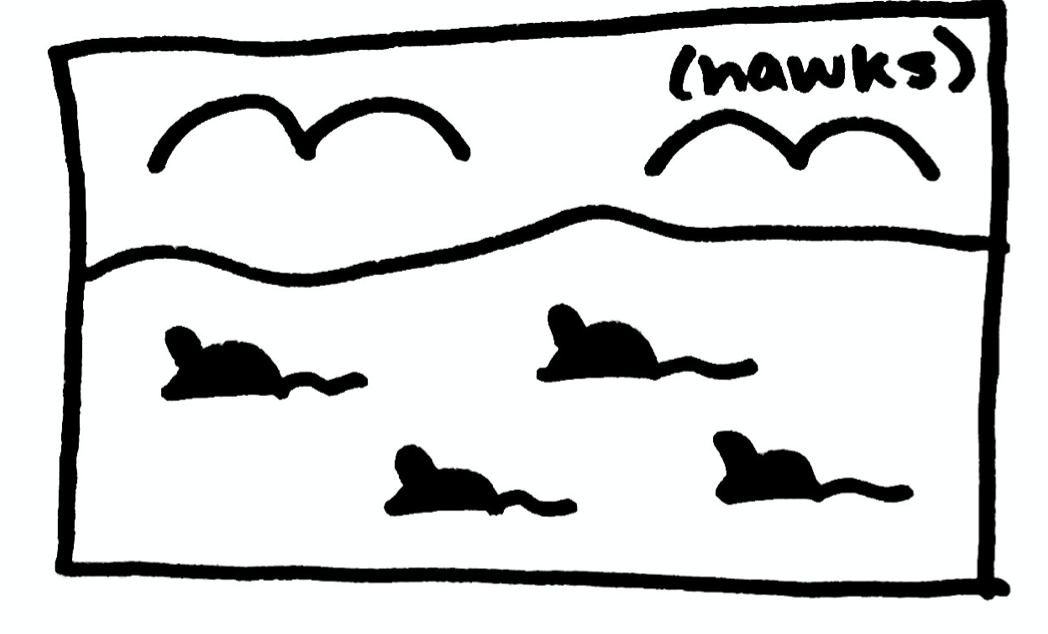
0 points
0
Question 8
8.
What do you think will happen in this scenario (i.e. what will happen to the frequency of mouse fur color over 10 years - remember frequency and population size are not the same thing). Why do you think this?
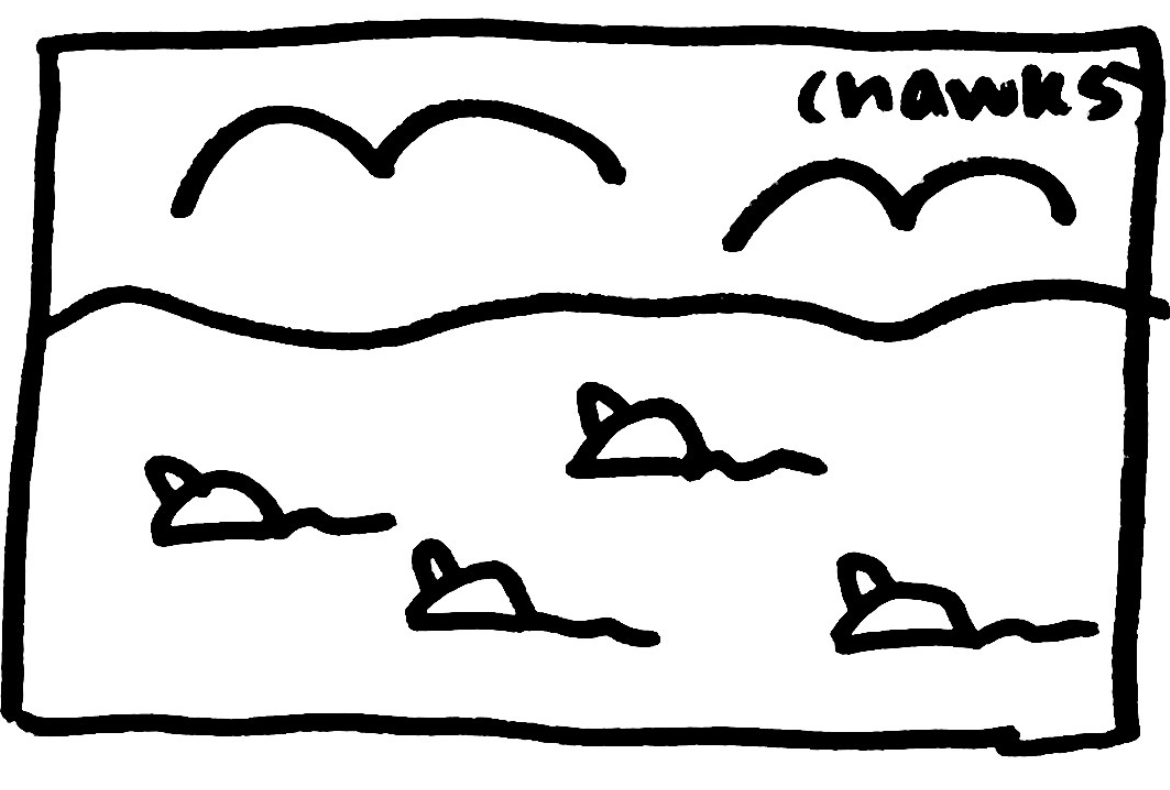
0 points
0
Question 9
9.
What do you think will happen in this scenario (i.e. what will happen to the frequency of mouse fur color over 10 years - remember frequency and population size are not the same thing). Why do you think this?
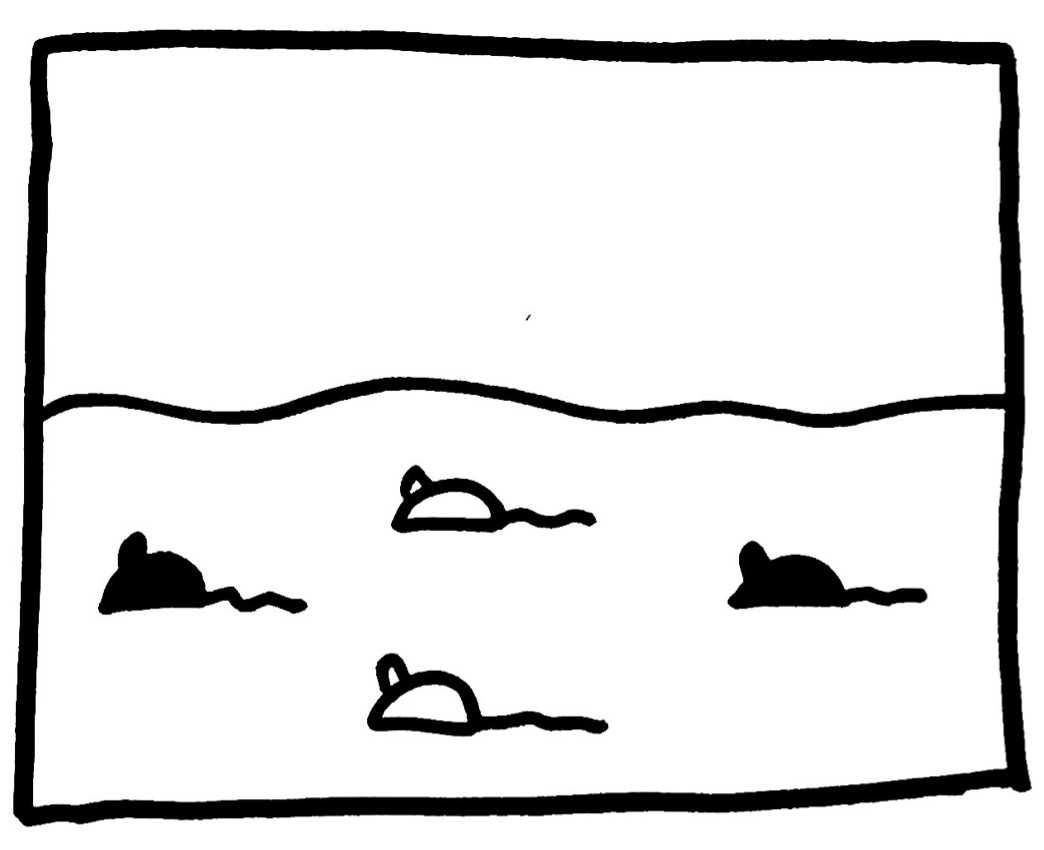
Part 2:
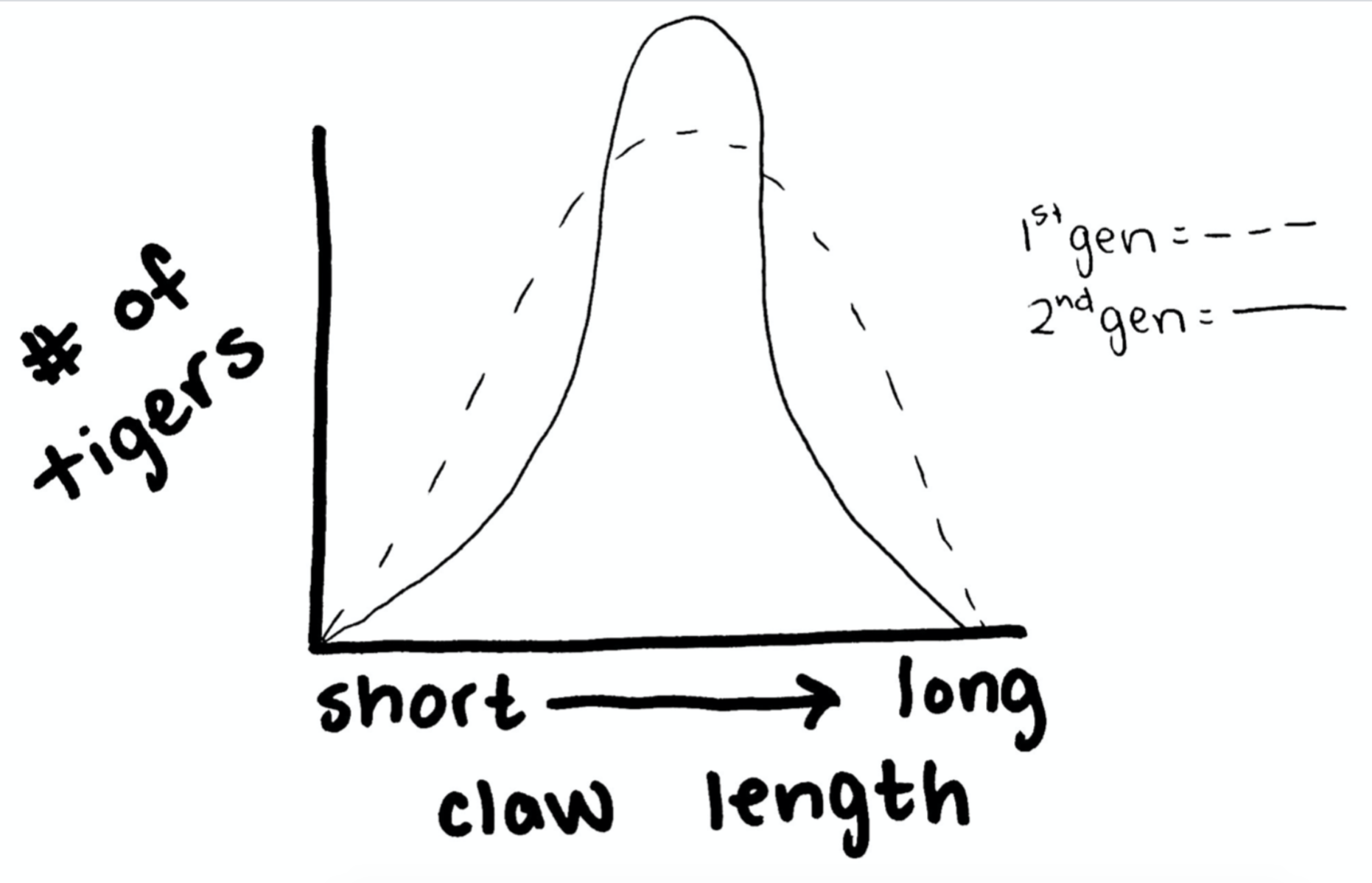
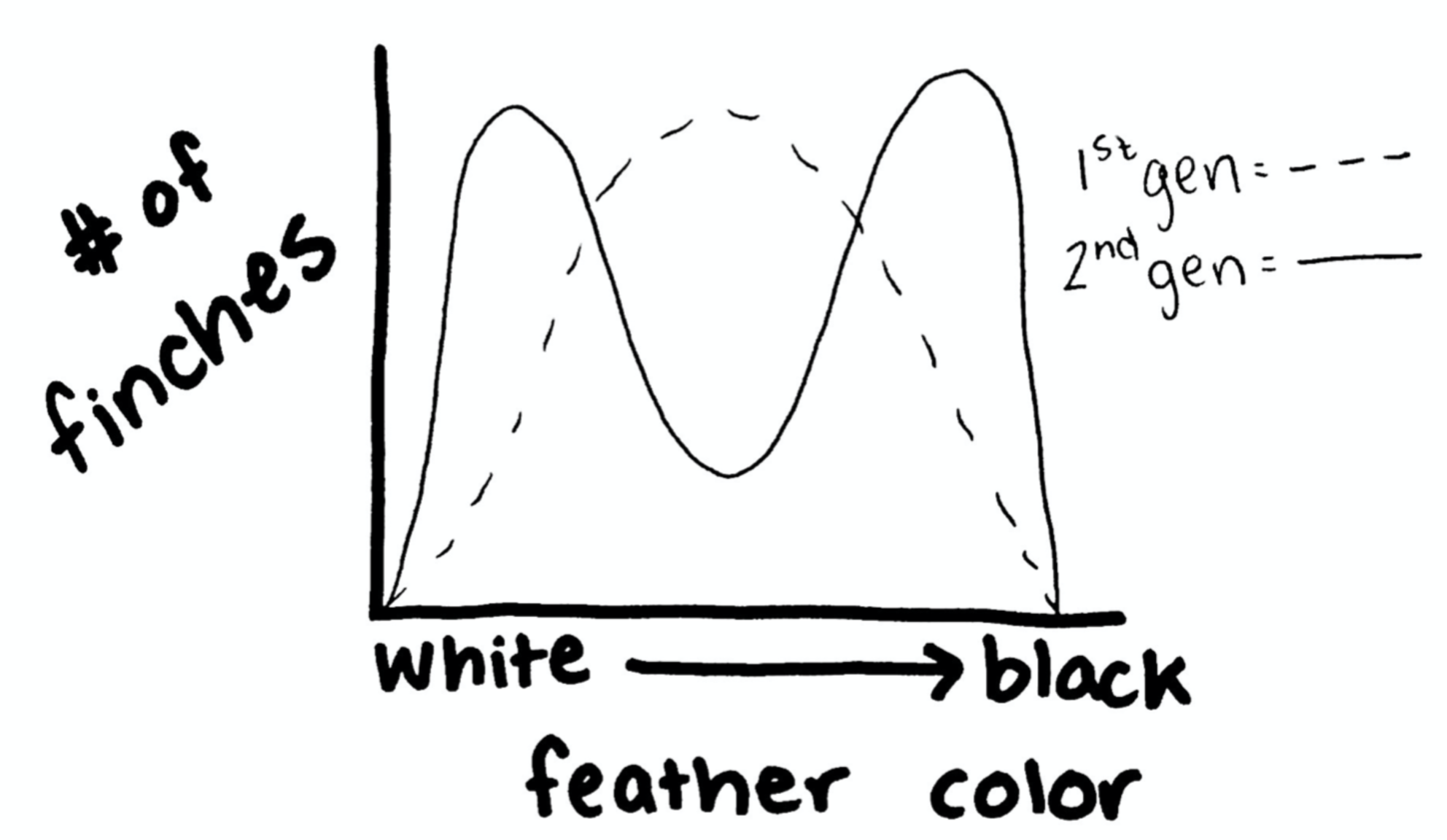
The following are examples of natural selection graphs. Identify the type of natural selection that is illustrated in the graph and make up a scenario that would fit that graph (you need to make sure you address the organism on the y-axis, the traits on the y-axis, environment, time, etc.) using vocabulary. FYI - My answers are about 7-8 sentences long.