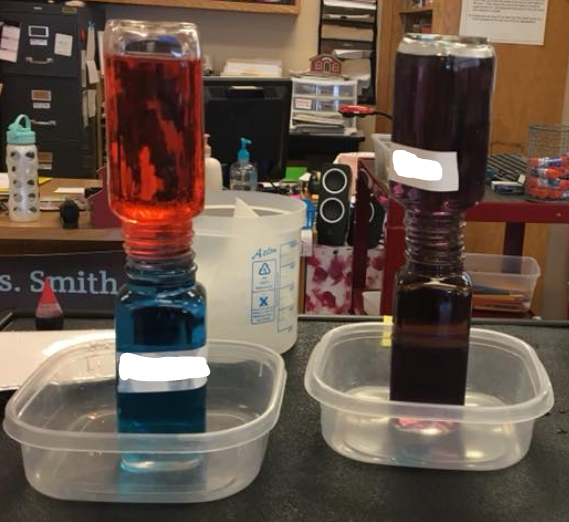
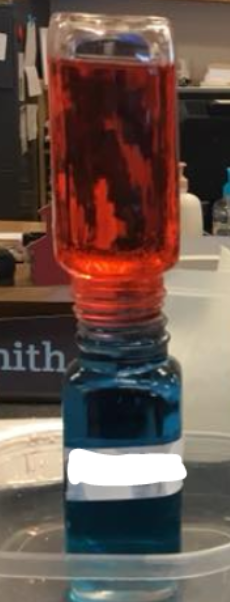
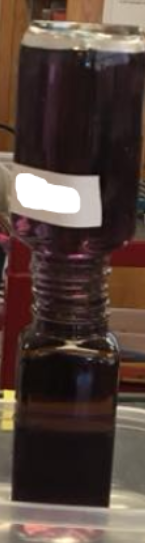
The model below represents two systems. One is a normal scenario and one is a thermal inversion.
Answer the question using the demonstration.
When did the London Fog become a deadly?
Identify the human health impacts of the deadly London smog.
Use the PPT to answer the question.
Draw a thermal inversion
Use the PPT to answer the question.
The model below represents two systems. One is a normal scenario and one is a thermal inversion.
Match the picture with the description of the accurate phenomena
Normal
Thermal Inversion
Looking at the model above, identify which represents a thermal inversion and explain why.
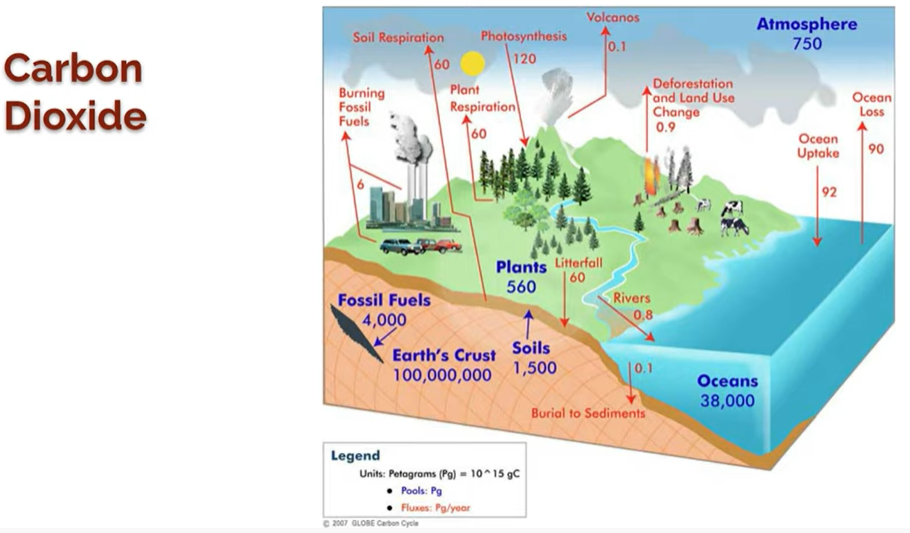
The diagram below shows the major sources of carbon dioxide, both anthropogenic and natural.
Using the diagram above, select the natural sources of CO2.
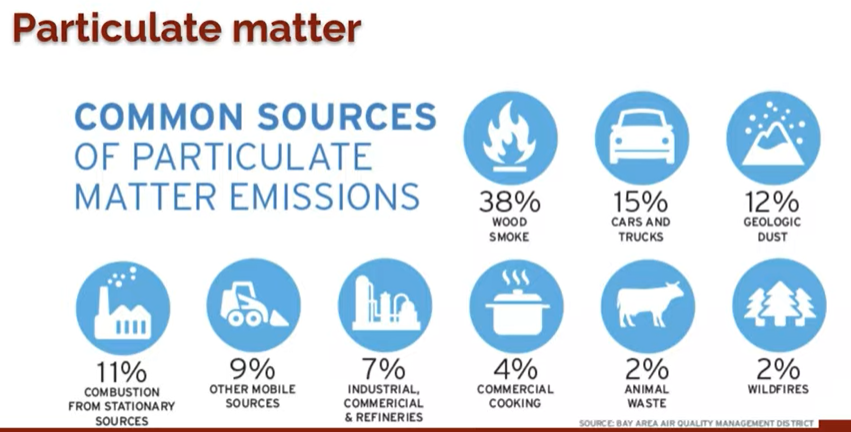
The diagram below shows the major sources of particulate matter, both anthropogenic and natural.
Using the diagram above, select the natural sources of particulate matter.
During a thermal inversion