Log in
Sign up for FREE
arrow_back
Library

7th Grade Circulatory System

star
star
star
star
star
Last updated about 3 years ago
45 questions
1
Question 1
1.
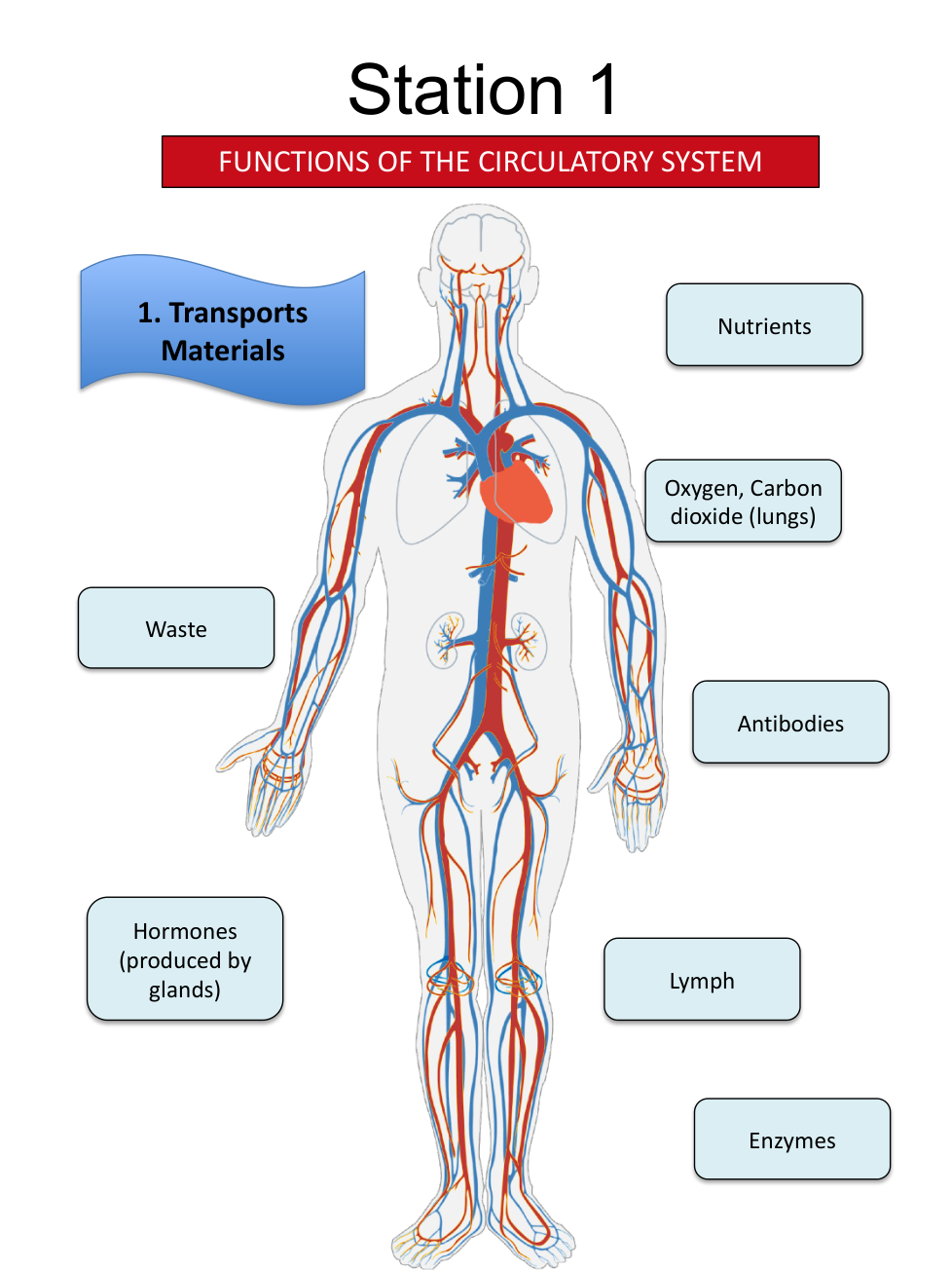
The primary role of the circulatory system is to _______ .
4
Question 2
2.
Some of the materials transported by the circulatory system are:
_______
_______
_______
_______
_______
_______
_______
1
Question 3
3.
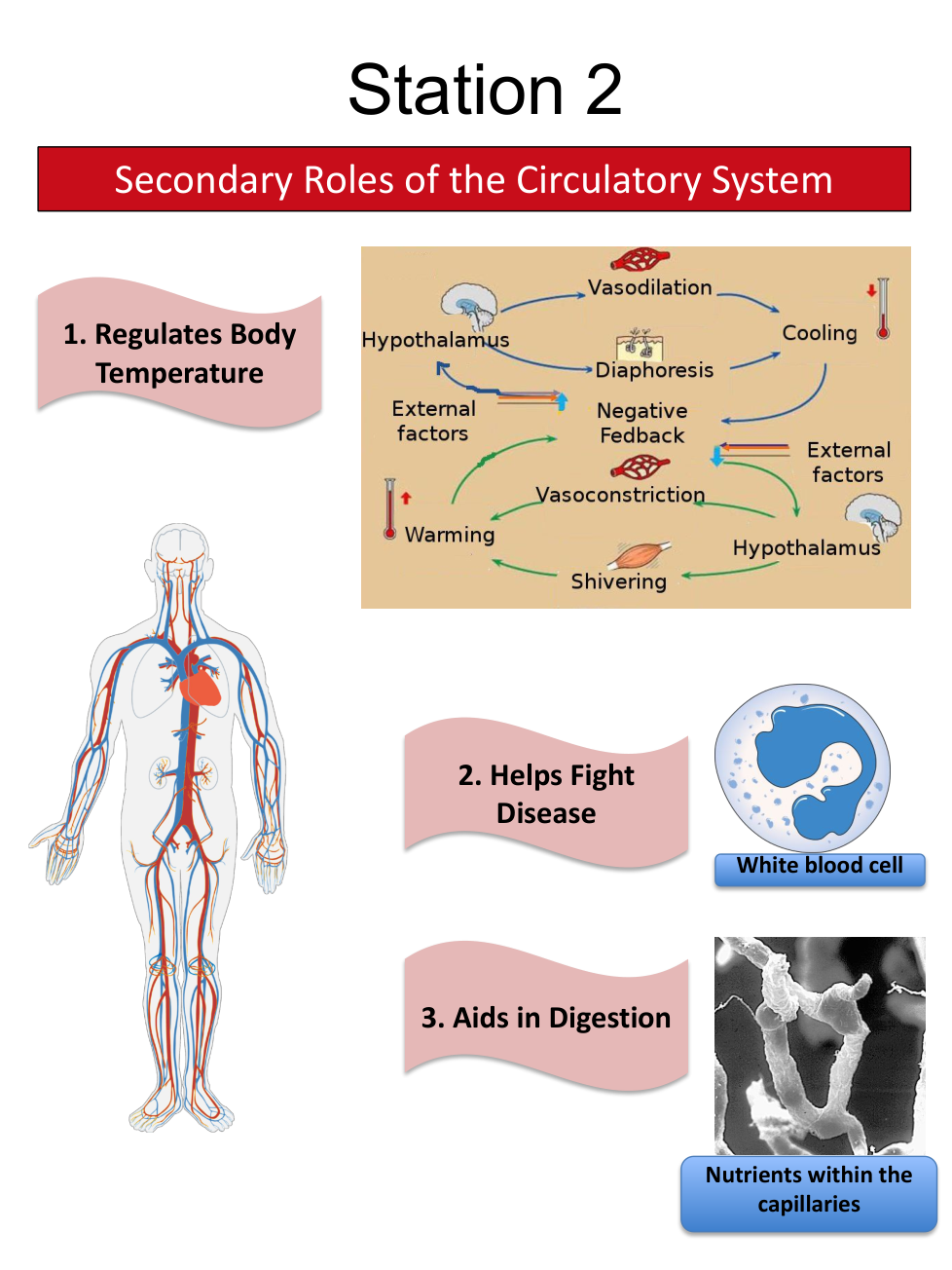
Secondary Roles of the Circulatory System are:
_______
_______
_______
1
Question 4
4.
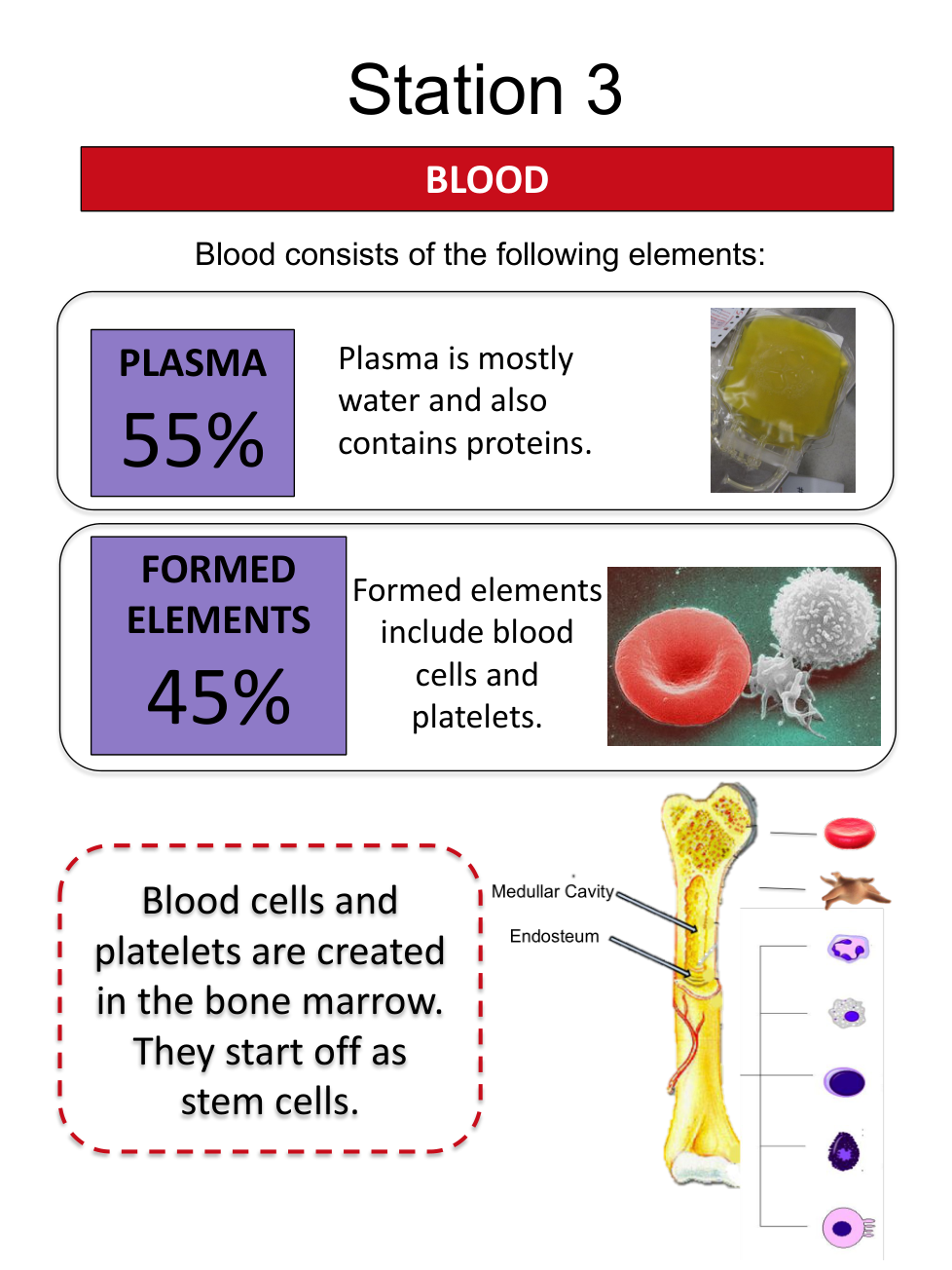
Plasma is made out of mostly _______ and makes up _______ % of the blood.
5
Question 5
5.
The remaining _______ % of blood includes _______ and _______, which are created in the _______ and start off as _______ . (Do not write "formed elements" for any of the blanks)
1
Question 6
6.
Draggable itemarrow_right_altCorresponding Item
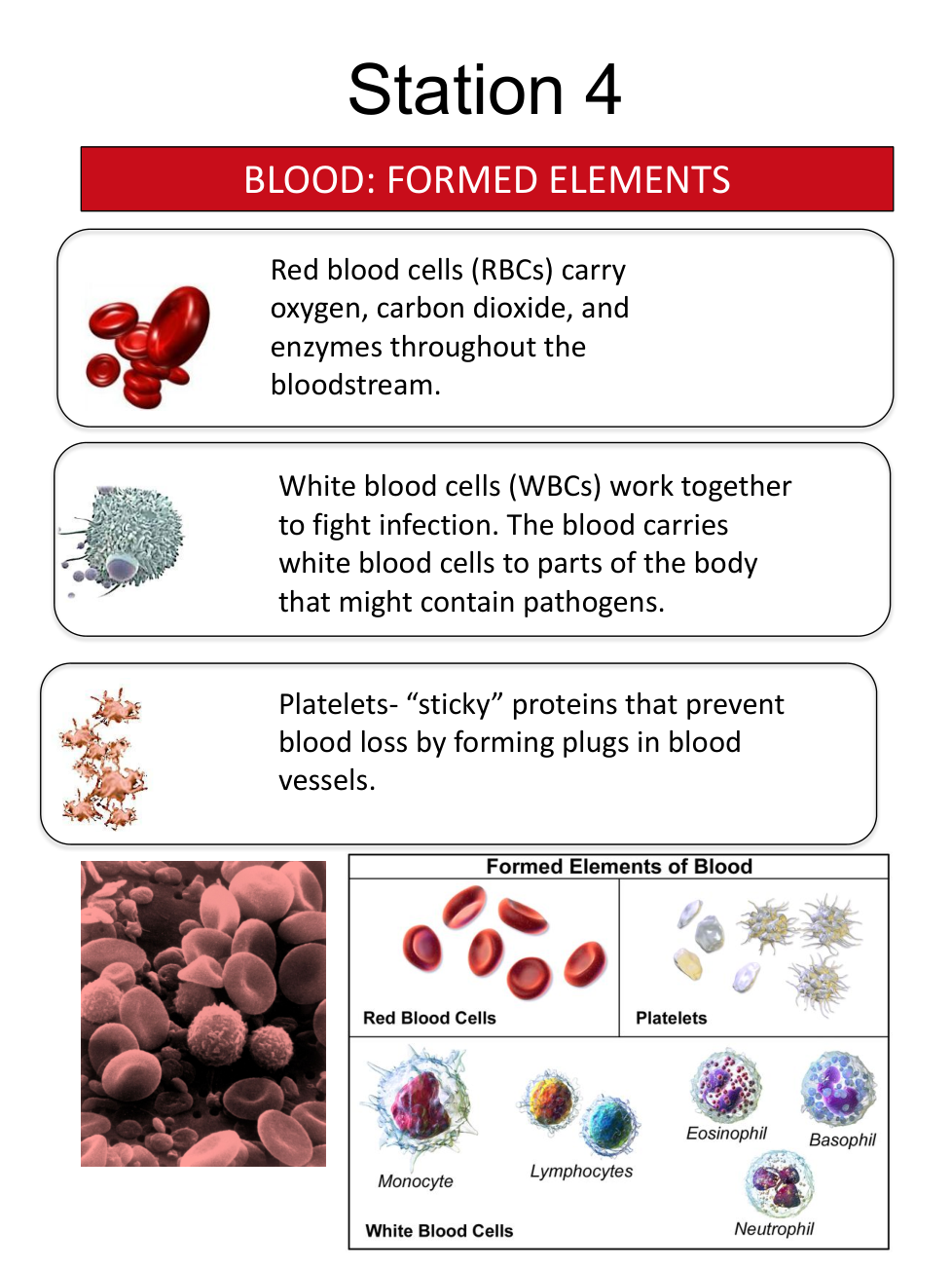
Red Blood Cells (RBCs)
arrow_right_alt
carry important molecules and enzymes throughout the bloodstream
White Blood Cells (WBCs)
arrow_right_alt
destroy infection causing pathogens
Platelets
arrow_right_alt
prevent blood loss
1
1
Question 8
8.
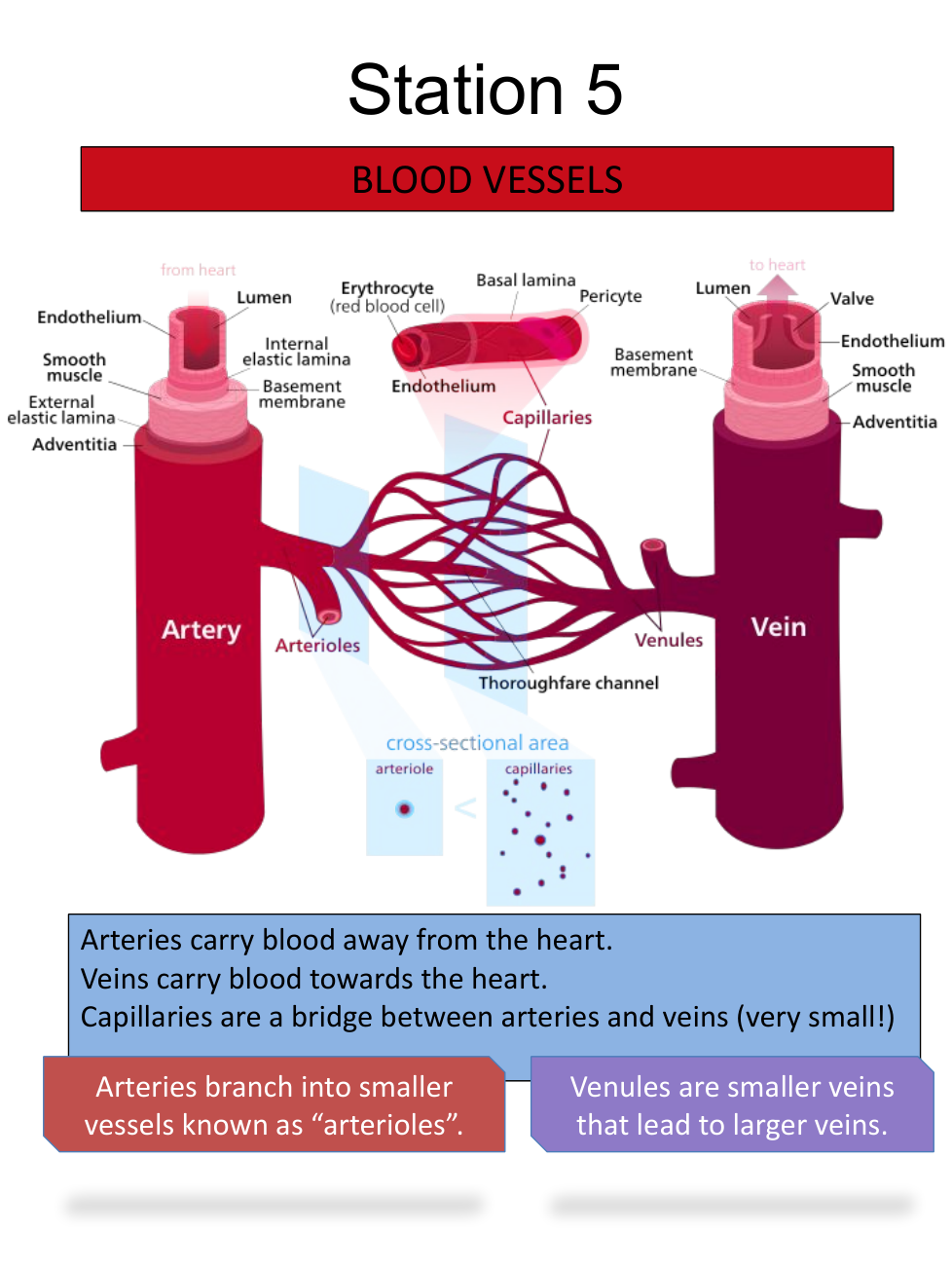
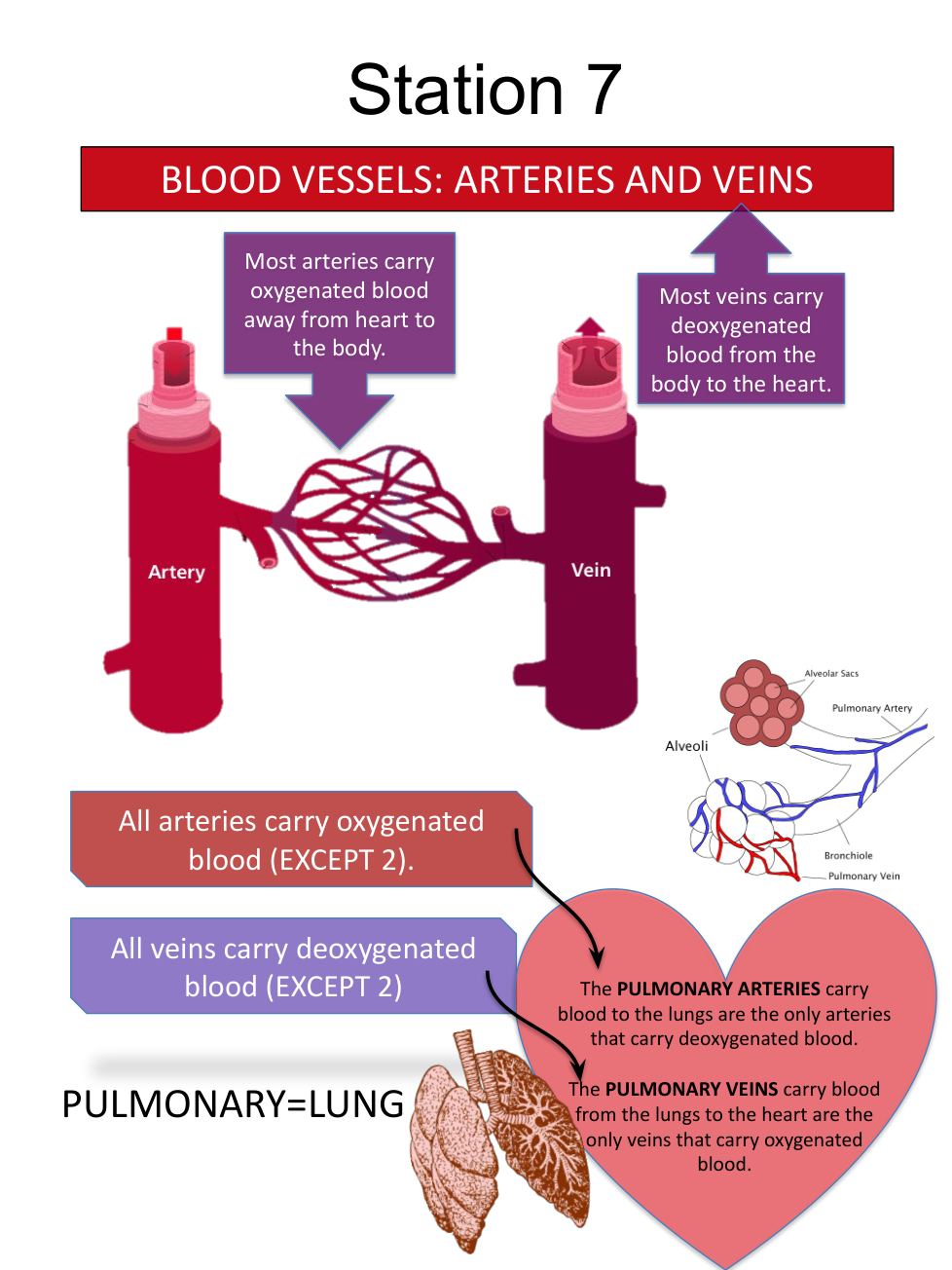
Arteries are __________ and carry blood __________ the heart.
1
Question 9
9.
Arterioles are __________ and carry blood __________ the heart.
1
Question 10
10.
Veins are __________ and carry blood __________ the heart.
1
Question 11
11.
Venules are __________ and carry blood __________ the heart.
1
3
Question 13
13.
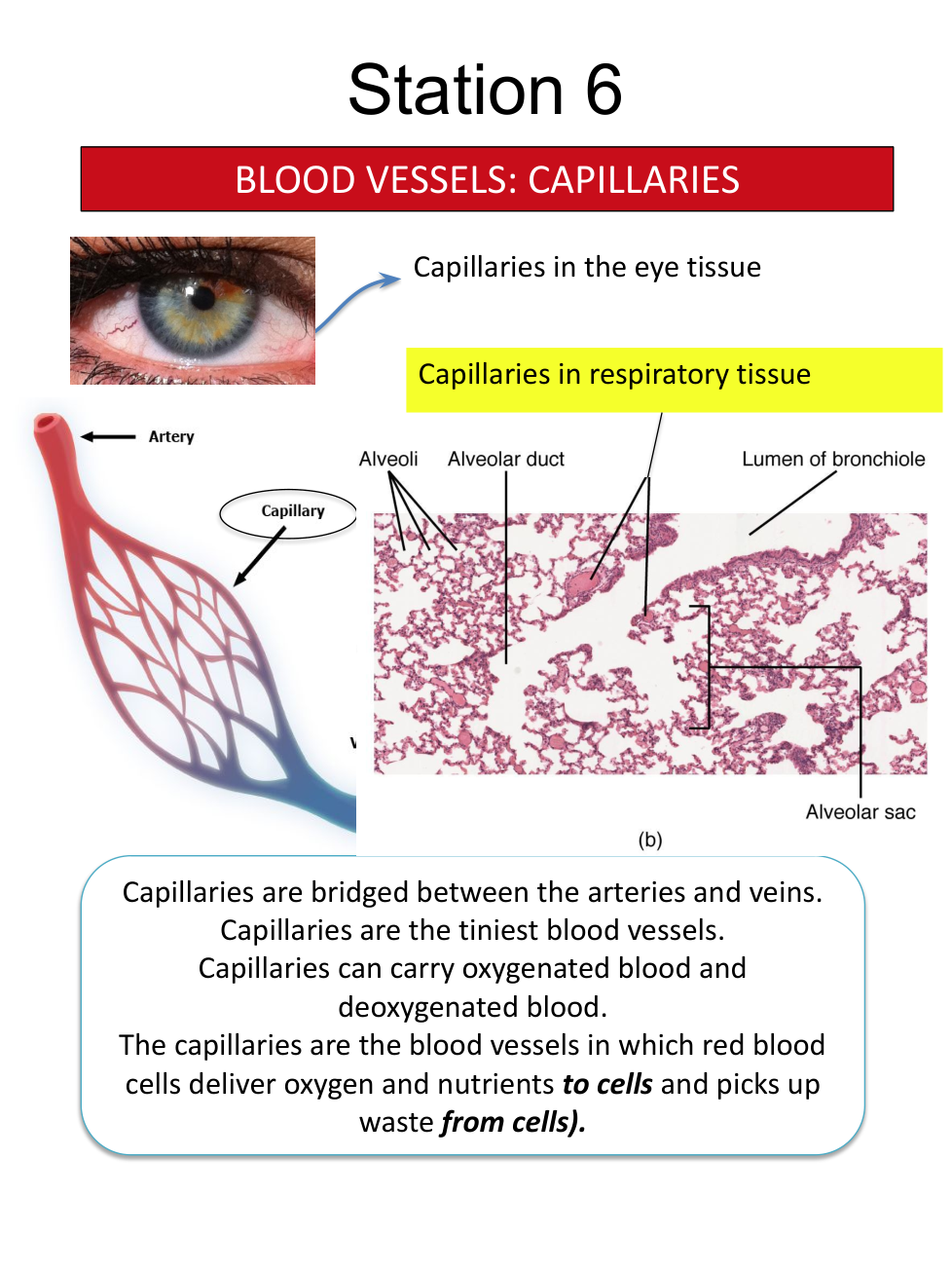
Capillaries are _______ between veins and _______ . They are where red blood cells deliver _______ and _______ and pick up cellular _______ . Capillaries can be found in respiratory and eye _______ .
1
Question 14
14.
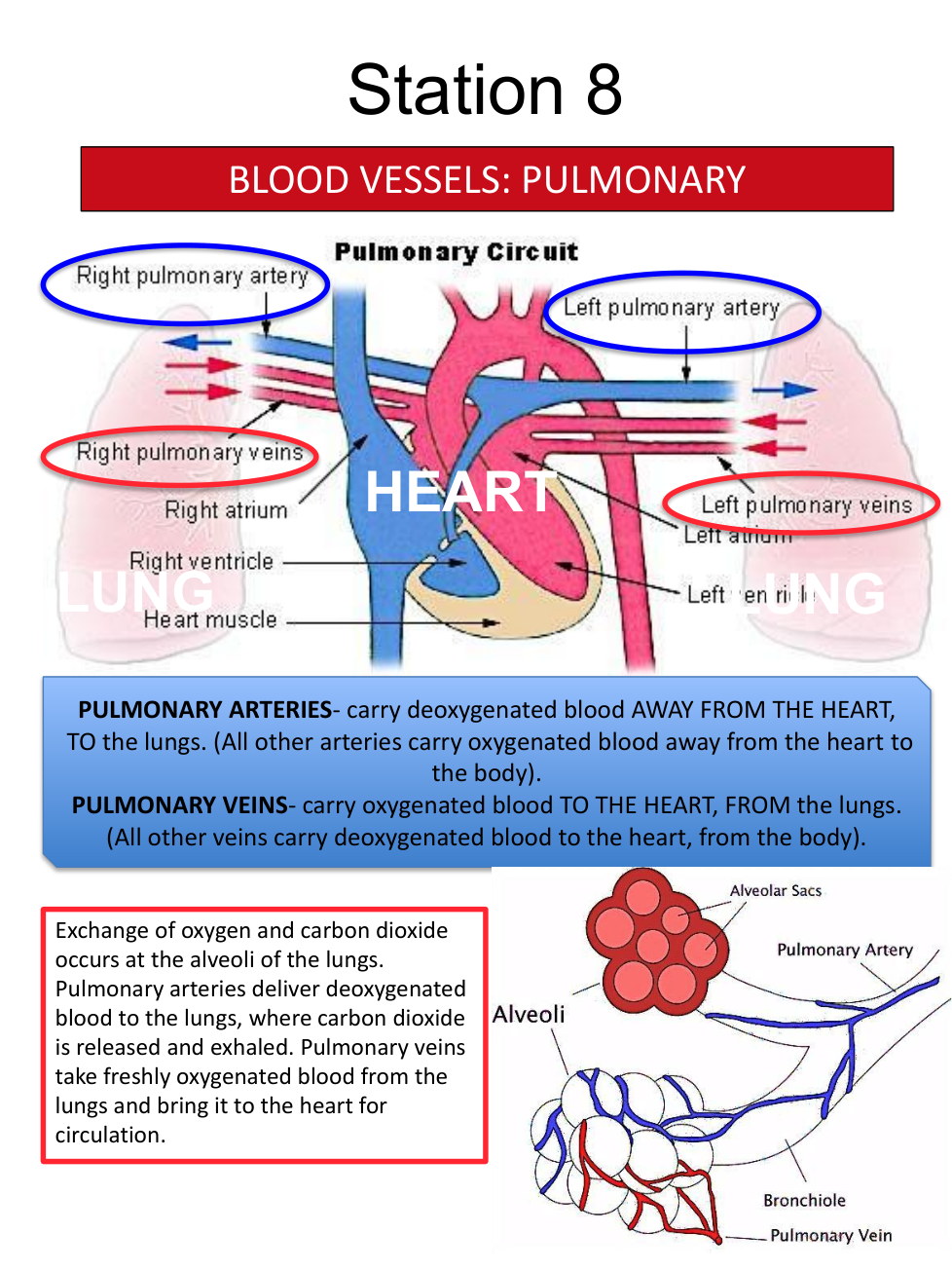
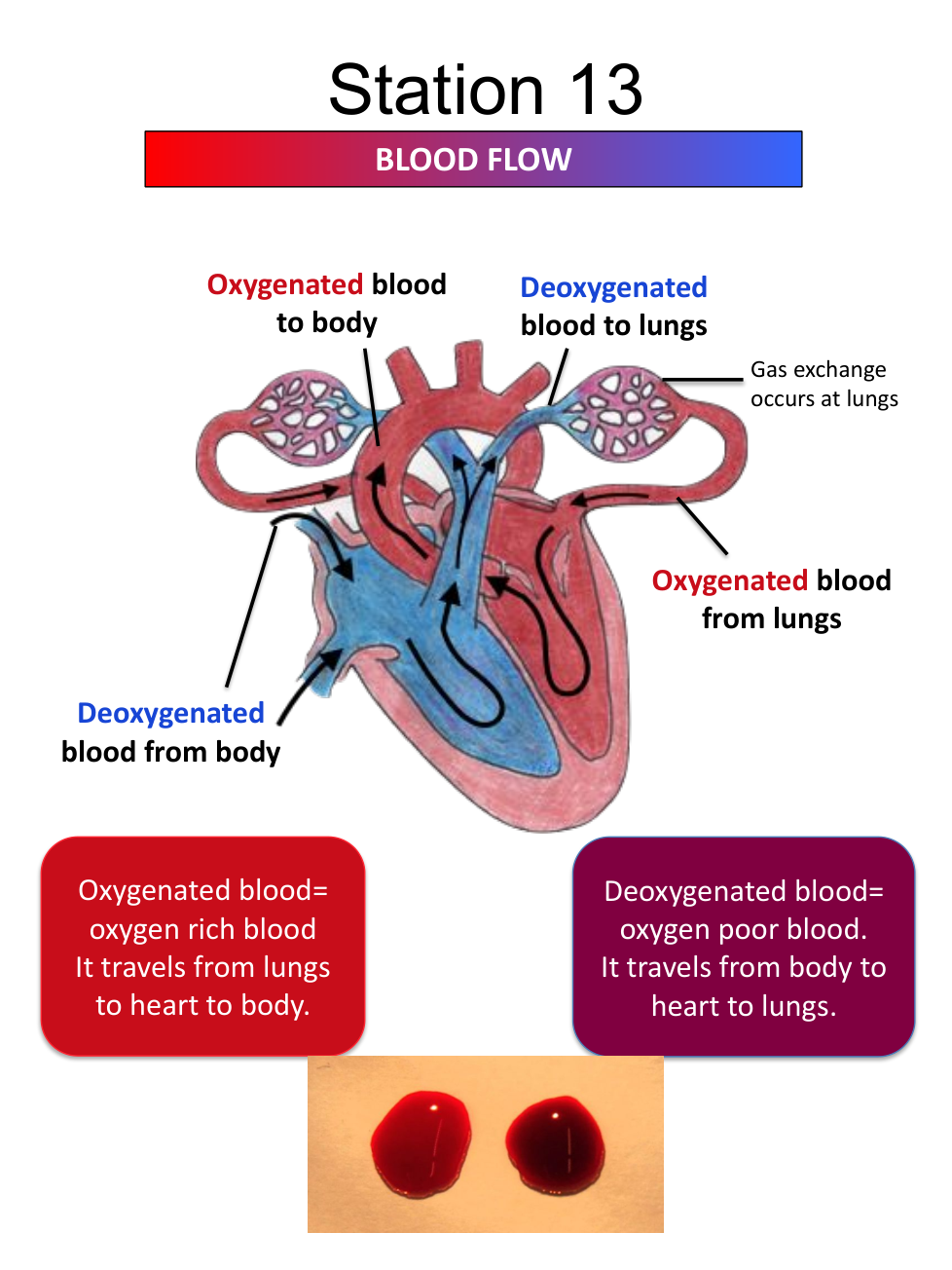
All arteries carry _______ blood, except for the _______ artery, which carries _______ blood.
1
Question 15
15.
All veins carry _______ blood, except for the _______ veins, which carry _______ blood.
1
Question 16
16.
The term _______ refers to the lung.
1
Question 17
17.
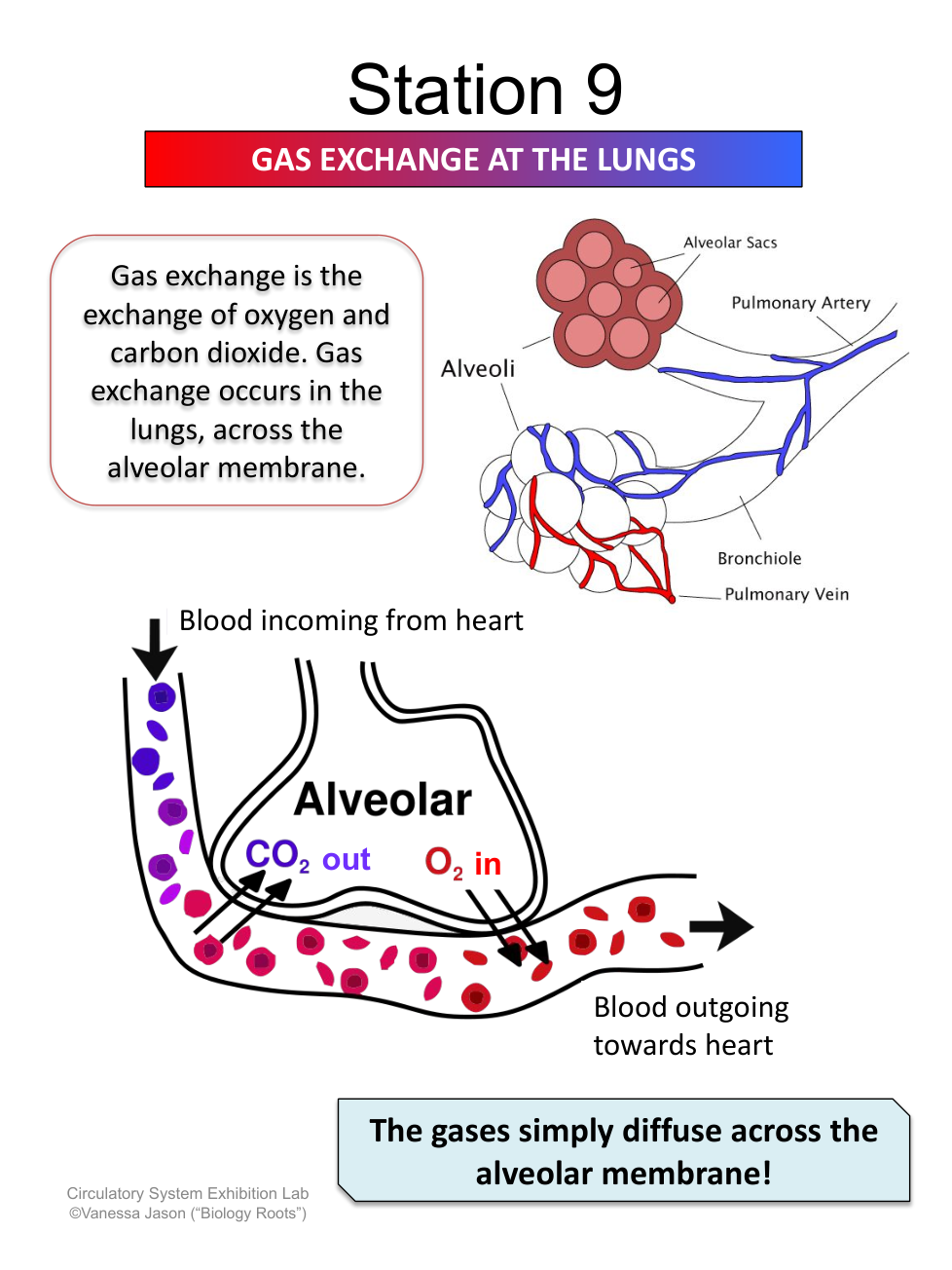
Oxygen/Carbon Dioxide gas exchange occurs in the lung's _______ .
1
Question 18
18.
Oxygen and carbon dioxide gas _______ across the _______ membrane.
1
Question 19
19.
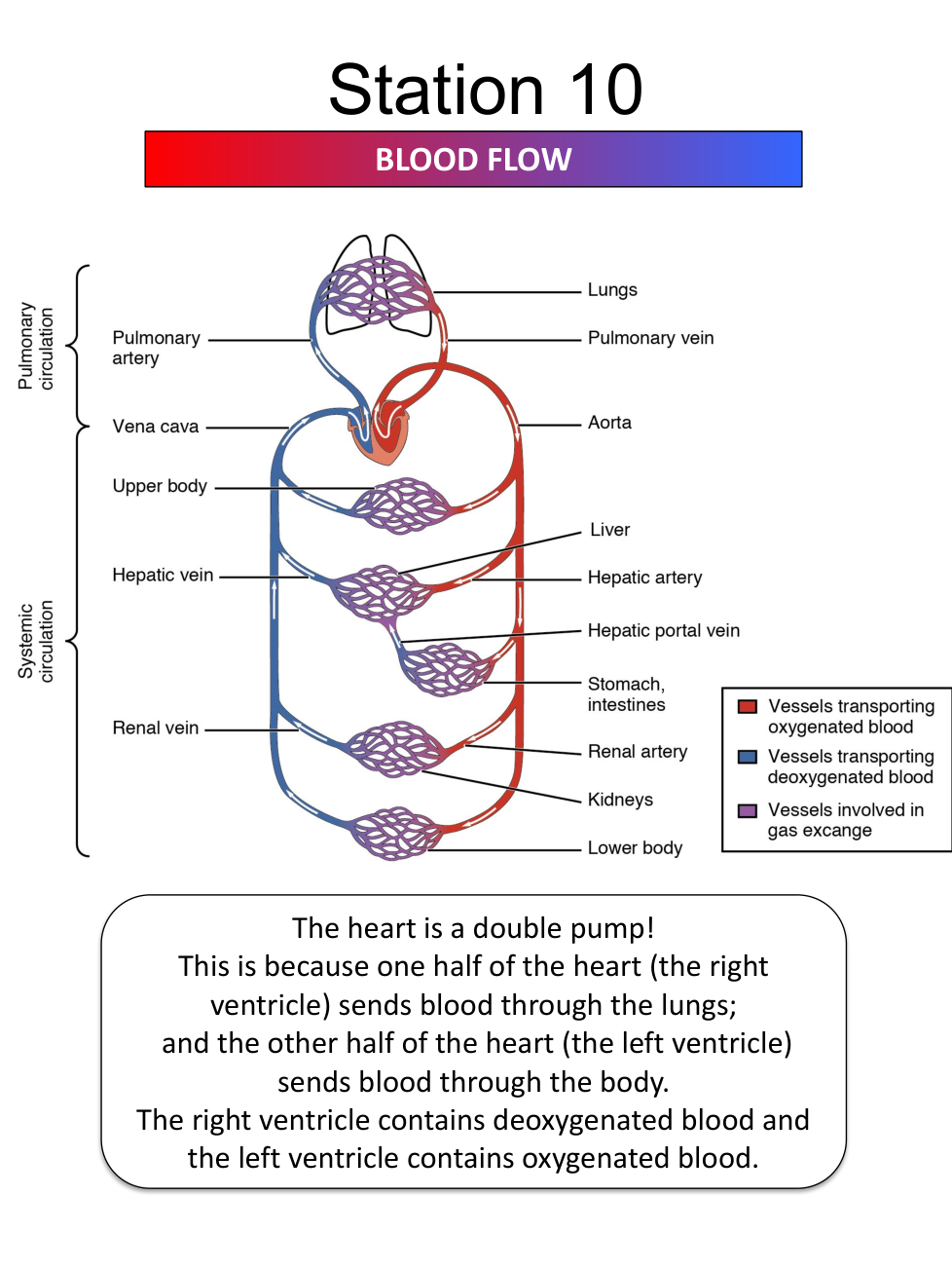
The __________ ventricle sends oxygenated blood through the __________.
1
Question 20
20.
The __________ ventricle sends deoxygenated blood through the __________.
1
Question 21
21.
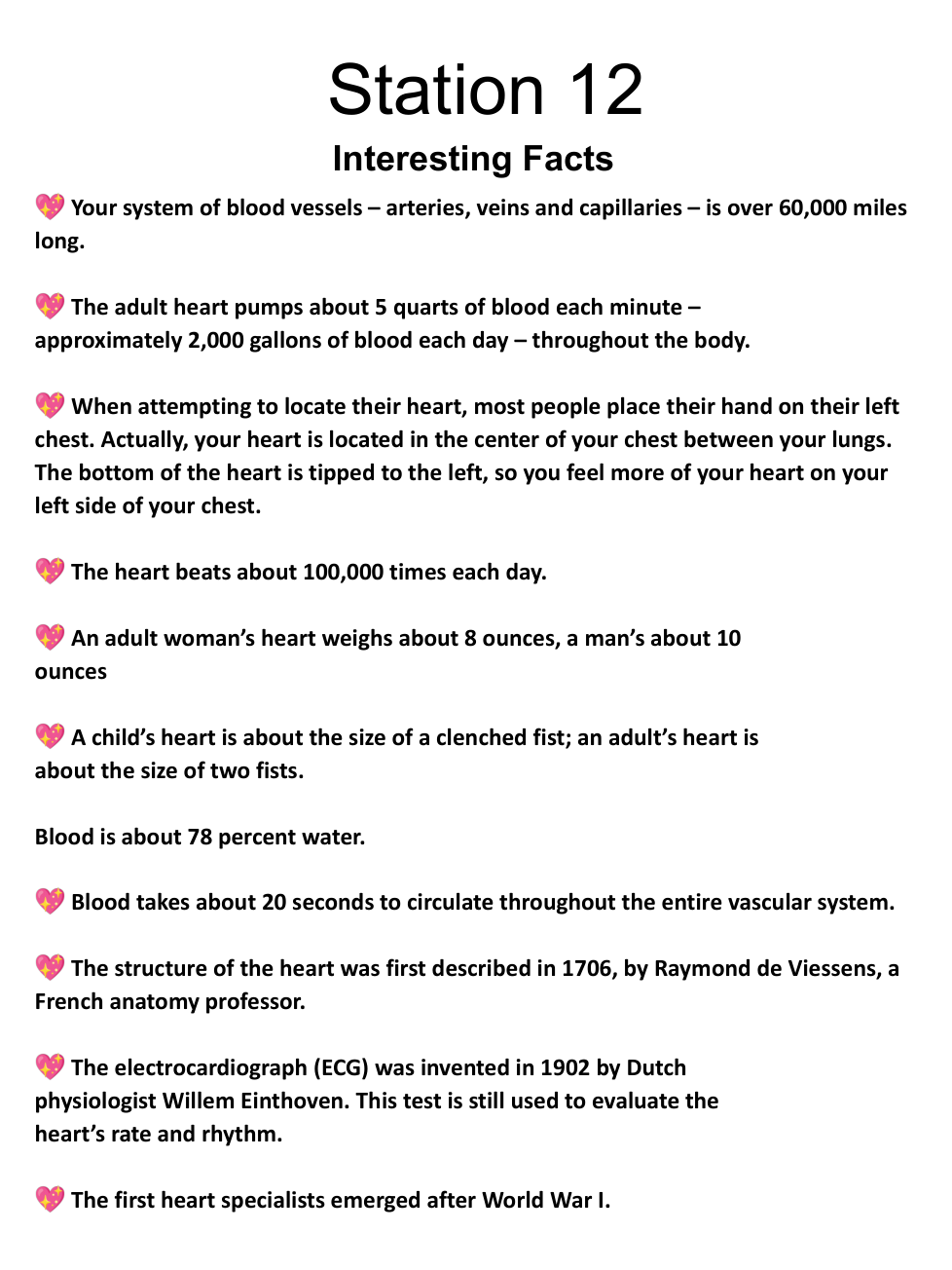
Blood is _______ % water.
1
Question 22
22.
Your heart beats about _______ times each day.
1
Question 23
23.
Oxygenated blood travels from the heart to the _______ .
1
Question 24
24.
Deoxygenated blood travels from the heart to the _______ .
1
1
1
Question 27
27.
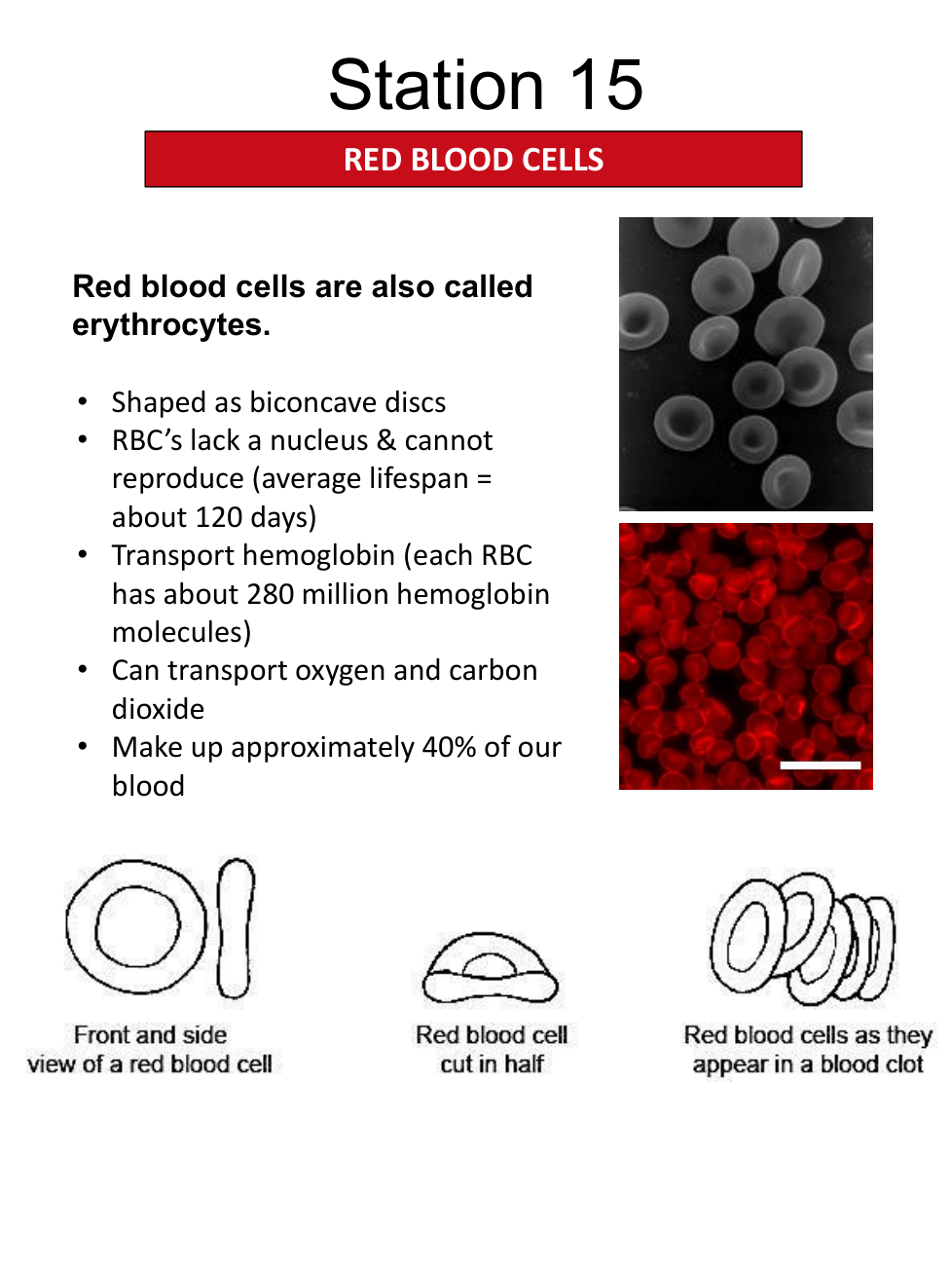
Red blood cells are also called _______ .
1
Question 28
28.

Red Blood cells have a double nucleus.

1
1
Question 30
30.

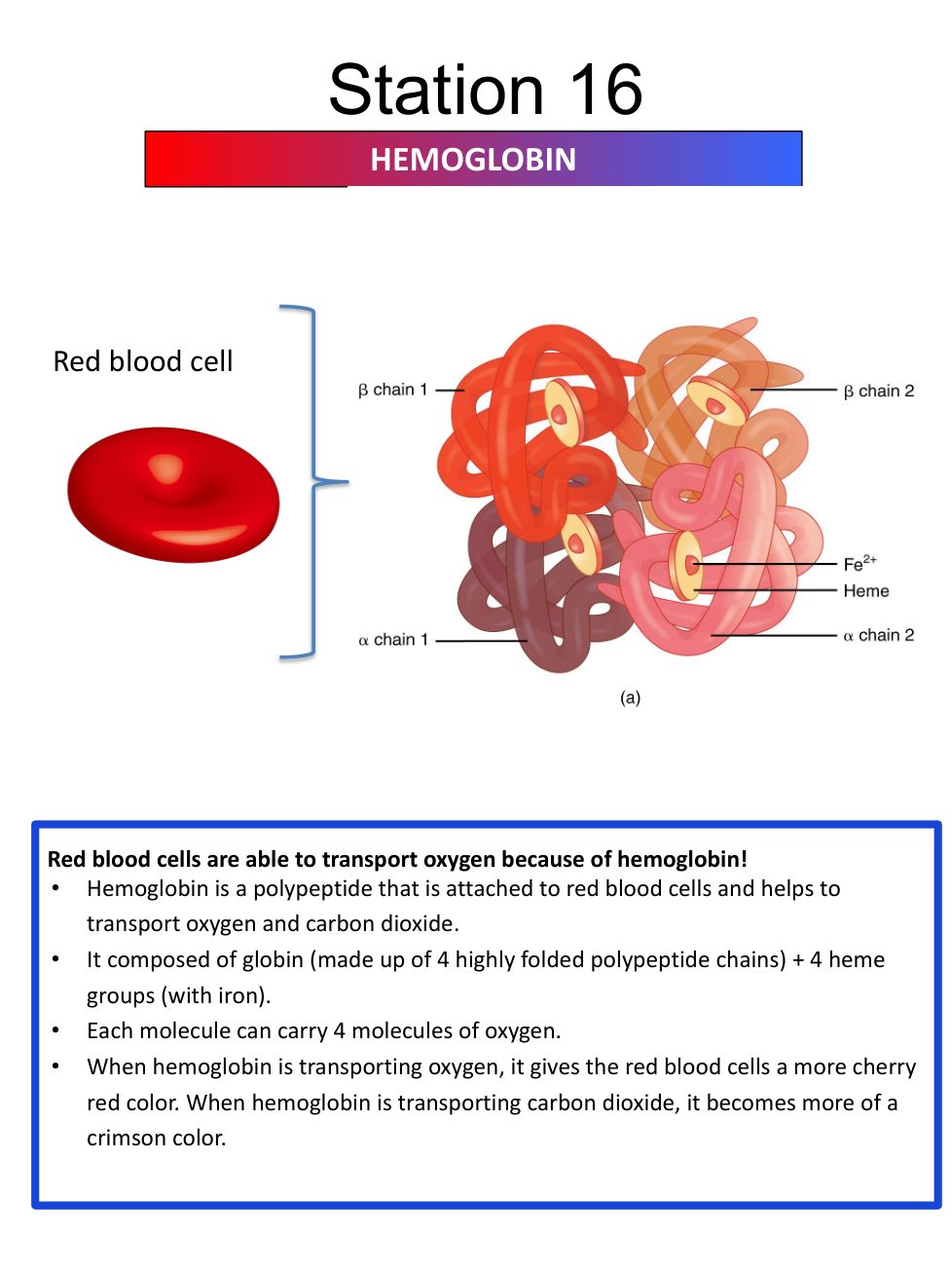
Where is hemoglobin found and what does it help to do?

1
Question 31
31.
Each molecule of hemoglobin can carry _______ molecules of oxygen.
1
Question 32
32.
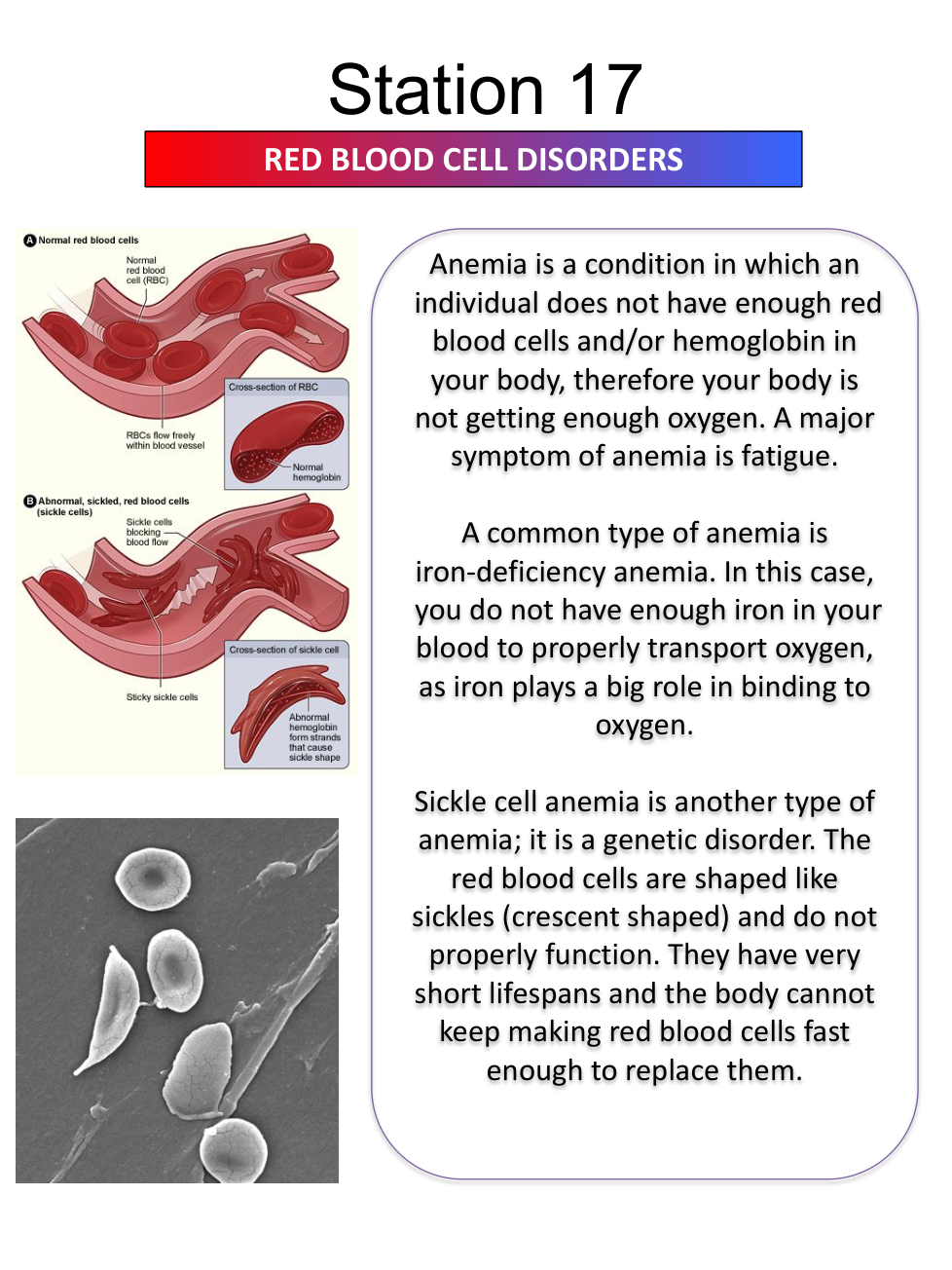
The __________ of anemia is low oxygen in the blood. The __________ of anemia is low blood cell count.
1
Question 33
33.
_______ helps bind oxygen to your blood.
1
Question 34
34.
_______ is a type of anemia where the red blood cell is crescent shaped.
1
Question 35
35.
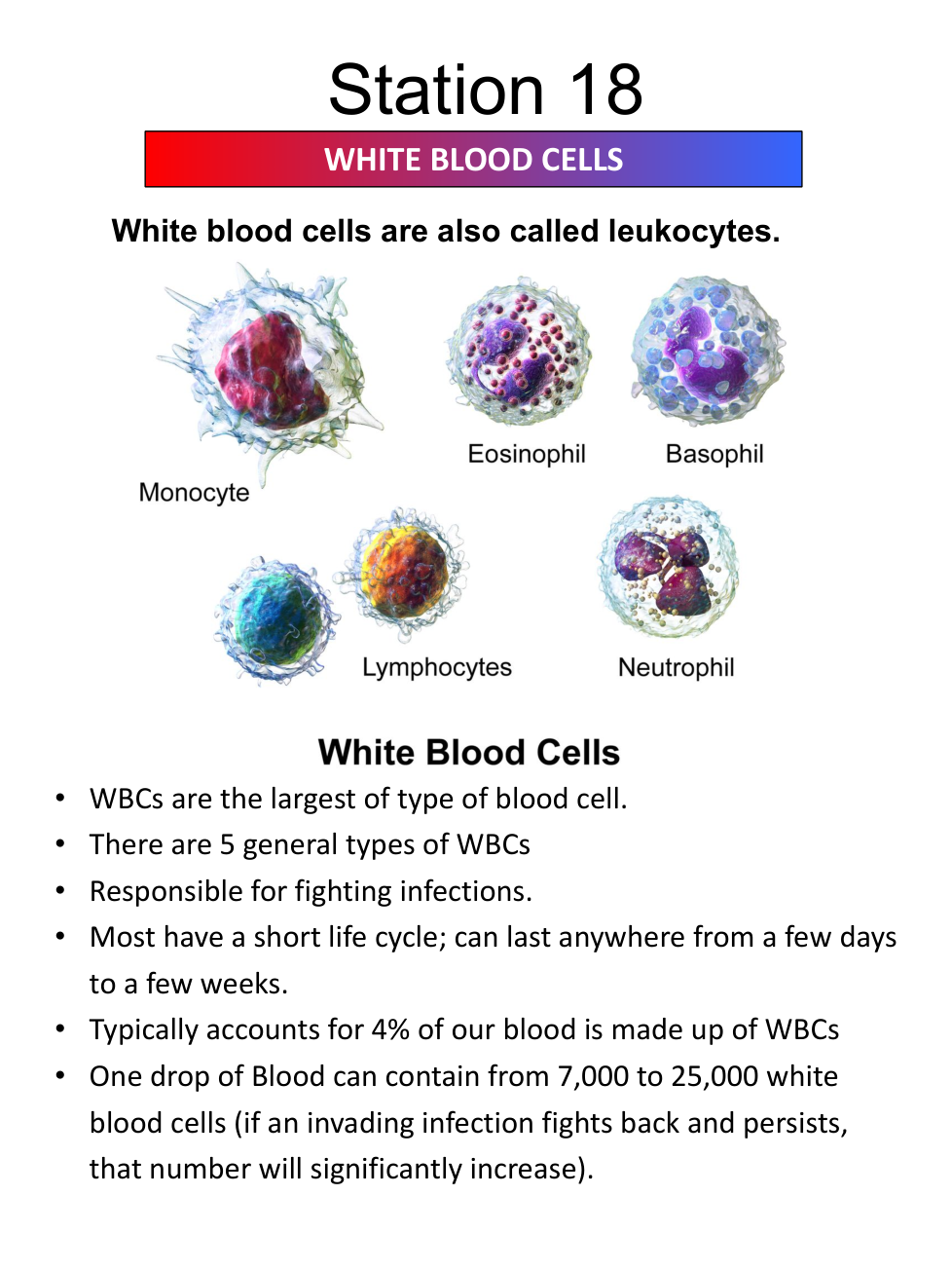
_______ is another name for white blood cells.
1
Question 36
36.
The 5 different types of _______ are monocytes, eosinophils, _______ lymphocytes and neutrophils.
1
Question 37
37.

When your body is fighting an infection, the number of leukocytes in your blood significantly increases.

1
Question 38
38.
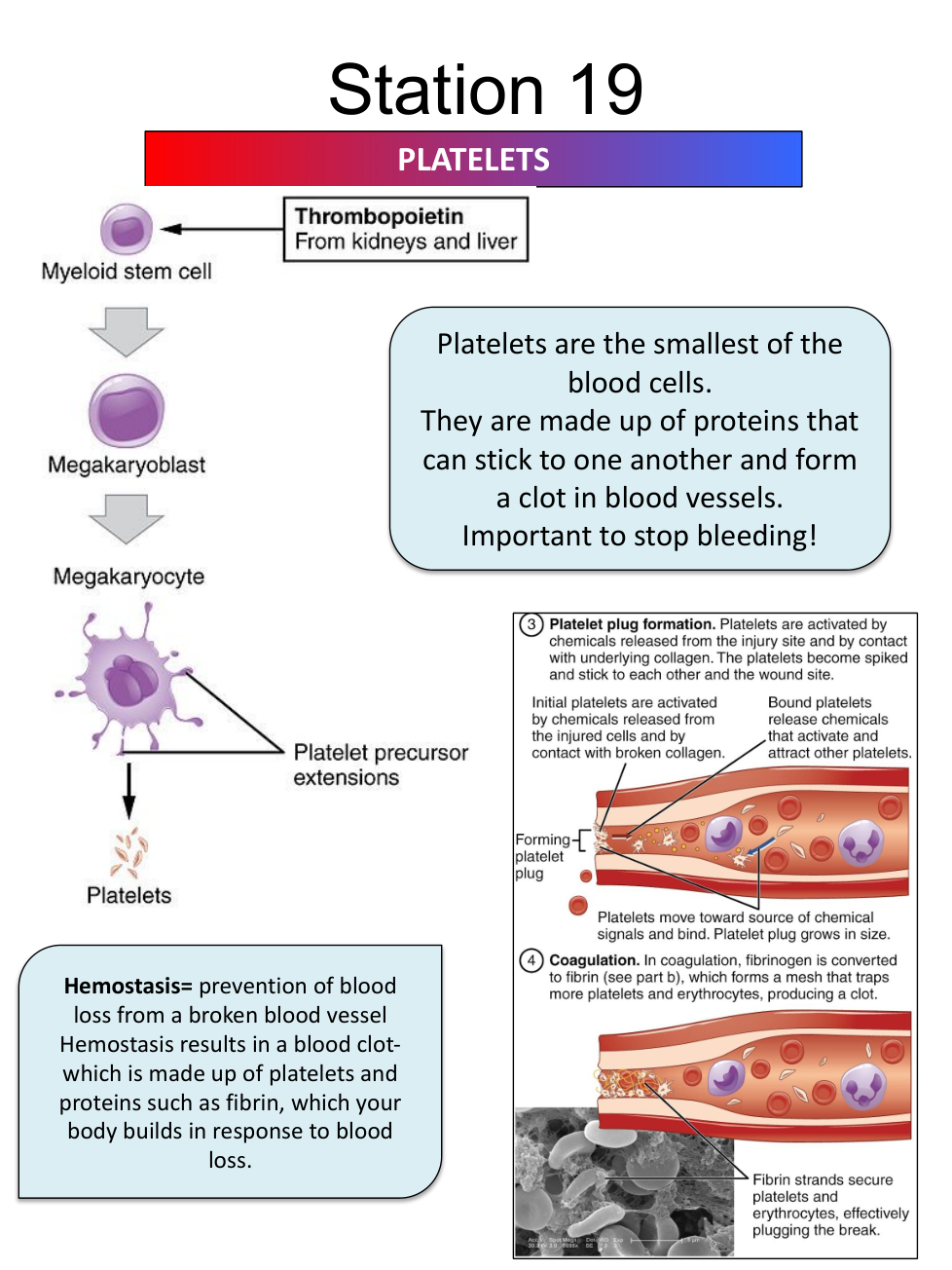
Platelets can form _______ to stop_______ .
1
Question 39
39.
A blood clot is made up of platelets and proteins such as _______.
1
Question 40
40.
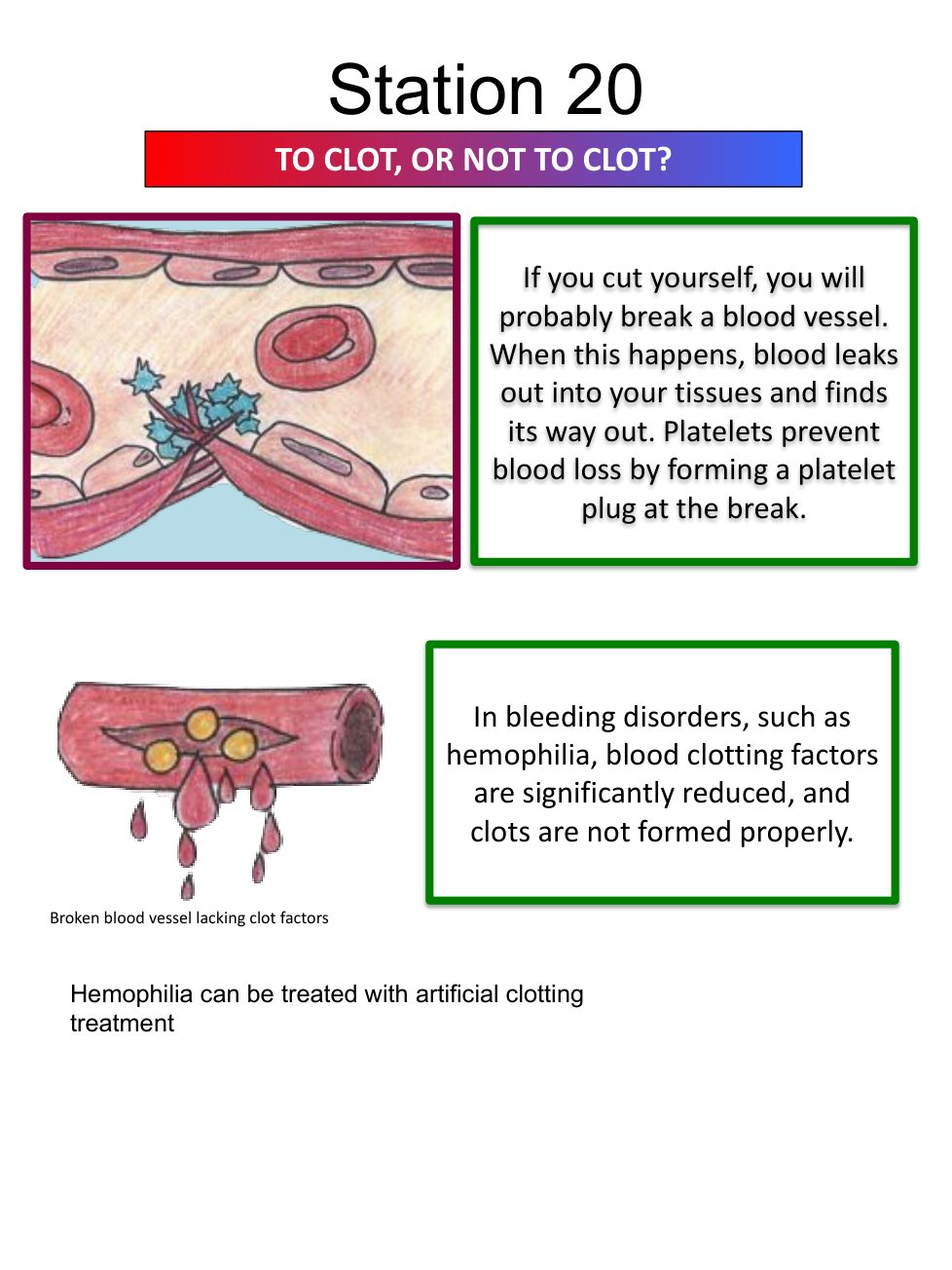
_______ is a disorder of the where clots do not form properly and a person can easily bleed to death.
1
Question 41
41.
_______ prevent blood loss by forming a clot or _______ where the blood vessel breaks.
1
Question 42
42.
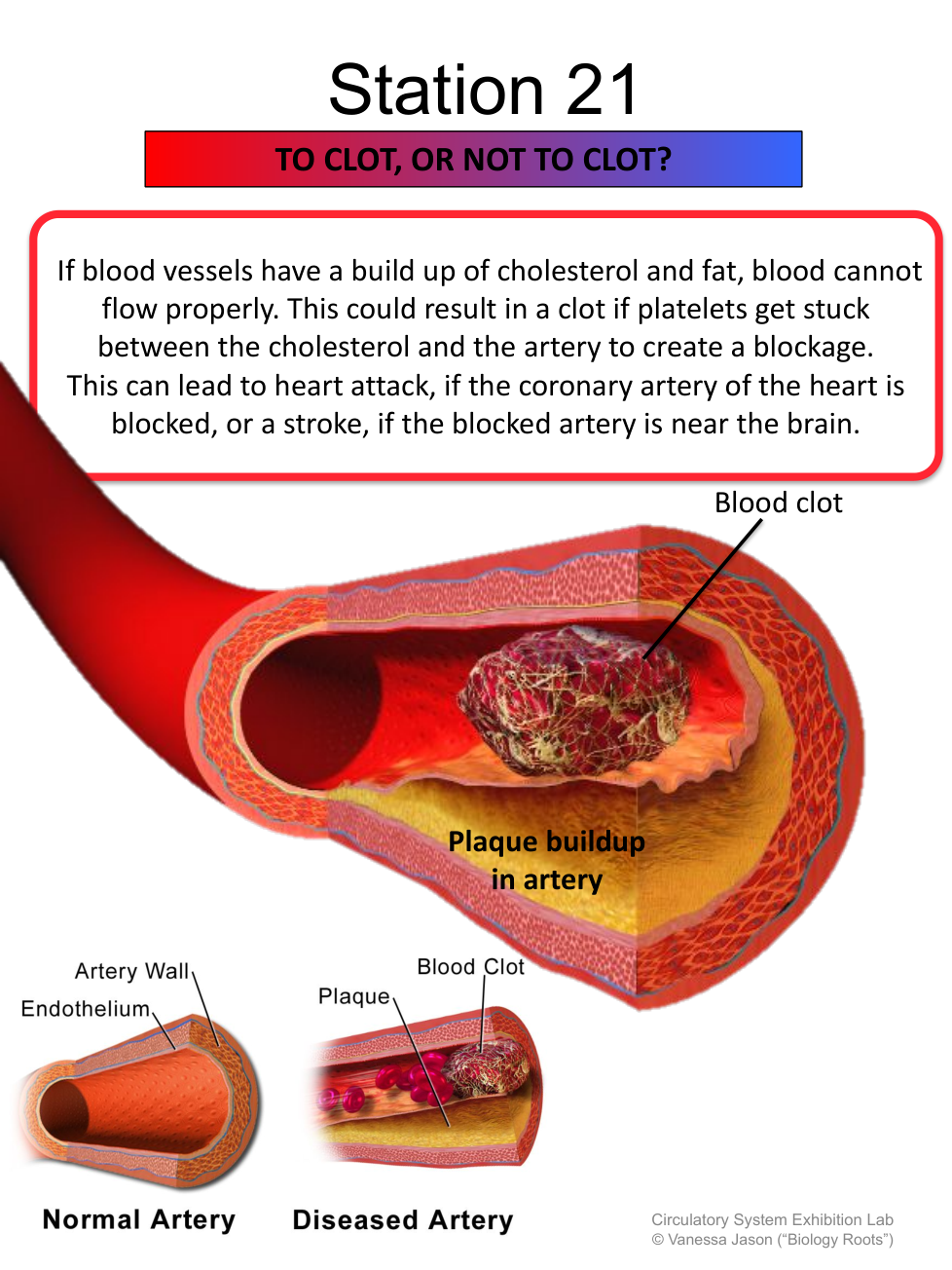
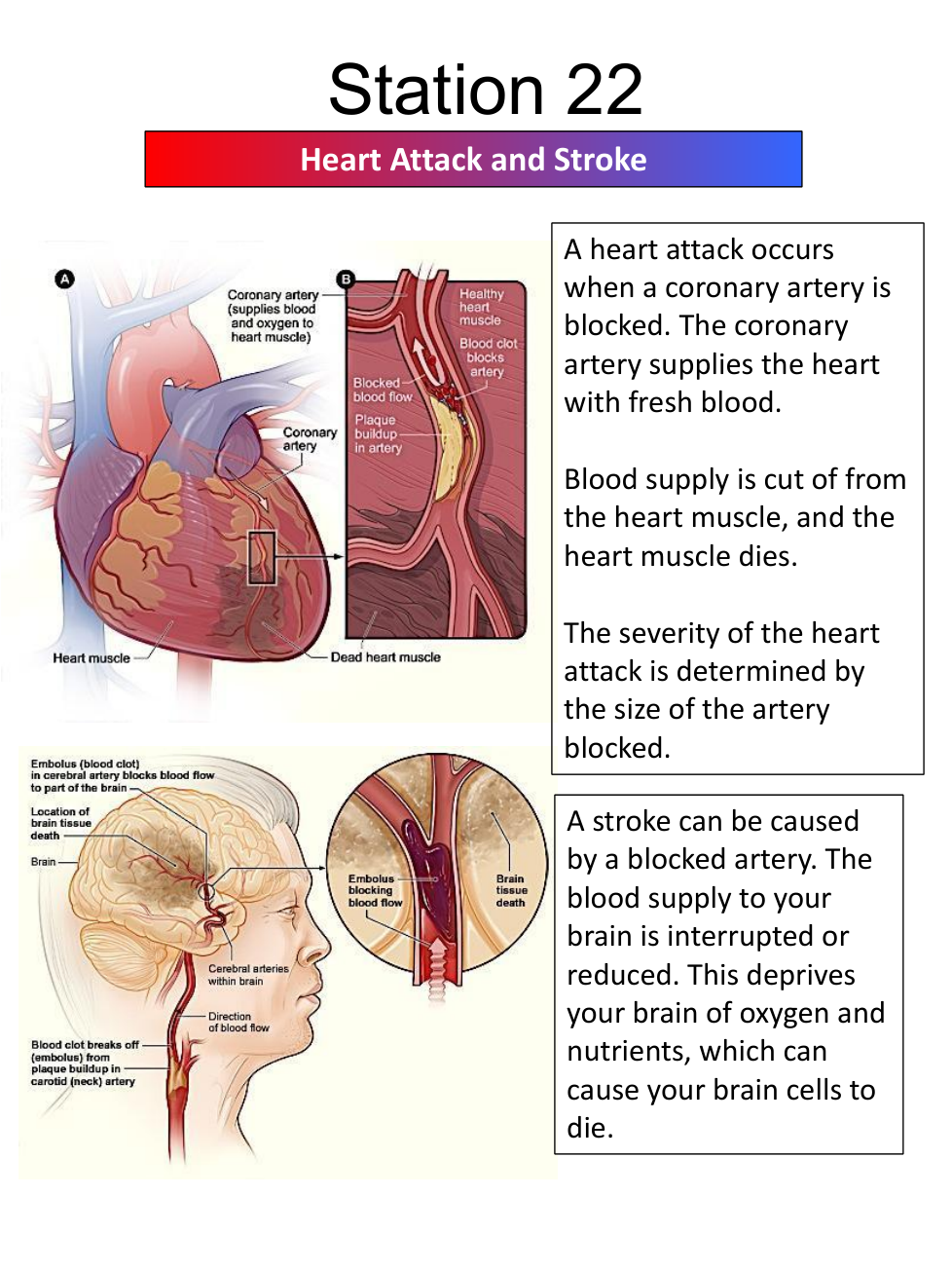
When too much fat and cholesterol builds up in the artery, a _______ can occur, which can lead to a _______ or _______ .
5
Question 43
43.

Using complete sentences in your own words, describe what causes a stroke.

0
Question 44
44.

Using complete sentences in your own words, describe what causes a heart attack.

1
Question 45
45.

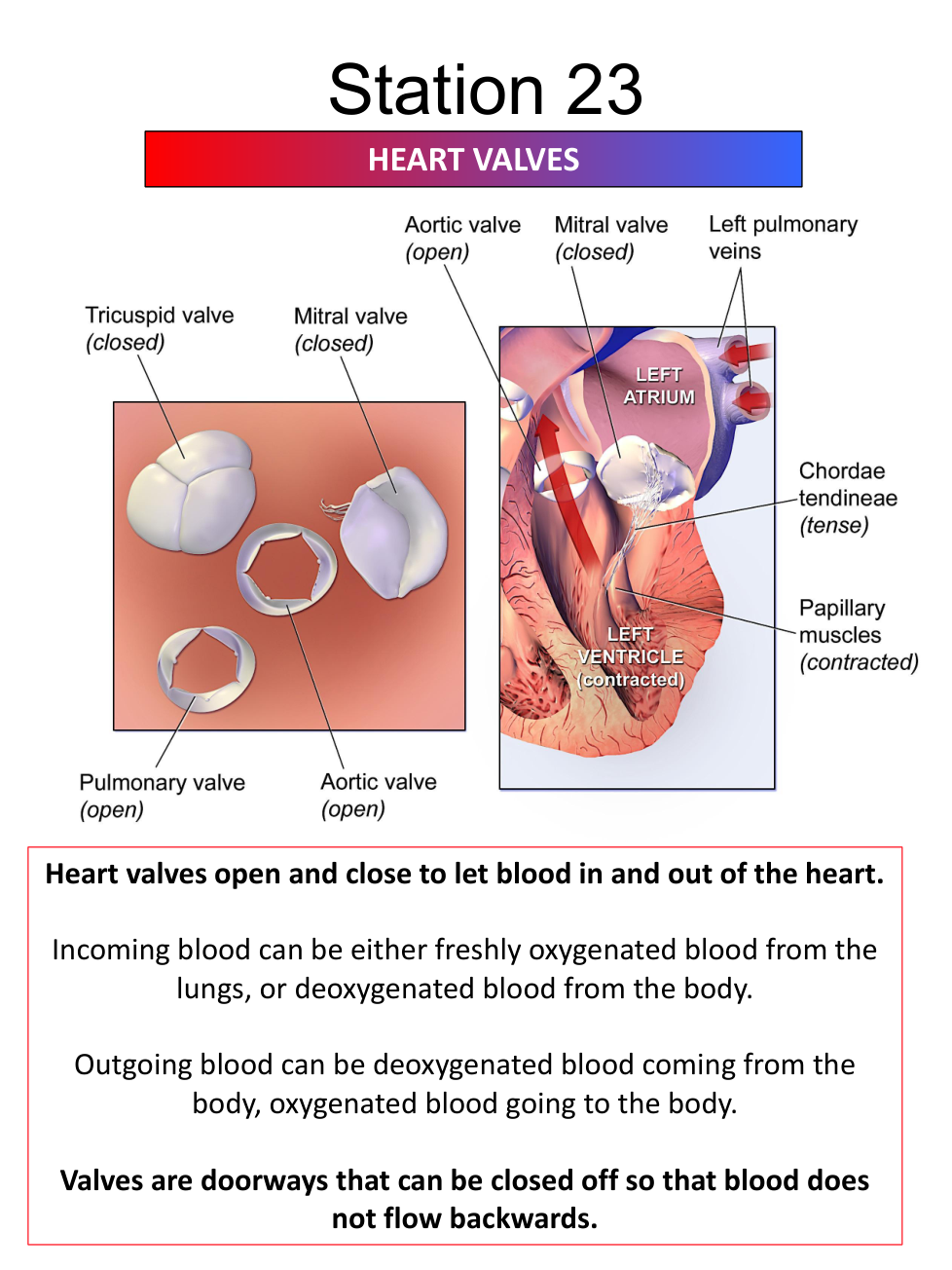
Heart valves keep blood flowing in one direction.

Question 7
7.
Other Answer Choices:
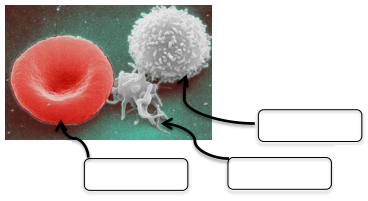
White Blood Cell
Red Blood Cell
Platelet
Question 12
12.

What are capillaries?

Question 25
25.

Deoxygenated blood is low in oxygen, causing it to turn blue.
Question 26
26.

Oxygenated blood is high in oxygen, causing it to turn bright red.

Question 29
29.

Red Blood transport oxygen AND carbon dioxide.