Unit 2 Weather - Retest
star
star
star
star
star
Last updated almost 3 years ago
9 questions
Note from the author:
Reassessment for Unit on Weather in 6th Science. Includes reteaching material and checks for understanding.
Read the text to relearn the concepts from each lesson. Next, answer the questions about that lesson.
Lesson 2 - Humidity is the measure of the amount of water vapor in the air. You are more likely to feel the humidity on a hot, summer day because warm air can hold more water vapor than cool air. When air has as much water vapor in it as it can hold, the air is saturated. Scientists measure the humidity by describing how many grams of water are found in a cubic meter of air, or g/m.
Relative humidity measures the amount of water vapor in the air as a percentage of the maximum amount that saturated air can hold at a given temperature.
When the air reaches 100% relative humidity, it is saturated and cannot hold any more water vapor. At this point, it will rain or condensation will form. This is called the dew point. The dew point temperature is the temperature at which air is saturated.
Both relative humidity and dew point measure how much water vapor is in the atmosphere. Relative humidity, however, is temperature-dependent while dew point is not. The dew point is simply a measure of how much moisture is in the air at a given time. The higher the dew point, the muggier it will feel. You can use dew point as a forecasting tool to show if it is going to be hot and sticky or dry and pleasant.
Required
1
Relative humidity is...
Required
1
Dew point is...
Dew point is...

Required
1
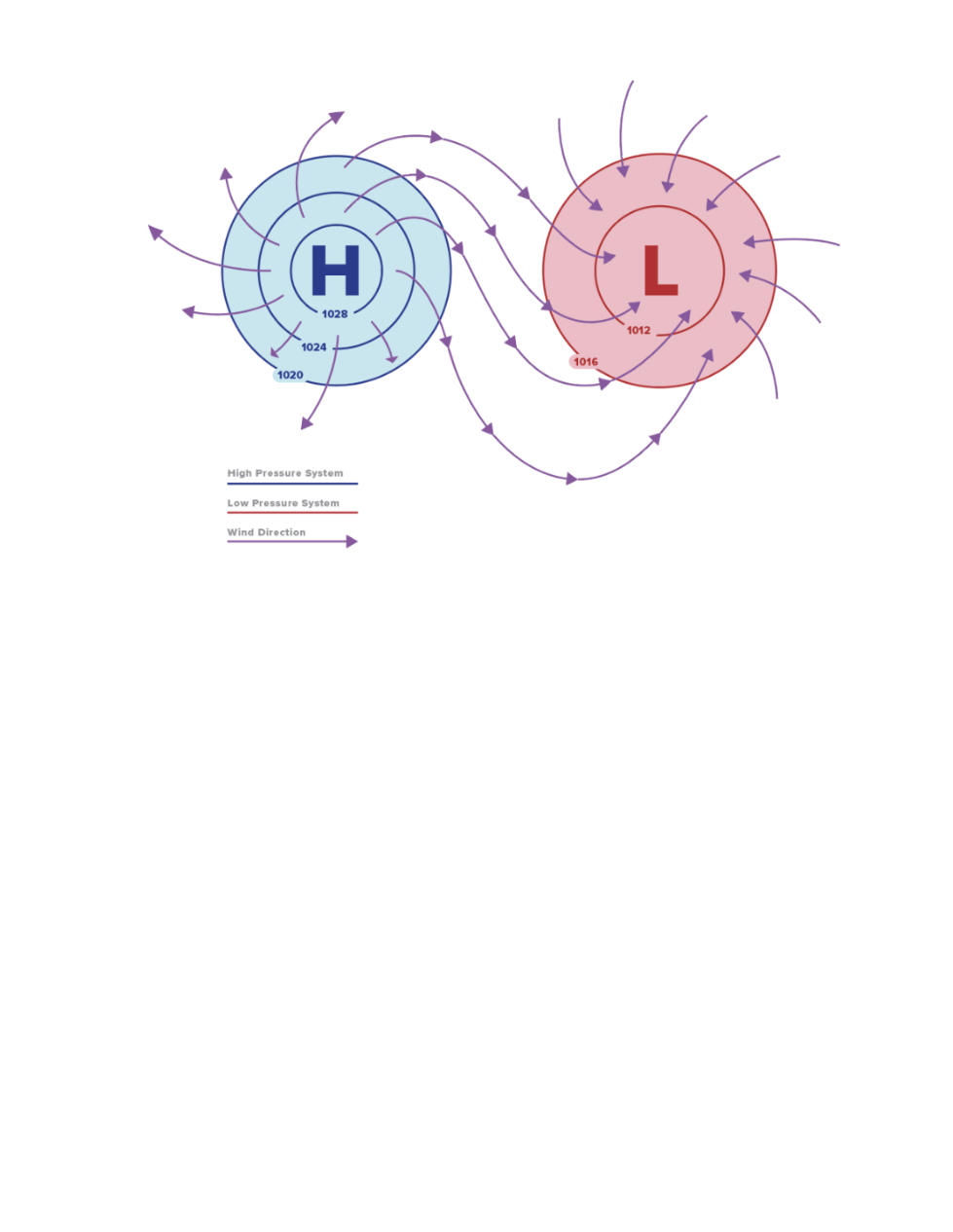
Lesson 3 - Under high pressure, you can generally expect sunny skies and calm weather. Low pressure is what causes active weather. The air is lighter than the surrounding air masses so it rises. Rising air makes the water vapor in the air condense and form clouds and rain for example.
Which is correct about how air typically moves?
Lesson 3 - Under high pressure, you can generally expect sunny skies and calm weather. Low pressure is what causes active weather. The air is lighter than the surrounding air masses so it rises. Rising air makes the water vapor in the air condense and form clouds and rain for example.
Which is correct about how air typically moves?
Required
1
True or Fales - Under high pressure, you can generally expect sunny skies and calm weather.

Required
1
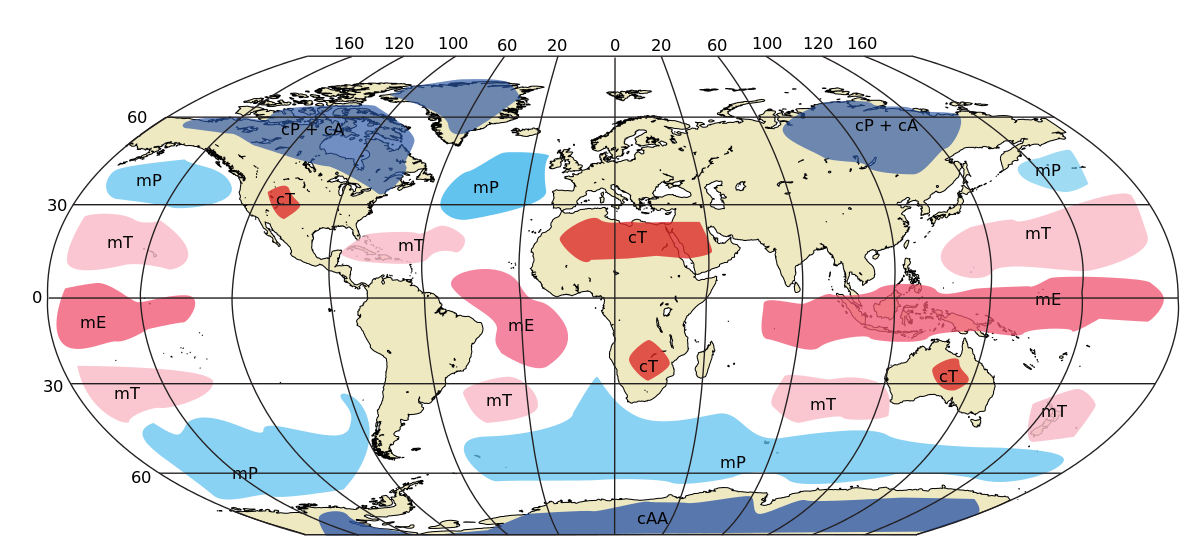
Which air mass would bring hot, humid (wet) weather?
Required
1
A continental polar air mass moves into an area. Based on the characteristics of this type of air mass, which changes are most likely to happen in the area?
Required
1
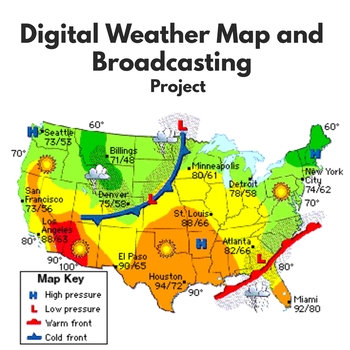
Which statement best describes the air behind a cold front?
Required
2
Lesson 6 - Explain why weather can be predicted only as probable, not definite.

Required
3
Make a prediction - According to the map, how will the weather change in Minneapolis? What is causing this change in weather?