DE_Chem_3.1_Ion Formation
star
star
star
star
star
Last updated over 2 years ago
17 questions
Note from the author:
Refer to Discovery Education's chemistry text: Unit 3.1 Ion Formation to answer the following questions. Additional questions may be added so check your work before turning in and make sure everything has been responded to.
Engage
1
What are ions?
What are ions?
2
Which elements will form ions?
1
The ions that will form will be what charge?
3
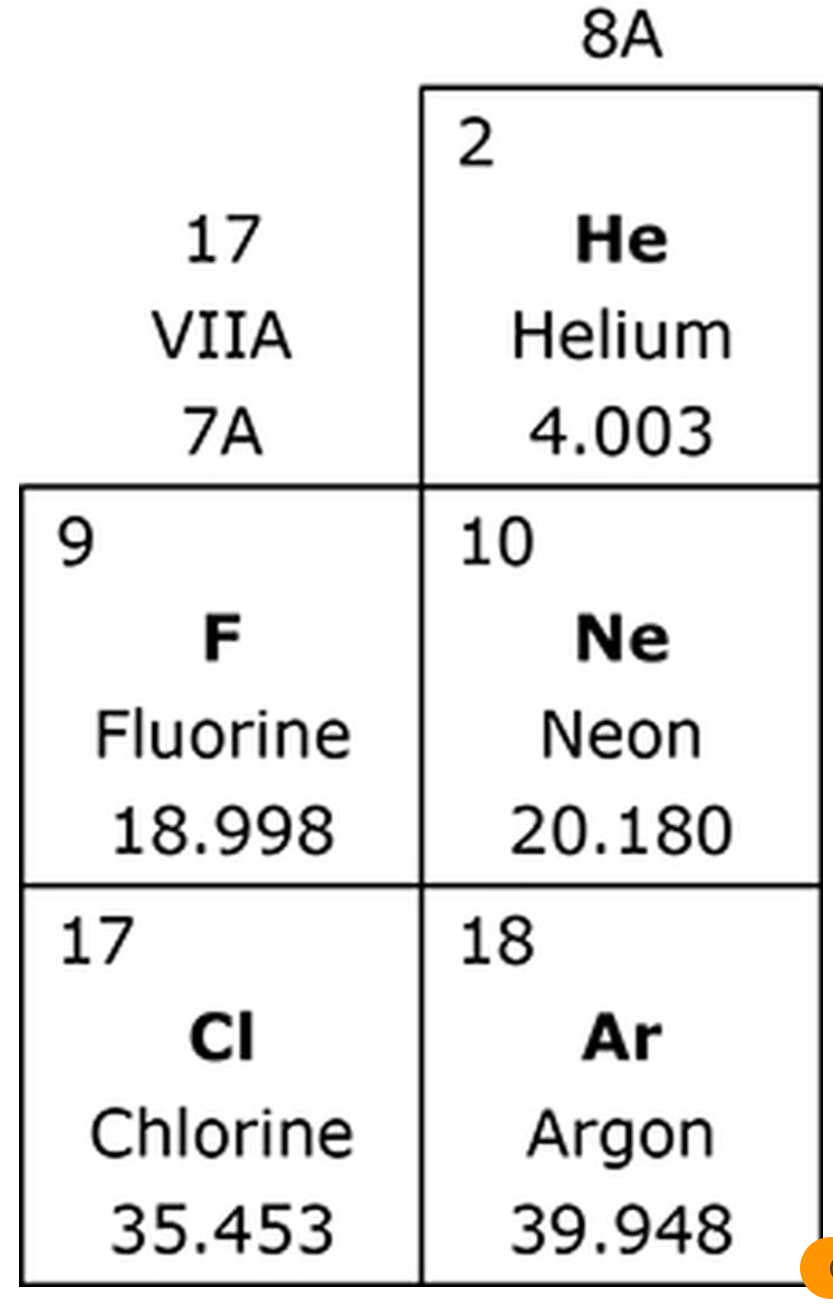
Which elements will not form ions?
1
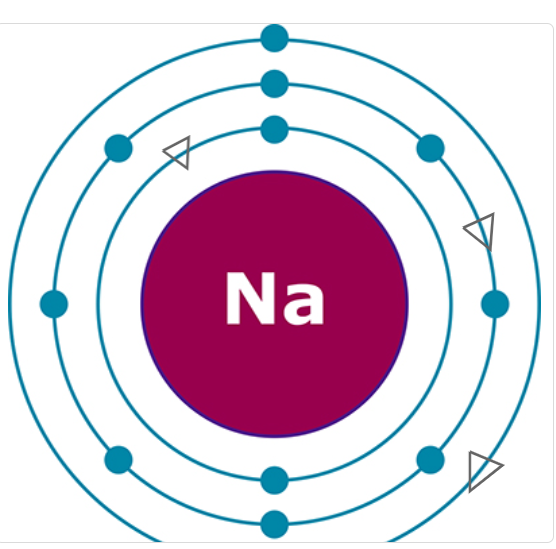
In the illustration of the sodium atom, click on the shell(s) that contain electrons that can be involved in chemical reactions with atoms of other elements.
Explore 1
4
A neutral atom _______ a charge if its positive and negative charges become unbalanced. This happens when an atom _______ or _______ one or more electrons. The atom then becomes a _______ called an ion.
2
Many ions consist of a single charged atom. An ion that consists of only one charged atom is called a _______ ion. A _______ ion is formed when a group of atoms are joined together and have an overall charge.
Explore 2
2
Positively charged ions are called _______ . A cation forms when an atom _______ one or more valence electrons. Cations usually form from the atoms of metals, such as sodium, potassium, calcium, copper, and iron.
1
_______ charged ions are called anions. An anion forms when an atom _______ one or more electrons in its valence shell. Anions usually form from the atoms of nonmetals, such as fluorine, chlorine, oxygen, and sulfur.
1
Use the periodic table to predict the charge on the most common ions for the following atoms. Connect each atom to its most common ionic charge.
+2 | +1 | 0 | -1 | -2 | |
|---|---|---|---|---|---|
Na | |||||
O | |||||
F | |||||
Ca | |||||
Cl |
Explore 3
1
Due to their stable outer electron shells, _______ do not readily react with other elements. These comprise group _______ .
1
What is the principle that states that chemical reactions tend to occur so that the atoms of non-noble elements have a stable outer shell of eight electrons?
1
List three elements that represent exceptions to the Octet Rule.
Check for Understanding (Quiz)
1
How do ions form, and how does the octet rule determine if an atom becomes a cation or an anion?
1
How do monatomic ions form?
1
How do cations and anions differ?
1
How does the formation of ions relate to the octet rule?