Ɛhia
5
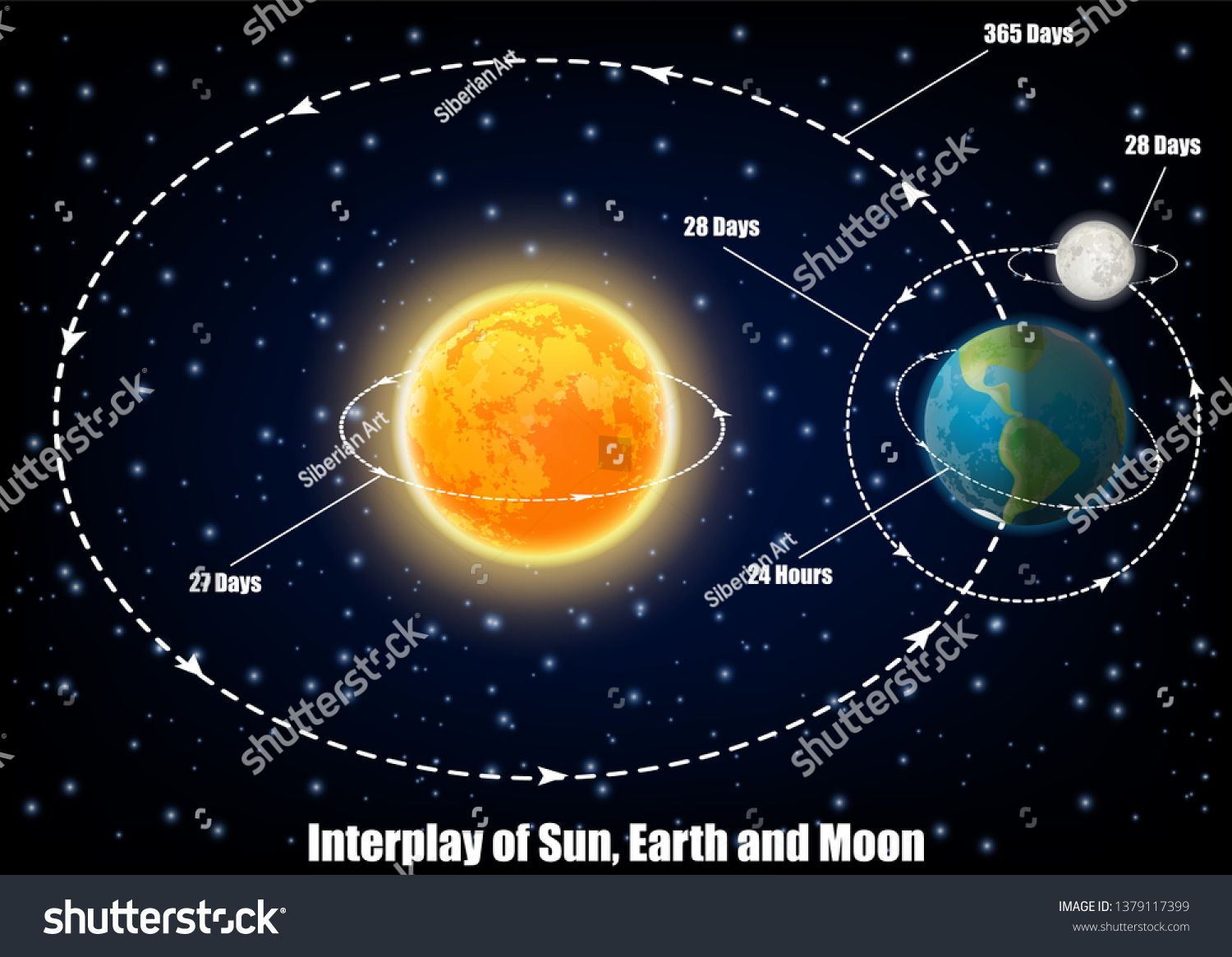
Which of the following is responsible for the daily cycle of night and day?
Which of the following is responsible for the daily cycle of night and day?
SCI.6.11a
No notes, Google, etc. Take and see how you do. It is a mirror of the test tomorrow. Answer carefully.
When a lion eats a zebra and then uses the energy from the zebra to run, the lion's body converts --
Which two (2) are mainly rocky in composition.
Earth and the Moon are in the same solar system and have some similar characteristics. How many of the properties do both the Earth and Moon have from the following list? Select all that apply.
The Sun, Earth and Moon are three objects in the solar system. How would they be arranged from largest to smallest?
Selena knows the Earth rotates on its axis. What evidence indicates that the Earth is rotating on its axis? Select 2 correct answers.
Which of the following is responsible for the daily cycle of night and day?
Energy is the ability to do work. Energy can be categorized into two main forms: potential and kinetic. Which of the following sentences best describe potential energy? Select TWO correct answers.
Compressing a spring increases its --
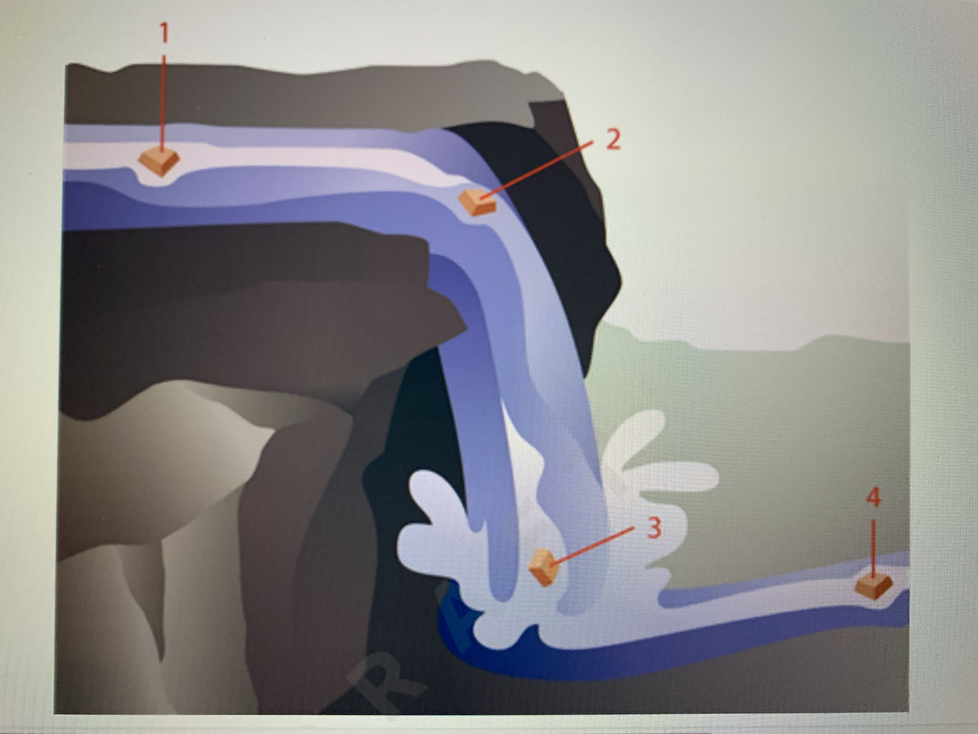
A rock falls over a waterfall as shown in the diagram. At which point does the rock have the most potential energy?
Juan listed the planets in the order that is closest to the sun to furthest from the sun: Mercury, Venus, Earth, Mars, Jupiter, Saturn, Uranus, Neptune. According to this order, which has the shortest year?
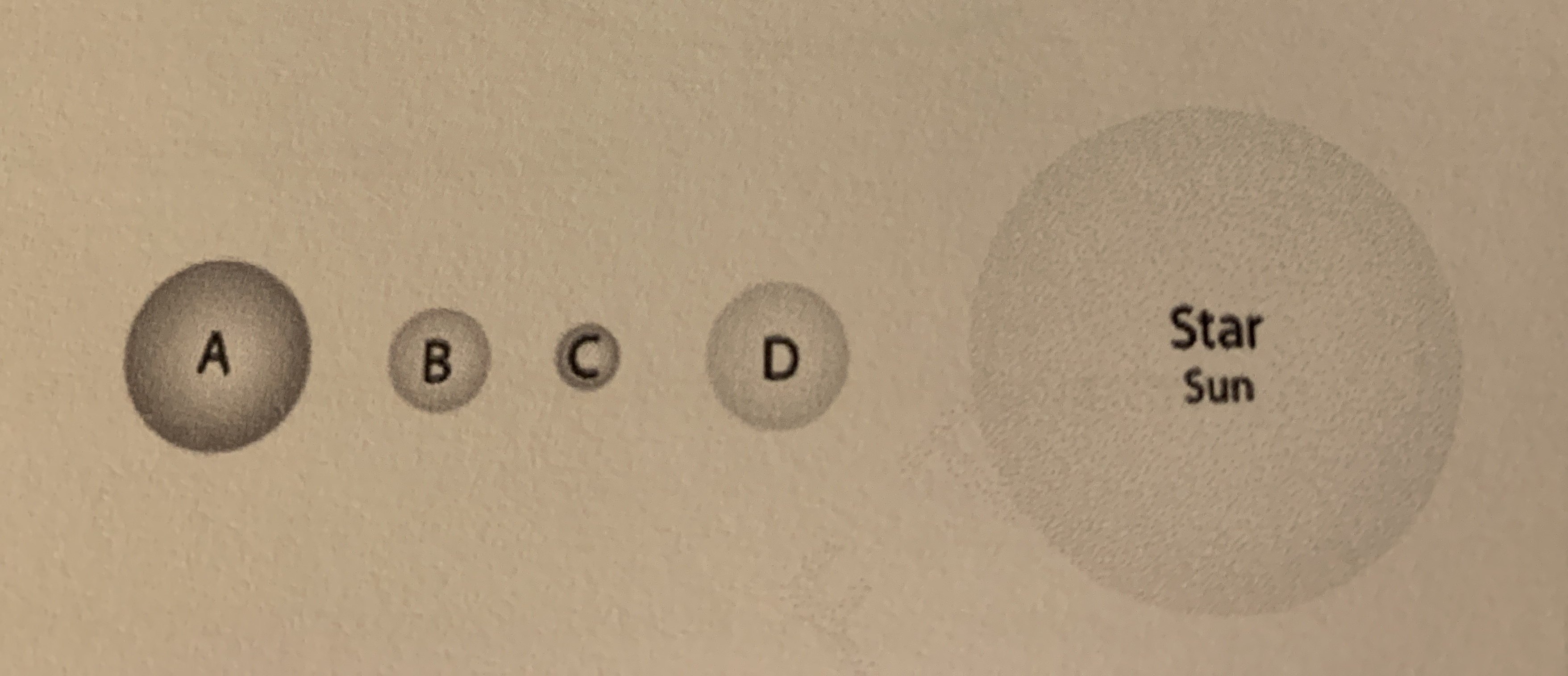
The following image is from a newly discovered solar system. Based on your knowledge of our solar system, which planet would take the least amount of time to orbit the Star?
In space, a rocky object that measure 50 miles across is observed. It rotates once every 18 hours and is three time farther from the Sun that Earth. The rocky object is MOST likely --
Which of the following forces keeps planets in orbit around the sun?
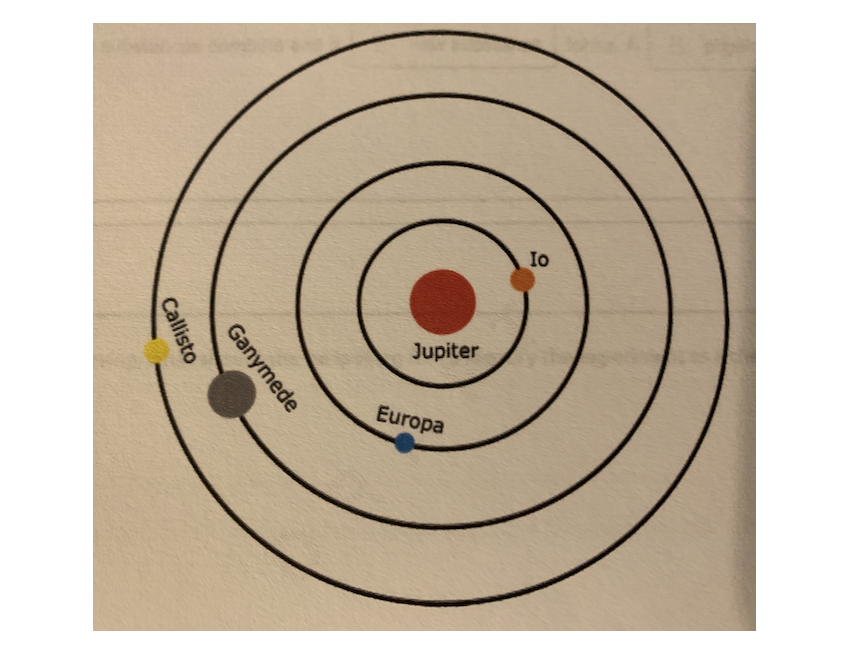
Multiple planets and planet-like objects orbit the Sun. The inner planets are smaller planets composed mainly of rock, while the outer planets are larger and composed mainly of gas. Jupiter, one of the outer planets, has multiple moons orbiting around it. It's four largest moons are called the Galilean Moons, which is shown in the diagram below. What is a plausible explanation as to why Jupiter has multiple moons while Earth only has one?
A Chemical change takes place when two or more substances combine and form a new substance. What is evidence of this? Select all that apply
Yazmin is watching her teacher do an experiment. As she is observing, what should she be looking for to identify the experiment as a chemical reaction?
A solid produced by a chemical reaction in solution that separate from the solution is called?
Luciana is trying to organize some materials by their physical properties. Which of the following would have a shiny luster, can conduct electricity and are malleable?
Sofia is making a new necklace for her jewelry store. She is looking for a material that is shiny, malleable, and ductile. Which of the following elements would work the best?
Phillip is trying to classify materials by their physical properties. When he is observing materials that are found as a gas at room temperature, what type of substance is he most likely observing?