3/8 8.7 Persistent Organic Pollutants-8.8 Bioaccumulationa and Biomagnification
star
star
star
star
star
Last updated about 1 year ago
14 Nsɛmmisa
1
1
1
1
1
1
1
1
1
1
1
1
1
1
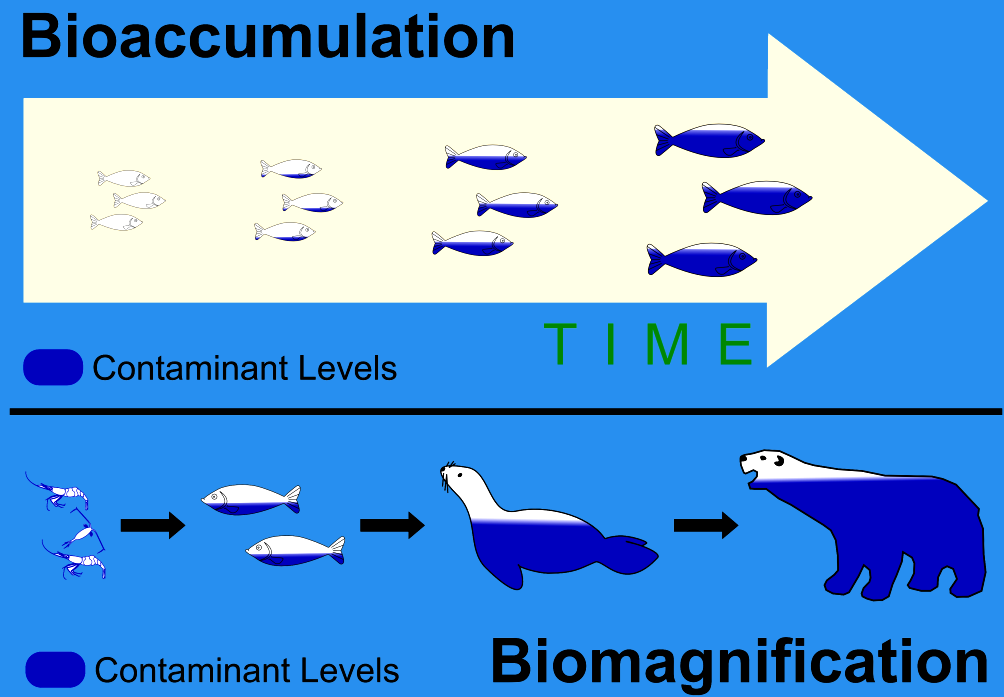
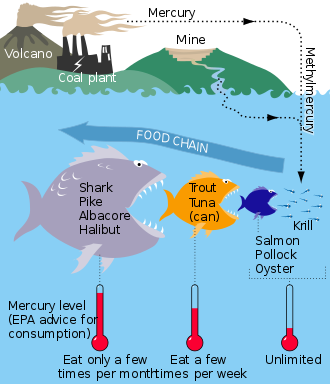
Biomagnification is also called Bioamplification. It is simply the increase in concentration of a substance in a food chain, not an individual organism. Persistent organic pollutants (POPs) are compounds that biomagnify. Persistent organic pollutants (POPs) are chemical substances that persist in the environment. These substances bioaccumulate through the food web and pose risk not only to humans but also other living organisms because of their adverse effects. These pollutantsconsist of pesticides (such as DDT), industrial chemicals (such as polychlorinated biphenyls, PCBs) and unintentional by-products of industrial processes such as dioxins and furans.
Use the random number generator above to assign the number of toxins per trophic level. Start with Phytoplankton and move up the food chain.
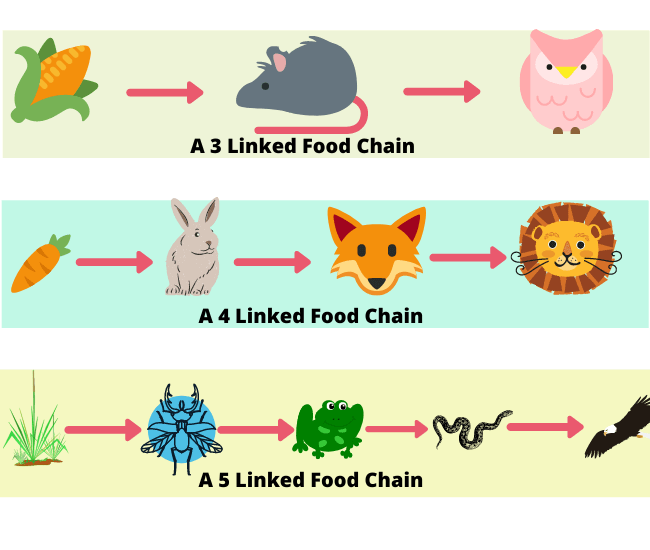
Draw your food chain in the box. Use the organisms above for the food chain.
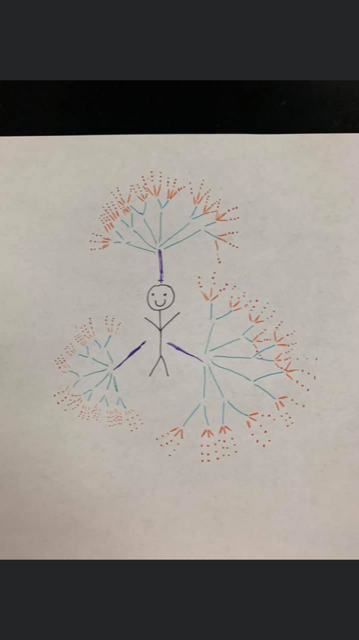
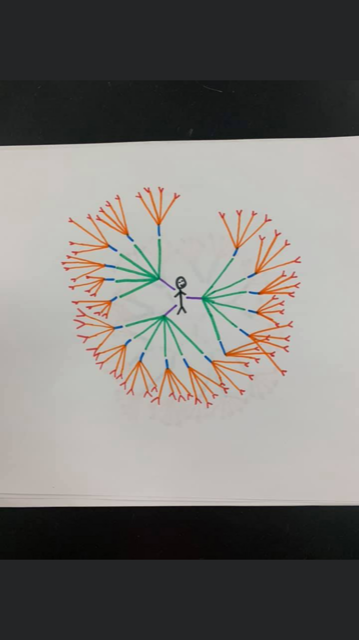
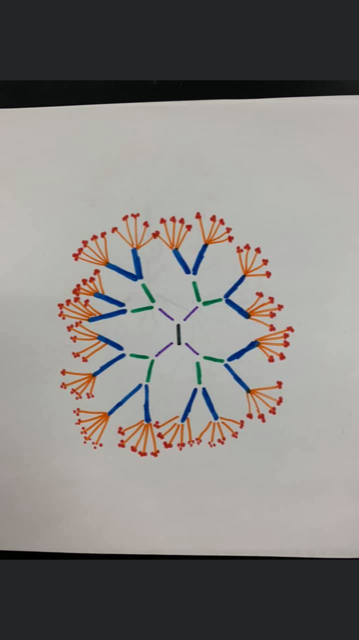
Below, start with one human in the middle of the paper. Make lines approximately 2.5 cm in length and use the following colors to represent your organisms. Examples above. Upload or draw picture here.
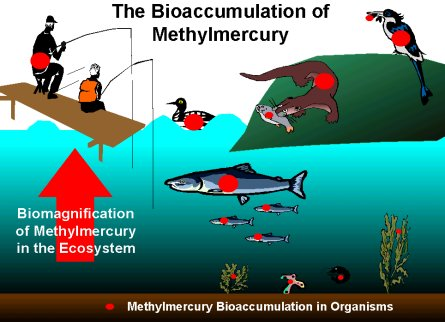
Explain how the mercury contamination biomagnified up the food chain into the highest organism.
Describe what the arrow means in a food chain.
Explain how this activity relates to how organisms are all interconnected in a food web.
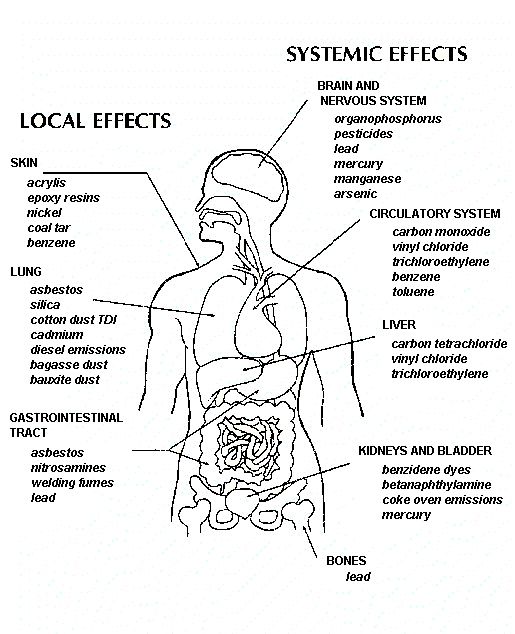
Describe the problems associated with persistent organic compounds in organisms.
There are certain species of fish that are said to contain MORE mercury contamination than others – Explain why this is the case.
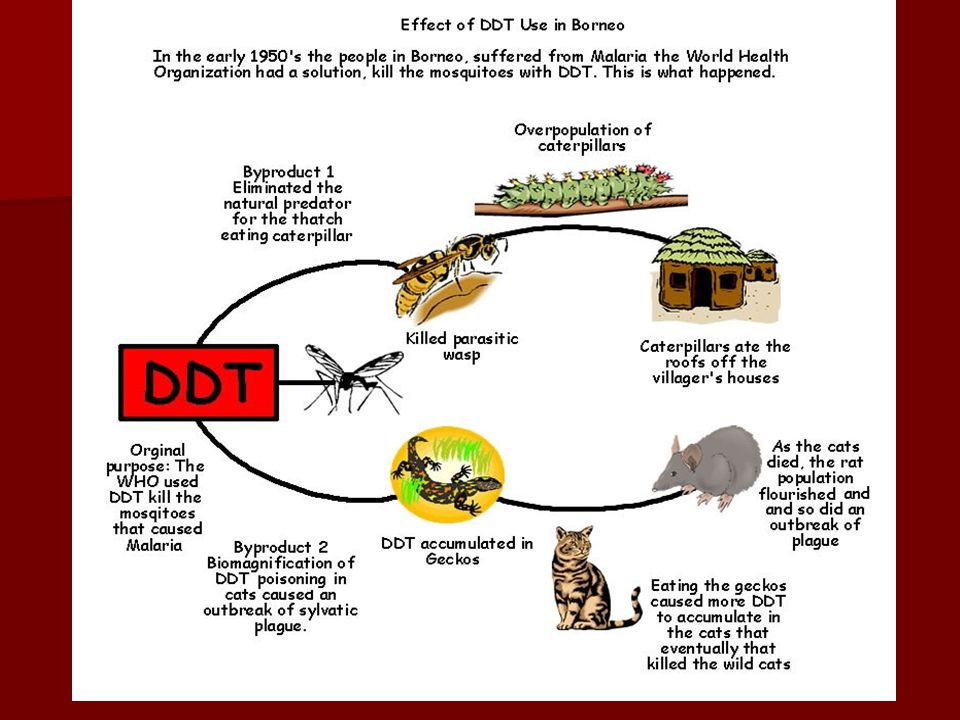
Compare your results of this activity to what occurred in Borneo with the DDT and why the cats eventually died.
EXPLAIN your answer from #9
Persistent organic pollutants (POPs) do not easily break down in the environment because
POPs can be toxic to organisms because
The process of a toxin moving up the food chain and being greater at apex predators is
Compare bioaccumulation and biomagnification.