Log in
Sign up for FREE
arrow_back
Library

Aquatic Pollution REDEmption

star
star
star
star
star
Last updated 12 months ago
5 questions
1
1
1
1
1
Question 1
1.

Question 2
2.

Question 3
3.

Question 4
4.

Question 5
5.

The diagram illustrates a sewage treatment plant. The different processes at the plant are labeled A to D.
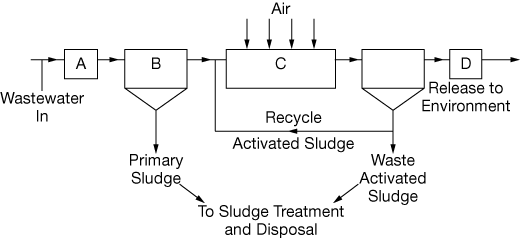
This process results in the biological breakdown of most of the organic matter in the sewage.

A
B
C
D
The diagram illustrates a sewage treatment plant. The different processes at the plant are labeled A to D.
This process uses chlorine, ultraviolet radiation, or ozone as part of the disinfection of wastewater.
A
B
C
D
Scientists are interested in measuring the effect of pollution on the water quality of a stream. They will use observations of various bottom-dwelling insects, or macroinvertebrates, collected in the stream as indicators of the physical, chemical, and biological conditions within the stream. Which of the following best describes why macroinvertebrate sampling can be used to assess the overall health of a stream?
Macroinvertebrates live in an aquatic ecosystem for a long enough time to show the chronic effects of pollutants, and many tend to remain in the same area throughout their life span.
Macroinvertebrates migrate long distances to feed or reproduce, and they have a low tolerance to pollutants.
Macroinvertebrates are top predators, so they are often used in determining whether toxins will bioaccumulate or biomagnify in an aquatic environment.
Macroinvertebrates can be collected to evaluate the effect of various test parameters such as dissolved oxygen, nitrites, and pH at the time that the sample was taken.
The graph shows how biological oxygen demand (BOD) and dissolved oxygen (DO) concentration change over the length of a stream. Points A–D indicate different locations within the stream.
At which of the following locations in the stream was there most likely a discharge of excess organic matter into the water?
A
B
C
D
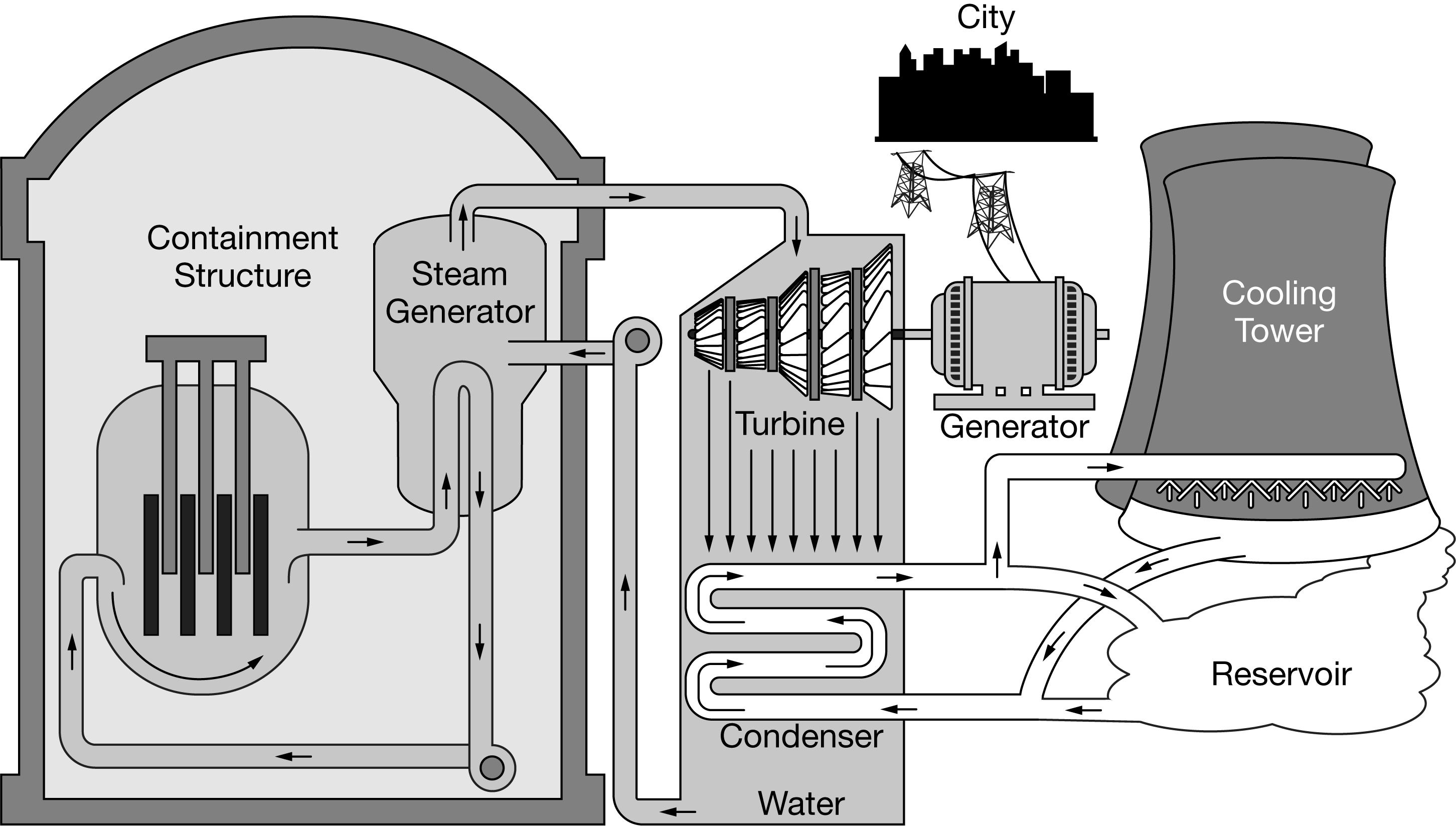
The diagram shows a power plant designed to generate electricity for a nearby city.
The water used in this type of power plant is often released back into a reservoir. Which of the following effects could this released water have on the reservoir?
The released water is radioactive and is lethal to a variety of organisms in the reservoir.
Ash from the power plant is dissolved in the released water and will precipitate out into the reservoir.
The temperature of the released water causes a decrease in the amount of dissolved oxygen in the reservoir.
Chemical pollutants in the released water cause algal blooms in the reservoir.