Log in
Sign up for FREE
arrow_back
Library

The Roaring Twenties Benchmark

star
star
star
star
star
Last updated about 2 months ago
29 questions
6
4
4
6
4
3
3
2
3
2
2
2
2
2
2
2
1
1
3
4
2
2
2
1
2
2
2
2
3
Question 1
1.

Question 2
2.

Question 3
3.

Question 4
4.

Question 5
5.

Question 6
6.

Question 7
7.

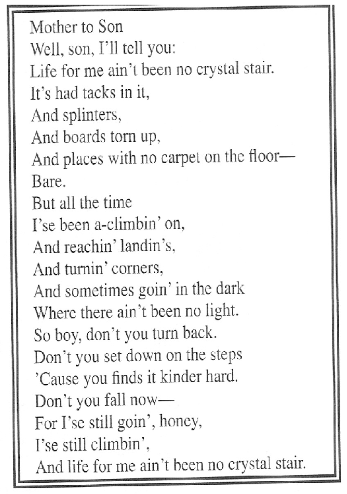
Select all responses that describe the poem cited above.

Question 8
8.

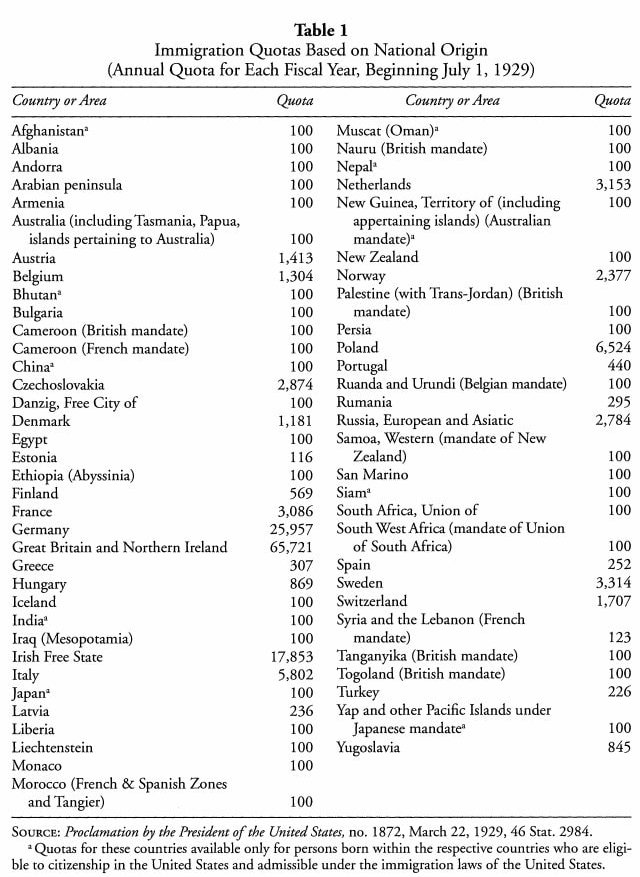
Select all responses that describe the chart cited above.

Question 9
9.

Select all responses that describe the excerpt cited above

Question 10
10.

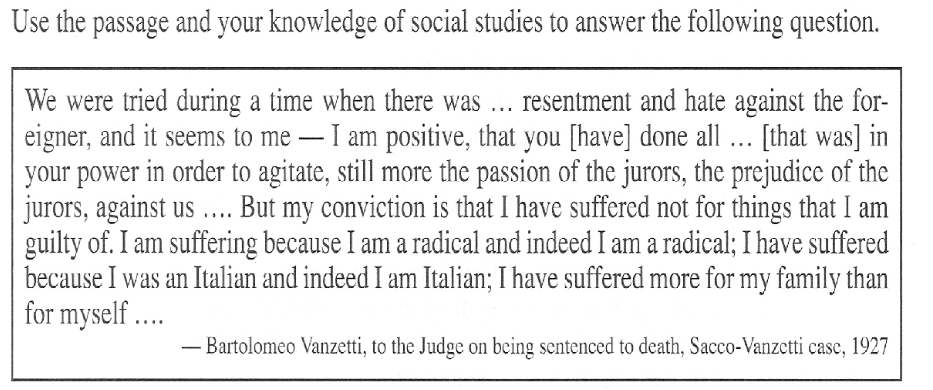
Select all responses that describe the excerpt cited above

Question 11
11.

What was the primary purpose of Prohibition during the 1920s?

Question 12
12.

What important constitutional change marked the beginning of Prohibition?

Question 13
13.

What were 'speakeasies' during the Prohibition era?

Question 14
14.

What was the main motivation behind KKK activities in the 1920s?

Question 15
15.

The KKK of the 1920's targeted which groups?

Question 16
16.

What tactics did the KKK use to intimidate those they targeted in the 1920s?

Question 17
17.

What new forms of popular entertainment emerged during the Roaring Twenties?

Question 18
18.

Which of the following concepts refers to the 1920s' cultural, social, and artistic explosion that took place in Harlem, New York?

Question 19
19.

What changes occurred in women's roles and lifestyle choices during the Roaring Twenties?

Question 20
20.

Question 21
21.

What was the primary industry where Henry Ford applied his assembly line concept?

Question 22
22.

What major social and economic change was facilitated by Henry Ford's assembly line concept?

Question 23
23.

What is Charles Lindberg best known for?

Question 24
24.

What was the name of Lindberg's airplane?

Question 25
25.

What major event did Lindberg's flight influence?

Question 26
26.

What was the Harlem Renaissance a response to?

Question 27
27.

The Harlem Renaissance was associated with which artistic developments?

Question 28
28.

What prompted the Palmer Raids during the Roaring Twenties?

Question 29
29.

What was the Teapot Dome Scandal about?

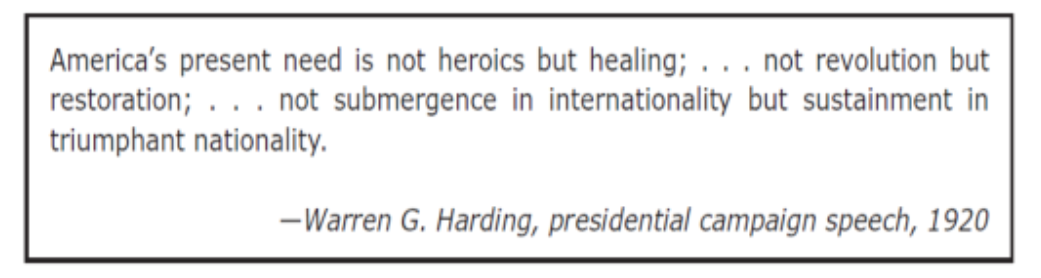
Select all responses that describe the excerpt cited above.
Factories stop producing weapons for war and started producing consumer goods
The public wanted to concentrate on domestic economic issues
Warren Harding was an advocate of imperialism
A transition from a war time economy to a peace time economy
Return to Normalcy
Help the country recover from the turmoil of the previous decade
Immigration restriction such as the Chinese Exclusion Act
1918-1920
A classic example of Nativism
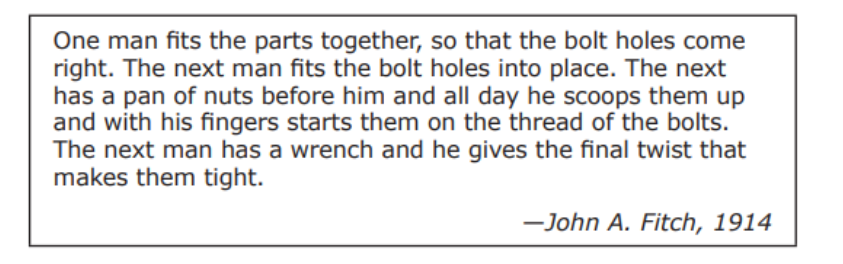
Select all responses that describe the excerpt cited above.
Henry Ford's use of an assembly line
Cottage type industries during the 18th century
Increased productivity and efficiency
Upton Sinclair describing conditions at a meat packing plant
A manufacturing process that increases production while lowering cost
Mass production of cars made them affordable to more people
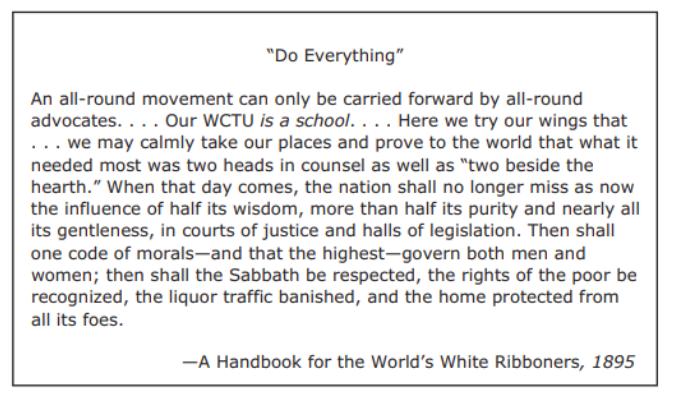
Advocates of prohibition and woman's suffrage
The effects of the sixteenth amendment
An example of the growing political influence of women
Progressive Era goals
Organization that advocated for passage of the Organic Act
Organization that advocated for passage of the eighteenth amendment
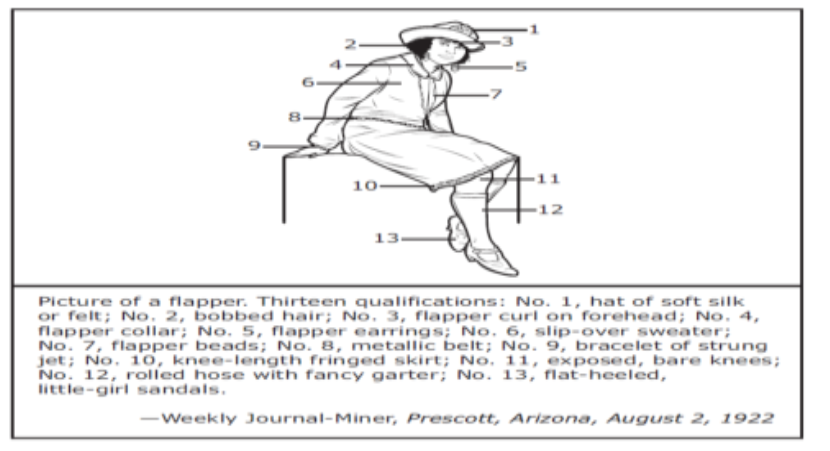
Select all responses that describe the illustration cited above.
Protection afforded under the Fifth amendment
In part the result of the nineteenth amedment
An example of non-conformity
Advertising in the 1920's
The result of prohibition of alcohol
In part the result of women working outside the home during World War I
Women rejecting traditional restrictions
Protections afforded under the First Amendment (Freedom of expression)
Women challenging traditional attitudes and social norms
Select responses that identify the four main functions of lynching.
To eliminate economic, social and political competitors
As state sanction terrorism to intimidate and control the black population
To remove specific people accused of crimes without the benefit of due process
Propagating a belief in white superiority
The results of nativism
A form of punishment allowed under the eighth amendment
"Thomas Moss, Calvin McDowell, and Lee Stewart had been lynched in Memphis, one of the leading cities of the South, in which no lynching had taken place before, with just as much brutality as other victims of the mob; and they had committed no crime against white women. This is what opened my eyes to what lynching really was. An excuse to get rid of Negroes who were acquiring wealth and property and thus keep the race terrorized and keep the down.”
quoted from Crusade For Justice (periodical)

Select all responses that describe the excerpt cited above.
Mob justice denied Americans of African descent the 4th, 5th, 6th and 8th amendments to U.S. Constitution
Through her newspaper Ida B. Wells shed light on the denial of individual rights to Americans of African descent.
An example of the protections recognized in the First Amendment
Protest literature protected by first amendment
A poem by Langston Hughes
An example of realism in art
A poem by Edna St. Vincent Millay
Nativist immigration policies
He was convicted based on nativist attitudes.
He was convicted fairly and his individual rights were respected
A conflation of nativist attitudes and a fear of communism led to many innocent immigrants to be convicted without sufficient evidence
He was convicted for being labeled a communist at the height of the Red Scare
Led to mistrust of elected officials
Victorian etiquette
Increased employment
Increased political participation


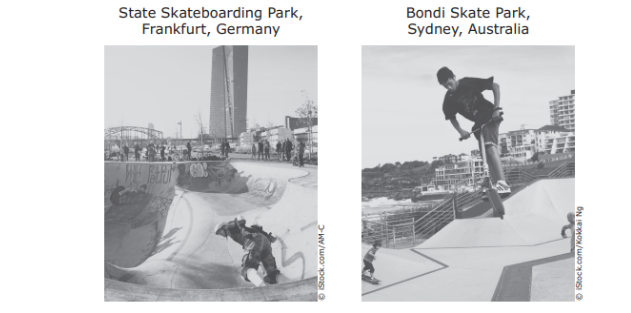
Select all responses that describe the excerpts cited above
Diffusion of American Culture throughout the world
Baseball in Japan
Hip hop Music in Mexico
U.S. embassies
Result of Anti- trust legislation
Jazz music in Paris, France
Oil reserves
Prohibition
Public mistrust in government increased