Log in
Sign up for FREE
arrow_back
Library

Modernism Quiz

star
star
star
star
star
Last updated about 1 year ago
20 questions
5
5
1
1
1
1
1
1
1
1
1
1
1
1
1
1
1
1
1
3
Question 1
1.

Draggable itemarrow_right_altCorresponding Item
arrow_right_alt
arrow_right_alt
arrow_right_alt
arrow_right_alt
arrow_right_alt
Question 2
2.

Draggable itemarrow_right_altCorresponding Item
arrow_right_alt
arrow_right_alt
arrow_right_alt
arrow_right_alt
arrow_right_alt
Question 3
3.

Question 4
4.

Question 5
5.

Question 6
6.

Question 7
7.

Question 8
8.

Question 9
9.

Question 10
10.

Question 11
11.

Question 12
12.

Question 13
13.

Question 14
14.

Question 15
15.

Question 16
16.

Question 17
17.

Question 18
18.

Question 19
19.

Question 20
20.

How is the poem "The Road Not Taken" an example of Modernism or Modern ideas, values, or sentiments?

Explain using at least two direct quotes, aim for 100+ words.
NOTE: You may copy/paste your quotes from the poem above, but no other text should be marked as copy/paste.

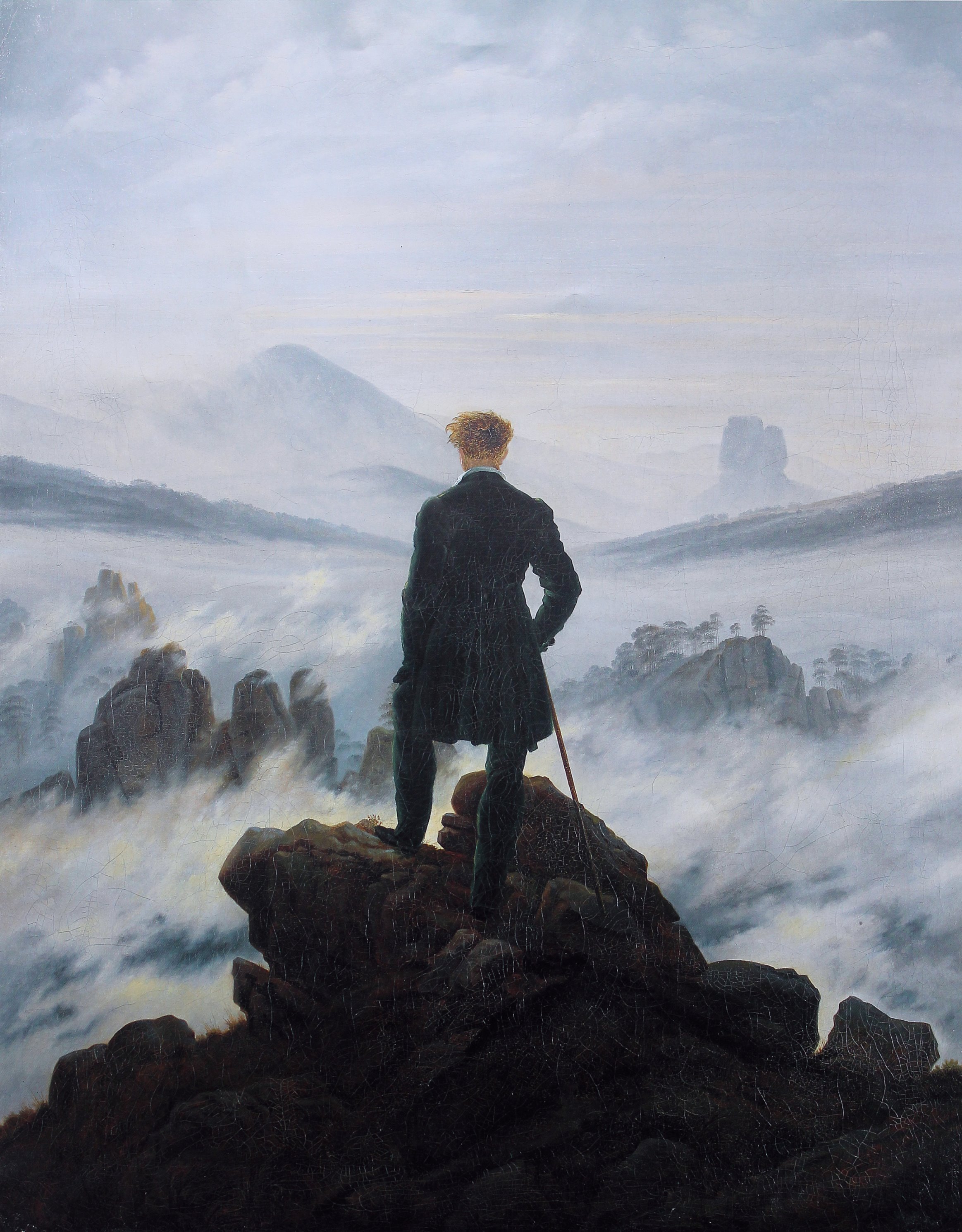
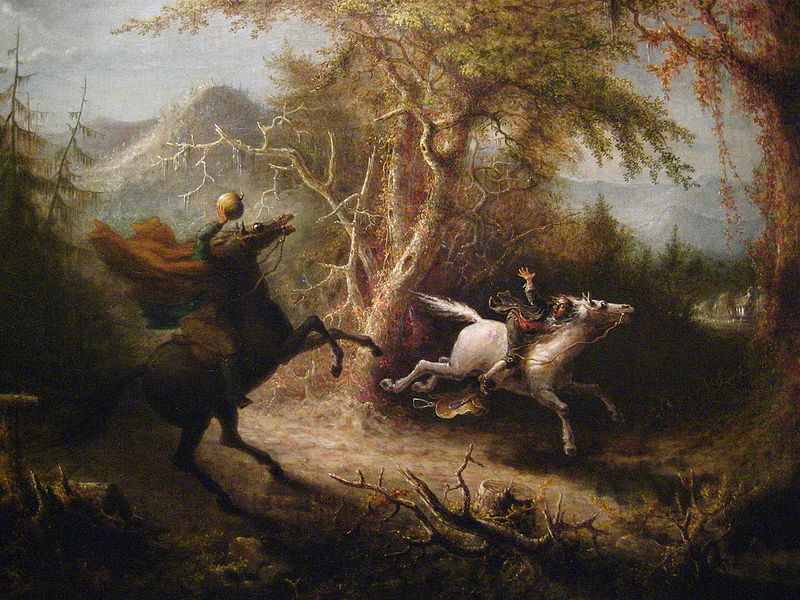
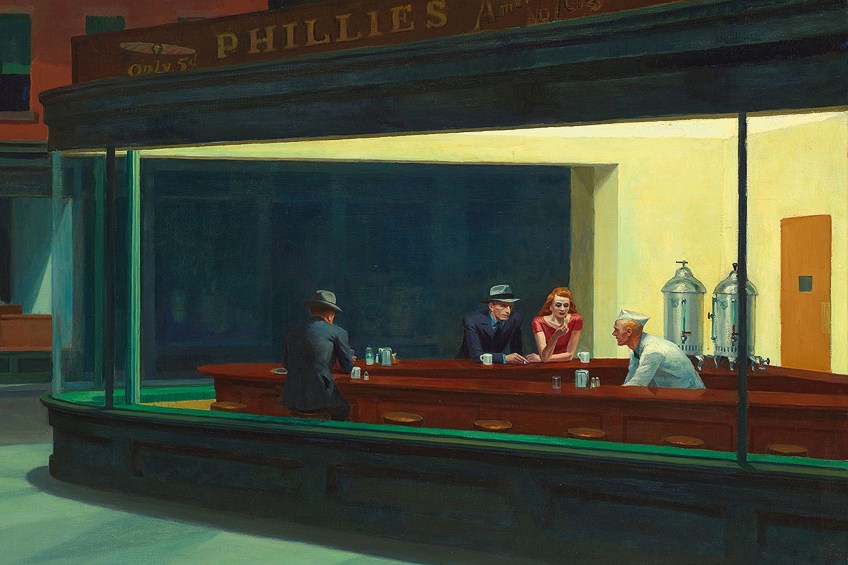
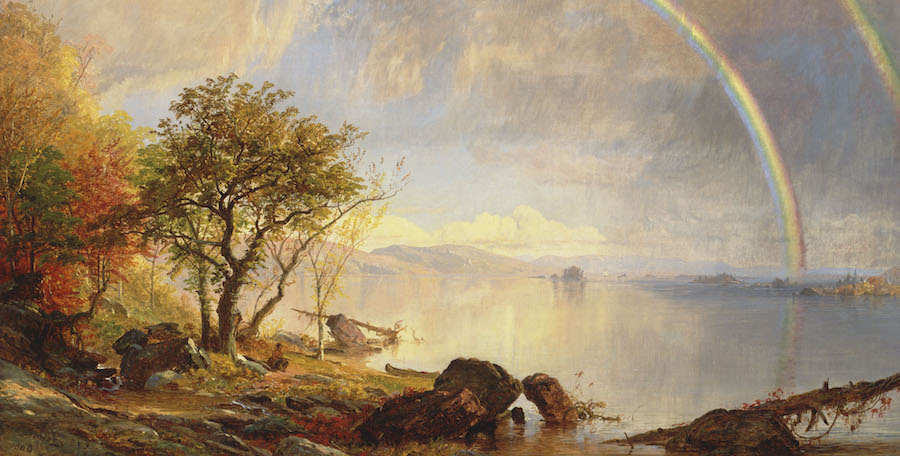
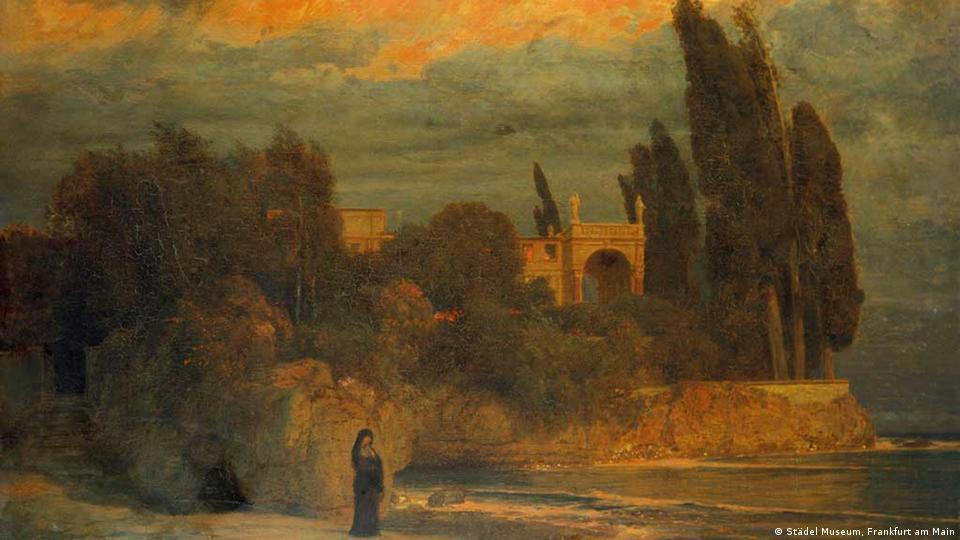
Match the painting with the cultural movement:

click on the images to make them larger (hit escape to return)
Romanticism
Transcendentalism
Dark Romantic
Gothic
Modernism
Match the quick summary to the cultural movement
escape society --> Nature --> Enlightenment --> share Truth with society, optimism
Romanticism
there are monsters in these woods, but none as bad as myself... --> Agonizing or tomenting truth that leads to madness or death
Transcendentalism
loner in the city --> disillusioned or disenchanted with tradition --> nihilism
Dark Romanticism
dark and spooky woods --> dark revelations or disillusionment --> depressed/trapped feelings, guilt, pessimism
Gothic
melancholy artist --> Nature --> Inspiration/Truth
Modernism
What architectural movement coincided with modernism?
neuvo dada
art deco
gold inlay
"chique"
Which of the following causes of Modernism created "generational trauma"?
WW1
WW2
The Great Depression
Influence of Sigmund Freud
This "generational trauma" became the label for this generation, after Gertrude Stein famously coined the term the ________________ in a letter to Ernest Hemingway.
Generation Why
Gilded Generation
Lost Generation
Generation Nihil
Which of the following was NOT a major contributor to the development of Modernism?
urbanization and industrialization
imagism and dadaism
technological and scientific revolutions
waves of immigration
The modern "attitude" could be described as all of the following EXCEPT
romanticizing Europe and the "old world" before the war
redefining art, medicine, science, psychology and "rewriting the book"
rejecting the intellectual, moral, and philosophical ideals of "Western civilization"
rebelling against tradition and moral "rules" including religious and societal morality
The belief/mindset that held the most sway culturally over this Modern period:
fauvism
nihilism
polytheism
hedonism
Which Gatsby quote below best exemplifies that belief/mindset of the previous question?
"The party has begun... I slunk off in the direction of the cocktails table - the only place in the garden where a single man could linger without looking purposeless and alone" (42)
" 'Let's get out,' whispered Jordan, after a somehow wasteful and inappropriate half-hour; 'this is much too polite for me.' ...changing the subject with an urban distaste for the concrete, 'I like large parties. They're so intimate. At small parties there isn't any privacy.'" (p. 47, 49)
"The old Metropole,' brooded Mr. Wolfshiem gloomily. 'Filled with faces dead and gone. Filled with friends gone now forever. I can't forget so long as I live the night they shot Rosy Rosenthal there. It was six of us at the table, and Rosy had eat and drunk a lot all evening...'" (p. 70)
"But the rest [of the party] offended [Daisy] -- and inarguably, because it wasn't a gesture but an emotion. She was appalled by West Egg... appalled by its raw vigor that chafed under the old euphemisms and by the too obtrusive fate that herded its inhabitants along a short-cut from nothing to nothing." (p. 107)
During this movement, which of the following literary styles was developed in which the author gave direct treatment of the "thing" as itself, and focused on showing the reader the thing instead of telling the reader what to think about this thing?
pathetic fallacy
stream of conscious
allegorical morality play
imagism
During this movement, which of the following literary styles was developed in which the author poured a continuous flow of narrative free verse without censoring out erroneous details or controlling their style formally.
imagism
pathetic fallacy
allegorical morality play
stream of conscious
Which of the following literary devices was most iconically used in Modernism?
personification
the sonnet
allegory
juxtaposition
In Modern literature, symbolism can best be described as...
hyper-symbolic - symbols are powerful, total representations and carry significant literary weight
semi-symbolic- symbols are employed as they are in all literature... basic analogies for what they signify
not very symbolic - the symbols used are to be taken literally. A glass is a glass, it represents drinking, but not much more than that.
never symbolic - one of the literary devices that this movement militantly moves away from. No symbols.
The "individual" in Modern literature is treated in all of the following ways EXCEPT:
transformed/enlightened
alienated/isolated
disillusioned/disenchanted
valorized/heroized

THE ROAD NOT TAKEN

by Robert Frost (1916)

Robert Frost (1874-1963) was an American Modernist whose poems often interestingly depict rural scenes from the New England countryside in contrast with the urbanizing world. "The Road Not Taken" is one of Frost's most well-known poems.
_______________________________________________

THE ROAD NOT TAKEN

Two roads diverged in a yellow wood,
And sorry I could not travel both
And be one traveler, long I stood
And looked down one as far as I could
To where it bent in the undergrowth;

Then took the other, as just as fair,
And having perhaps the better claim,
Because it was grassy and wanted wear;
Though as for that the passing there
Had worn them really about the same,

And both that morning equally lay
In leaves no step had trodden black.
Oh, I kept the first for another day!
Yet knowing how way leads on to way,
I doubted if I should ever come back.

I shall be telling this with a sigh
Somewhere ages and ages hence:
Two roads diverged in a wood, and I—
I took the one less traveled by,
And that has made all the difference.
In stanza one, what is the speaker's issue?
They are weighing two options ahead and can't (yet) decide
They are lost in the woods
They are in need of a guide/map
They can't remember where the roads ahead go
By the end of the poem, what does the speaker decide?
to choose a road randomly
to turn around and go back down familiar roads
to take the first, more traveled road
to take the second, less traveled road
What defines the path they choose?
it is less traveled and worn
it is grassy and fairer looking
it is familiar and well worn
it is unfamiliar to him and a surprise
The speaker's tone can best be described as...
apologetic
indecisive
reflective
confessional
Which of the following best captures a central theme of this poem?
There will always be decisions in life, but one can go back and repeat the decision differently if one makes a mistake.
Sometimes one must make a choice without knowing if it will be best and live with the consequences.
Making the most common or popular decision ensures that you will always take the safest path, if not the most interesting.
Following one's heart is easier than following one's head, but since decisions don't really matter, it doesn't matter which you follow... as long as you don't follow the crowd.