Unit 4.1 Classwork: Persuasive Techniques & the Spanish-American W
star
star
star
star
star
Last updated about 2 years ago
25 Nsɛmmisa
Hyɛ no nsow a efi ɔkyerɛwfo no hɔ:
0
Ɛhia
1
Ɛhia
1
Ɛhia
1
Ɛhia
2
Ɛhia
1
Ɛhia
1
Ɛhia
2
Ɛhia
1
0
Content Objective: I will be able to identify the use of irony, symbolism, and exaggeration in a modern cartoon about cancel culture.
Standard Objective: I will be able to determine the purpose of visual information and its effect on meaning and tone.
Absent? Just want to review the slides? Click here!
Content Objective: I will be able to identify the use of irony, symbolism, and exaggeration in a modern cartoon about cancel culture.
Standard Objective: I will be able to determine the purpose of visual information and its effect on meaning and tone.
Absent? Just want to review the slides? Click here!
Warm Up: Do you consider yourself to be funny? Explain your sense of humor. Provide examples as necessary!
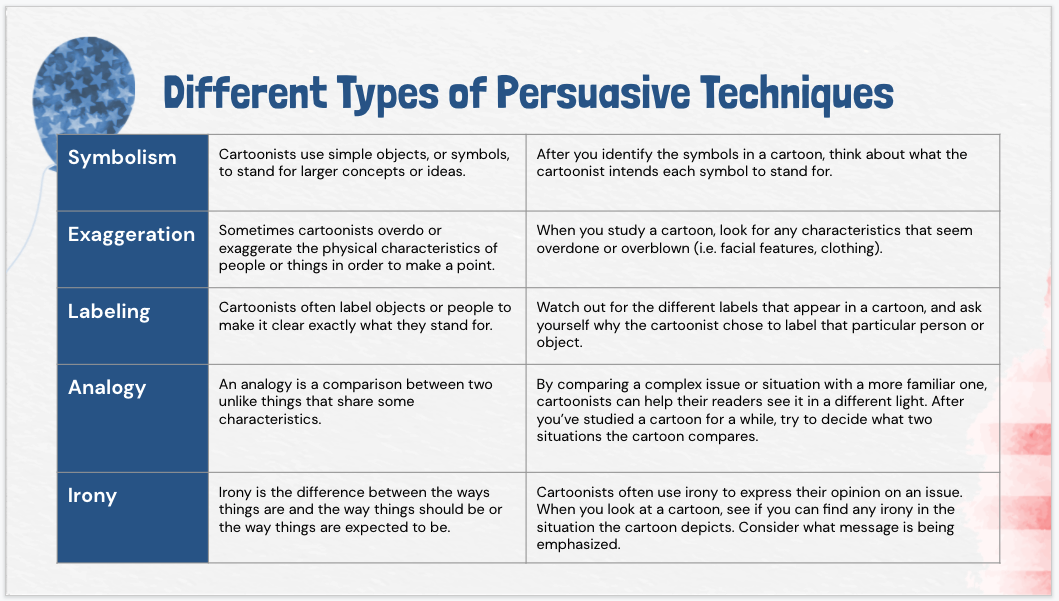
A political cartoon is a cartoon that makes a
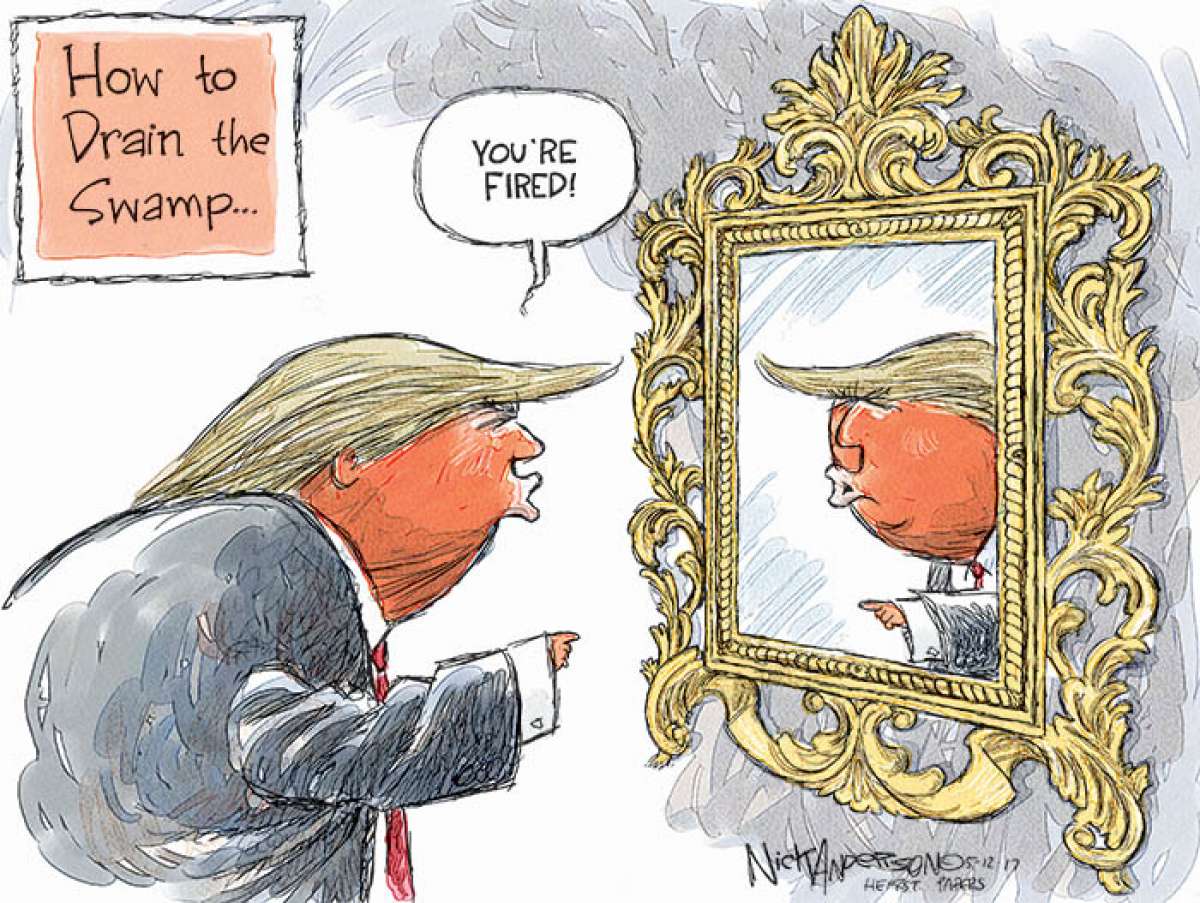
Think-Pair-Share: Why would some people consider this political cartoon to be funny?
Cartoonists use several methods, or
However, don’t assume their message is truth; consider any potential
Think-Pair-Share: Why would some people consider this political cartoon to be ironic?
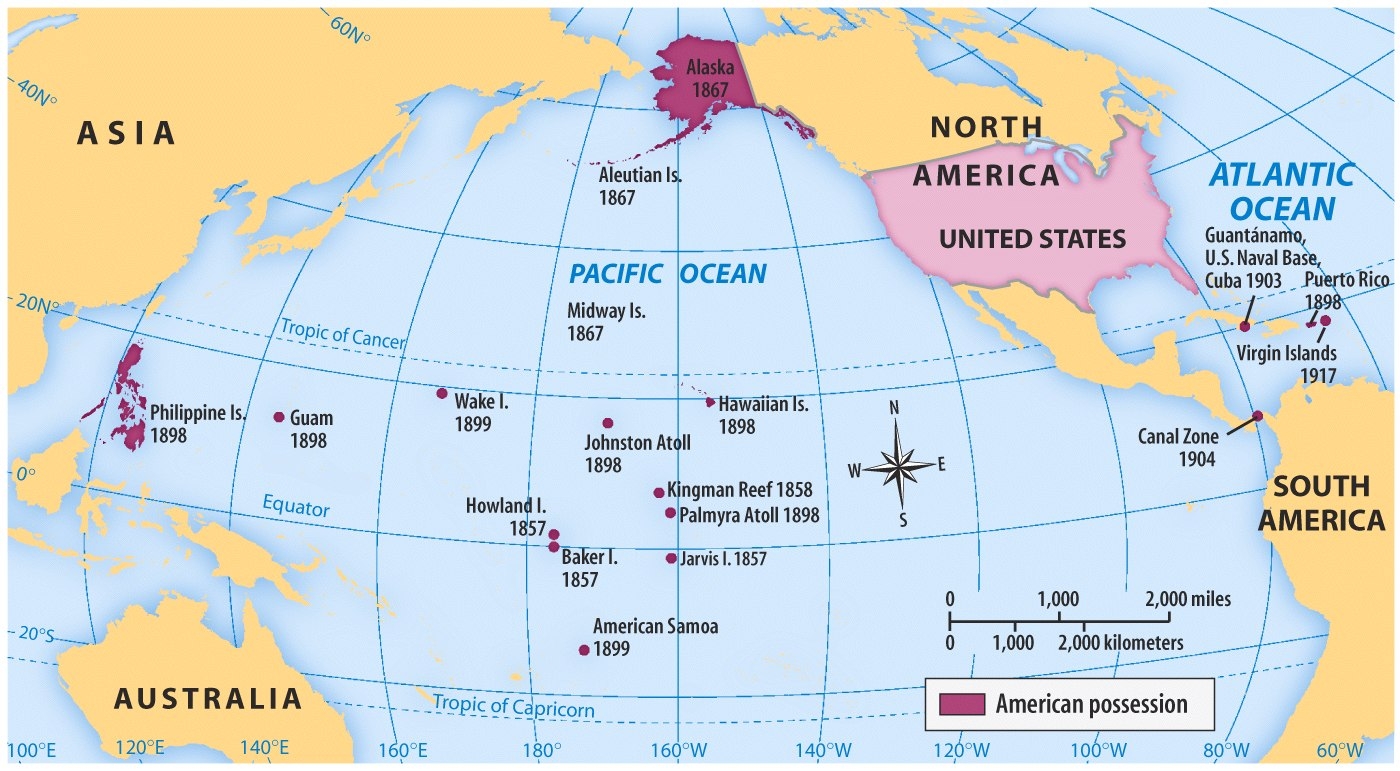
For the first 100 years since
the U.S. was founded, we were
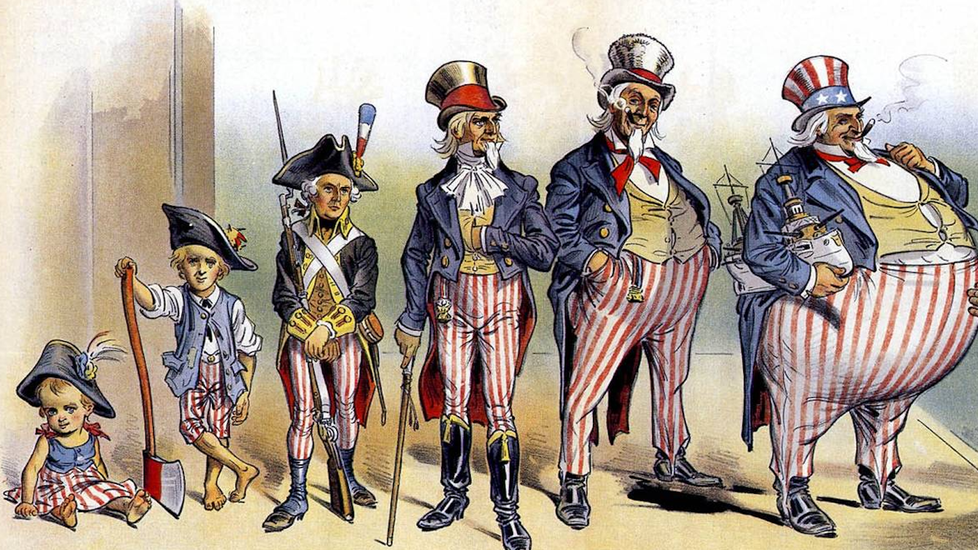
Why might the United States want to start expanding itself as an Empire in the 1890’s ?
Sentence-Starter: The United States may want to expand in order to...
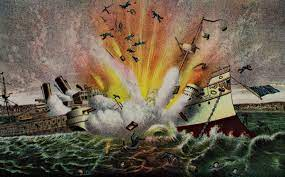
Cuba had been a Spanish colony since the 1500s. In 1895, Cubans began to fight for independence and received a lot of American support especially through political
The US sent a warship
The Spanish American War lasted only 6 weeks. As a result of winning the war the US inherited Spain’s former colonies: Guam, Puerto Rico, & the
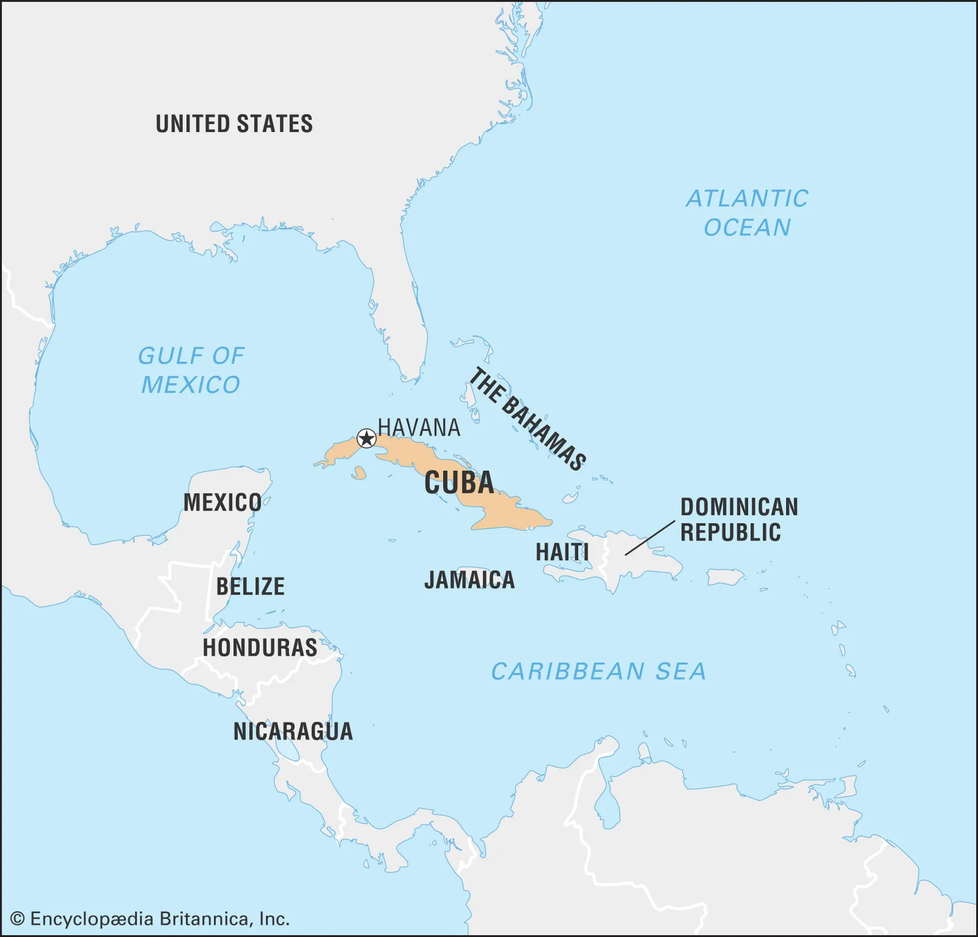
The Teller Amendment declared that the U.S. would help the Cuban people gain their freedom from Spain, but would not
However, upon winning the war Cubans were not allowed to take part in the peace treaty negotiations with Spain and Cubans were forced to permit American diplomatic, economic presence in Cuba and allow a US
Today the United States still uses
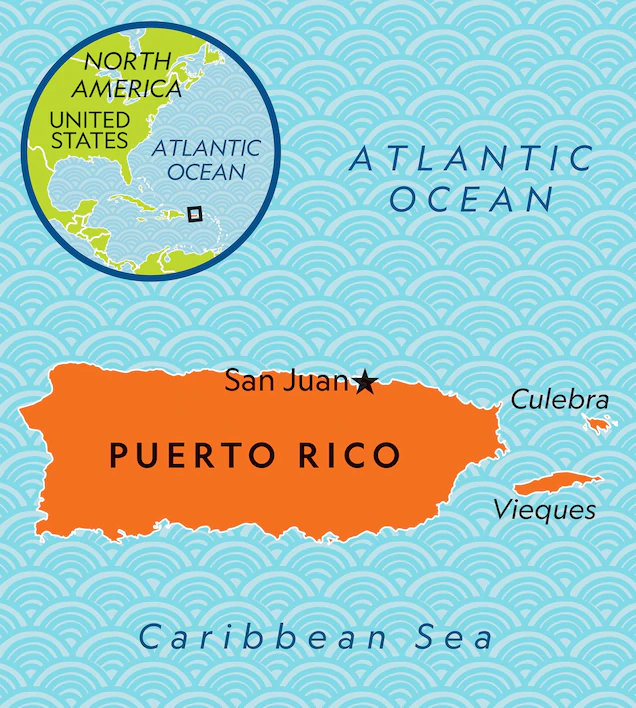
The U.S invaded Puerto Rico in July of 1898 stating they were freeing Puerto Ricans from
Puerto Rico is given to the US at the end of the Spanish-American War. Puerto Rico is designated as an “unincorporated territory” with no path to becoming a state, due to racist fears of
Congress passes the Jones Act (1917), which granted Puerto Ricans U.S. citizenship. In the 1950s, Puerto Rico drafts its own constitution and is allowed to govern itself.
Today, Puerto Rico is still not a
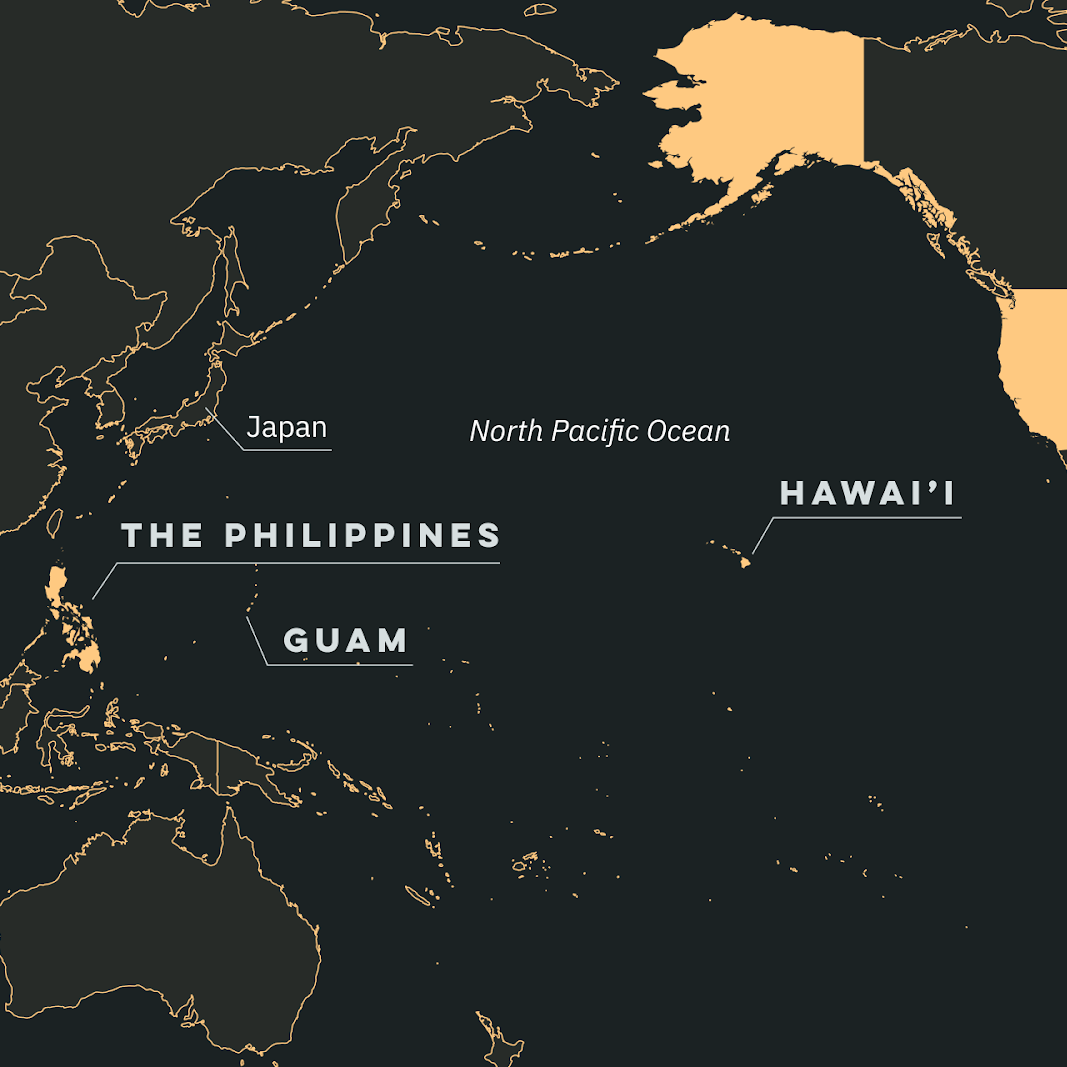
The Philippines were a Spanish colony in the Pacific that wanted independence. After destroying the Spanish
President McKinley felt Filipinos were incapable of ruling themselves (due believing them to be “
Filipinos wanted
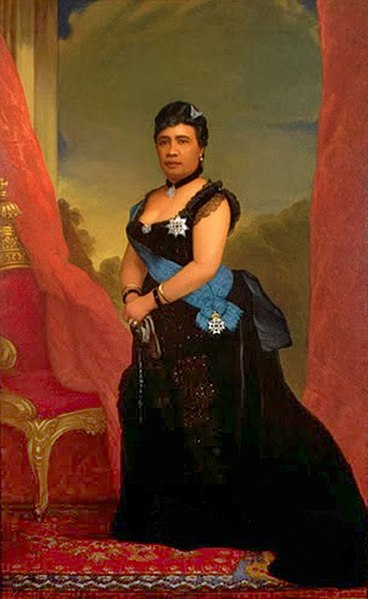
Hawaii becomes a US territory & eventually the 50th state due to missionary & American
Hawaii is ruled by a
In 1893, a small group of
Step 1: Meet the Cartoon - What do you notice first? (Circle the 3 most obvious elements in "Show Your Work")
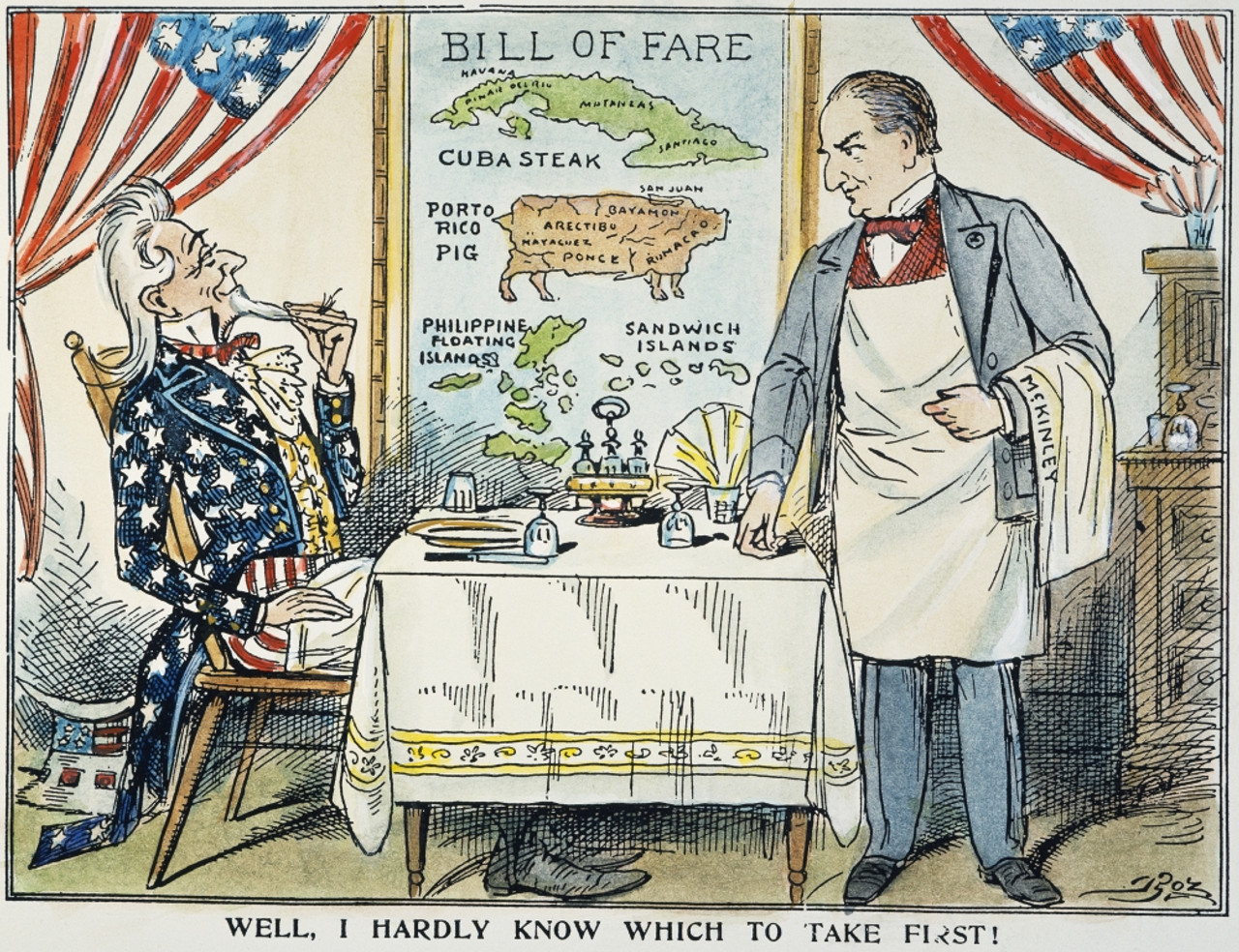
Step 2: Observe the Visuals - List the people, objects, and places. Consider actions or activities as you caption each element. Which ones do you think are symbolic?
Step 3: Consider the Words - Which words or phrases are most significant? List adjectives that describe the emotions portrayed in your captions.
Step 4: Dig Even Deeper - What time period is this political cartoon from? What was happening historically at the time it was created?
Step 5: Use as Evidence - What is the overall message of this political cartoon? Explain how you know by choosing at least one visual and one text detail from the image.
Sentence-Starters:
The overall message of this political cartoon is...
In the political cartoon, the artist depicts [visual detail], which suggests...
In addition, the artist includes [text detail]...
Thus, the artist is saying...
Exit Ticket: Which persuasive techniques were used in the political cartoon?
Step 1: Meet the Cartoon - What do you notice first? (Circle the 3 most obvious elements in "Show Your Work")
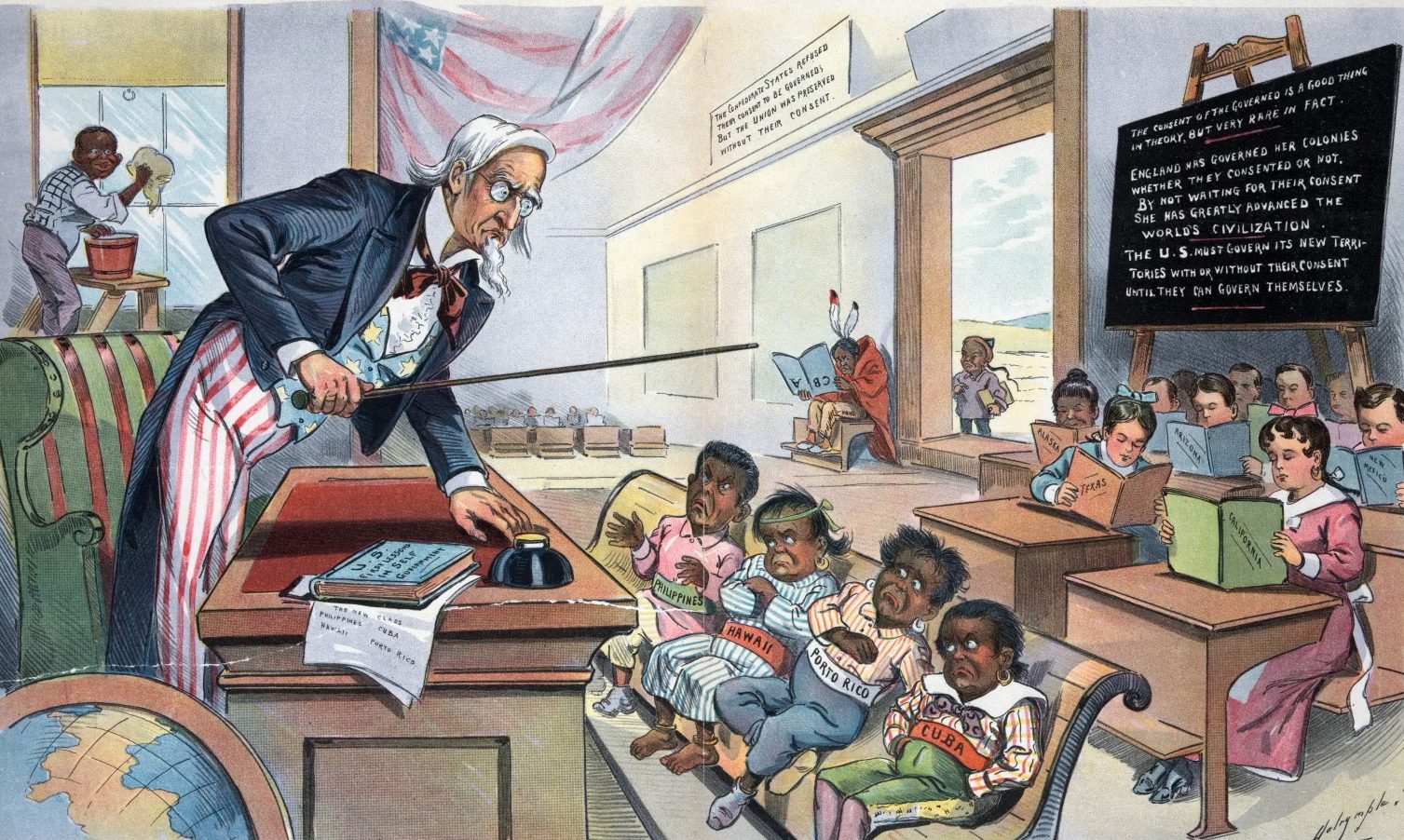
Step 2: Observe the Visuals - List the people, objects, and places. Consider actions or activities as you caption each element. Which ones do you think are symbolic?
Step 3: Consider the Words - Which words or phrases are most significant? List adjectives that describe the emotions portrayed in your captions.
Step 4: Dig Even Deeper - What time period is this political cartoon from? What was happening historically at the time it was created?
Step 5: Use as Evidence - What is the overall message of this political cartoon? Explain how you know by choosing at least one visual and one text detail from the image.
Sentence-Starters:
The overall message of this political cartoon is...
In the political cartoon, the artist depicts [visual detail], which suggests...
In addition, the artist includes [text detail]...
Thus, the artist is saying...
Exit Ticket: Which persuasive techniques were used in the political cartoon?
Exit Ticket: Please evaluate how well you understood today’s lesson on a scale from 1 to 4: